Am Donaukanal — History & Analysis
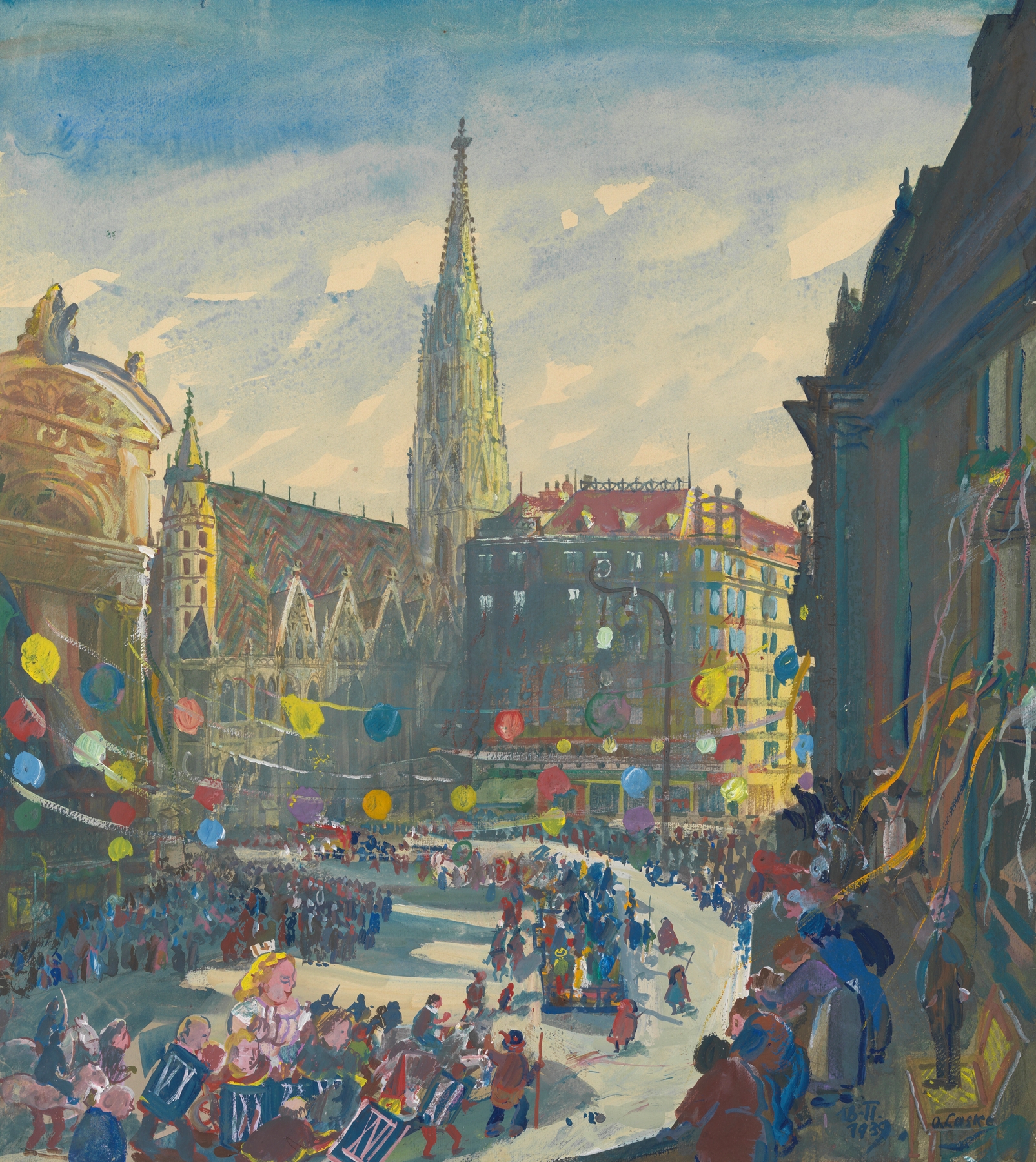
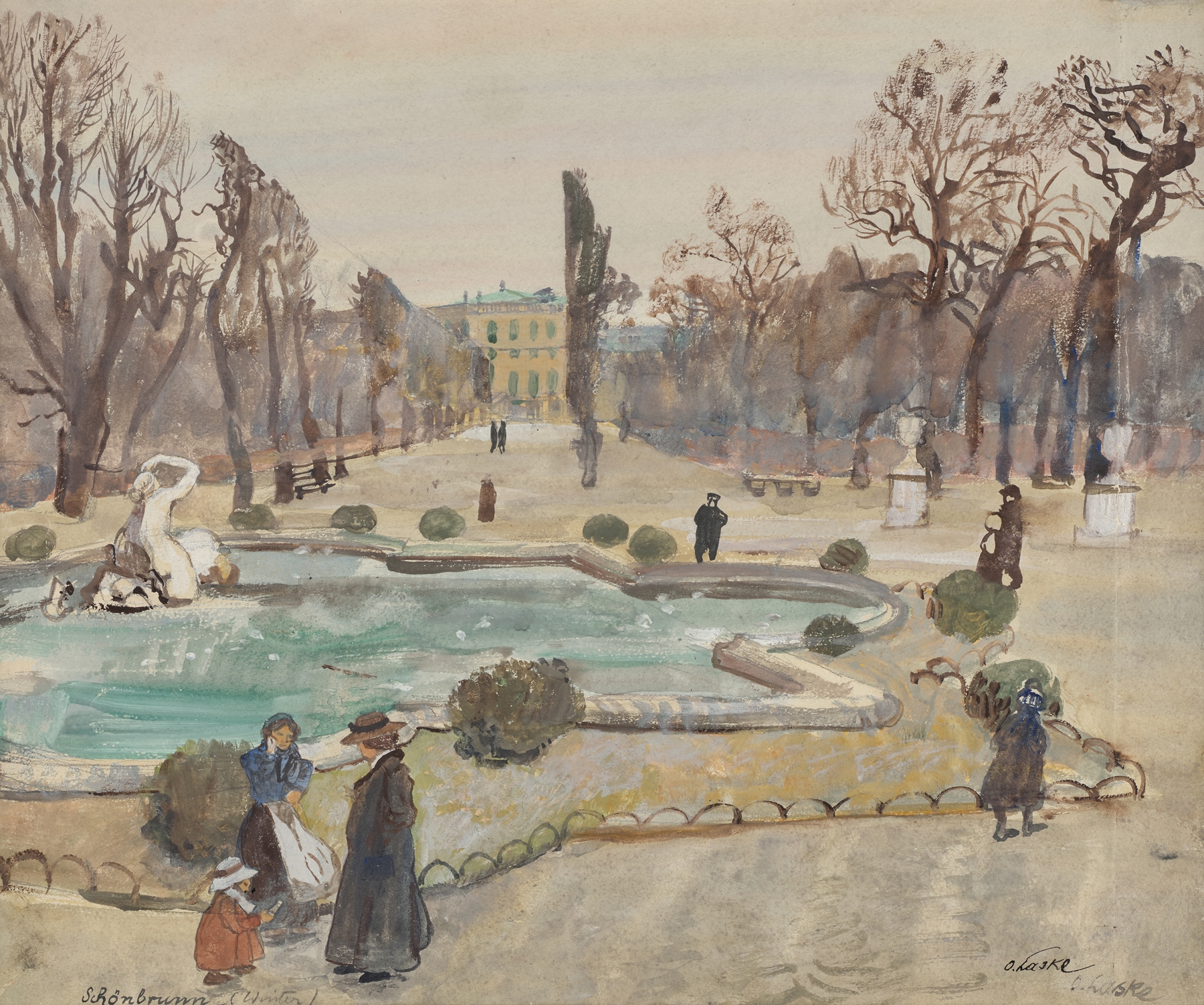
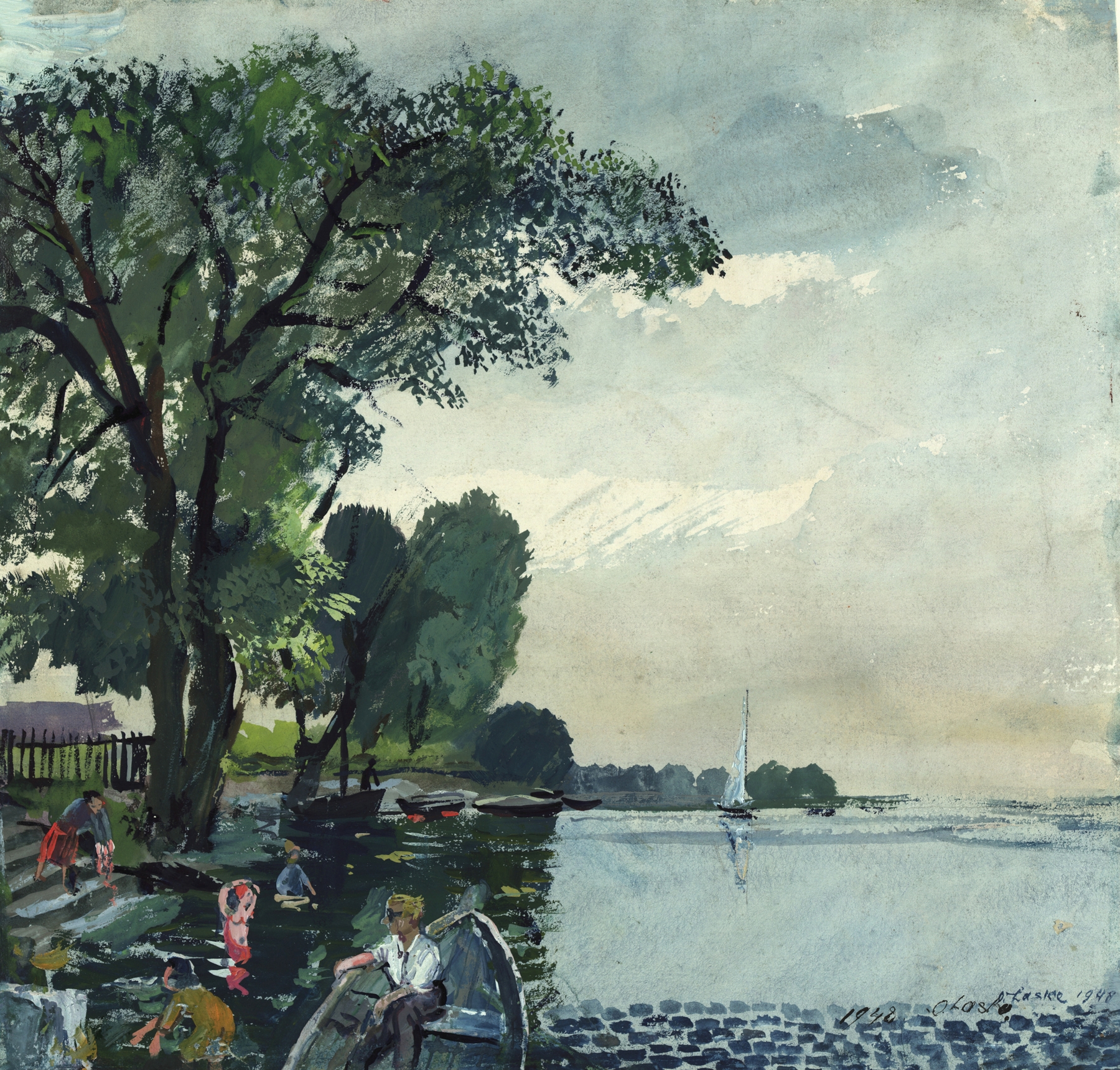
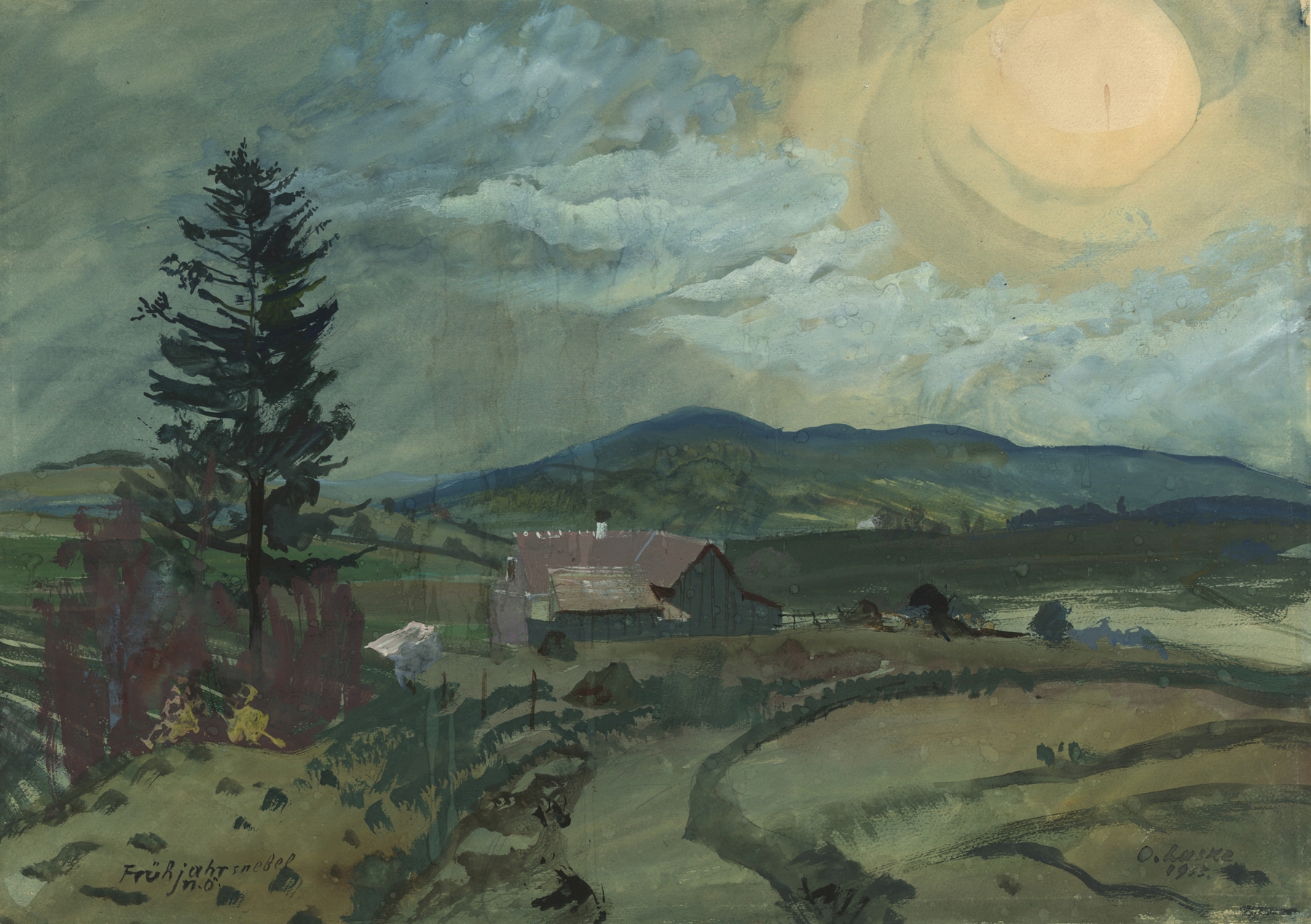
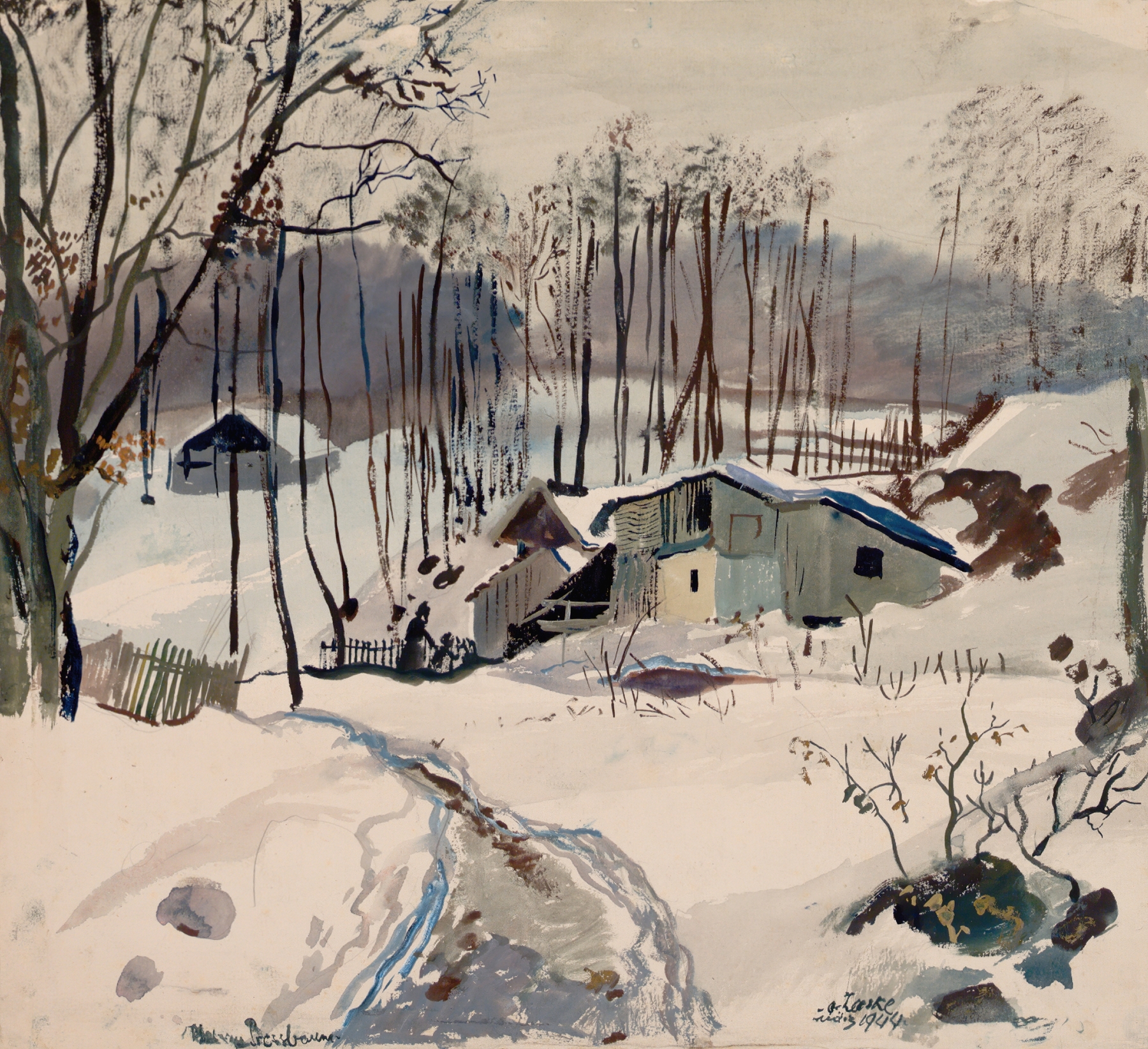
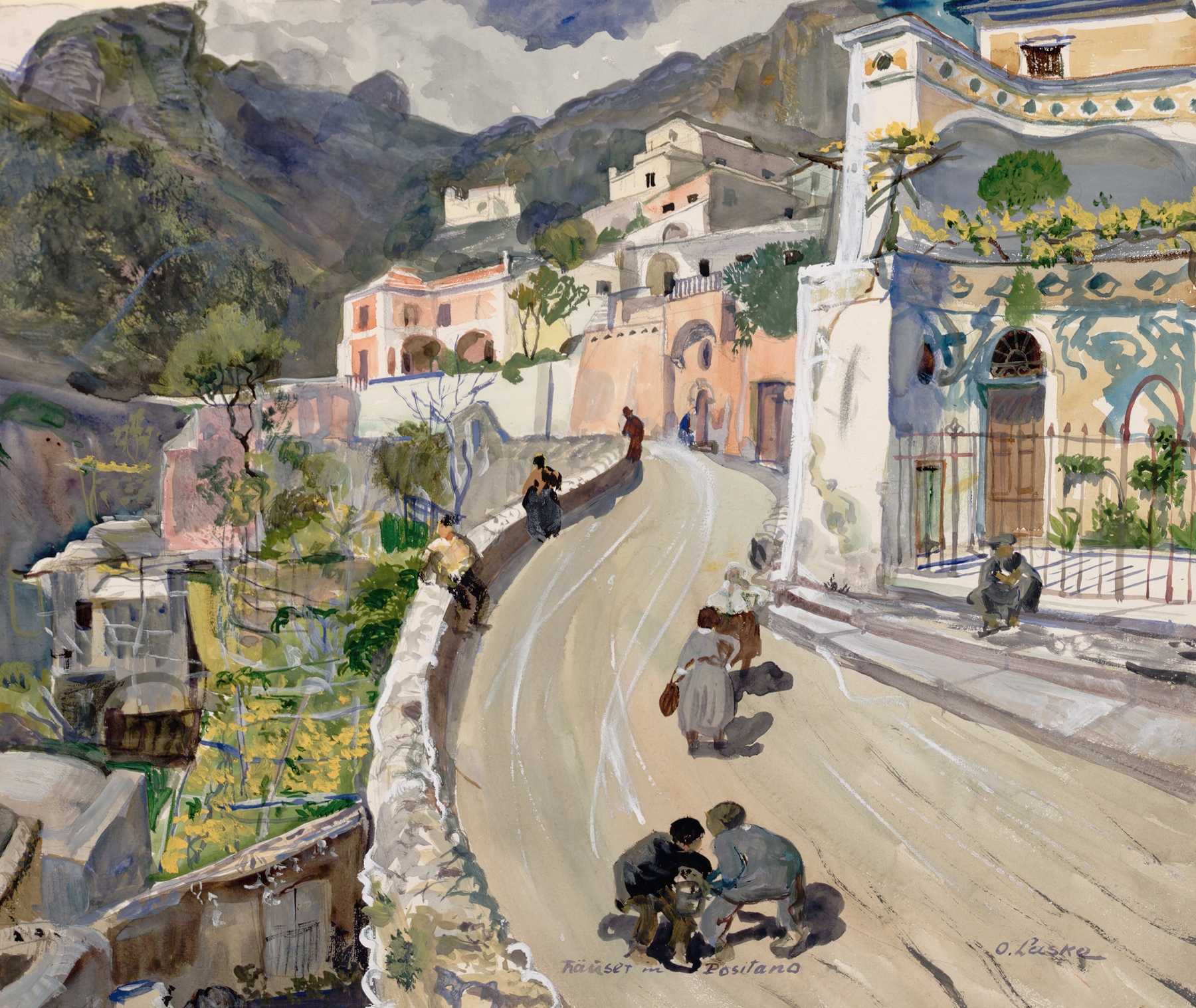
Who listens when art speaks of silence? In a world often drowned in noise, the quiet whispers of hope resonate through brush strokes and colors. Look to the left where the gentle flow of the Danube Canal is captured in muted blues and greens, reflecting the calm of an early morning. The soft light spills across the water, creating a shimmering path that invites the viewer’s gaze to wander with its rhythm.
Notice how the trees, painted in varying shades of green, frame the scene, their leaves swaying slightly in the breeze, while the lone figure standing on the bank, lost in thought, embodies solitude amidst nature’s embrace. In this serene moment, there lies an emotional tension between isolation and connection. The juxtaposition of the still water and the solitary figure suggests a yearning for contemplation and introspection. The reflections in the water serve as a metaphor for inner thoughts, echoing the hope that arises even in silence.
Each brushstroke delicately balances tranquility with an underlying pulse of life waiting to be expressed. Painted in 1930, during a time of political and social upheaval in Europe, the artist found solace in the beauty of nature amidst chaos. Working from his studio in Vienna, Oskar Laske sought to capture the fleeting moments of life along the canal, reflecting a deep understanding of the human condition. In a world grappling with uncertainty, this work stands as a testament to the enduring strength of hope found in quiet places.