Frühjahrsnebel in Niederösterreich — History & Analysis
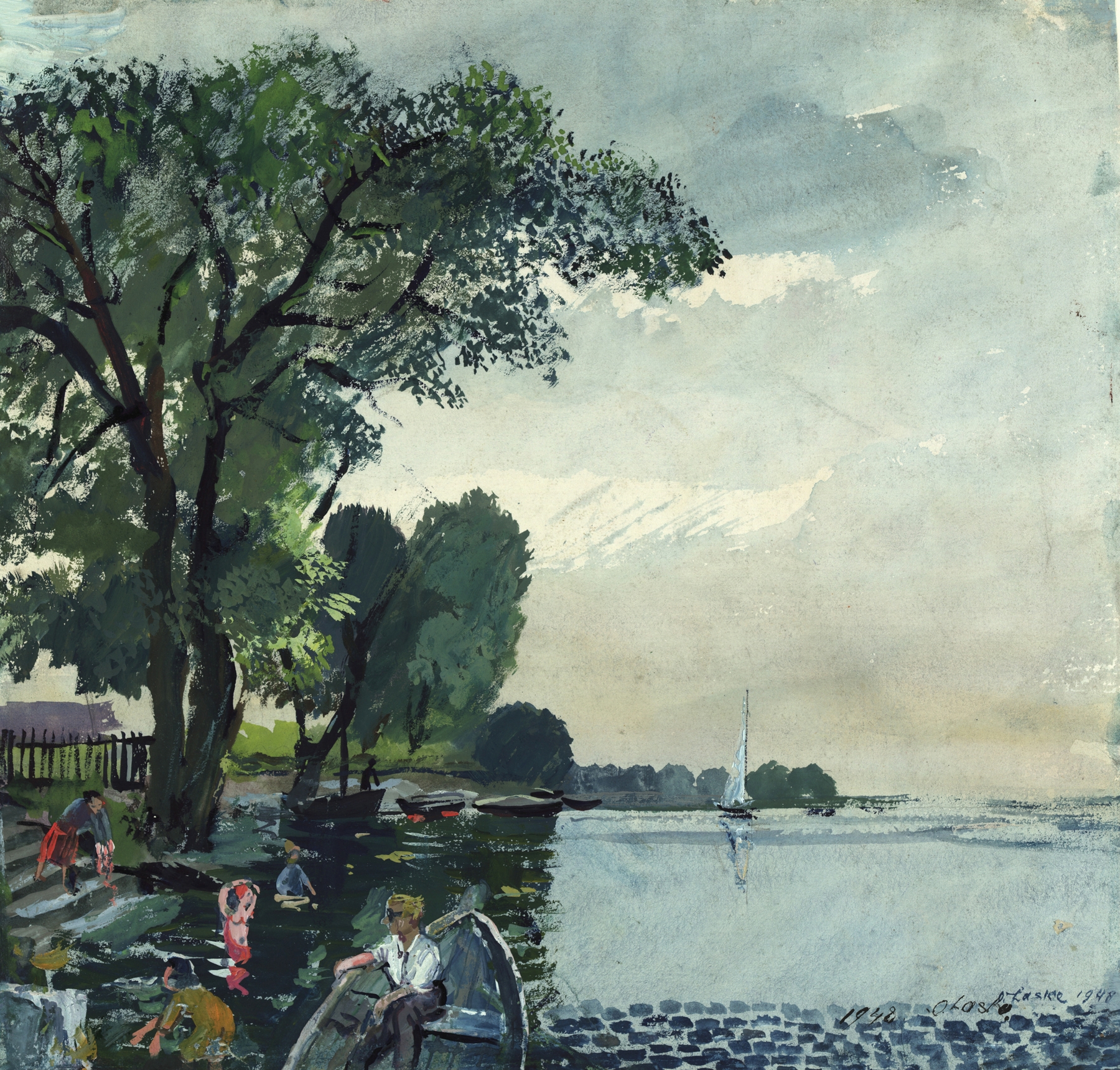
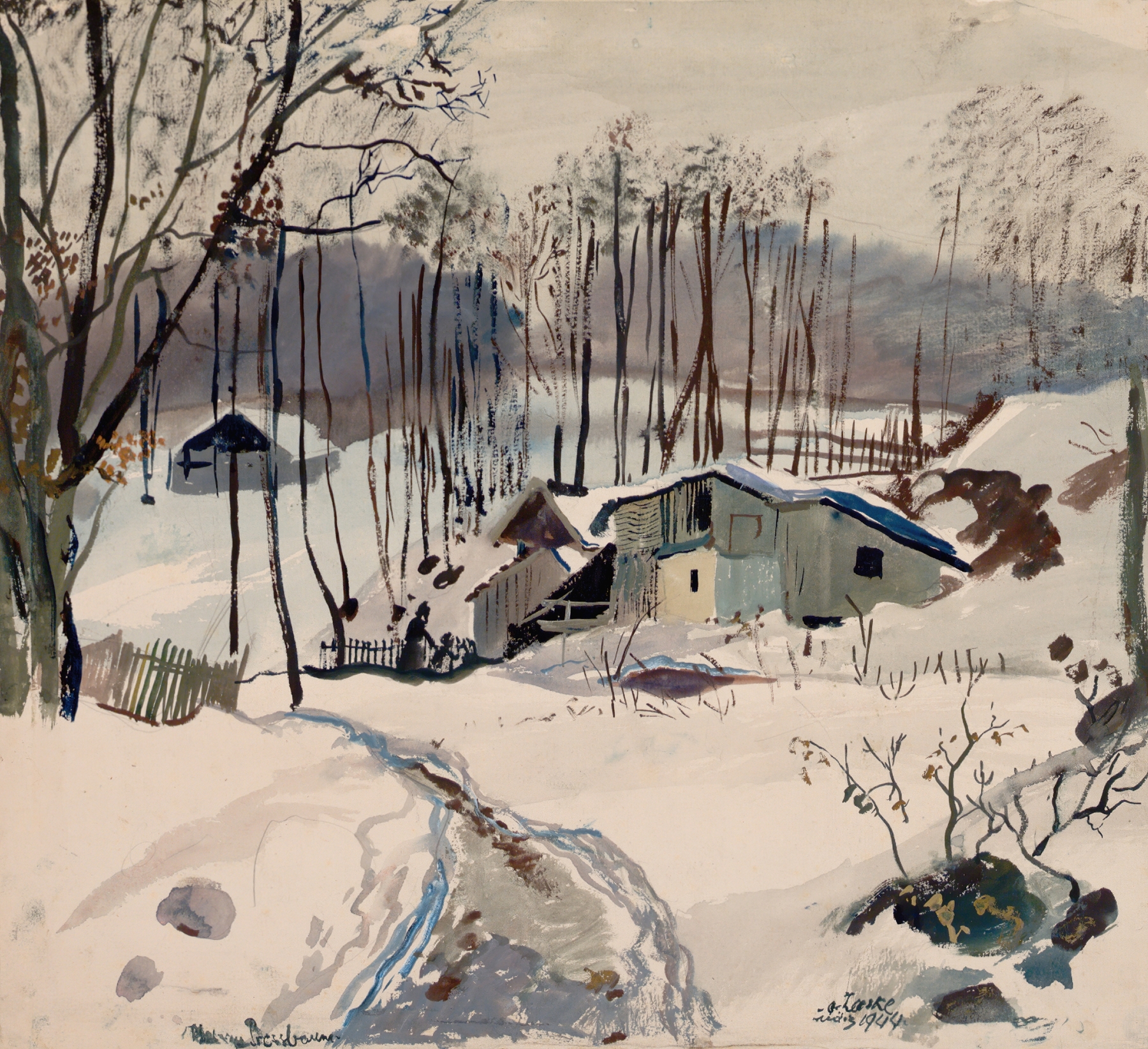
Can beauty exist without sorrow? Oskar Laske's Frühjahrsnebel in Niederösterreich wrestles with this question, embodying the tension between chaos and tranquility within the sweeping vistas of springtime mist. Begin by gazing at the horizon, where layers of soft, ethereal fog blanket the landscape, creating a dreamlike atmosphere. The muted color palette—a gentle interplay of greens and whites—invites you into a serene yet enigmatic world.
Notice the brushstrokes that suggest movement in the clouds, as if the mist is alive, swirling and dancing across the canvas, while the trees stand resilient, their dark forms emerging from the haze, anchoring the composition. Here, one can sense a deeper story. The fog can symbolize the weight of uncertainty, a lingering presence that obscures clarity. Yet, within this obscured vision lies the promise of renewal and the whispers of life awakening.
The contrast between the vibrant greenery and the enveloping gray speaks to the coexistence of hope and despair, where each element of the landscape yearns to break free from the confines of its own chaos. In 1933, Laske painted this work during a time of significant upheaval in Europe, as the shadows of political tension loomed large. His artistic practice was marked by a pursuit of new expressionism amidst the shifting tides of modernity. Working in Austria, he channeled the complex emotions of his era into his landscapes, revealing the profound connections between nature and the human experience.