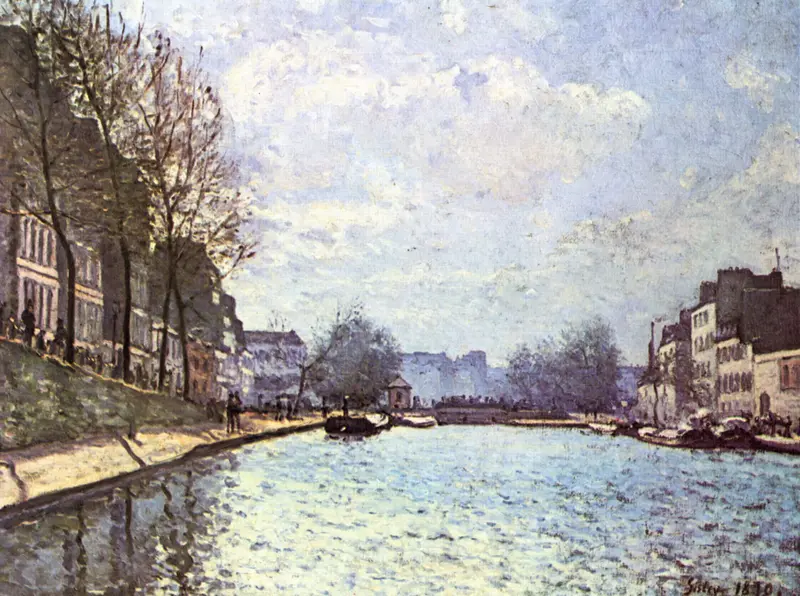
Maria Theresien-Denkmal mit Blick gegen das Burgtor — History & Facts
In the depths of obsession, memory twists and turns, capturing fleeting moments that refuse to fade. How do we immortalize our most cherished figures, and what weight do they carry in our hearts? Focus on the central monument, a towering figure cloaked in the solemnity of history. The rigid lines of the monument contrast sharply with the soft hues of surrounding foliage, drawing the eye to its imposing presence.
Notice how the light caresses the stone, illuminating details that speak of grandeur and the passage of time, while shadows play around the edges, hinting at the forgotten tales cradled in its embrace. This scene is a meditation on the tension between remembrance and the passage of time. The juxtaposition of the vibrant greenery against the cold stone reflects the duality of life and death, vitality and stagnation. Each brushstroke reveals not just the physical likeness of the monument, but also the emotional weight it carries — a testament to the complexities of legacy and the obsessive nature of remembrance itself. Created in 1940, the artist found inspiration in Vienna, a city steeped in history and political turmoil.
During this period, Europe was on the brink of war, and the somber mood permeated the artistic landscape. Laske’s work emerged in a time when the past weighed heavily on the present, capturing both a longing for heritage and an acute awareness of the turmoil that threatened to erase it.
More Artworks by Oskar Laske

Faschingsumzug am Stock im Eisen Platz
Oskar Laske
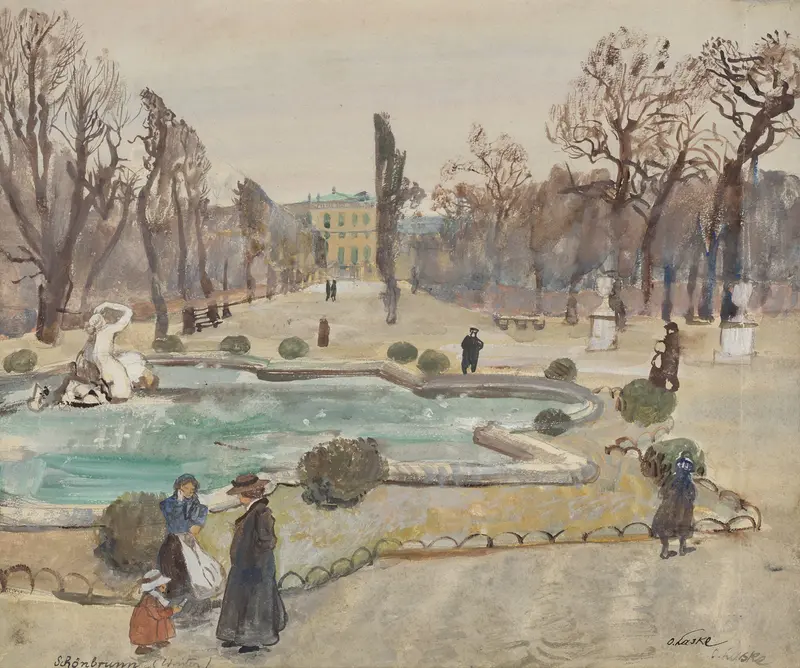
Schönbrunn (Winter)
Oskar Laske
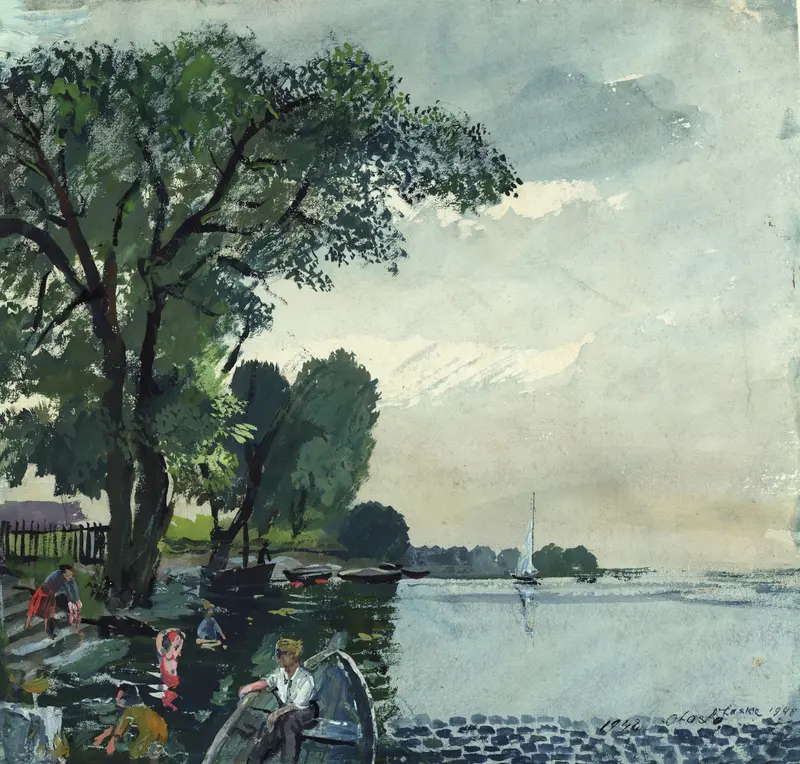
Pratermotiv an der alten Donau
Oskar Laske
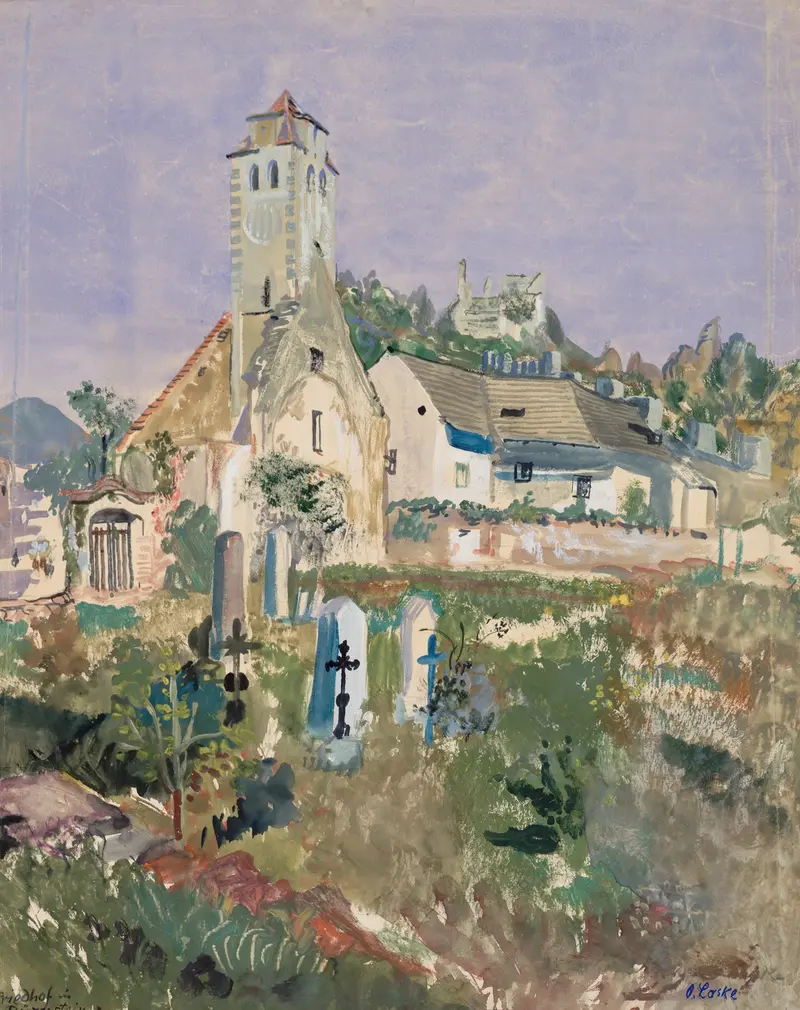
Friedhof in Dürnstein
Oskar Laske
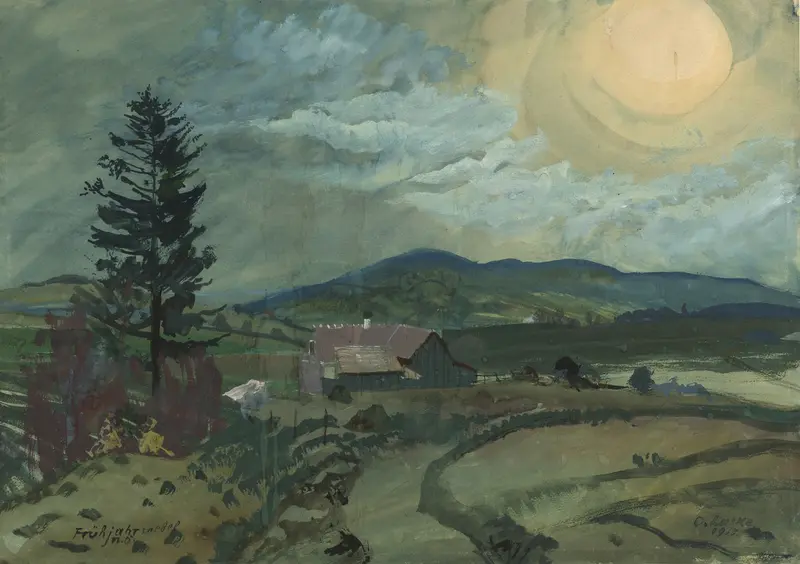
Frühjahrsnebel in Niederösterreich
Oskar Laske
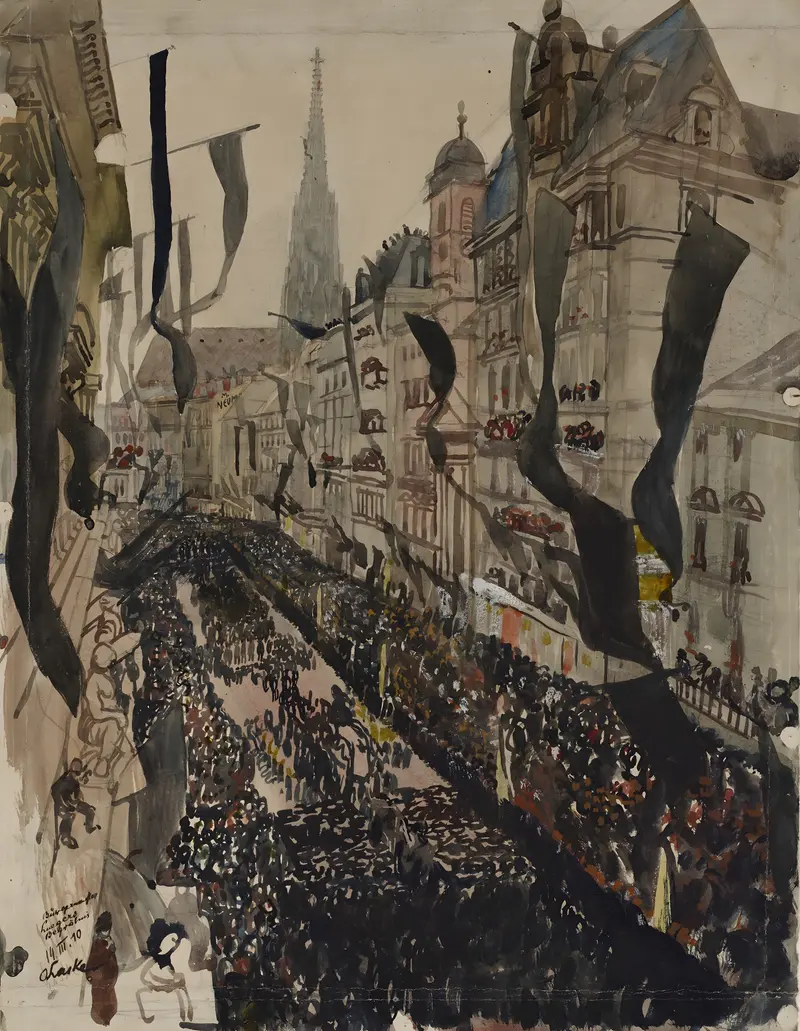
Begräbnis des Wiener Bürgermeisters Dr. Karl Lueger
Oskar Laske
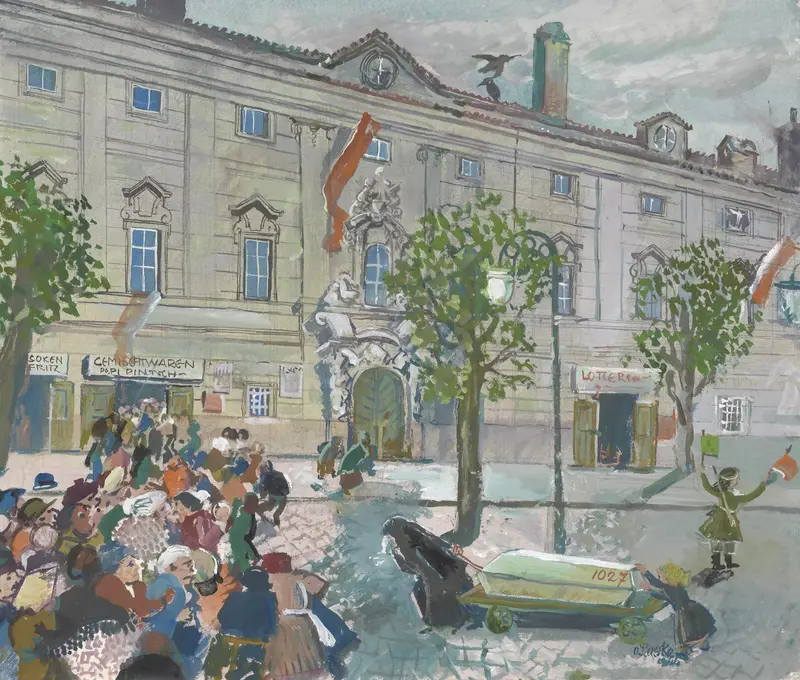
Wiener Straßenbild vom Mai 1945
Oskar Laske
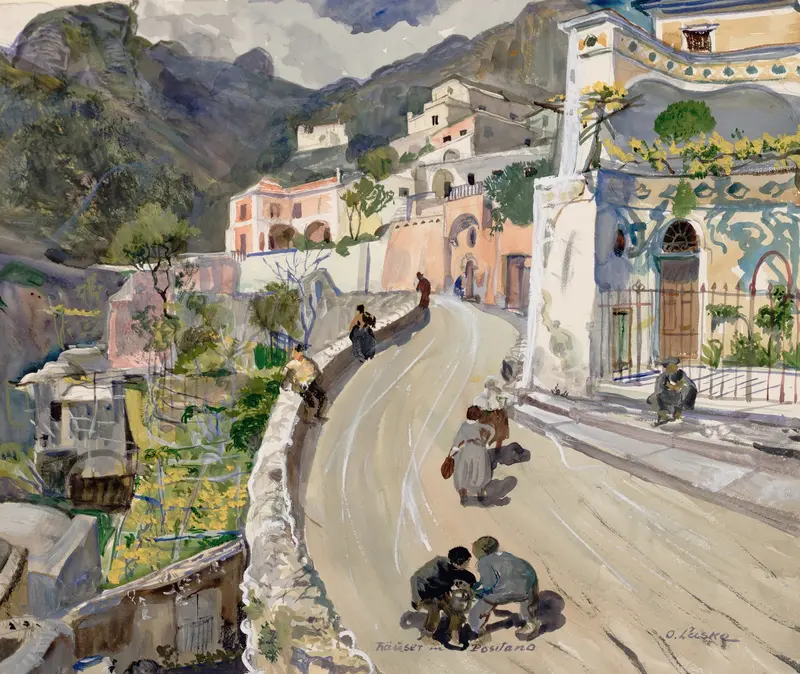
Ansicht von Positano
Oskar Laske
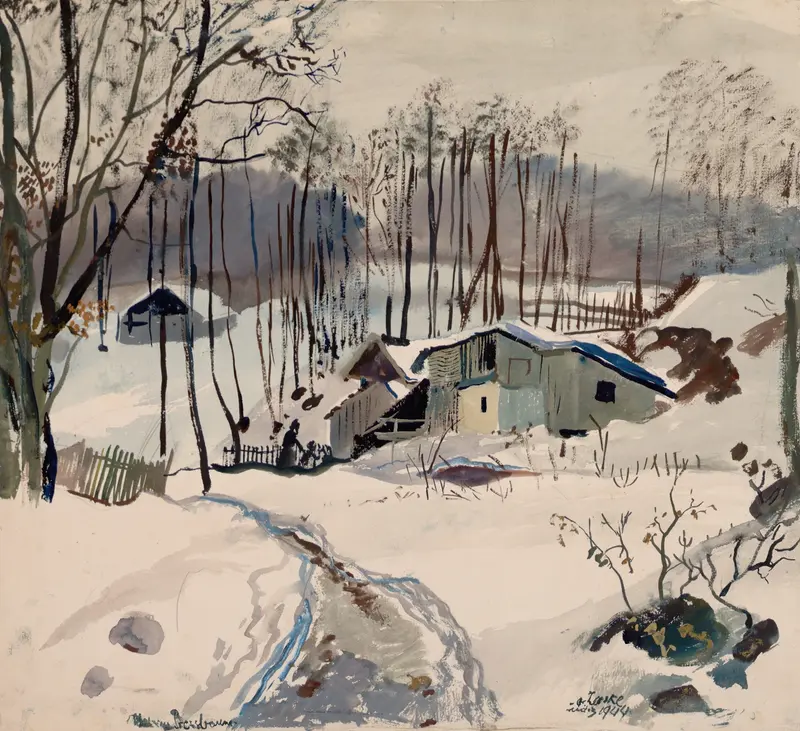
Winterlandschaft in Pressbaum
Oskar Laske
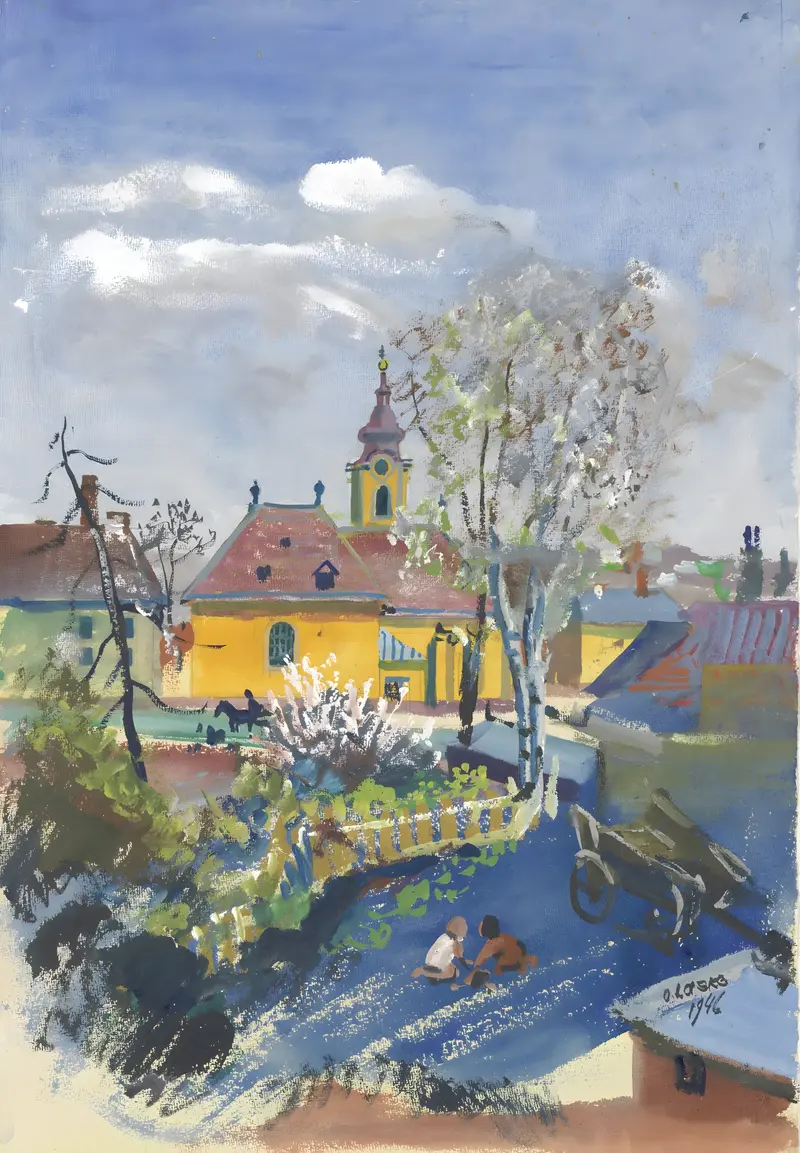
Frühjahr 1946 in Ober St. Veit (Blick auf die Pfarrkirche)
Oskar Laske