Faschingsumzug am Stock im Eisen Platz — History & Analysis
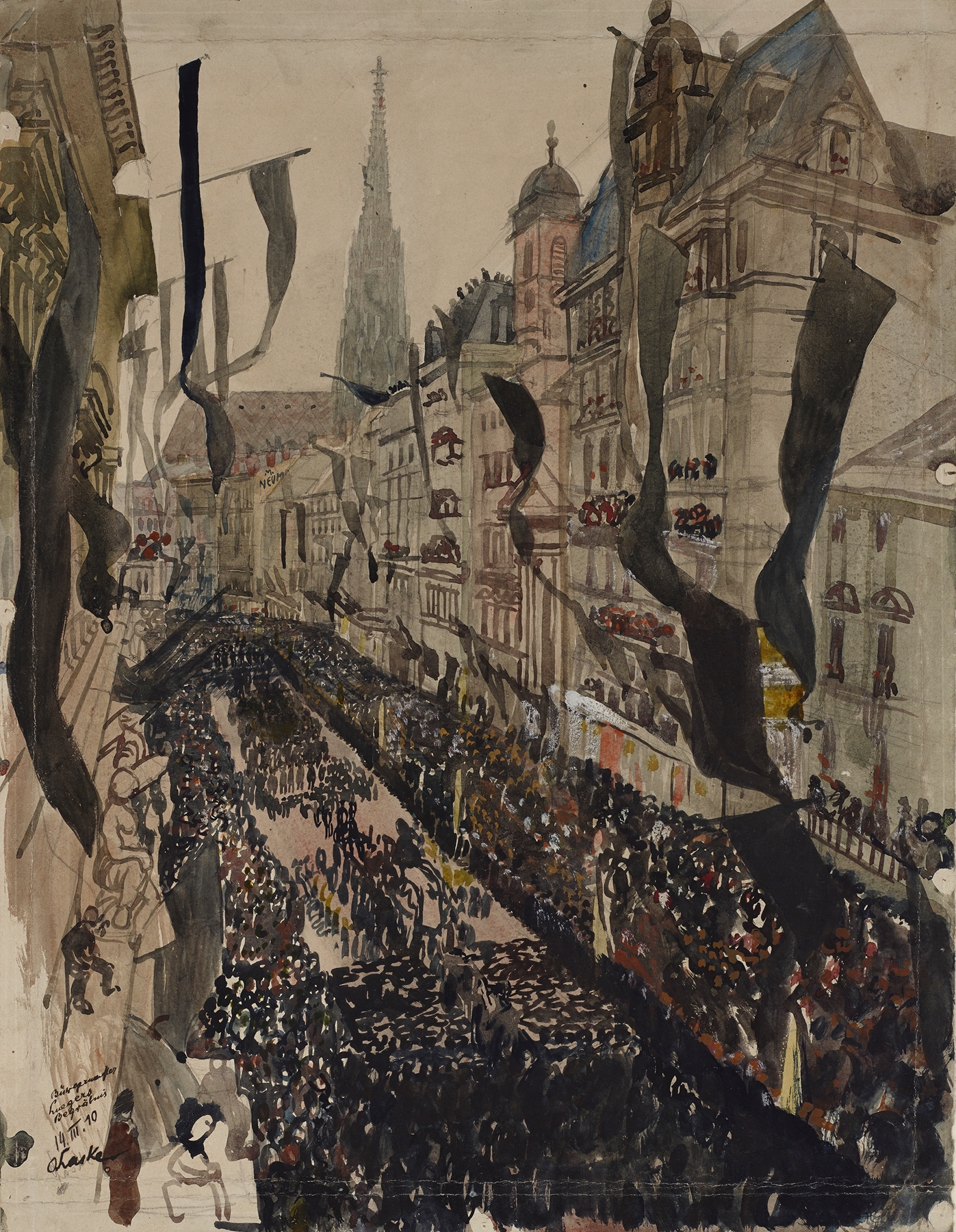
Can paint confess what words never could? In the stillness of Faschingsumzug am Stock im Eisen Platz, a serene celebration unfolds, capturing the very essence of joy amidst the shadows of 1939. Look to the center of the canvas, where vibrant figures in festive garb dance and twirl, their expressions alive with laughter. Notice how the colors — a kaleidoscope of reds, yellows, and blues — blend harmoniously, creating a palpable warmth that envelops the scene. The brushstrokes are lively yet precise, lending a sense of rhythmic movement that echoes the spirit of carnival.
Light plays across the faces, illuminating moments of connection and joy, inviting the viewer to partake in this communal embrace of life. Yet beneath this buoyant exterior lies an undercurrent of tension. The juxtaposition of joyous revelry against the historical backdrop of Europe on the brink of conflict casts a poignant shadow over the festivities. Each mask worn by the participants becomes a metaphor for the masks society wears, concealing deeper fears and uncertainties.
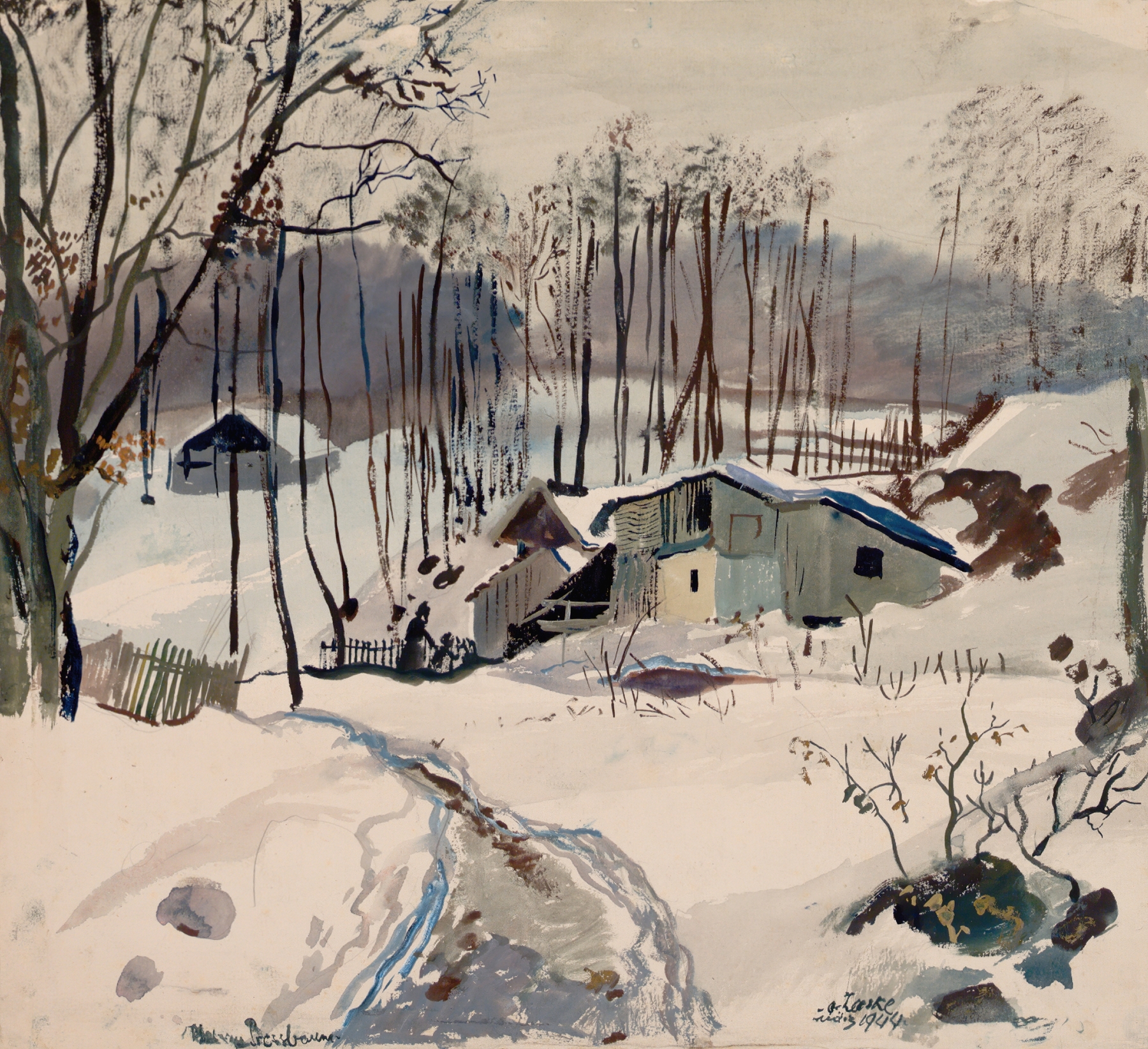
The ever-watchful trees stand sentry, their branches reaching towards the sky, suggesting both freedom and the fragility of the moment. In 1939, Oskar Laske created this piece while living in Austria, a place saturated with cultural vibrancy yet on the verge of turmoil. The art world was grappling with shifts in ideology and technique, as movements like Expressionism and Surrealism began to challenge traditional forms. Laske’s work captures a fleeting moment of peace and togetherness, seemingly unaware of the impending storm, yet resonating with an enduring sense of humanity that transcends time.