Amurissaa (Golden Temple in Amritsar) — History & Analysis
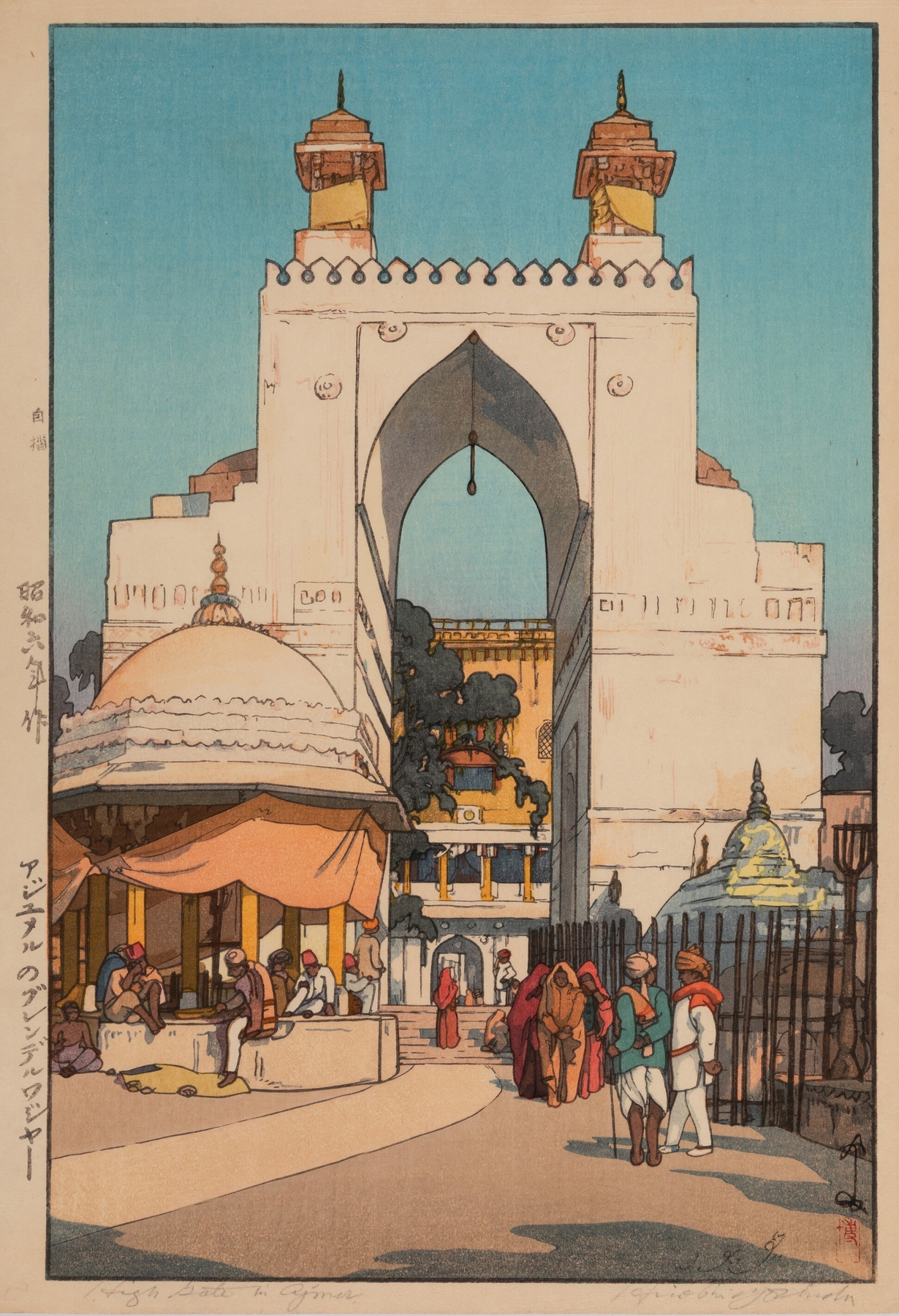
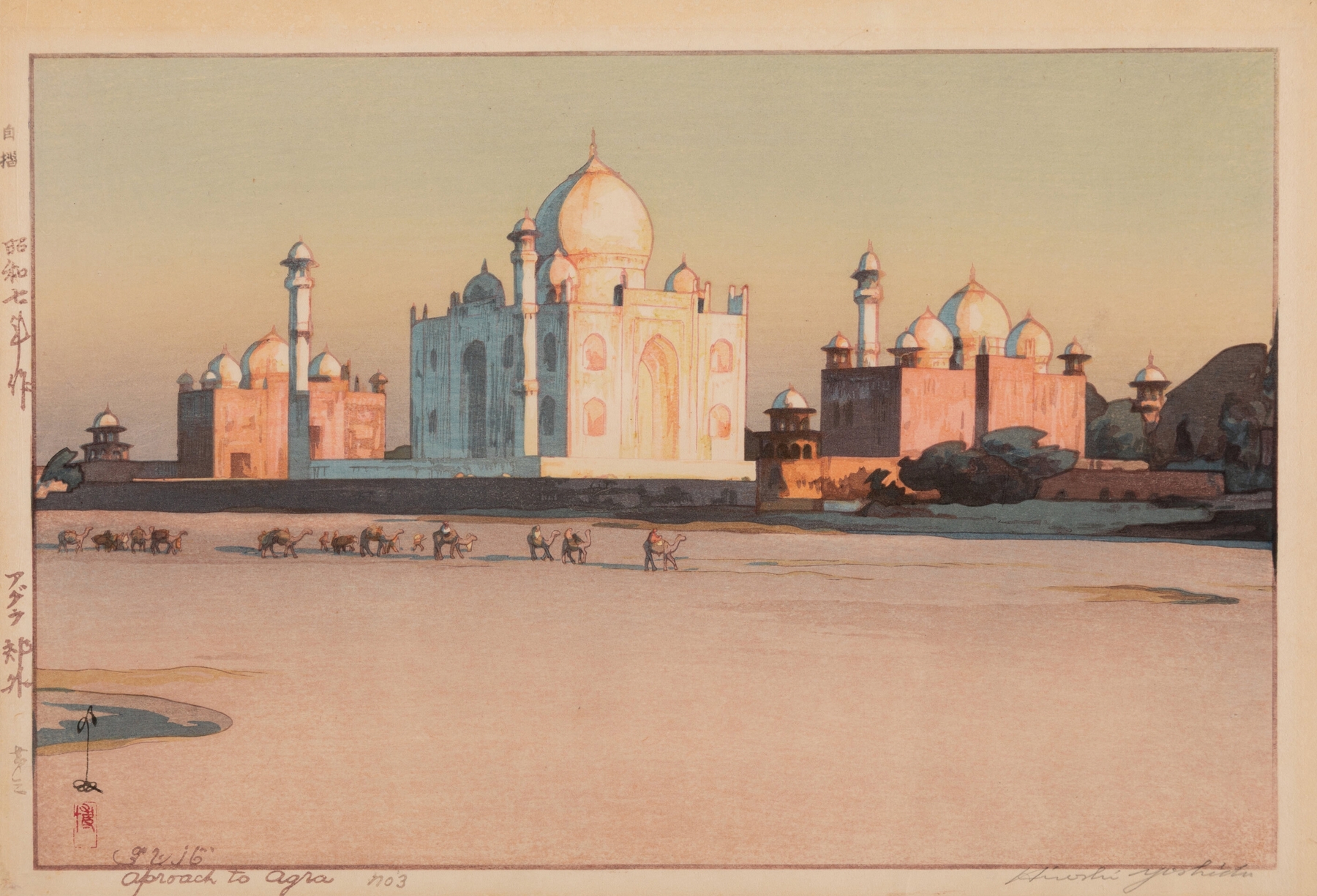
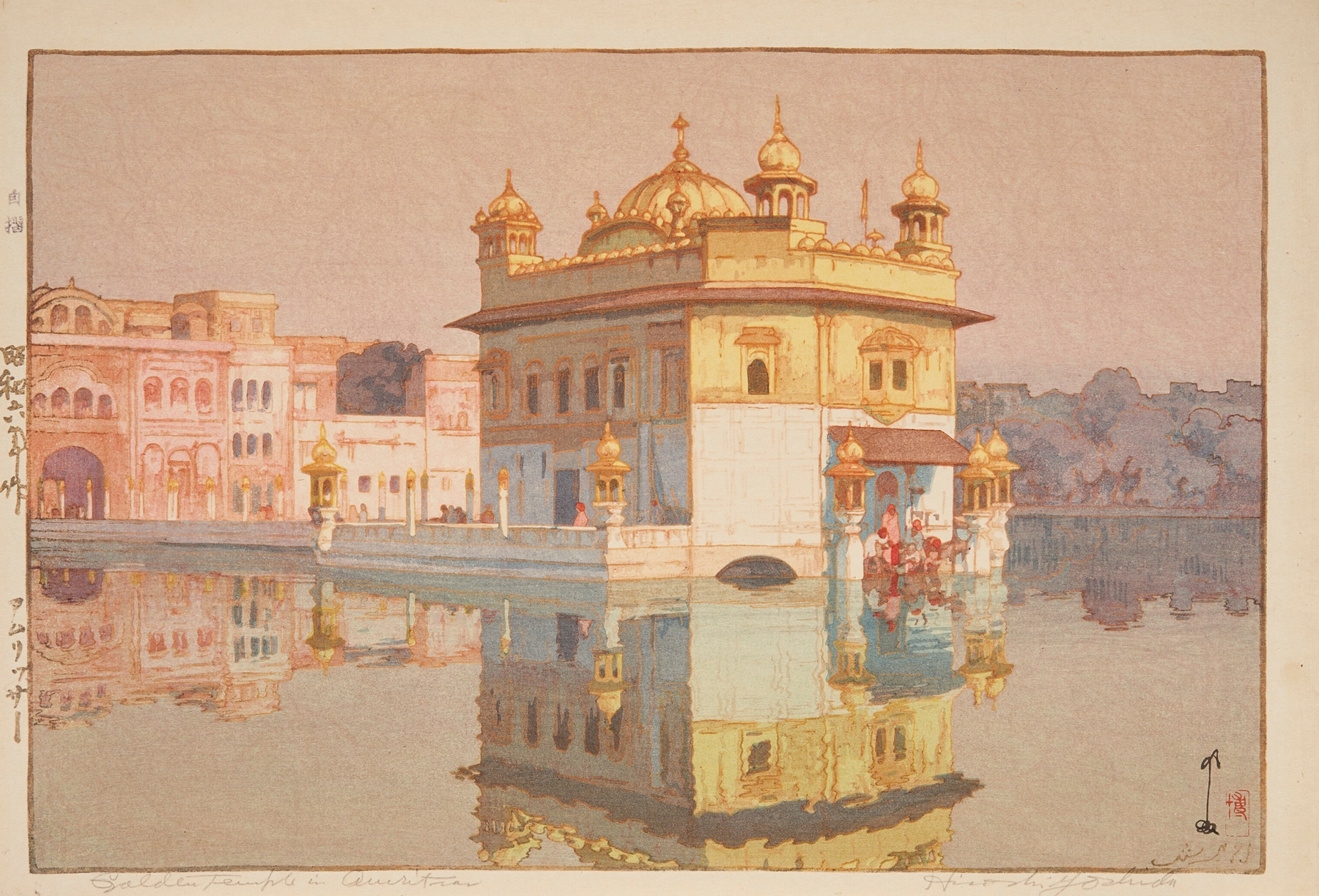
Can beauty exist without sorrow? In *Amurissaa (Golden Temple in Amritsar)*, vivid hues dance gracefully, inviting the viewer to explore the intricate relationship between joy and melancholy. Focus on the luminous gold of the temple itself, which stands as a beacon amidst a serene backdrop of deep blues and gentle whites. The artist utilizes a delicate blend of color to create a harmonious atmosphere, with the temple's reflection shimmering in the water below, drawing our gaze to the tranquil surface that mirrors the divine. Notice how the brushwork varies, from the smooth strokes that depict the temple’s ornate façade to the more expressive strokes around the water, capturing a sense of movement and life. Hidden within this serene beauty lies an emotional complexity. The juxtaposition of the vibrant, golden temple against the calm, flowing waters hints at the transient nature of life and spirituality. Each ripple in the water seems to whisper stories of devotion while also reminding us of the inevitable passage of time. The colors, though radiant, may evoke a sense of longing, suggesting that even in beauty, there exists an undercurrent of sorrow. In 1931, Yoshida Hiroshi painted this work during a period of significant artistic exploration in Japan. The artist was immersed in the Shin-hanga movement, which sought to blend traditional Japanese aesthetics with Western techniques. This era was marked by a growing global awareness, and his work reflects both a reverence for cultural heritage and a desire to innovate within the medium.