High Gate in Ajmer (Ajumeru no Berenderuwajaa) — History & Analysis
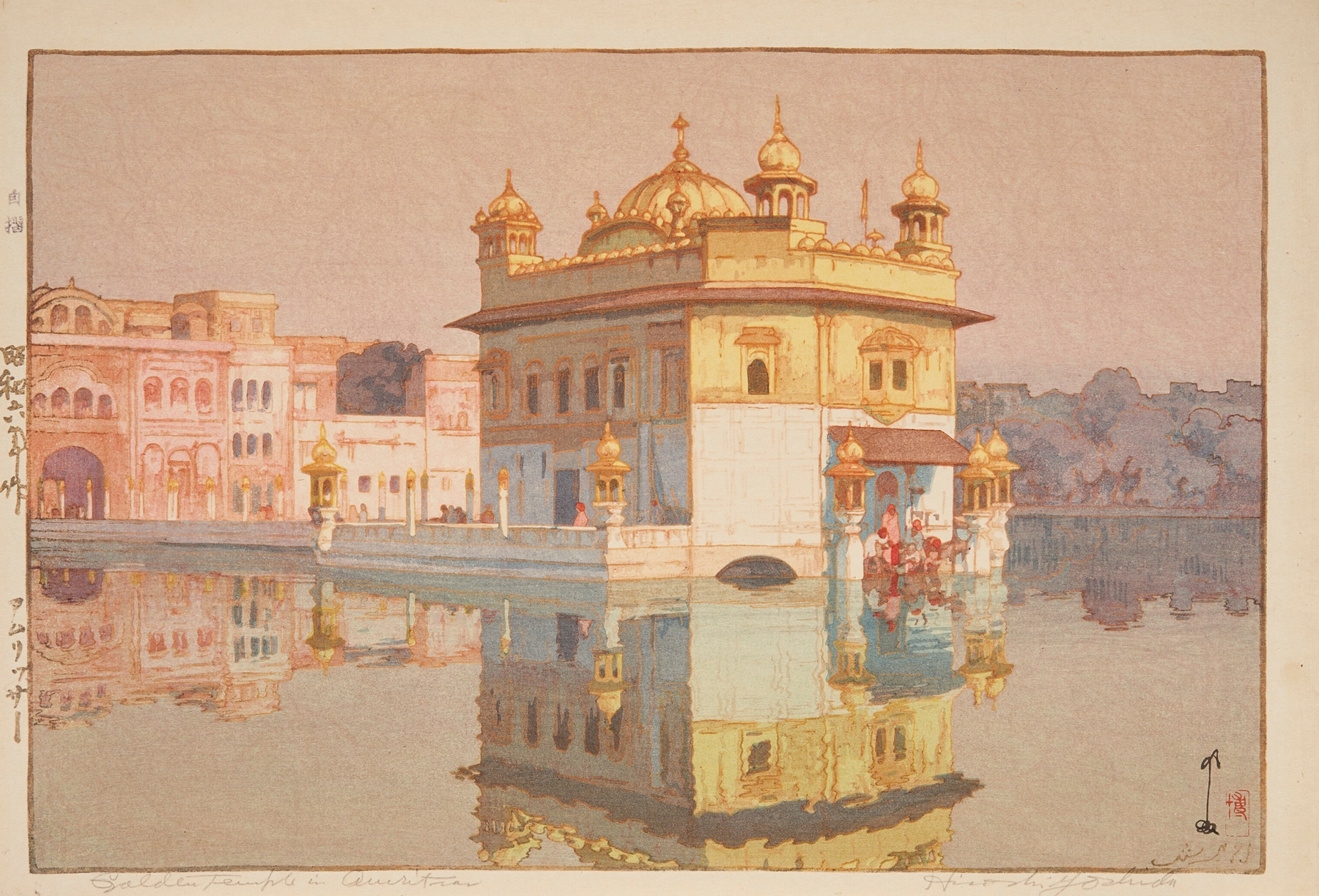
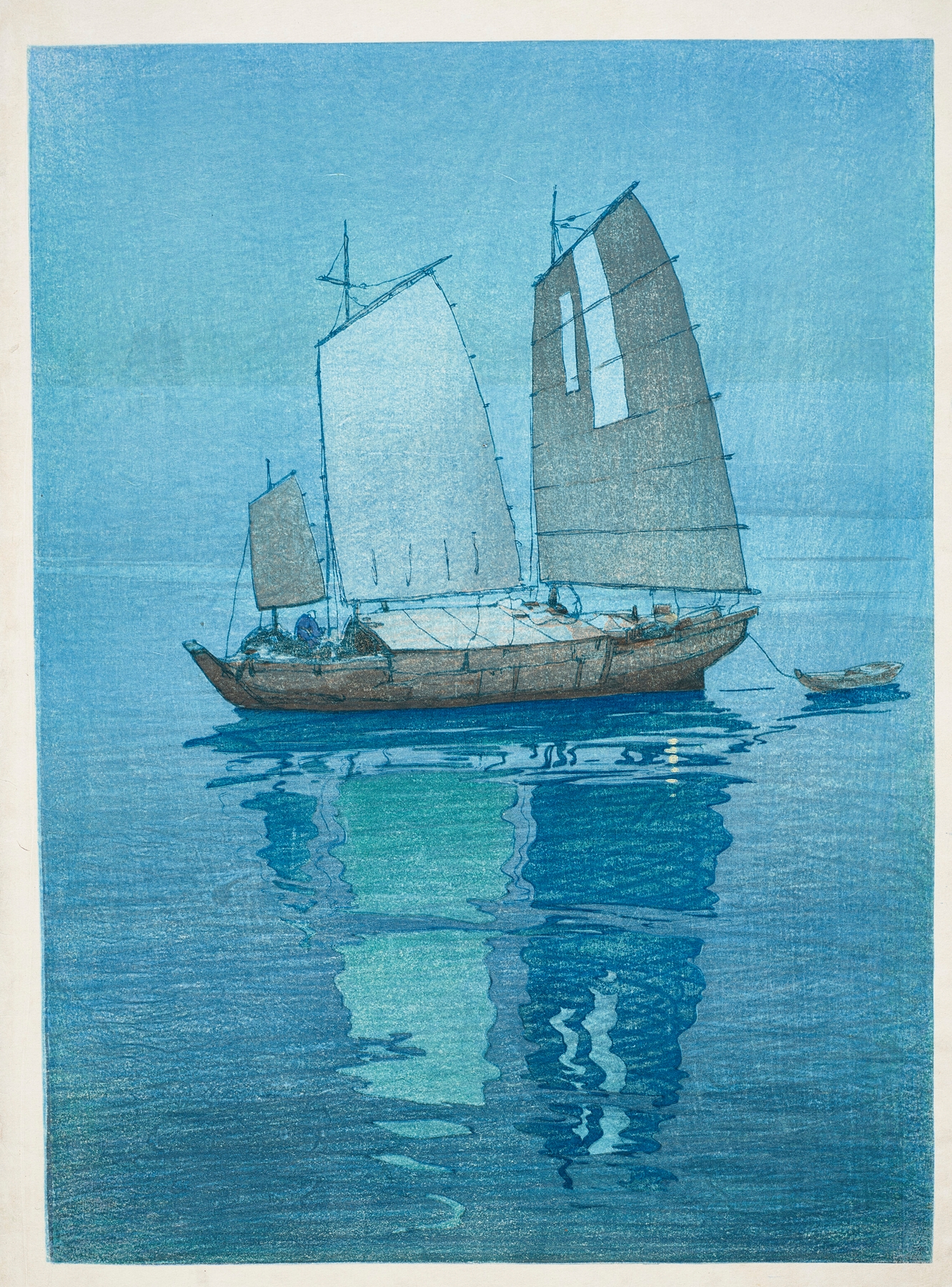
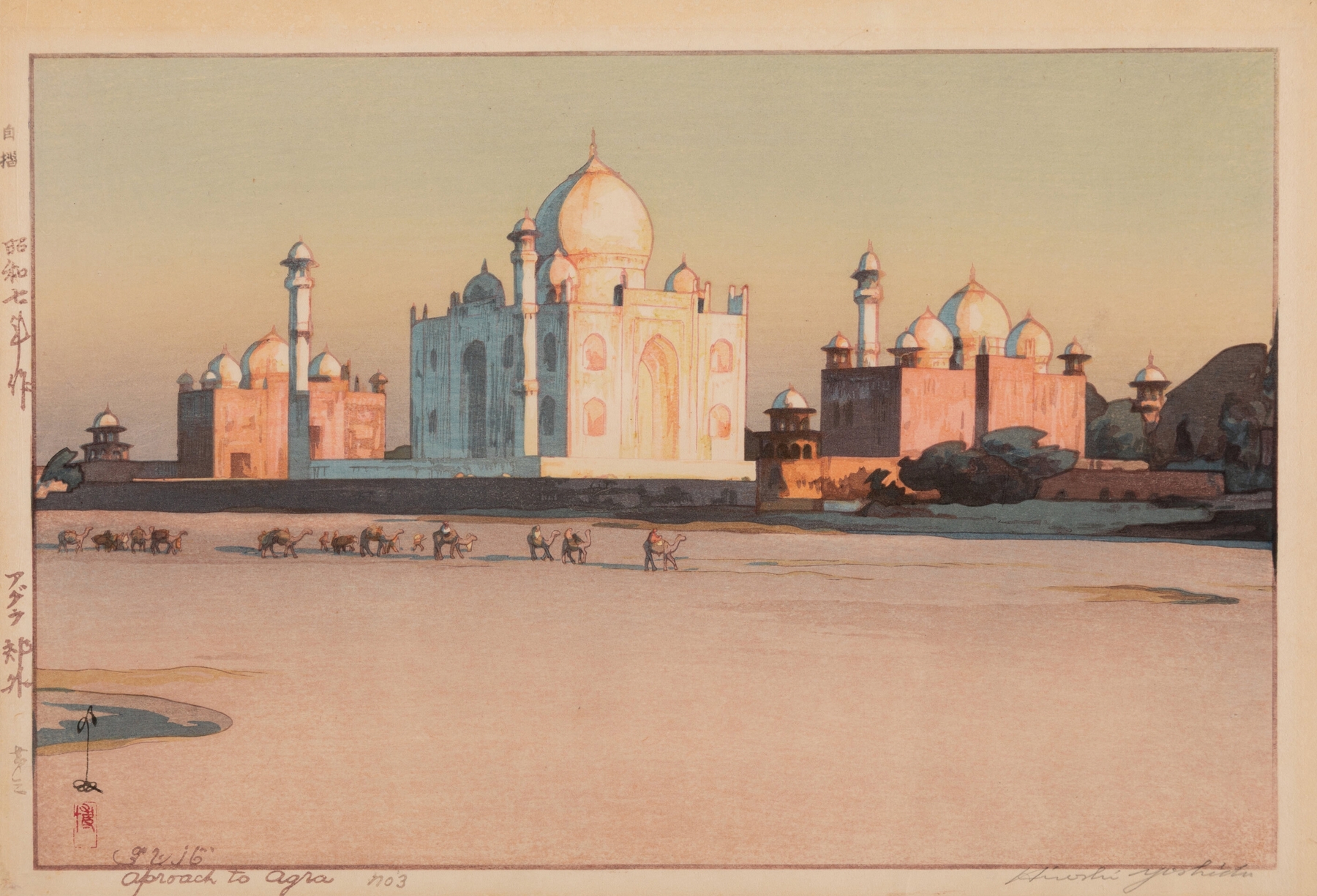
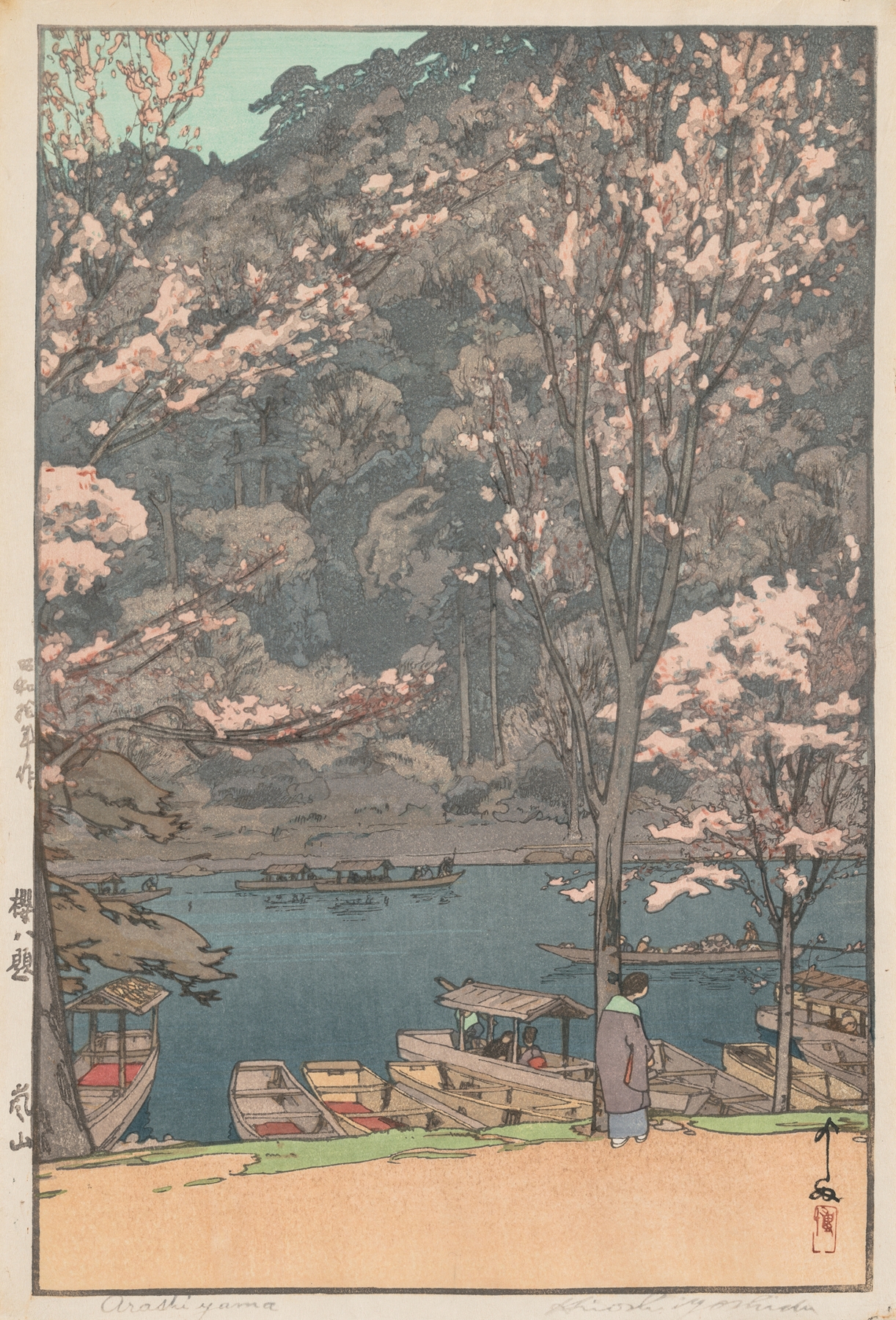
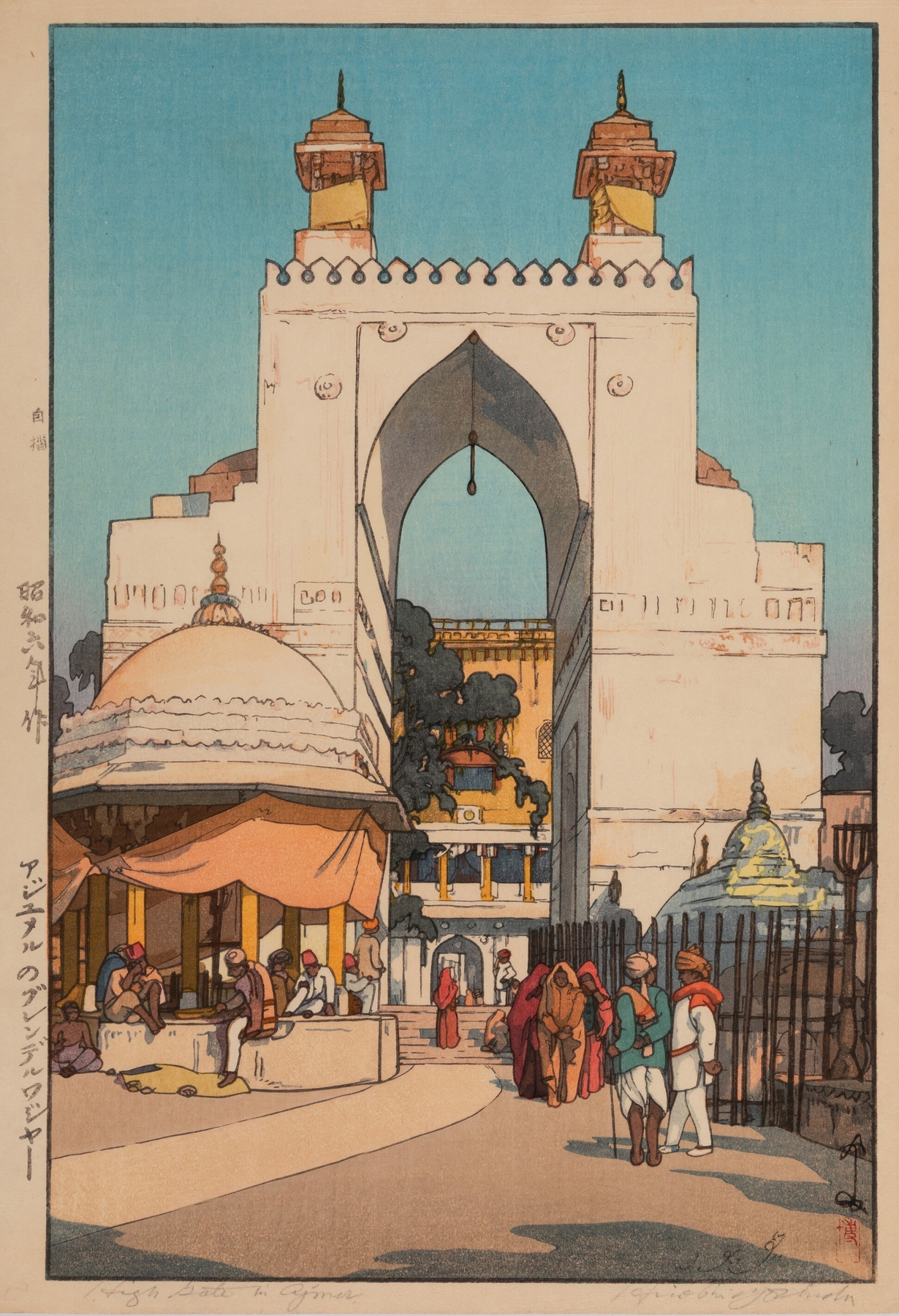
“Every brushstroke is a heartbeat remembered.” In the quiet corners of our lives, we often encounter the echoes of places long gone, wrapped in a gentle shroud of melancholy. Look to the center, where the archway rises, a solemn gateway that invites both the sun's light and the shadows of memory. Notice how the warm, golden hues of the early morning sun bathe the walls, contrasting with the cool blues and muted grays that suggest a silent reverie. The meticulous detail in the stonework speaks of time's passage, while the solitary figures, rendered delicately, convey a sense of stillness amidst the backdrop of a vibrant landscape. Within this artwork lies a poignant exploration of solitude and nostalgia. The juxtaposition of the sturdy arch and the ephemeral presence of the figures speaks to the tension between permanence and transience. Each element whispers stories of travelers past, leaving behind traces of their journeys, echoing in the stillness of the scene. The atmospheric perspective enhances this emotional depth, inviting viewers to reflect on their own experiences of longing and remembrance. Created in 1931, this piece emerged during a transformative time for the artist, who was deeply influenced by traditional Japanese methods while also embracing modern sensibilities. Working in Japan, Yoshida Hiroshi sought to blend Eastern aesthetics with Western techniques, as he navigated a world where art was a bridge between cultures and eras. This artwork encapsulates the essence of that journey, inviting a dialogue between the old and the new, the familiar and the wistfully distant.