Kashiwabara no yuki (Snow at Kashiwabara) — History & Analysis
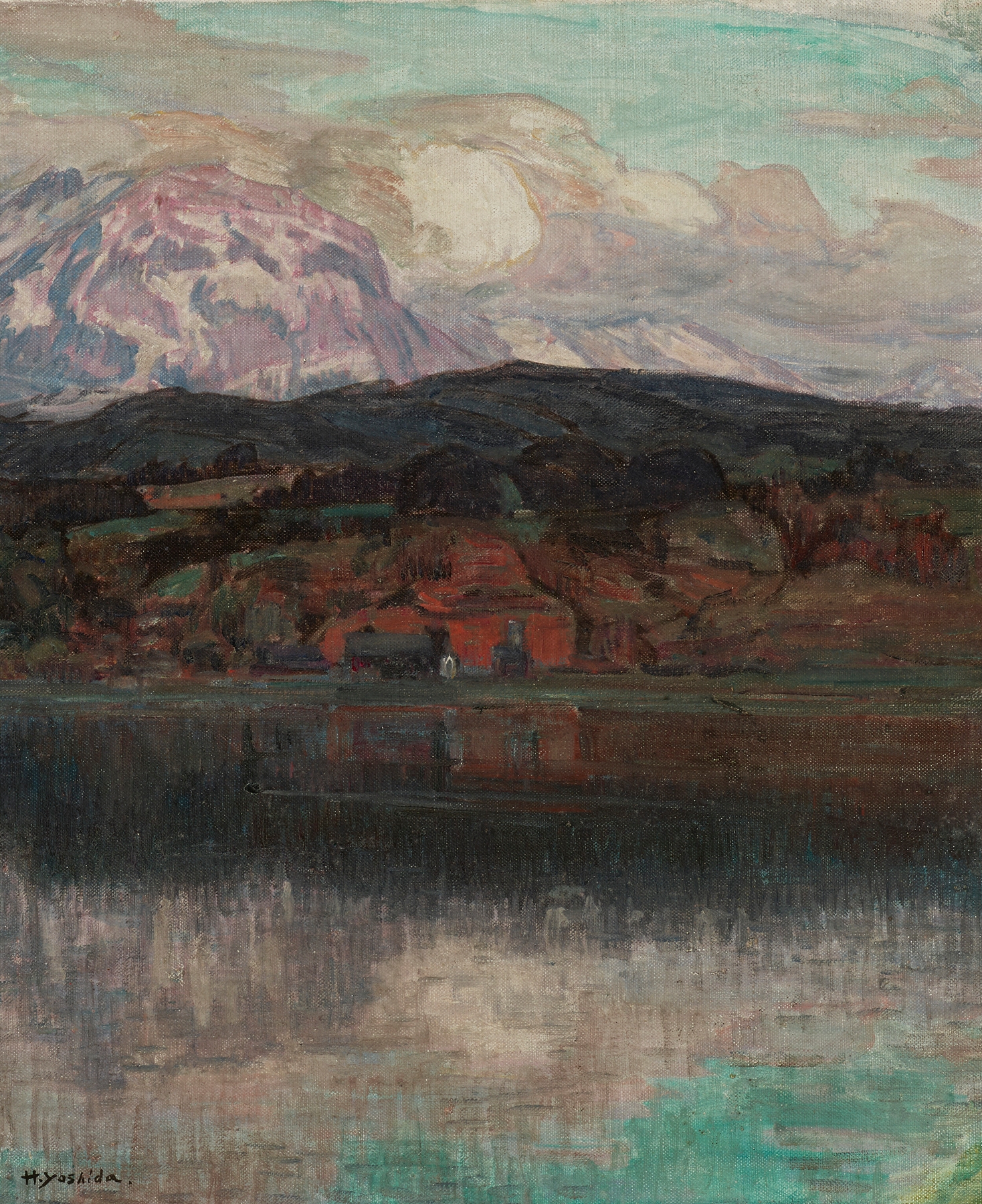
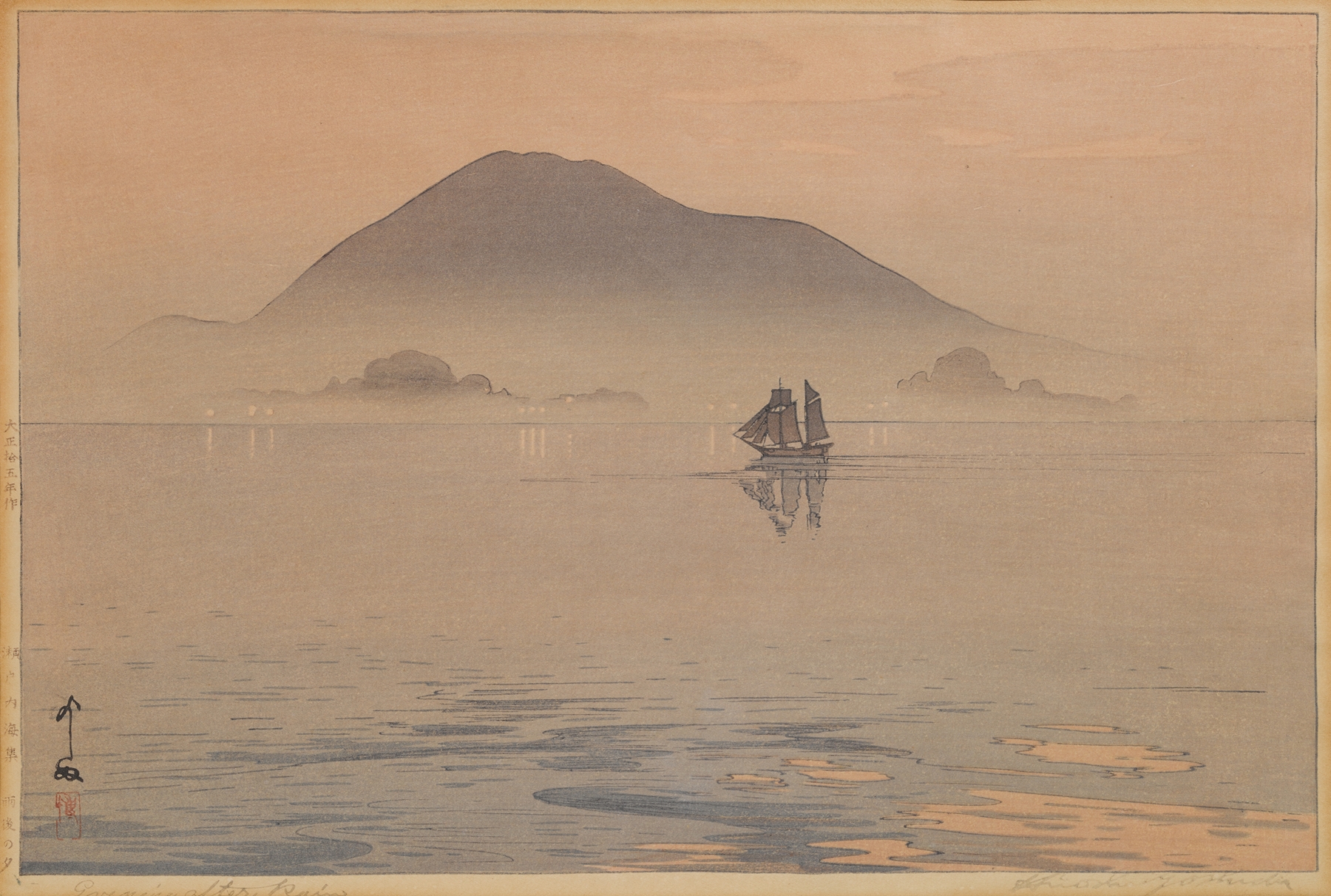
“Sometimes beauty is just pain, disguised in gold.” The delicate serenity enveloping Kashiwabara no yuki speaks to this truth, where a tranquil winter landscape masks an underlying stillness that echoes deeper emotions. Focus on the foreground where soft, powdery snow blankets a quaint village, its rooftops heavy with white. Notice how the gentle blues and muted grays of the sky merge seamlessly with the landscape, creating a harmonious balance that invites contemplation.
The intricate woodblock printing technique brings forth crisp edges and subtle textures, revealing delicate details in the trees and distant mountains that frame this serene scene. As you absorb the imagery, consider the stark contrasts present: the warmth of the wooden structures juxtaposed against the coldness of the snow; the quietude of the village life set against the looming mountains that seem to guard this serene existence. Each element carries a profound weight, hinting at stories and lives intertwined with nature, where silence becomes a powerful form of expression, and beauty is tinged with the chill of solitude.
In 1927, while creating this piece, the artist found himself in a Japan rejuvenating after the tumult of the Great Kanto Earthquake. As a prominent figure in the shin hanga movement, he sought to capture the essence of traditional beauty, melding modern techniques with classical themes. This painting reflects not only the landscape but also a national spirit rising anew, weaving together moments of stillness and hope after a period of upheaval.