An Evening Calm — History & Analysis
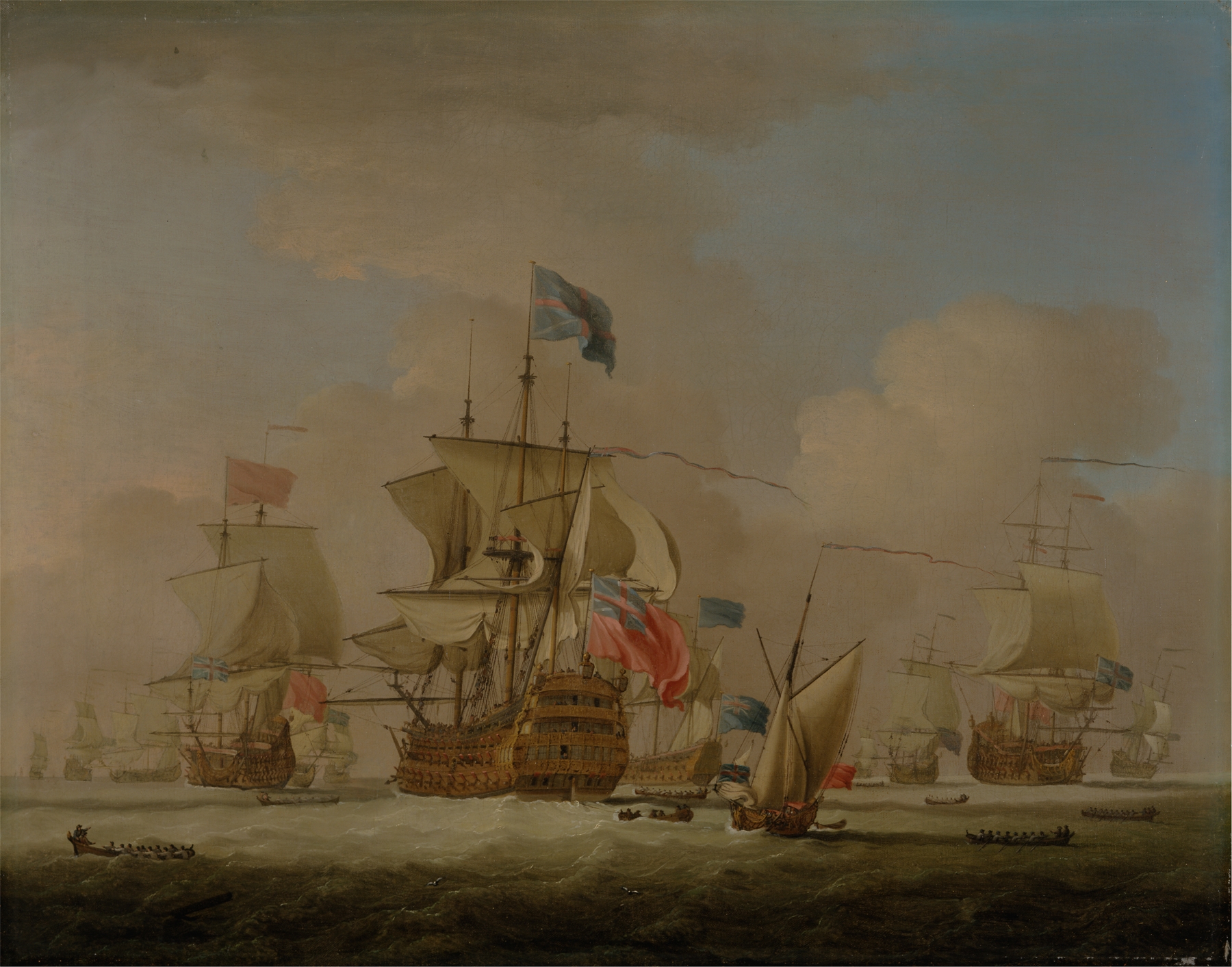
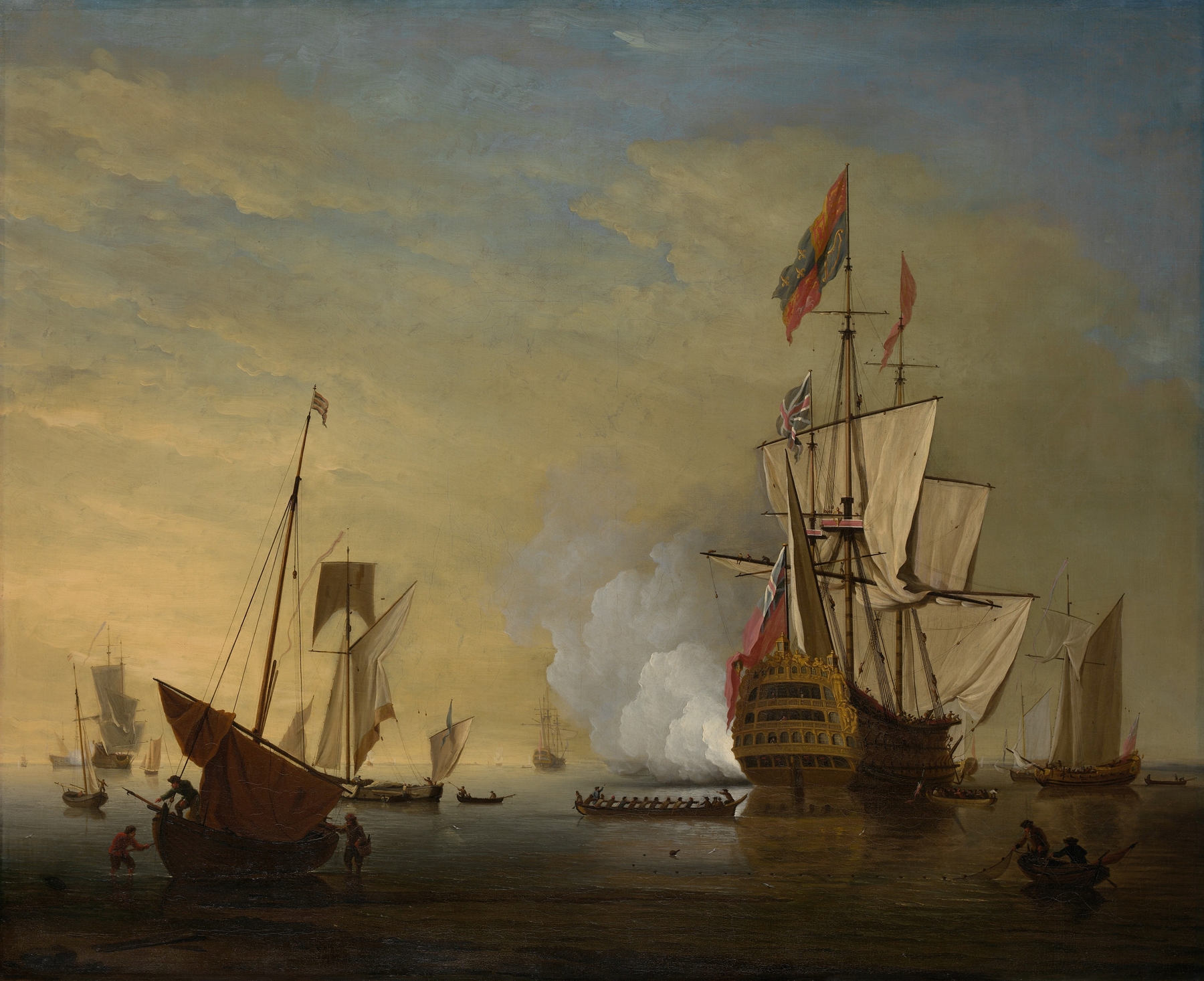
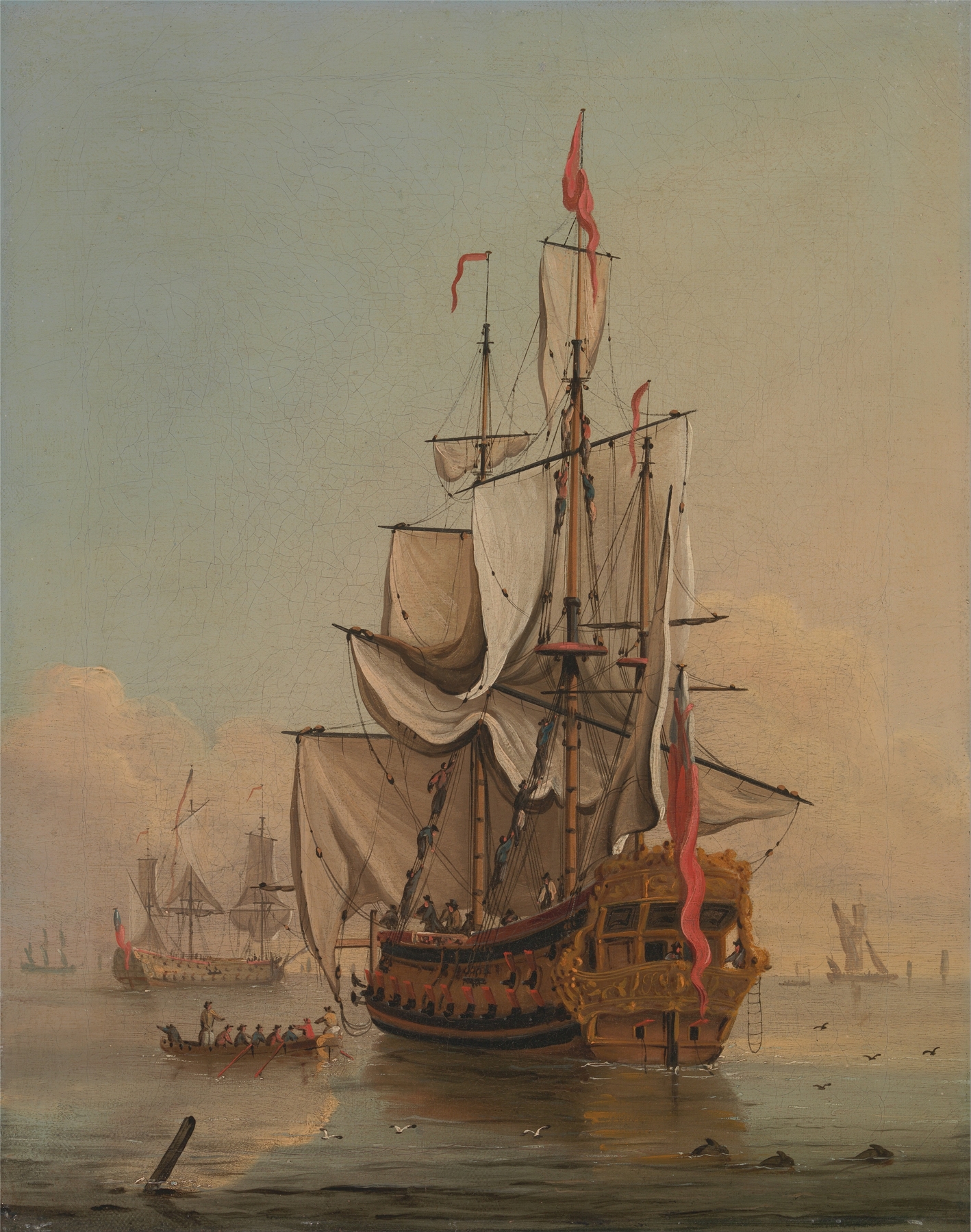
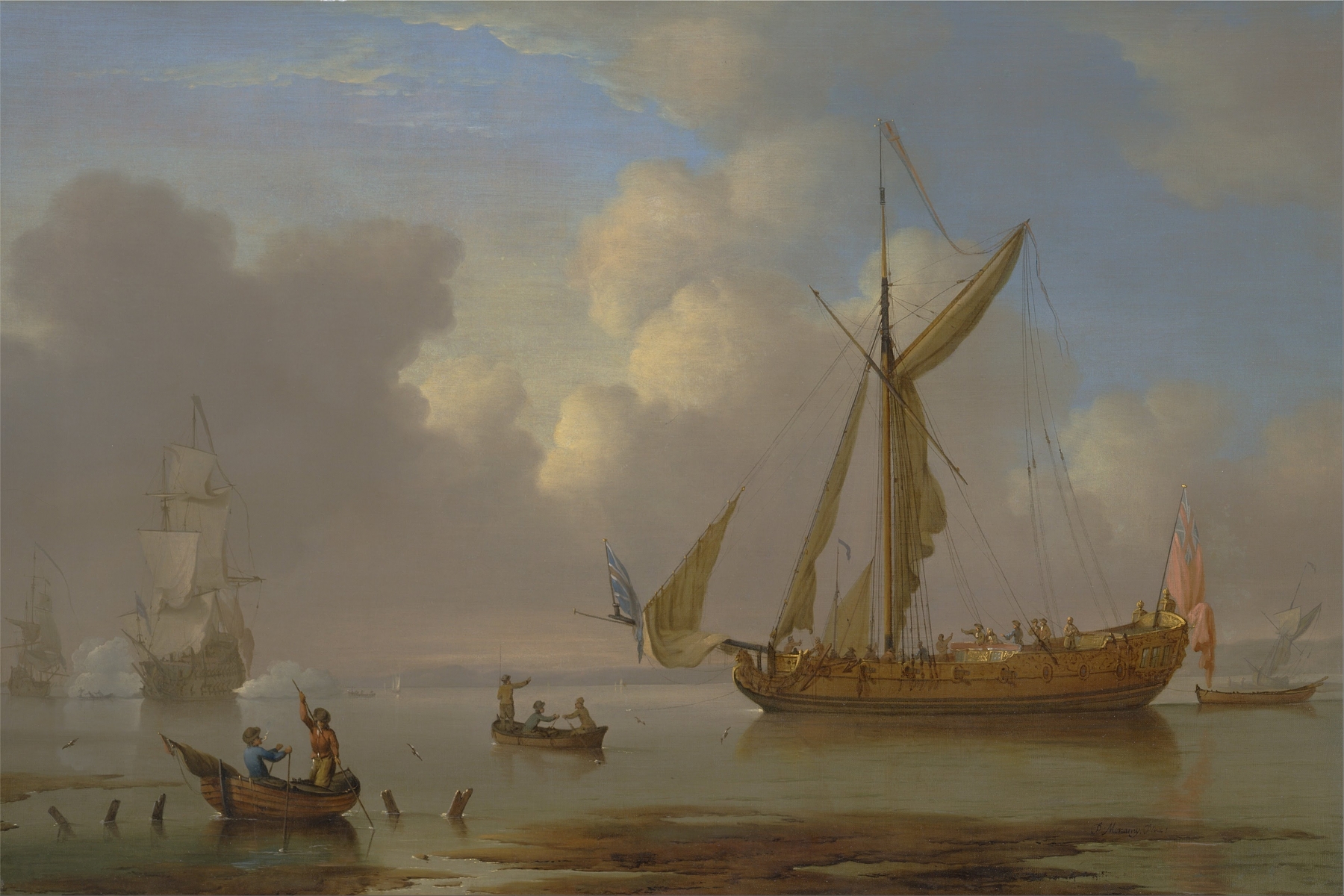
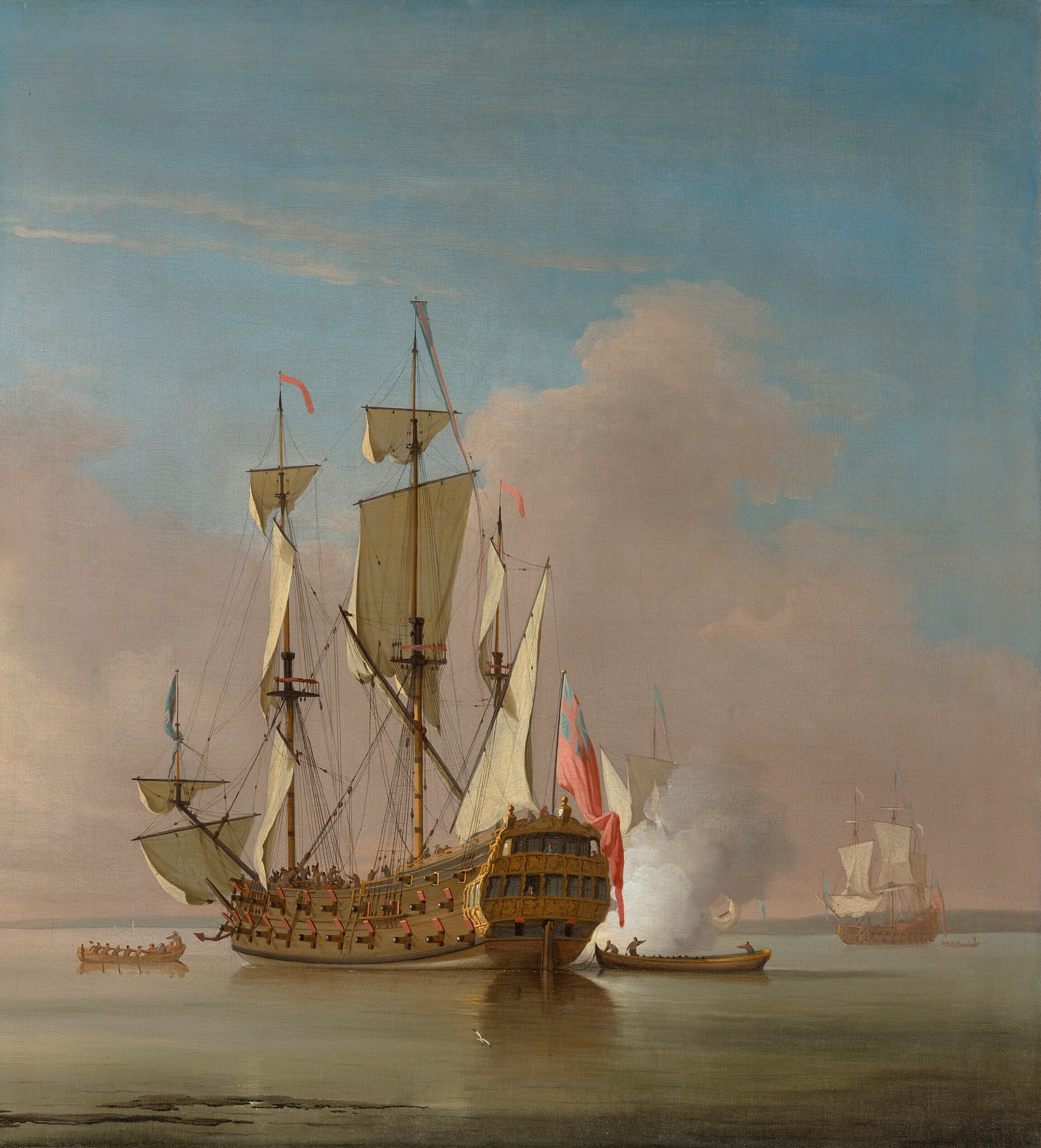
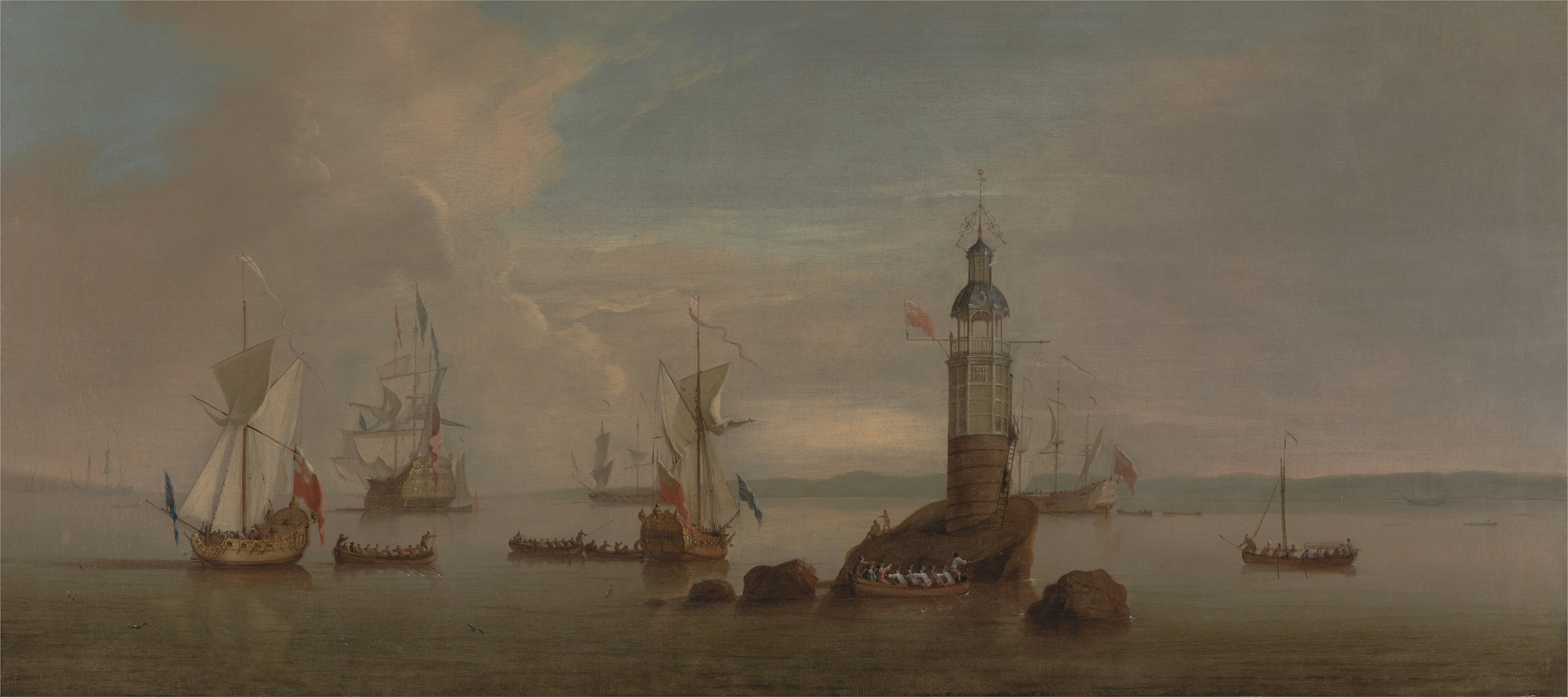
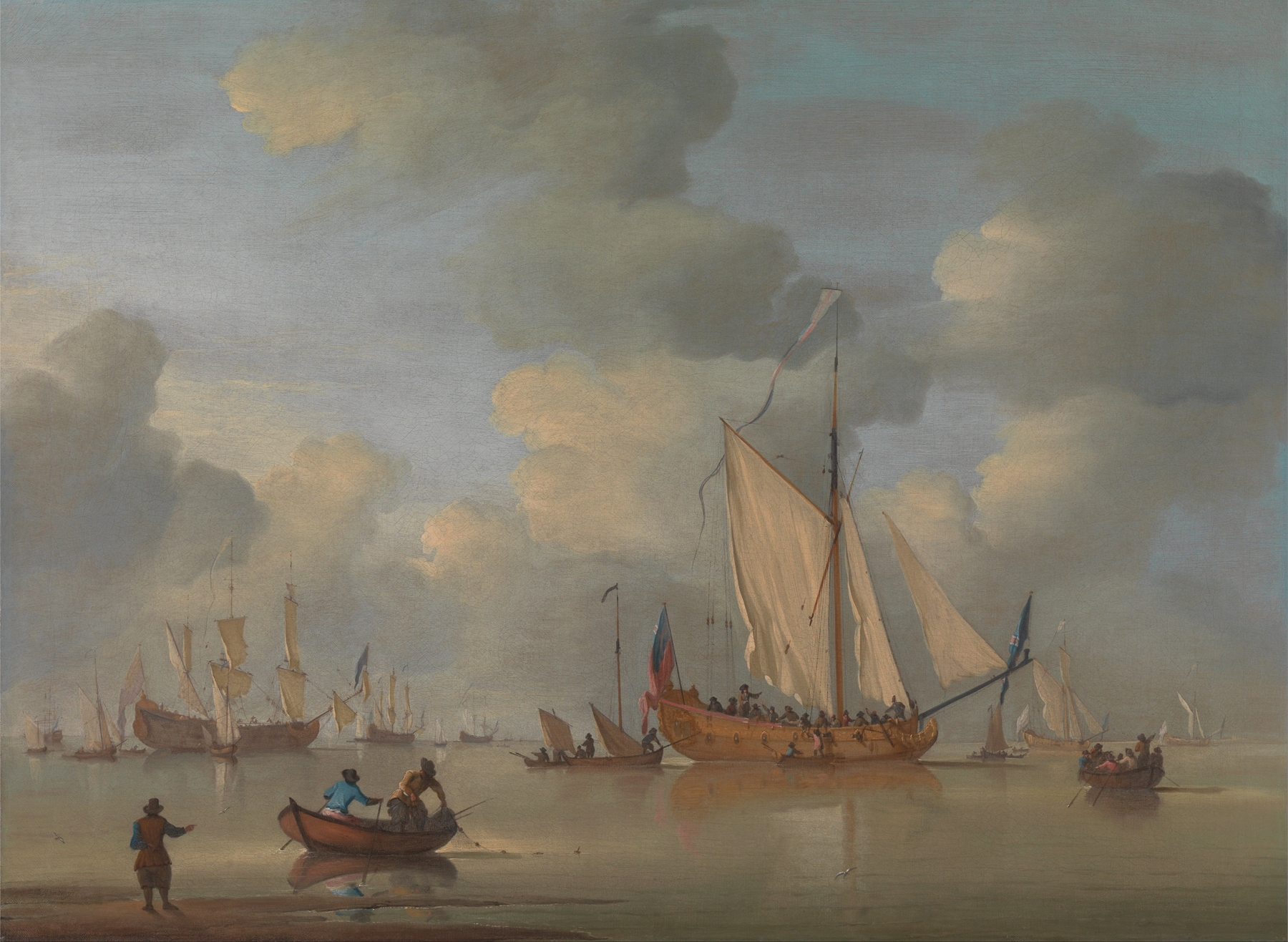
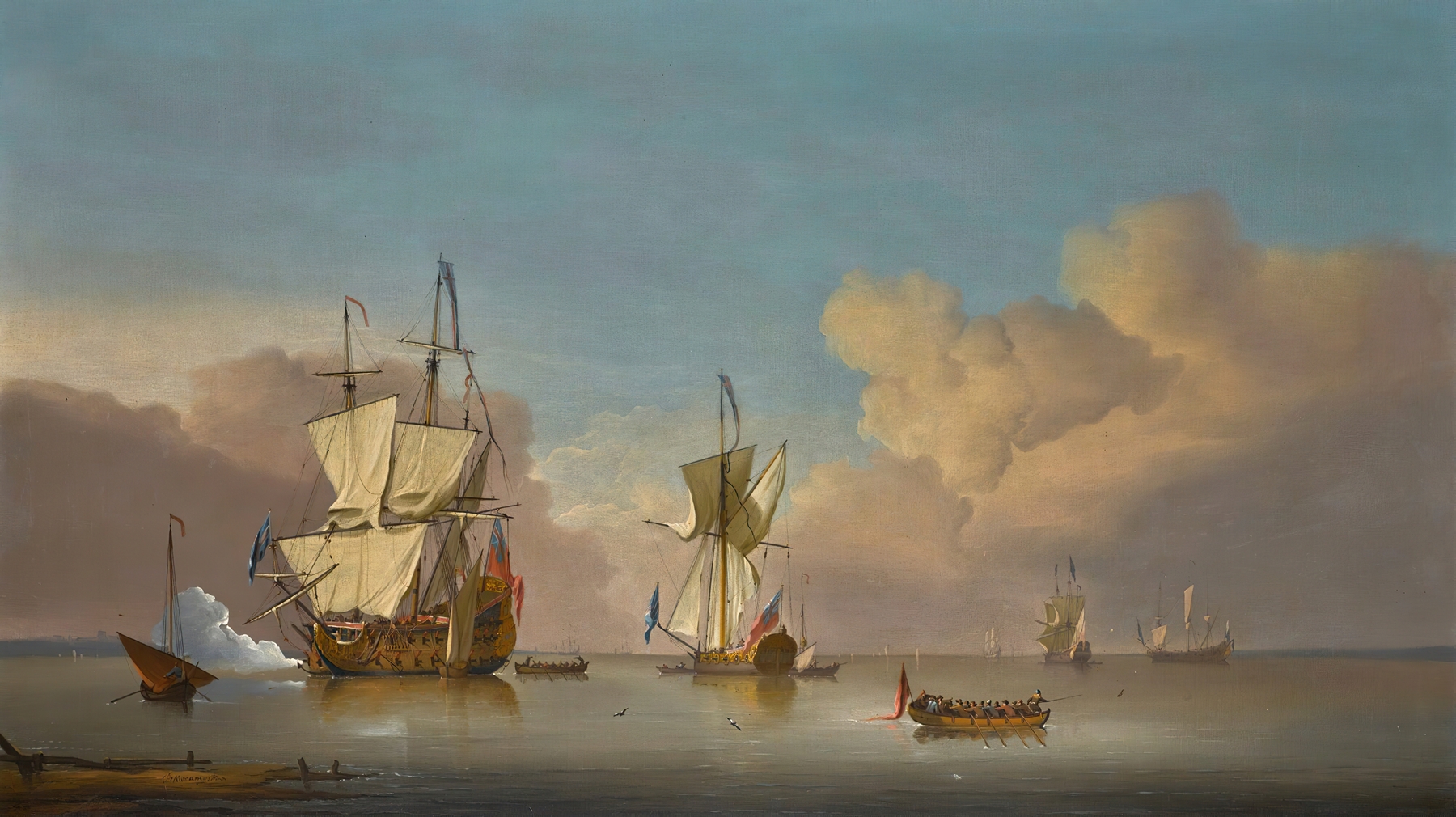
Is this a mirror — or a memory? In the quiet embrace of twilight, the water glimmers, holding secrets beneath its surface, whispering stories of longing that stretch beyond the horizon. Look to the center where the horizon meets the sea; there, the deep blues and gentle lilacs blend seamlessly, creating a delicate contrast that evokes both serenity and yearning. Notice how the fading light dances on the water, a soft reflection that seems to ripple with unspoken emotions.
The boats anchored in the foreground draw the eye, their silhouettes elegant against the luminous backdrop, inviting contemplation of the life and stories they harbor. Within this tranquil scene lies an emotional tug-of-war. The calm surface belies a depth of feeling, suggesting the tension between the present moment and the memories that linger just out of reach. The brushstrokes are fluid, almost wistful, capturing the ephemeral nature of time—how fleeting evenings remind us of moments lost yet cherished.
The interplay of light and shadow further reinforces this duality, offering glimpses of hope amidst the melancholy. Peter Monamy painted this serene seascape during a time when he was establishing himself within the British art community in the early 18th century. The maritime theme resonated with the growing fascination for coastal imagery during this period, reflecting both a personal and cultural connection to the sea. As Monamy explored his craft, he contributed to a genre that not only celebrated nature but also expressed the complexities of human emotion intertwined with the landscape.