Winter Landscape — History & Analysis
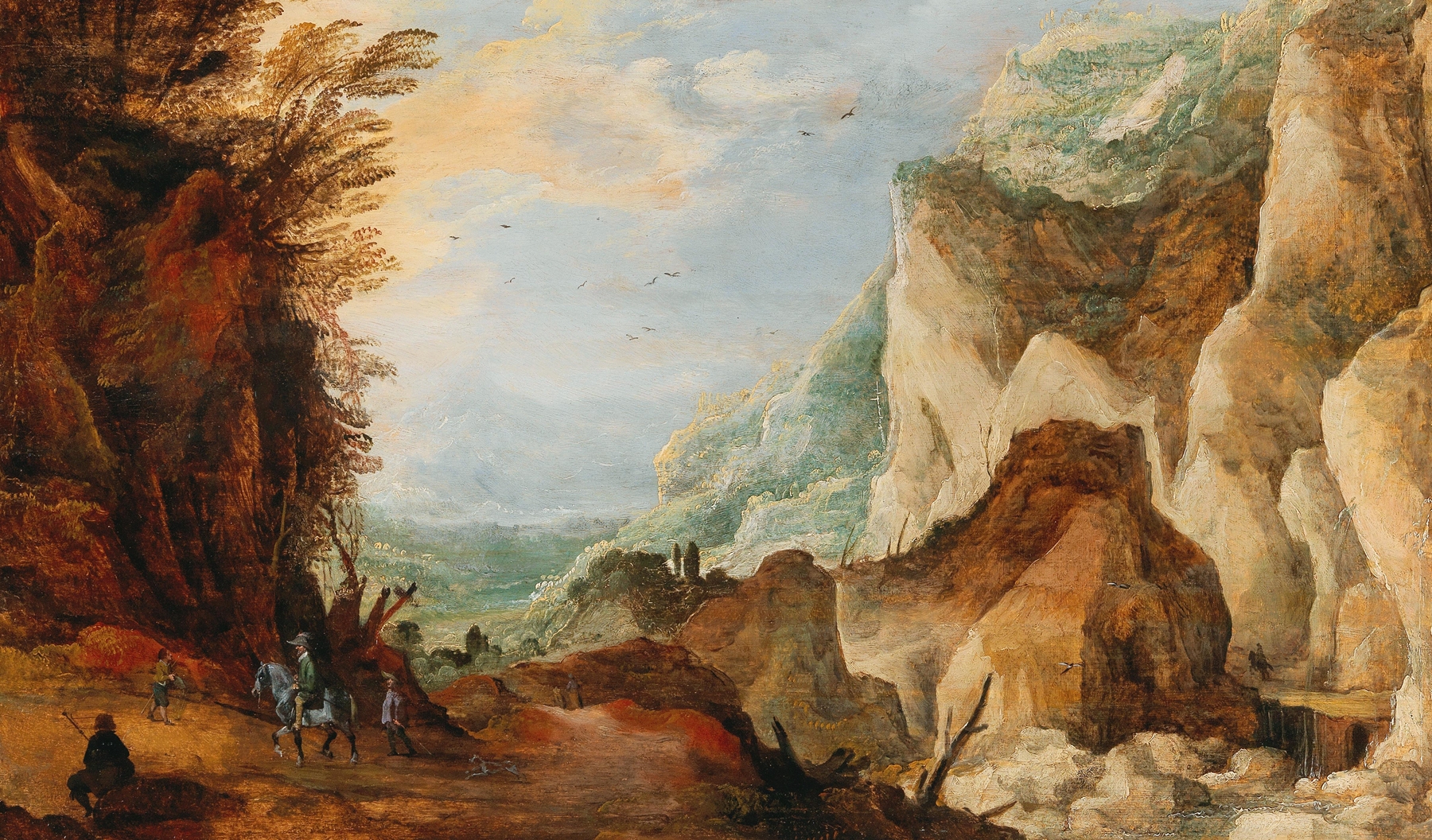
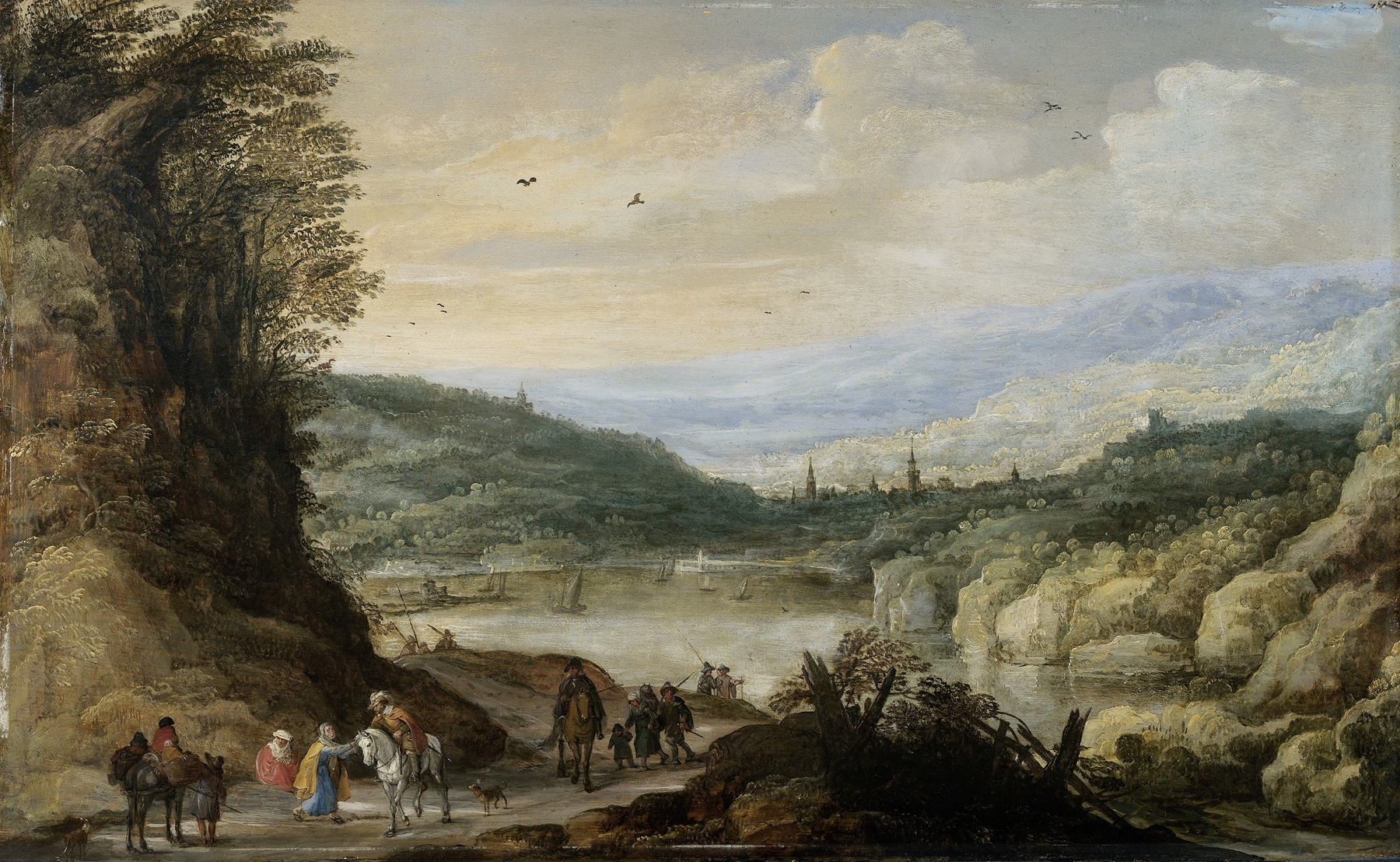
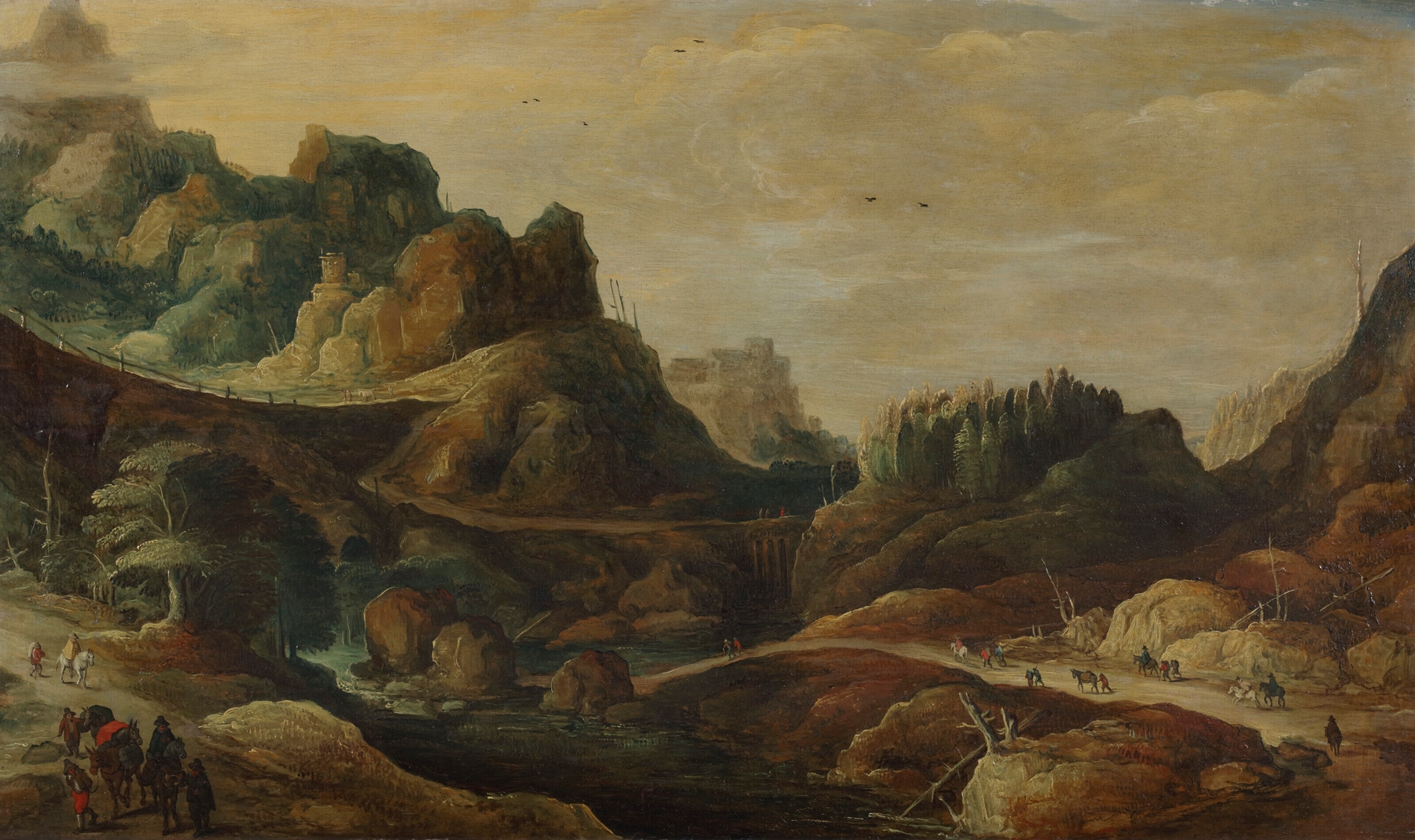
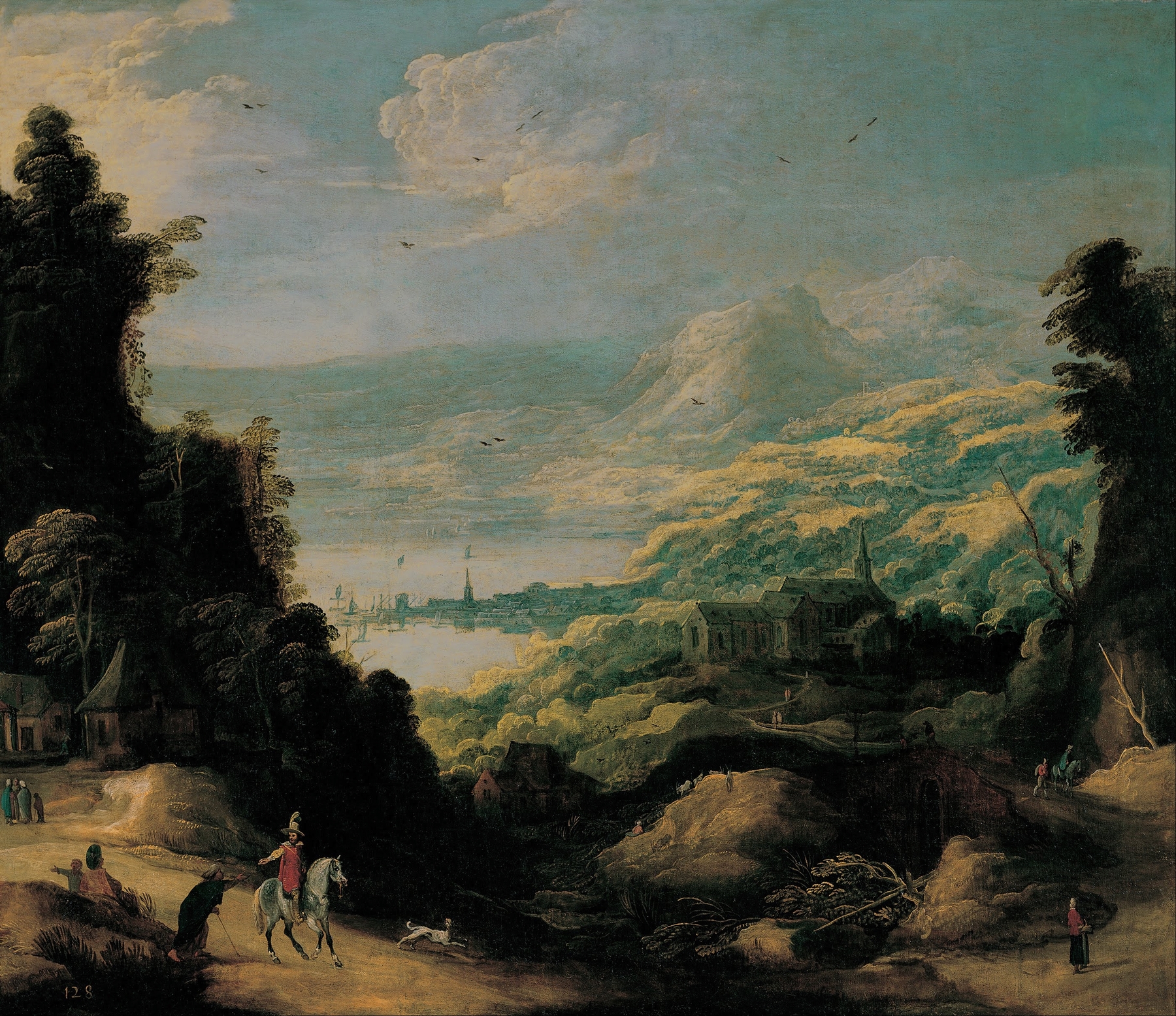
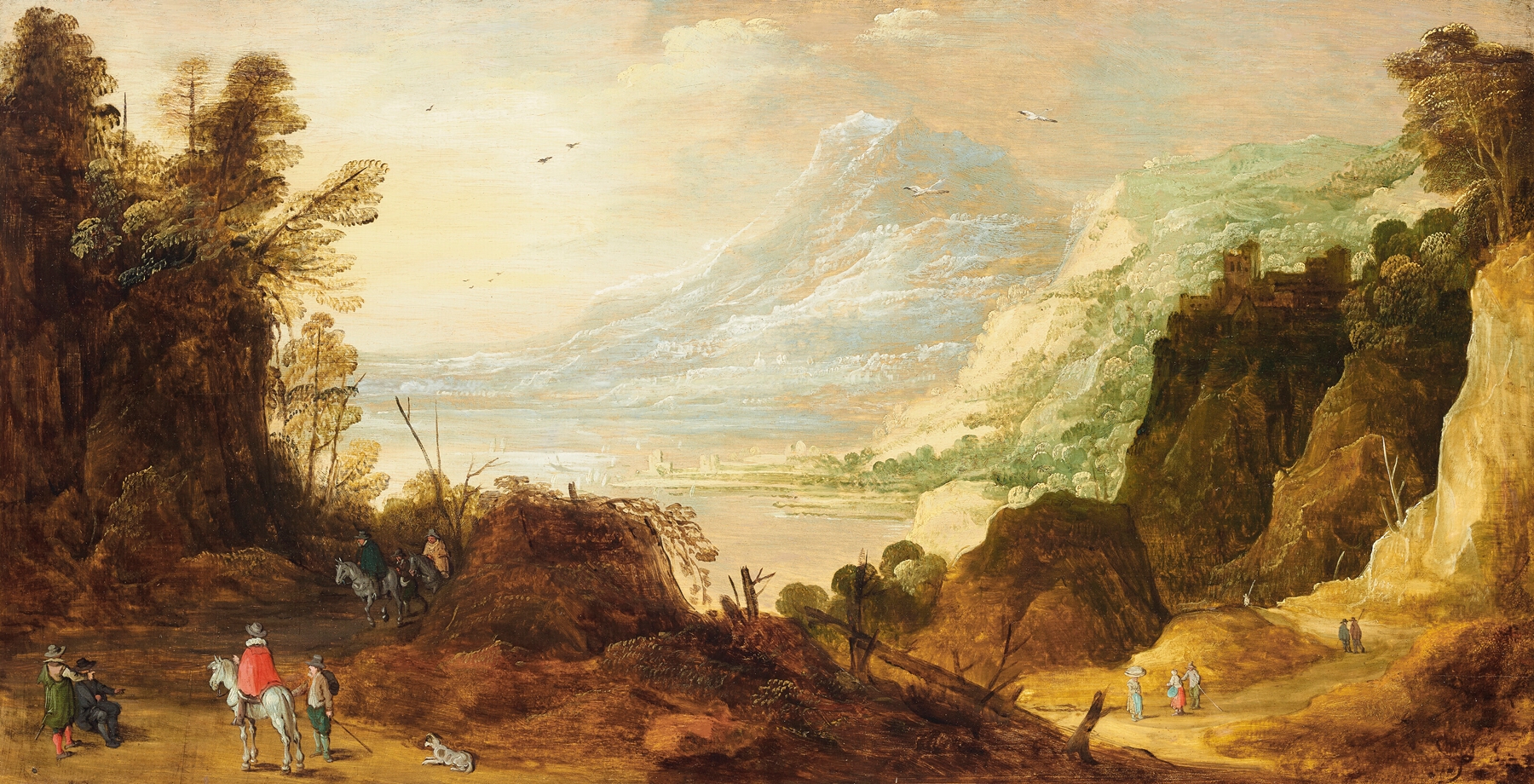
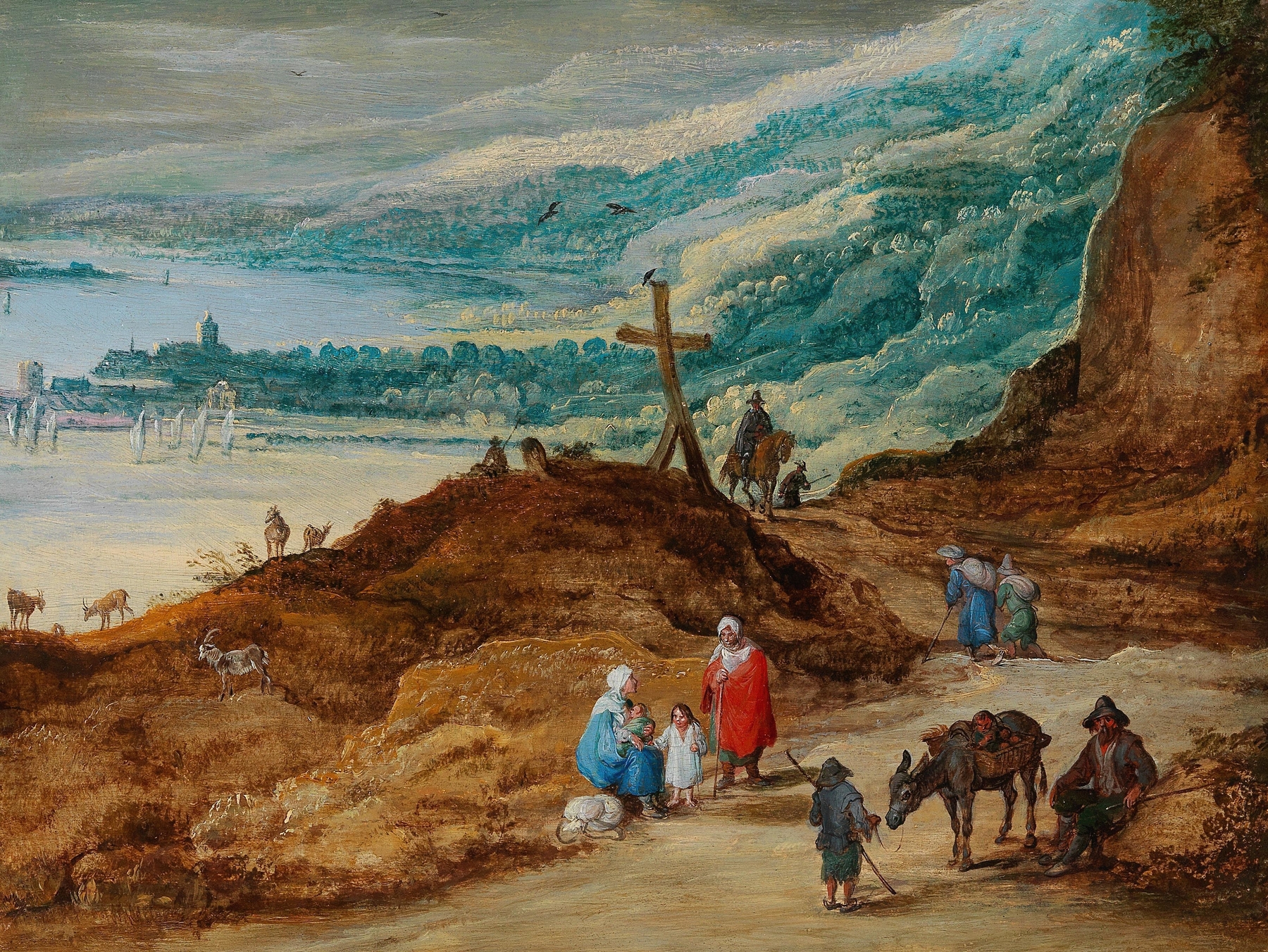
What secret hides in the quiet of the canvas? Beneath the serene surface of a winter landscape lies a world entangled in chaos, inviting viewers to explore its depths. Focus first on the horizon, where gentle hills cradle a faint, sunlit sky. The interplay between the stark white of the snow and the cool blues and grays creates a striking contrast that draws your eye.
Notice the delicate strokes that define the trees, their branches bending under the weight of freshly fallen snow, while further along, a group of figures clad in muted colors emerges, engaged in a seemingly tranquil scene of daily life. The composition invites you to traverse the snowy expanse, encouraging an intimate connection with the landscape's stillness. Yet, beneath this calm veneer, emotional tensions unfold. The juxtaposition of the peaceful setting and the potential for peril—unstable ice, the lurking cold—speaks to a world managing the chaos of nature and human existence.
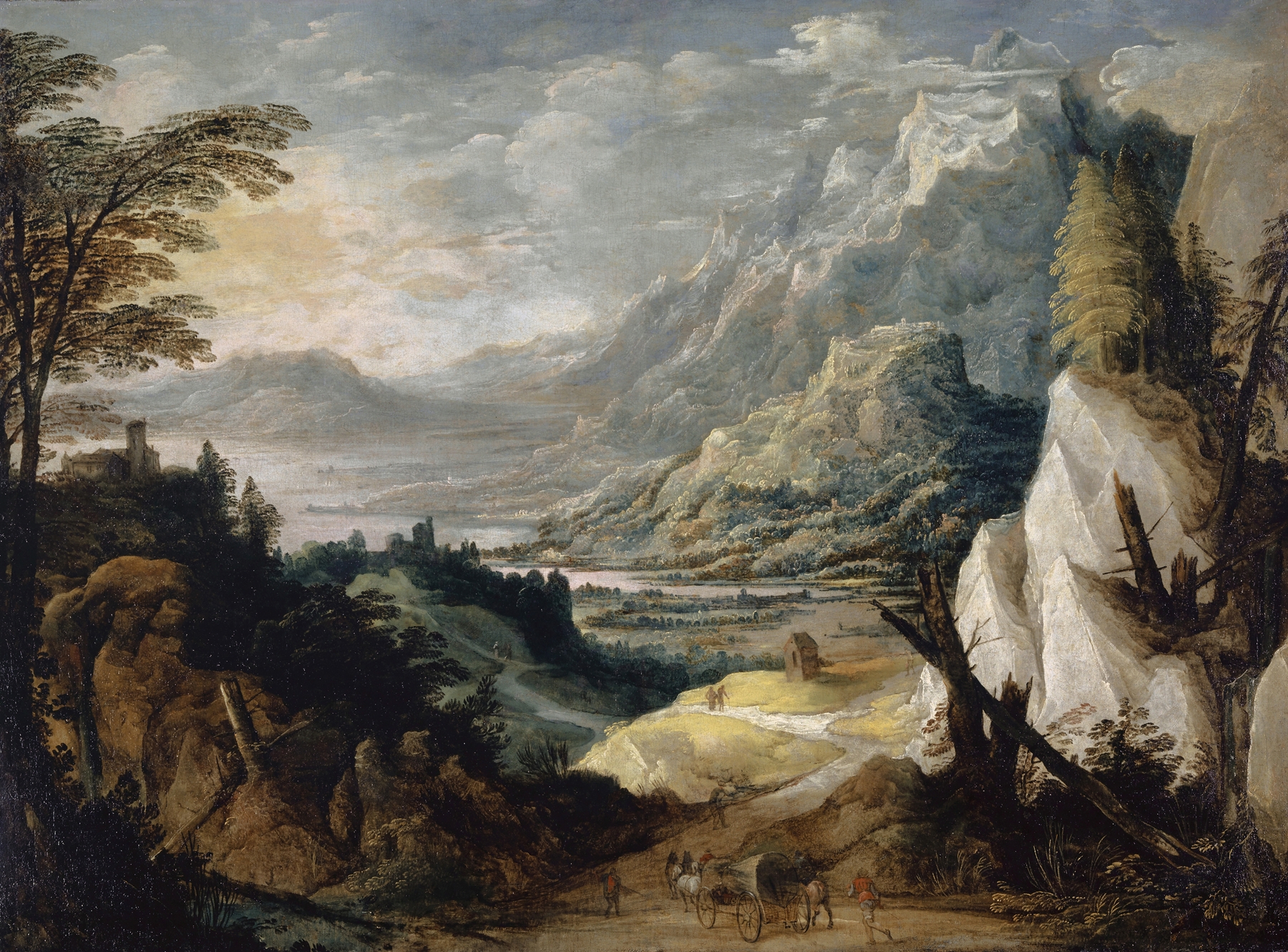
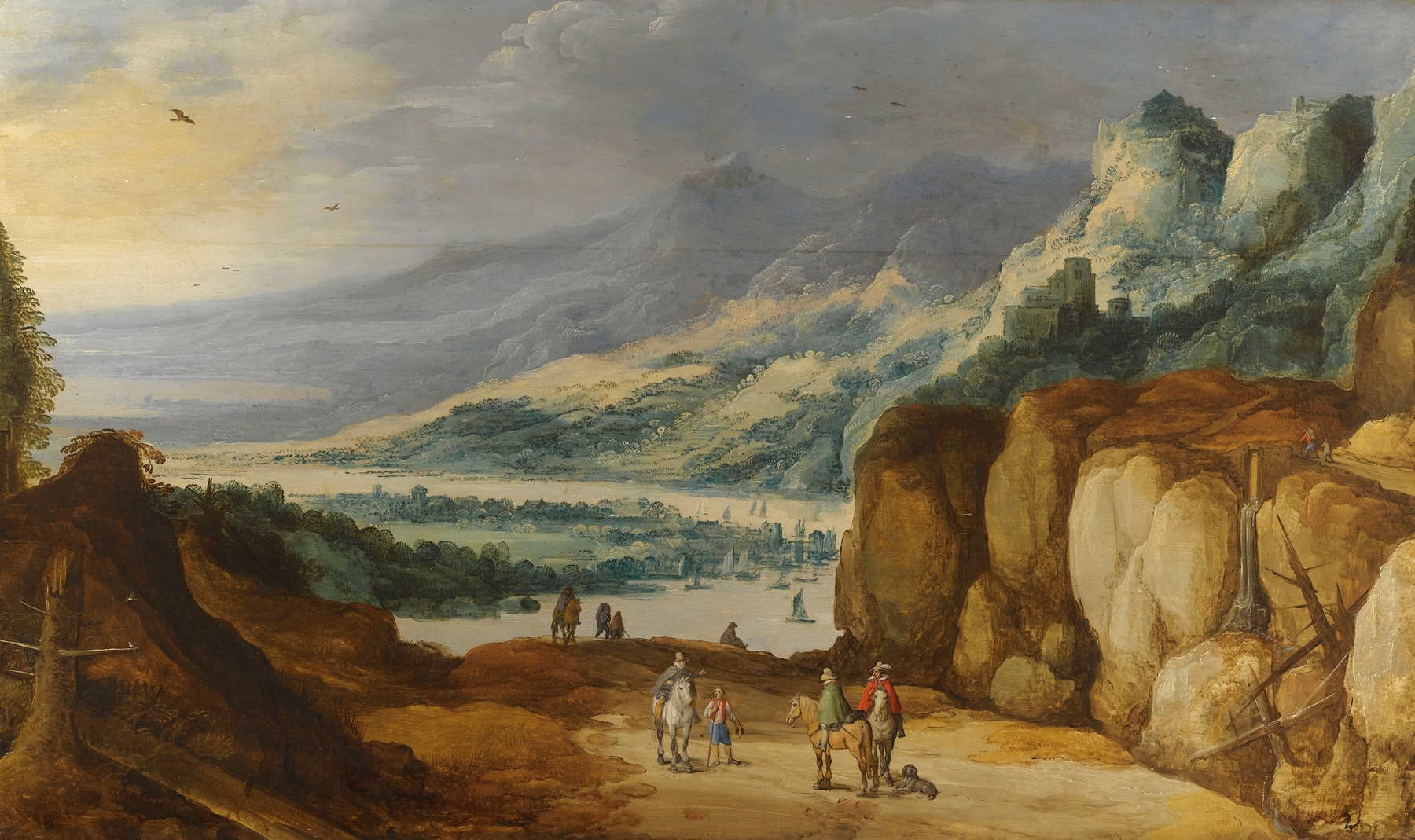
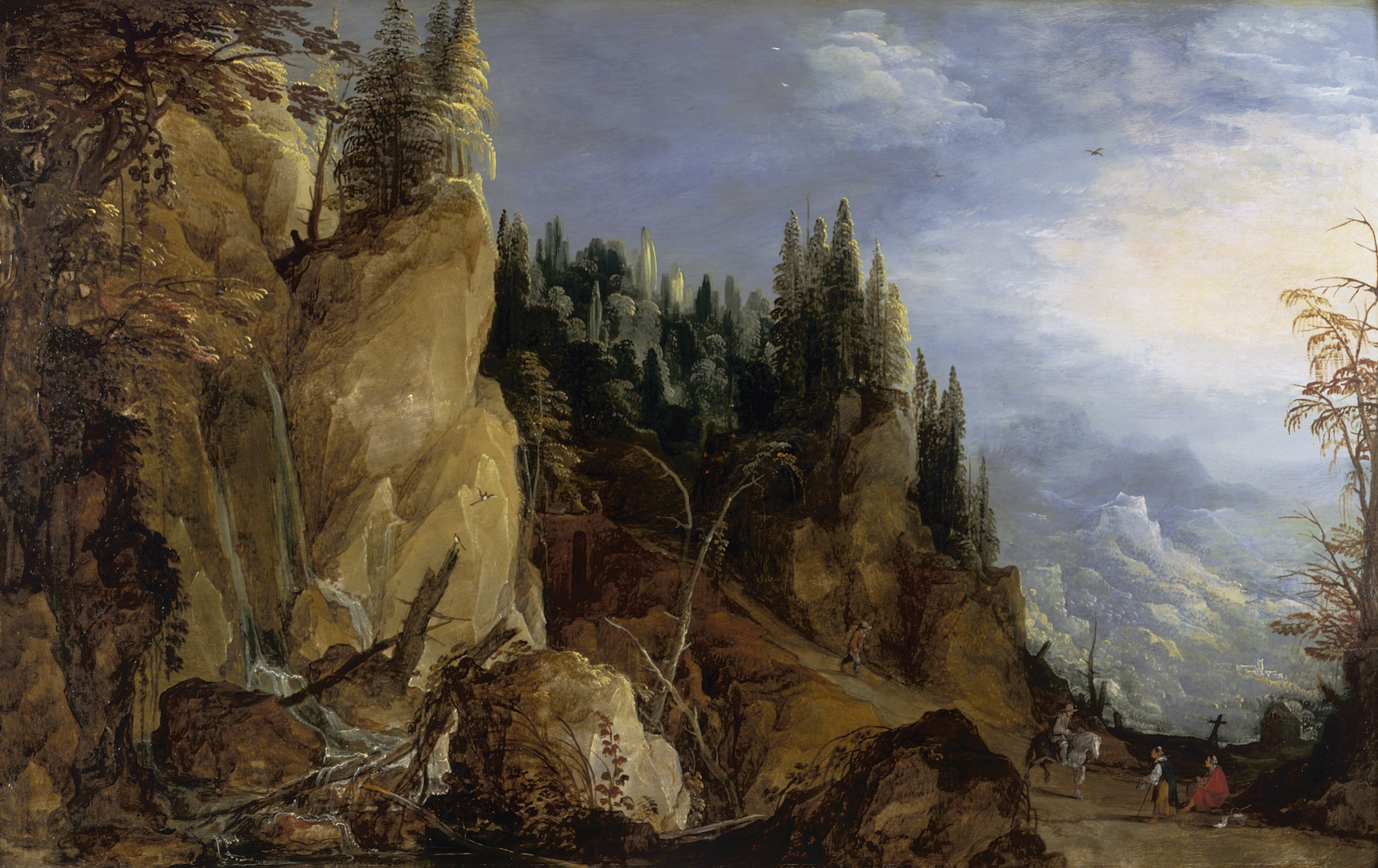
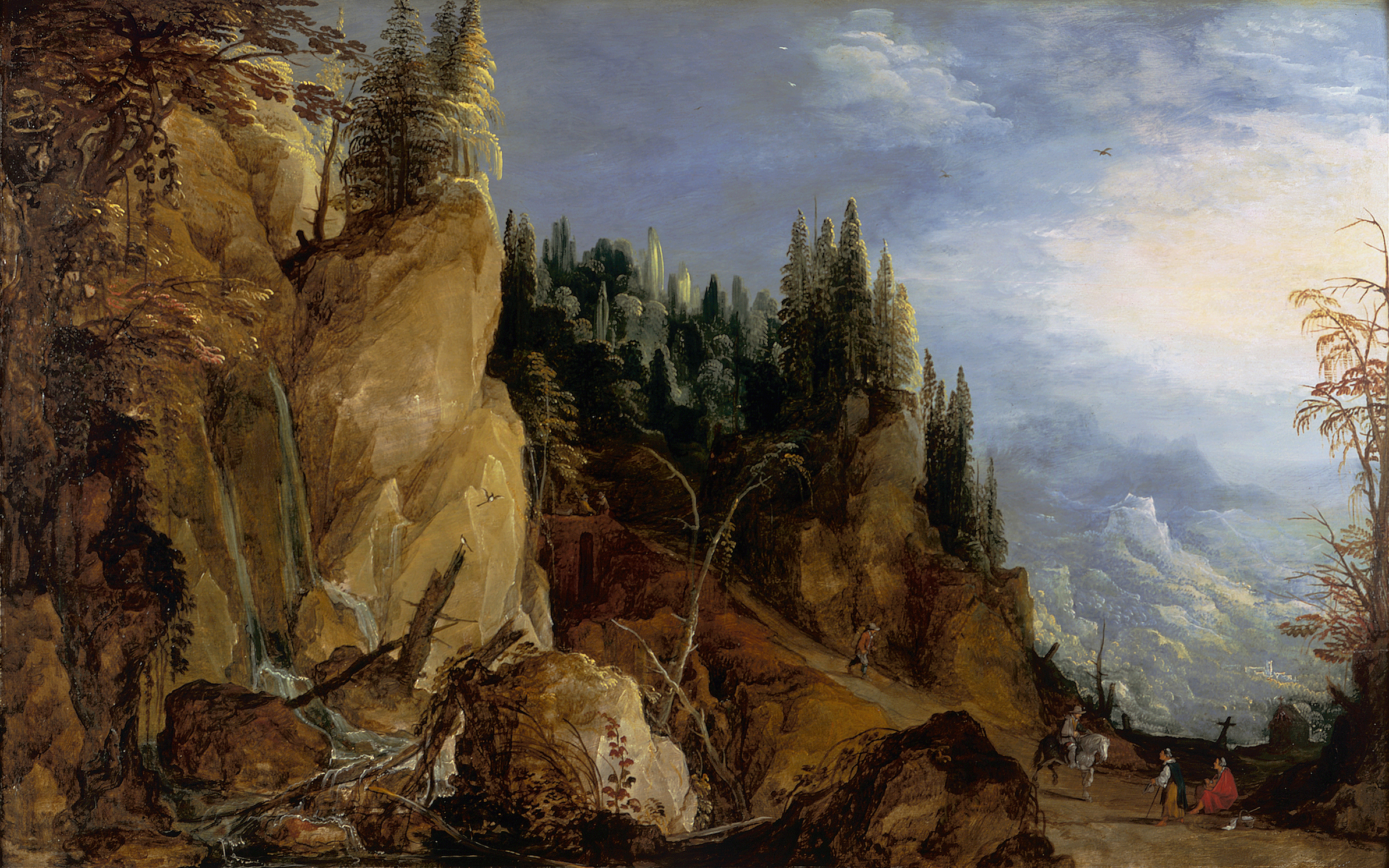
Each element, from the distant figures to the encompassing sky, resonates with the intricate relationship between beauty and danger, suggesting that tranquility is often a fragile illusion. In the late 16th and early 17th centuries, Joos de Momper painted Winter Landscape, a time when the Northern Renaissance was flourishing. Amidst a growing interest in landscape paintings, he explored the complex relationship between humanity and nature, depicting not only the beauty of winter but also its inherent challenges. This period saw a shift in artistic focus, with artists embracing the nuances of landscape as a subject worthy of contemplation.