An Imaginary Italianate Landscape with Classical Figures and a Waterfall — History & Analysis
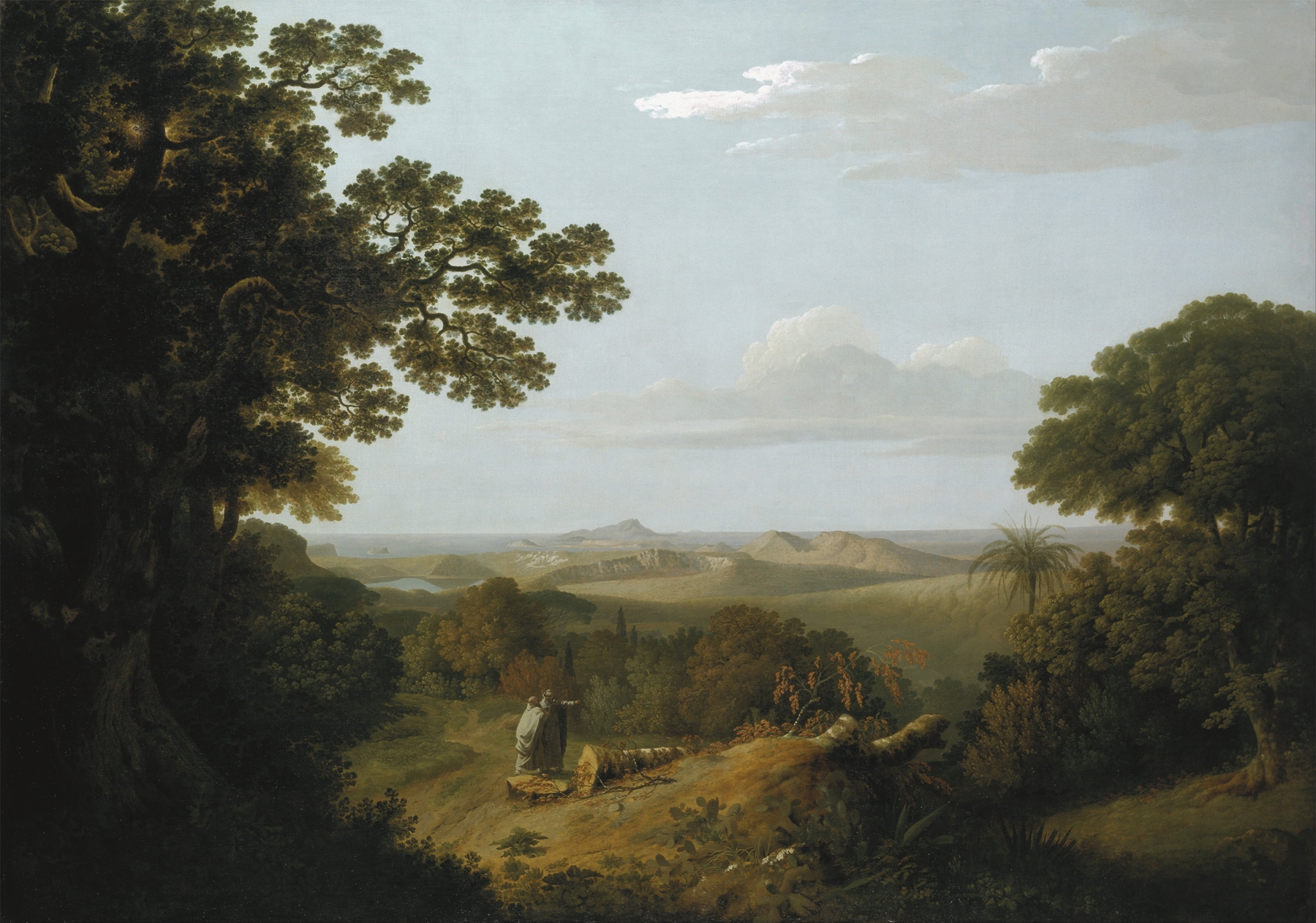
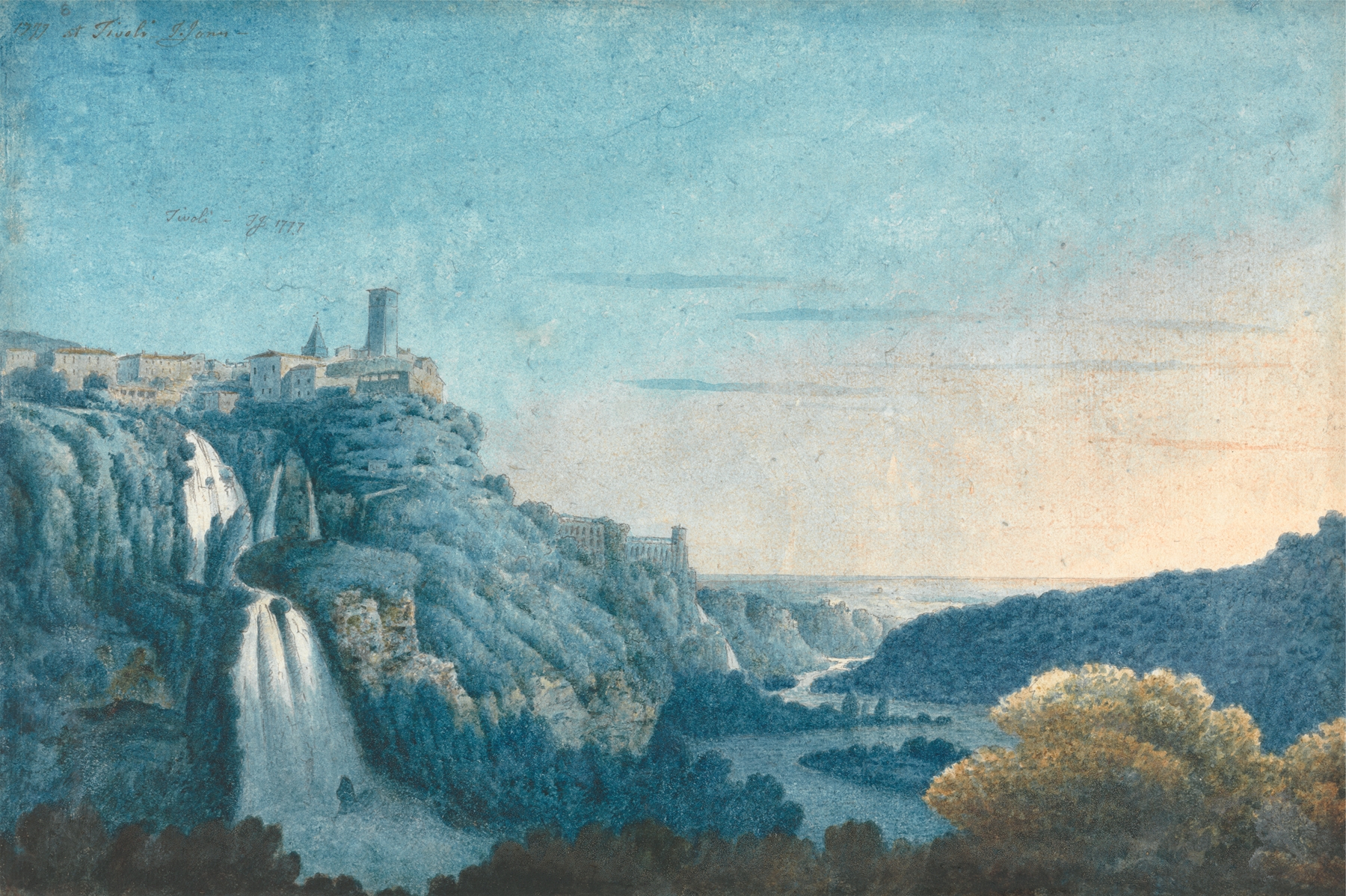
“Sometimes beauty is just pain, disguised in gold.” An imaginary realm unfolds where the serene meets the sublime, awakening the viewer to the complexities of nature and desire. Look closely at the left side of the canvas, where a majestic waterfall cascades down rocky cliffs, glistening with light that dances off the water's surface. Notice how the artist employs a delicate palette of greens and blues, evoking a sense of tranquility, yet the figures in the foreground suggest an undercurrent of tension. Their poses, frozen between movement and stillness, draw your attention as their gazes wander toward the horizon, hinting at longing and unfulfilled dreams.
Delve deeper into the rich detail of the foliage surrounding the figures—a lush tapestry of vegetation that vibrantly frames their existence. The juxtaposition of the flowing water and the rigid forms of the classical figures illustrates the struggle between freedom and restraint. Each brushstroke whispers stories of desire and disillusionment, crafting a narrative where beauty is intertwined with melancholy, hinting that paradise may exist just out of reach.
Created during the late 18th century, this piece emerged from the imaginative mind of its creator, who was immersed in the Romantic movement and influenced by the picturesque landscapes of Italy. At that time, he was exploring themes of nostalgia and the sublime, reflecting a world transitioning from Enlightenment rationalism to Romantic emotionalism. In this context, the landscape serves as both a canvas for artistic expression and a mirror of inner turmoil, capturing an era filled with yearning for both beauty and enlightenment.