An Italianate wooded landscape with a river — History & Analysis
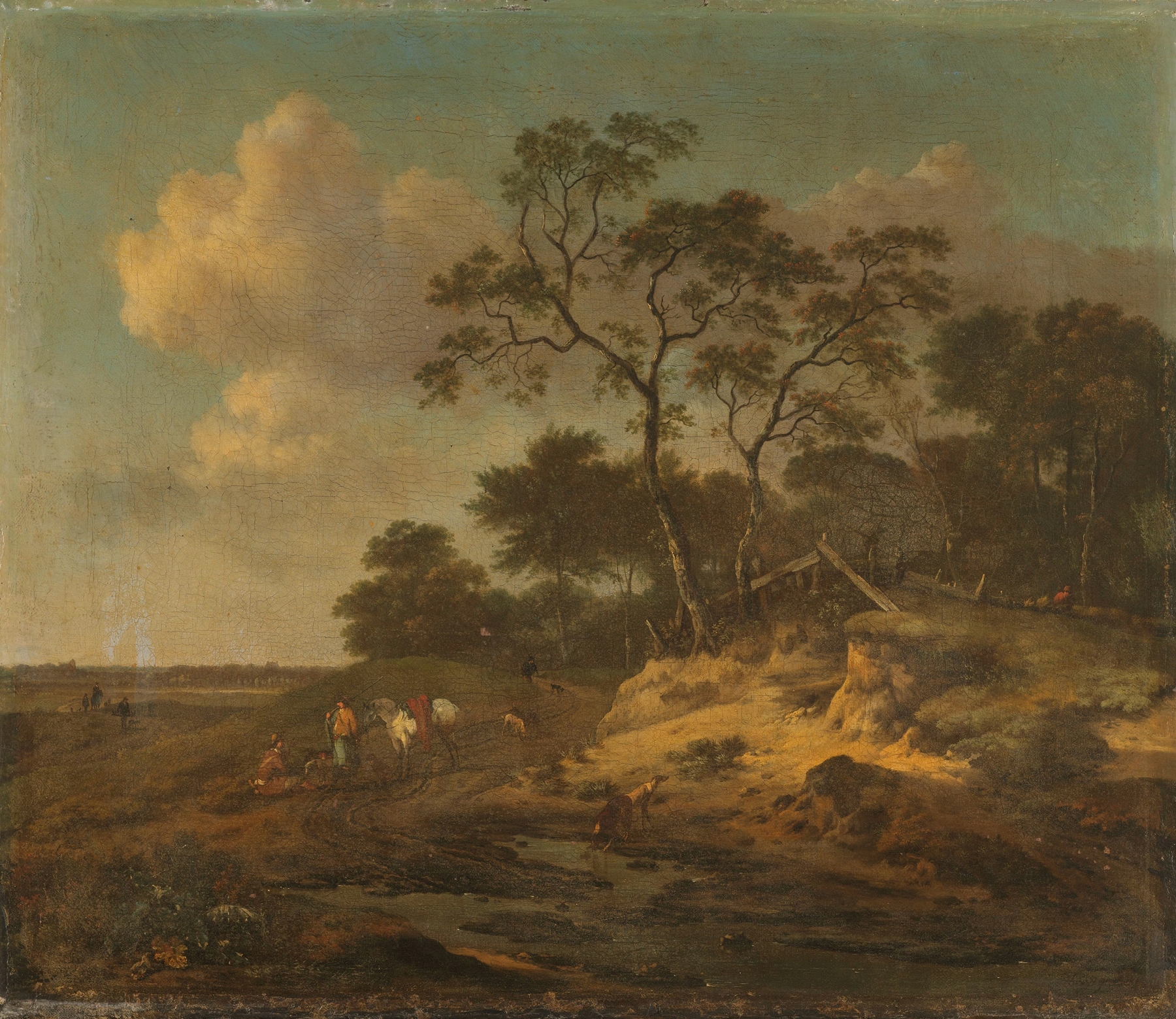
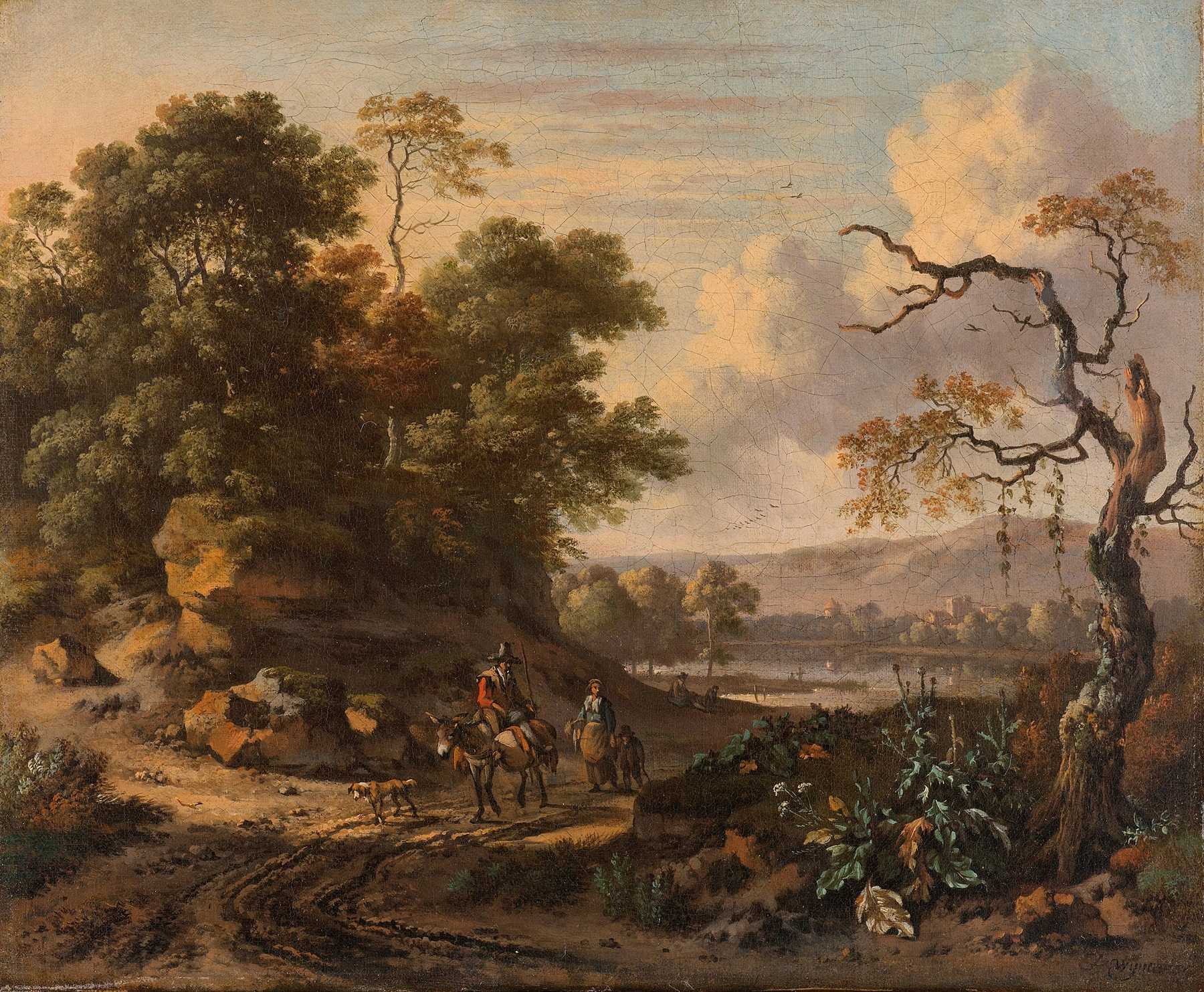
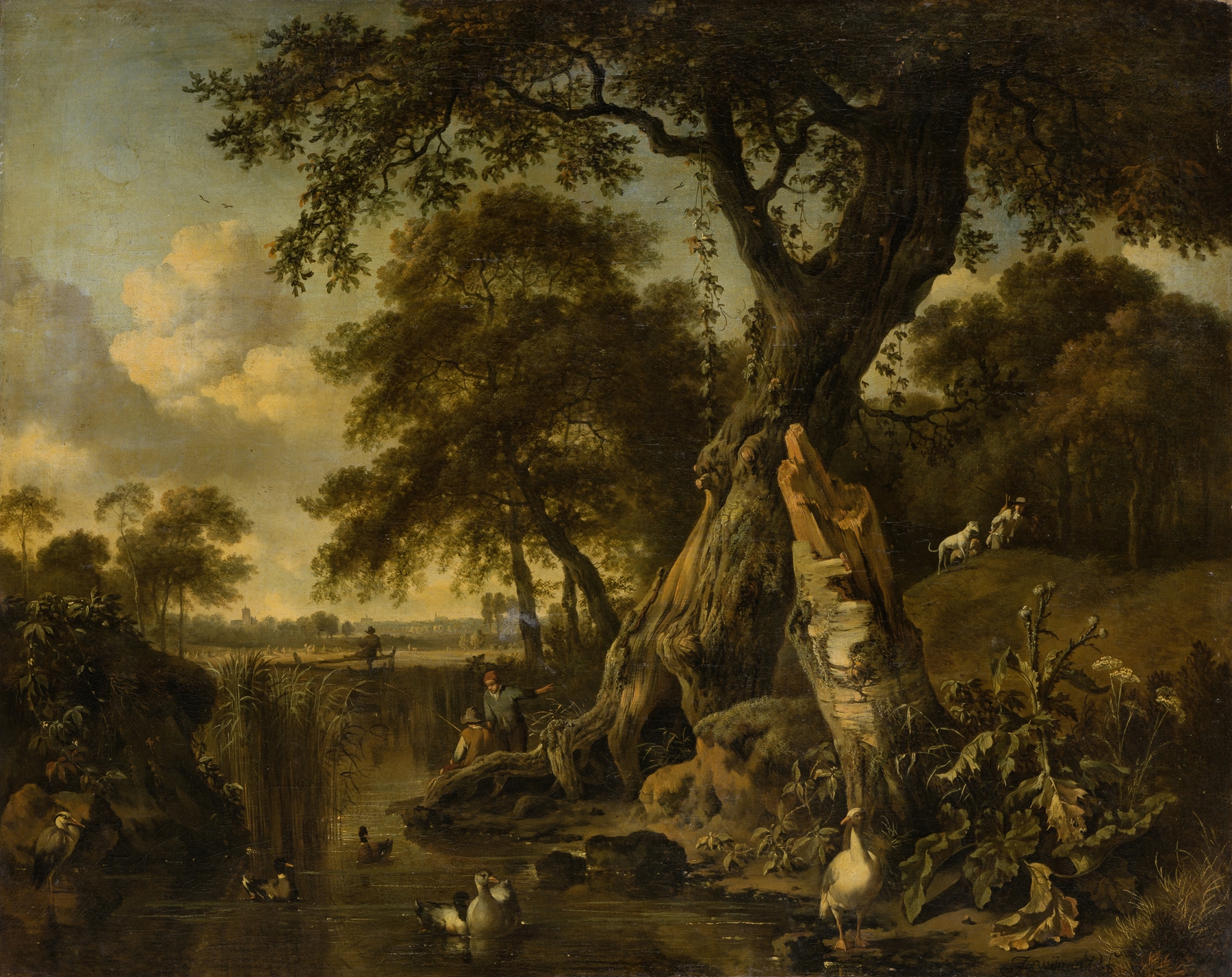
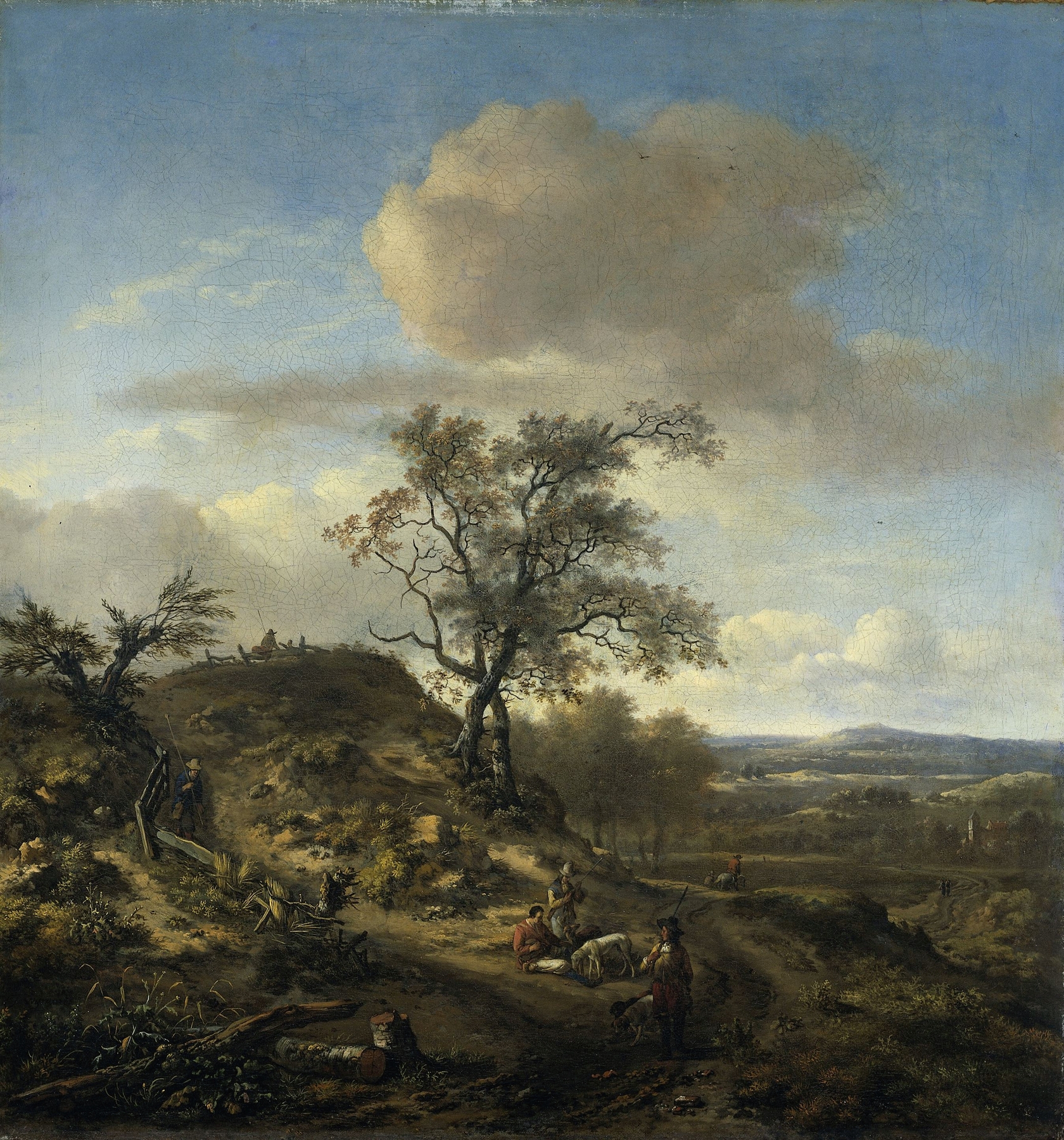
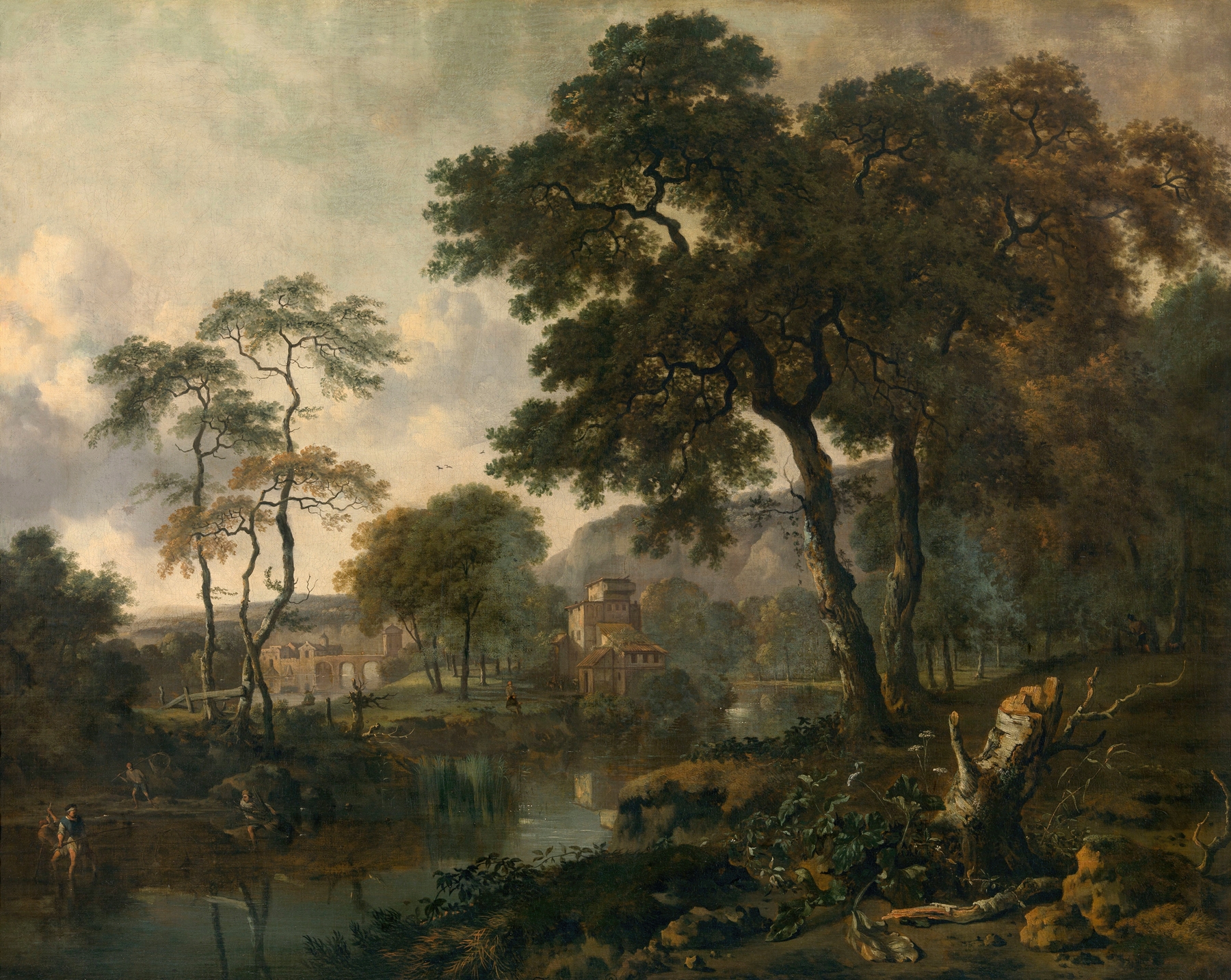
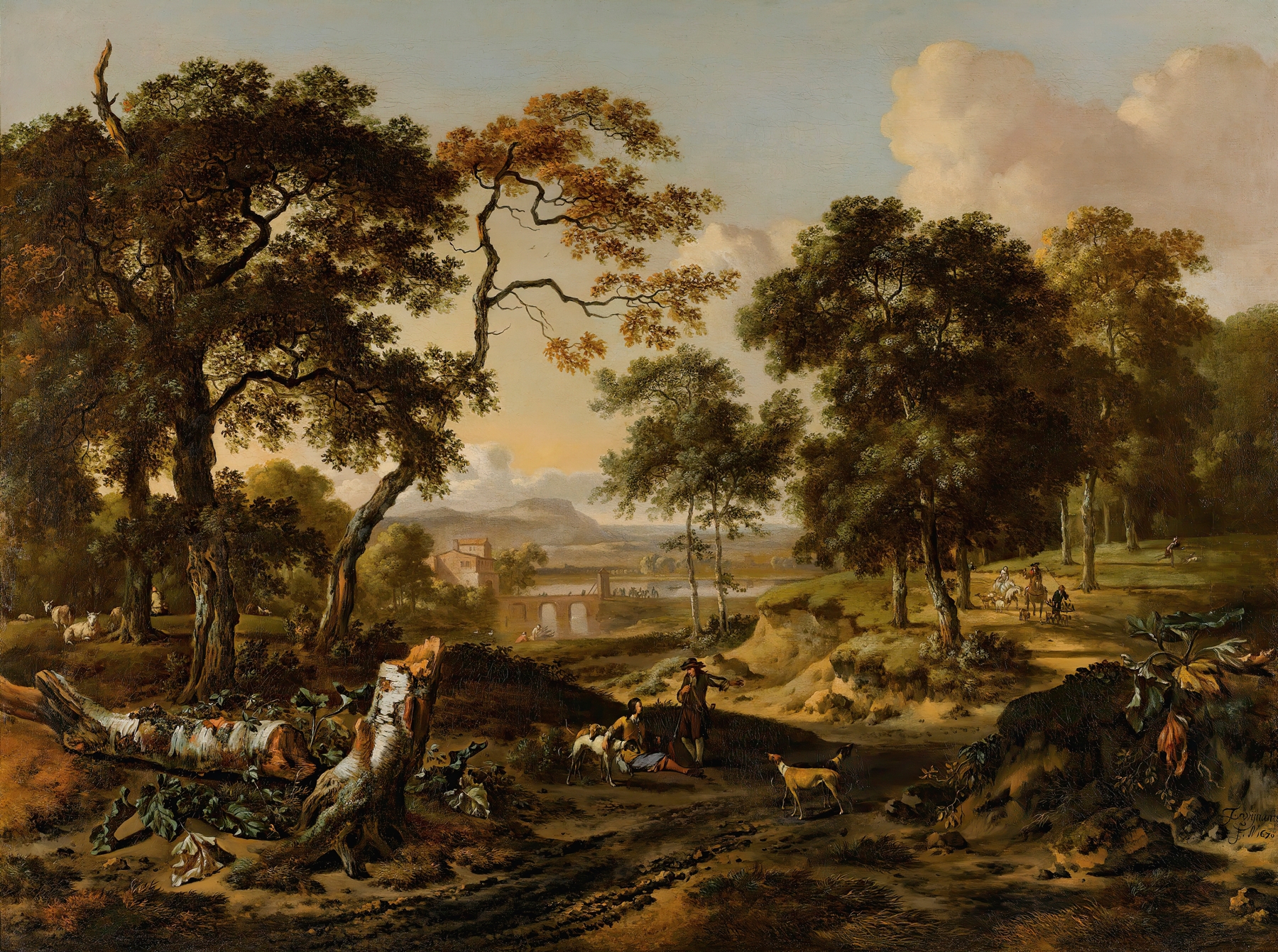
What if silence could speak through light? In An Italianate wooded landscape with a river, the stillness of nature beckons us to listen closely to its whispers. Focus your gaze on the soft, dappled light filtering through the lush canopy of trees on the left. Here, the interplay of warm ochres and deep greens creates a tranquil embrace, inviting you to wander deeper into the scene. Notice how the river, meandering gently through the landscape, reflects the sky’s vibrant hues, its shimmering surface contrasting with the shadowed groves.
Wijnants masterfully balances the composition, leading your eye through the winding paths and serene waters, evoking a sense of peace and solitude. Amidst the calm, a tension lies in the starkness of the emptiness. The absence of figures invites contemplation, suggesting a world untouched and pure, yet also echoing a profound loneliness. The stillness promises stories untold, while the lushness hints at life thriving just beyond the canvas's edges.
This landscape may be rich in natural beauty, yet it carries an emotional weight, urging viewers to ponder their own solitude within nature. In 1656, Jan Wijnants painted this work in the Netherlands, a time when landscape painting was gaining prominence as a genre. Embracing the aesthetics of the Italianate style, Wijnants was influenced by the natural beauty and serene atmosphere of Italy, despite being rooted in Dutch tradition. His focus on the interplay of light and shadow would later pave the way for future generations of landscape artists, marking a significant moment in the evolution of this artistic form.