Landscape with a Man Riding a Donkey — History & Analysis
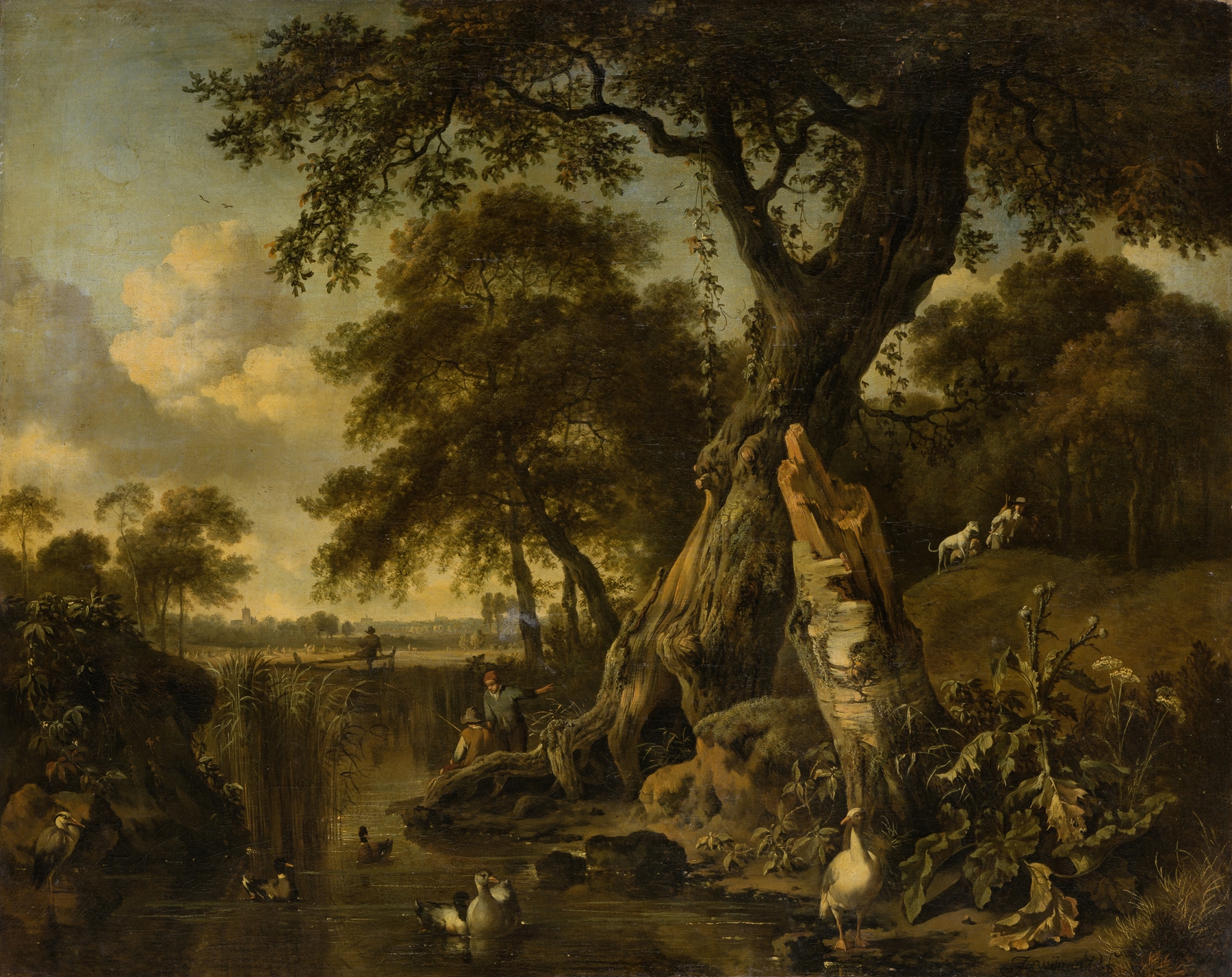
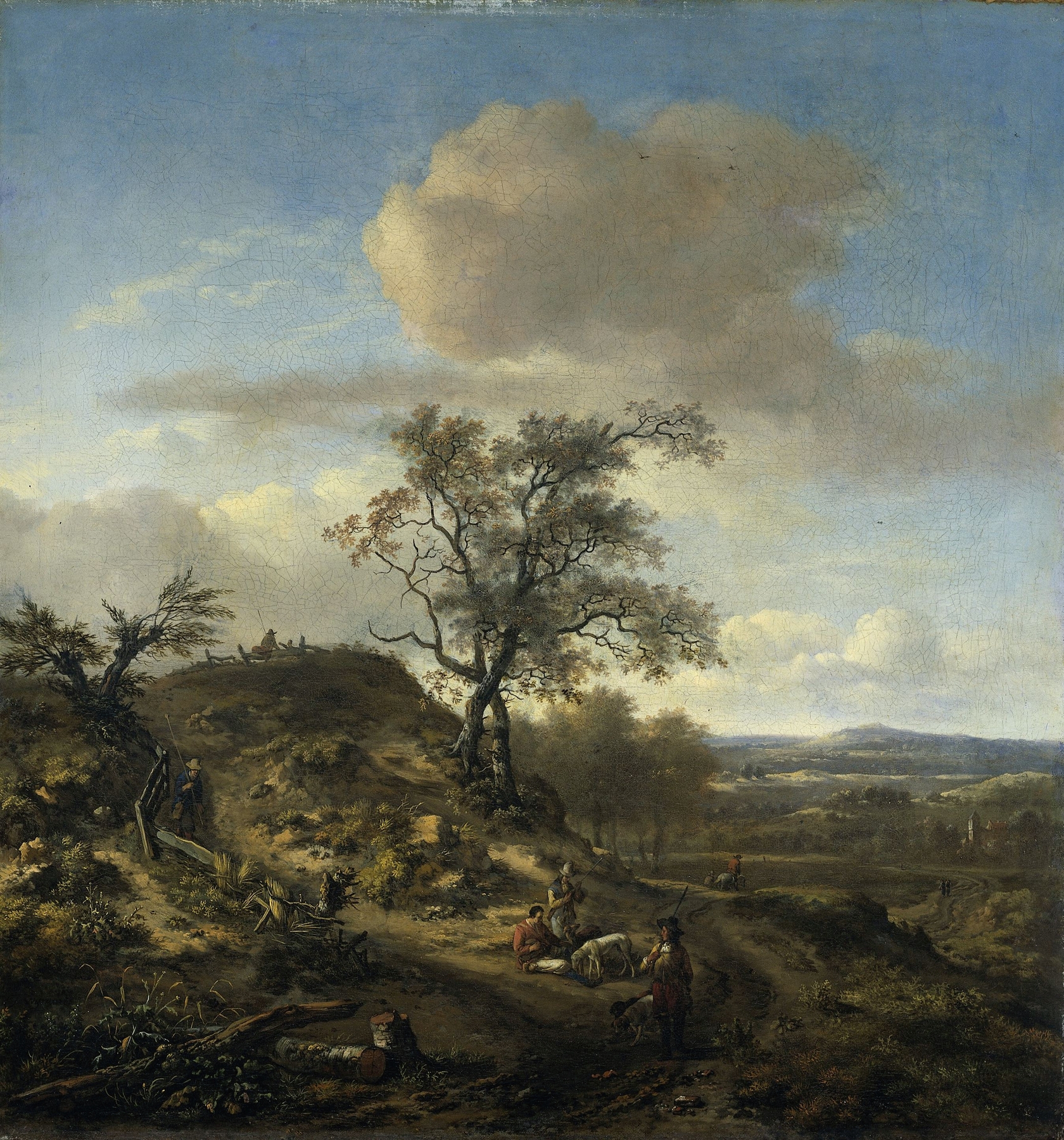
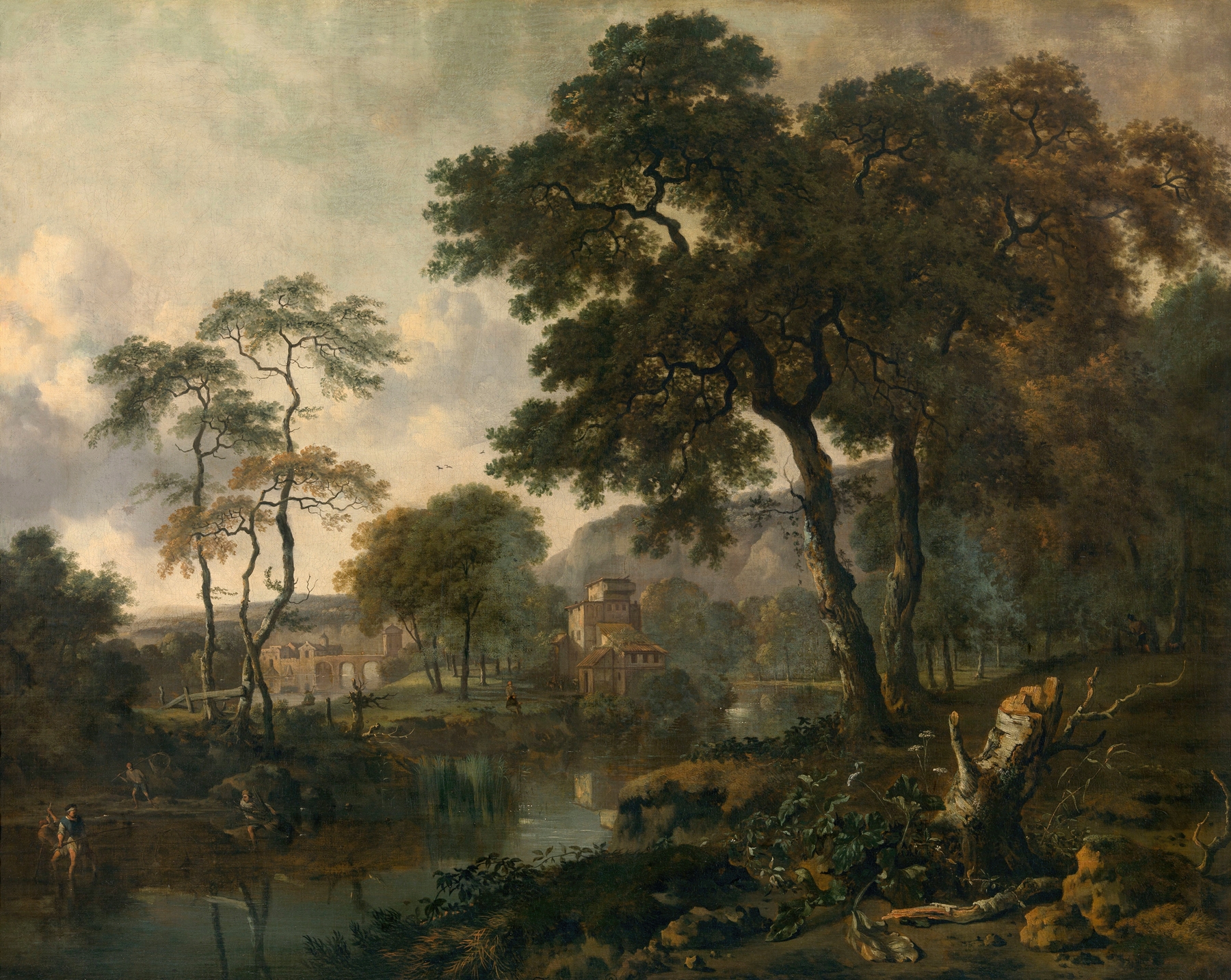
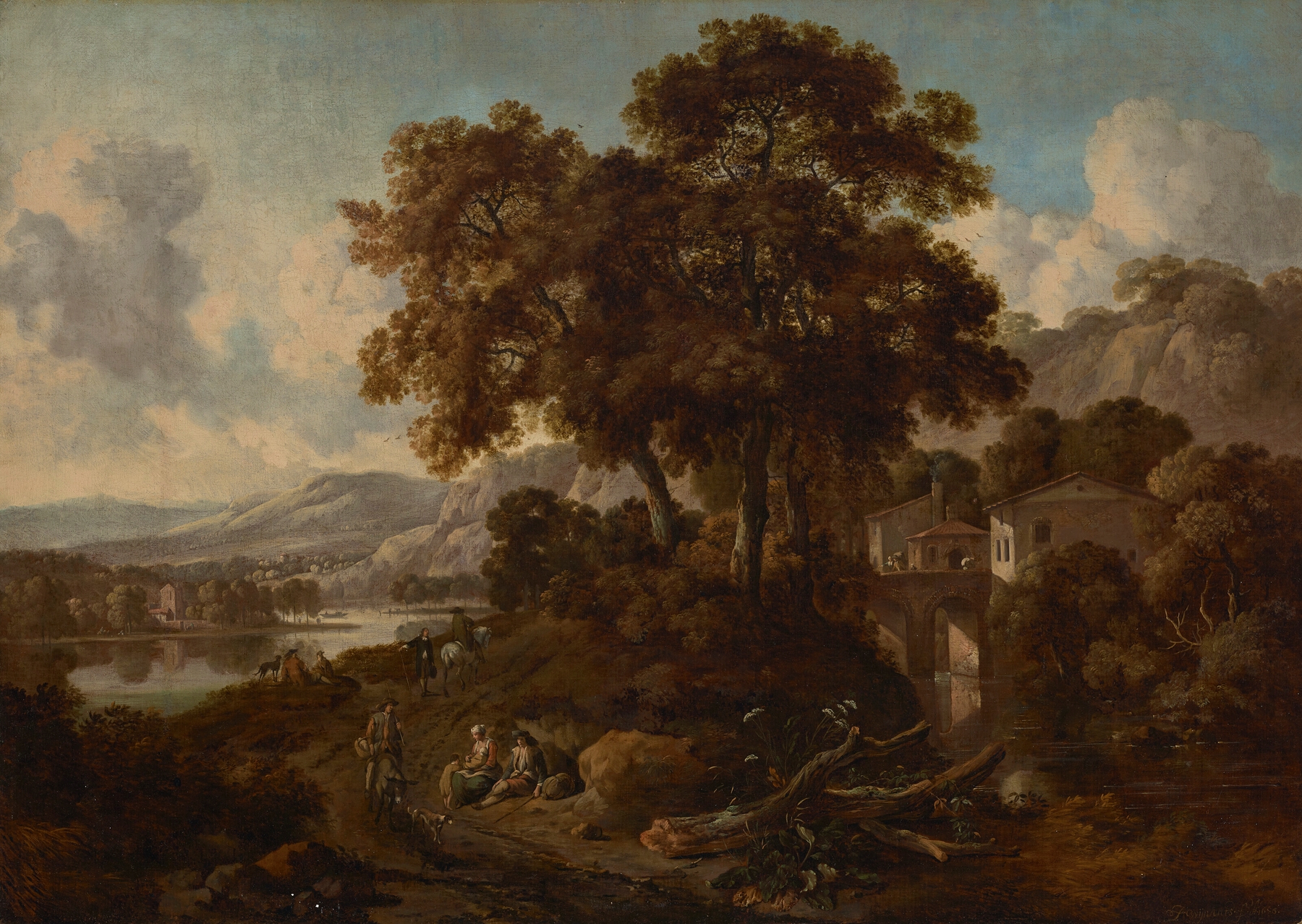
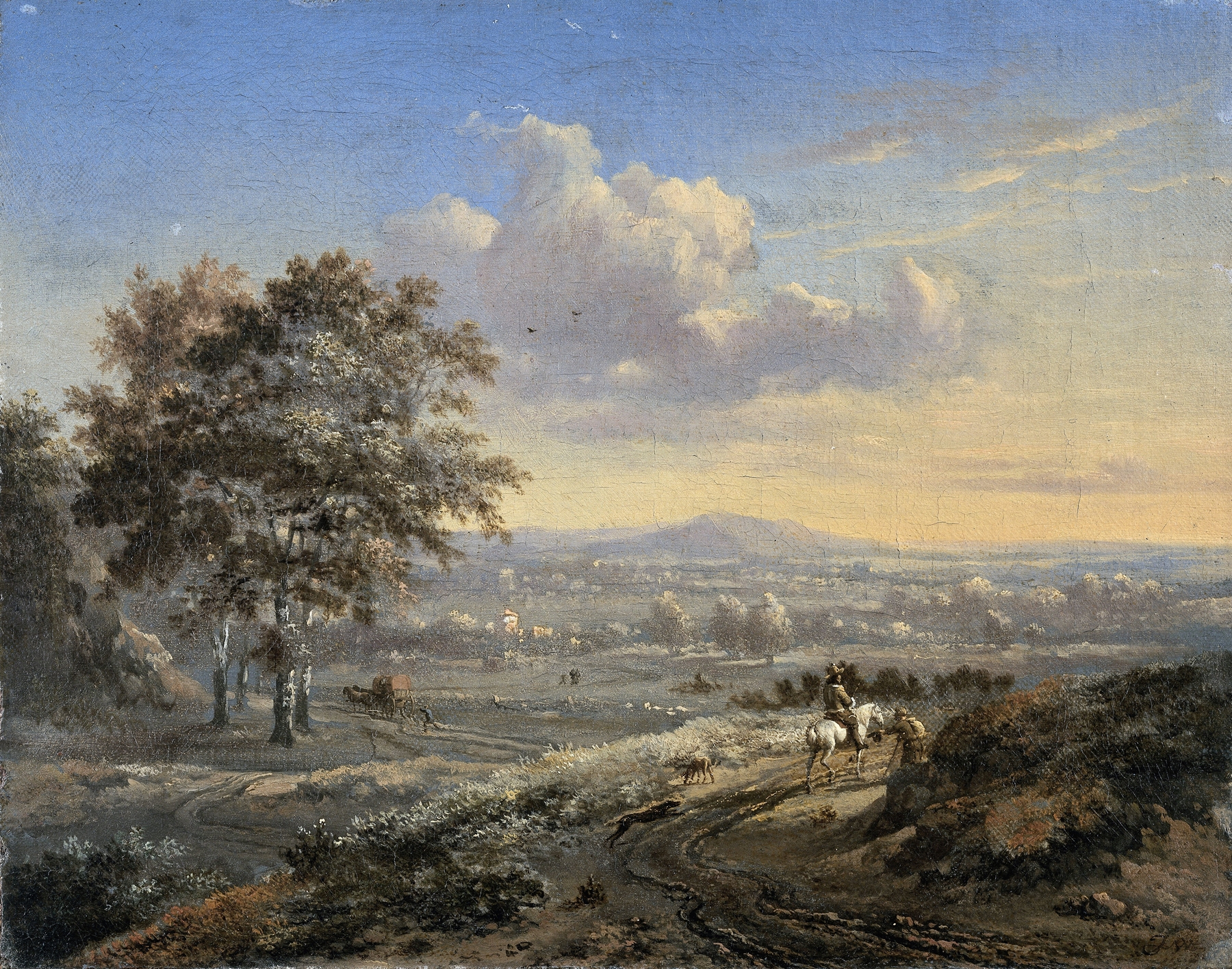
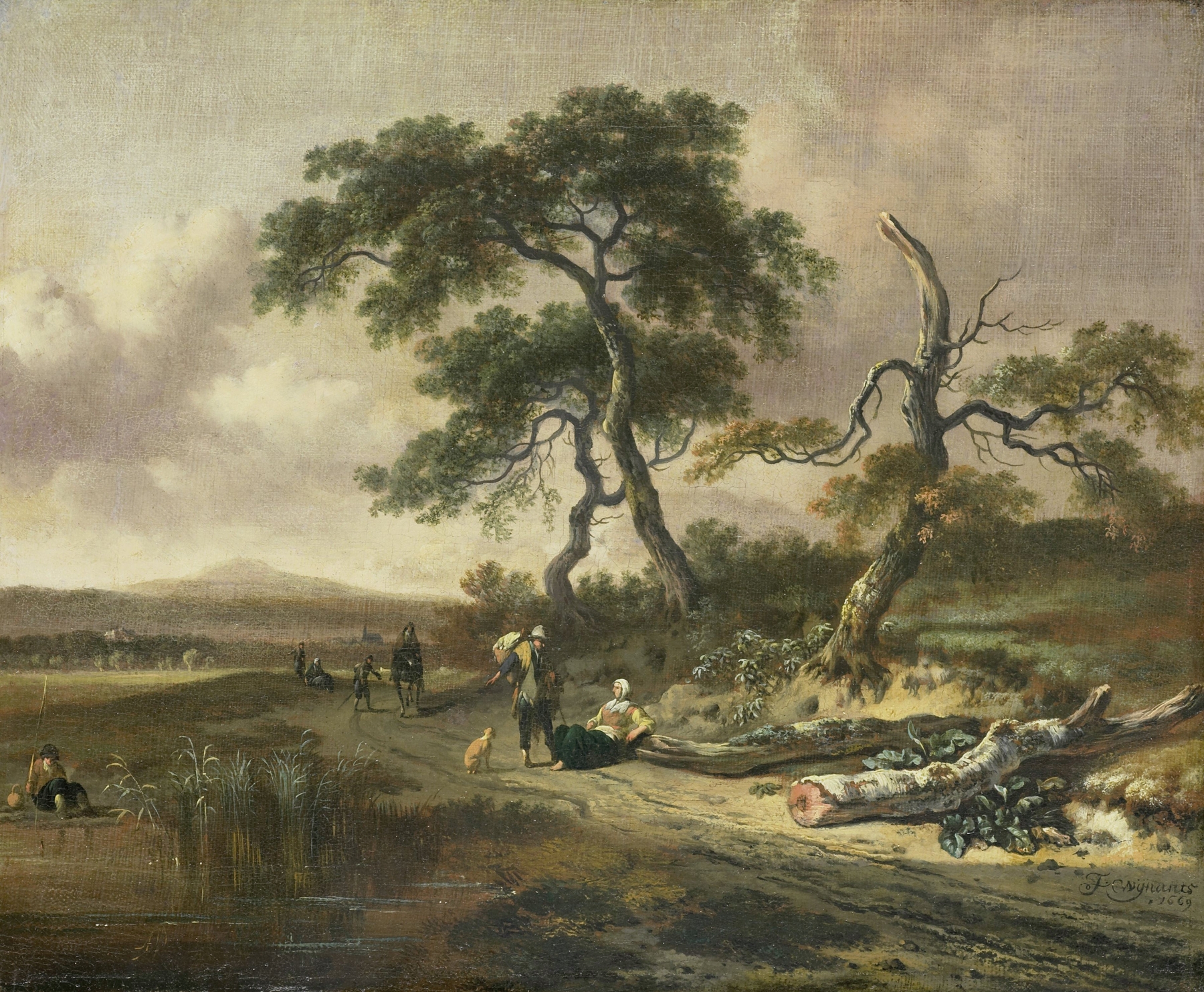
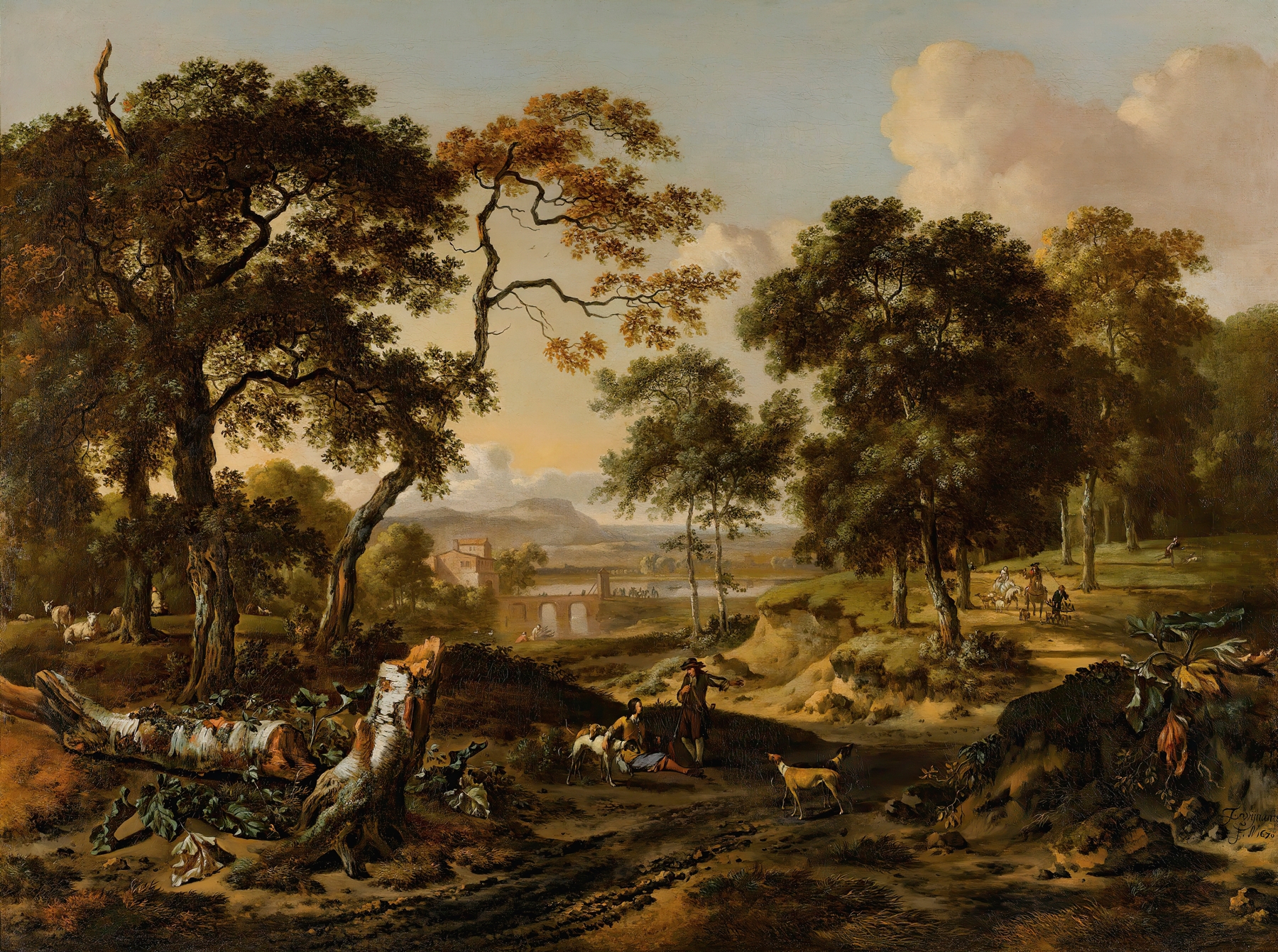
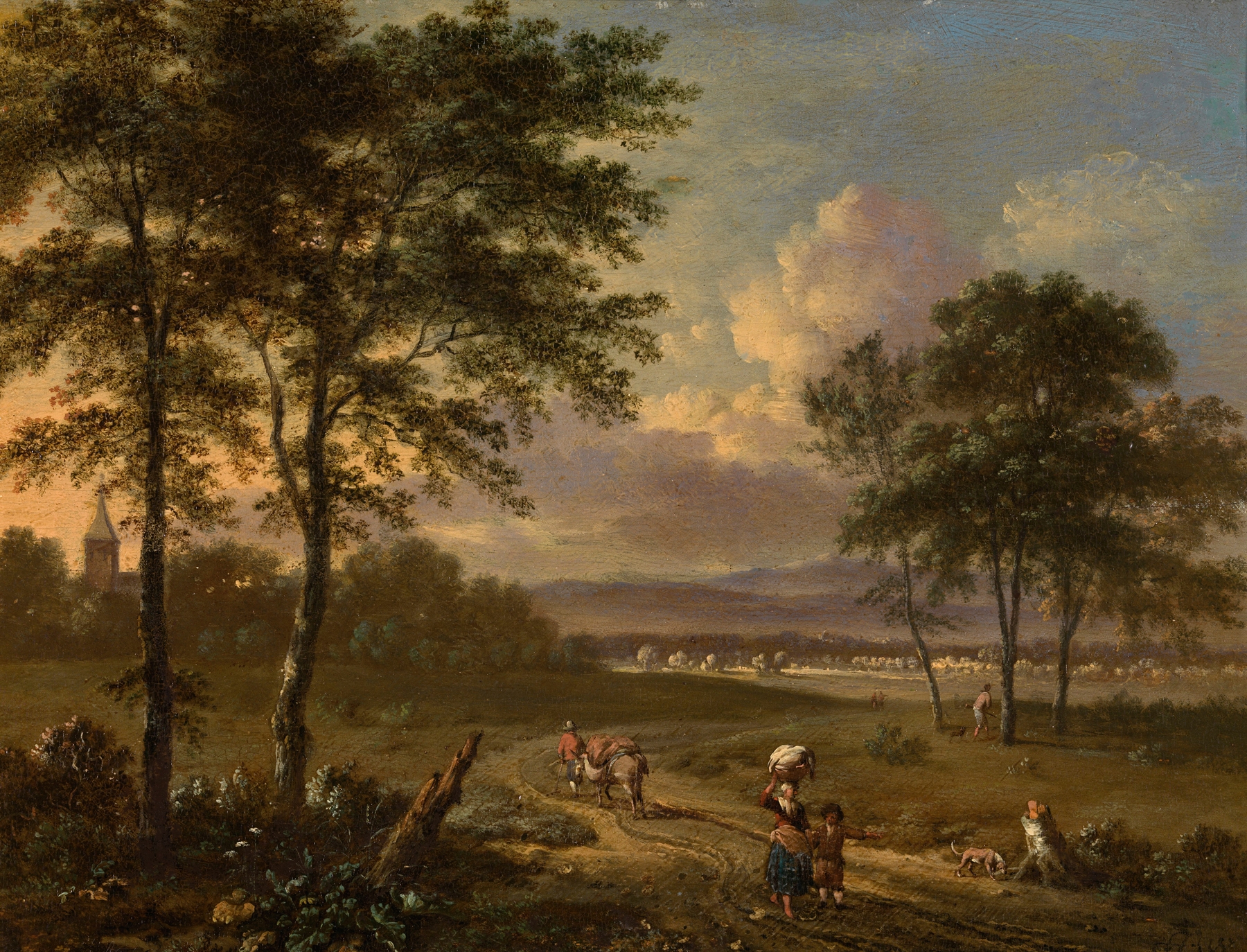
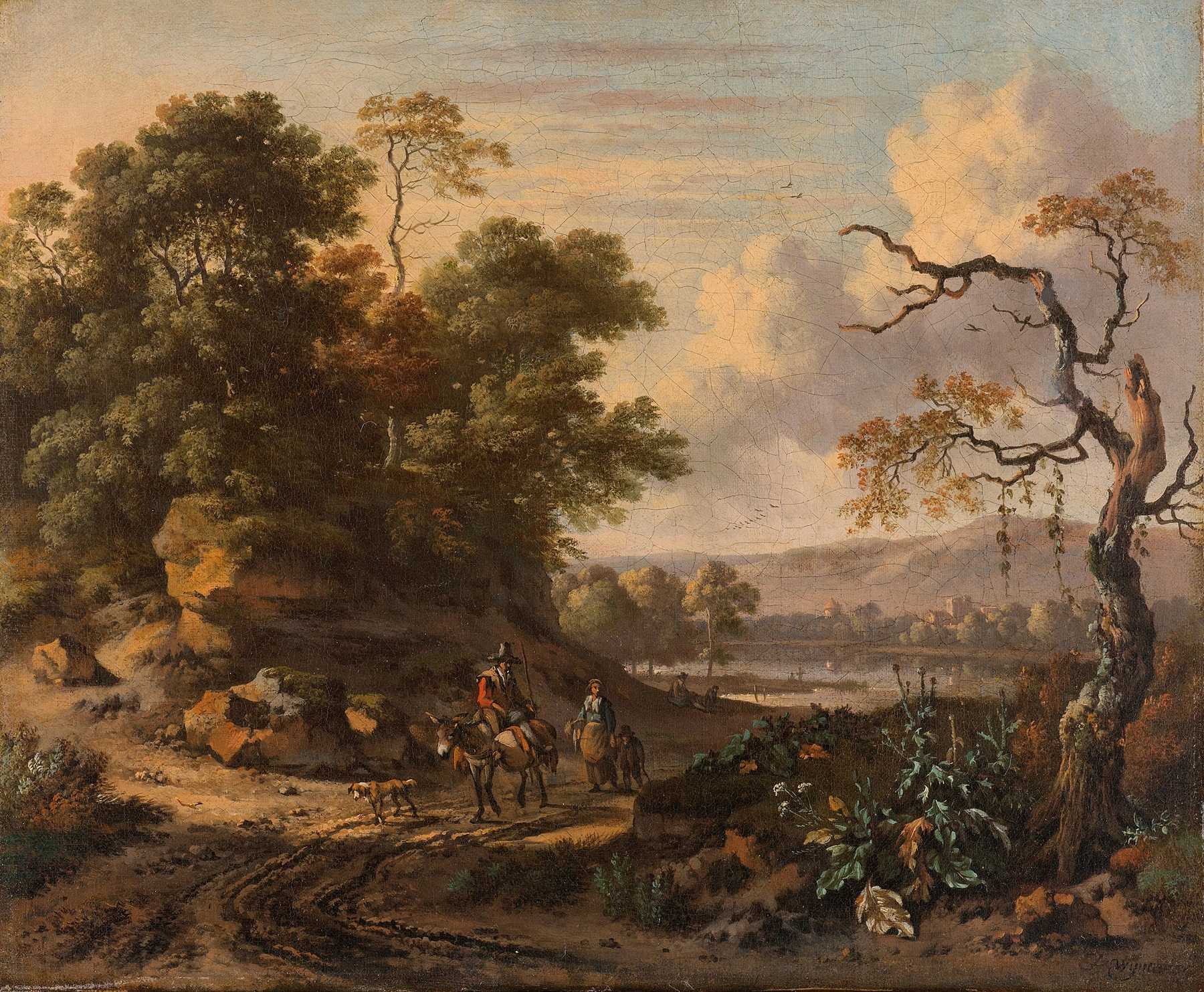
Can beauty exist without sorrow? In *Landscape with a Man Riding a Donkey*, Jan Wijnants presents a harmonious interplay of nature’s splendor and human toil, prompting a reflective contemplation of balance in life’s journey. Focus first on the gentle curve of the path that meanders through the verdant landscape, leading the viewer's gaze toward the distant horizon. The rich greens and earthy browns are punctuated by dappled sunlight filtering through the clouds, illuminating the figure atop the donkey. Notice how the rider's posture conveys both ease and weariness, suggesting a relationship with the terrain that is both intimate and challenging, while the tranquil scene hints at an underlying narrative of labor and rest. Hidden beneath the idyllic surface lies a tension between the pastoral beauty and the solitary figure's struggle. The vastness of the landscape serves to emphasize the smallness of the man and his donkey, evoking a sense of humility in the face of nature's grandeur. This contrast between the serenity of nature and the quiet determination of the rider invites reflection on the balance between joy and hardship faced in life’s pursuits. Wijnants painted this scene during the mid-17th century, a period marked by the flourishing of Dutch landscape painting. Residing in the Netherlands, he was influenced by the natural world surrounding him and the artistic developments of his time, which emphasized realism and the beauty of everyday life. In creating this work, he navigated the delicate balance between celebration and struggle, manifesting a deeply relatable human experience.