Landscape With Sportsmen Resting By A Path — History & Analysis
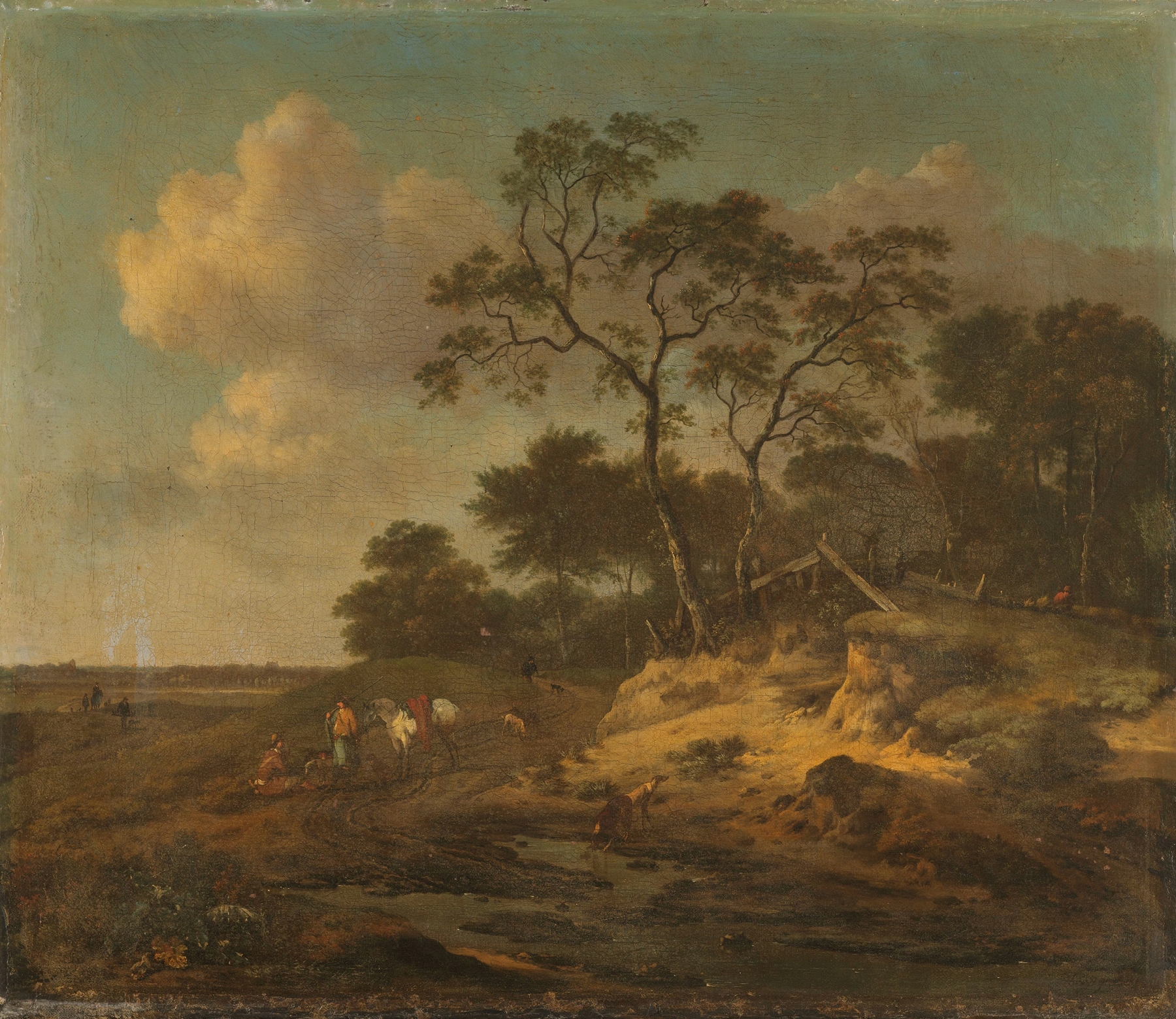
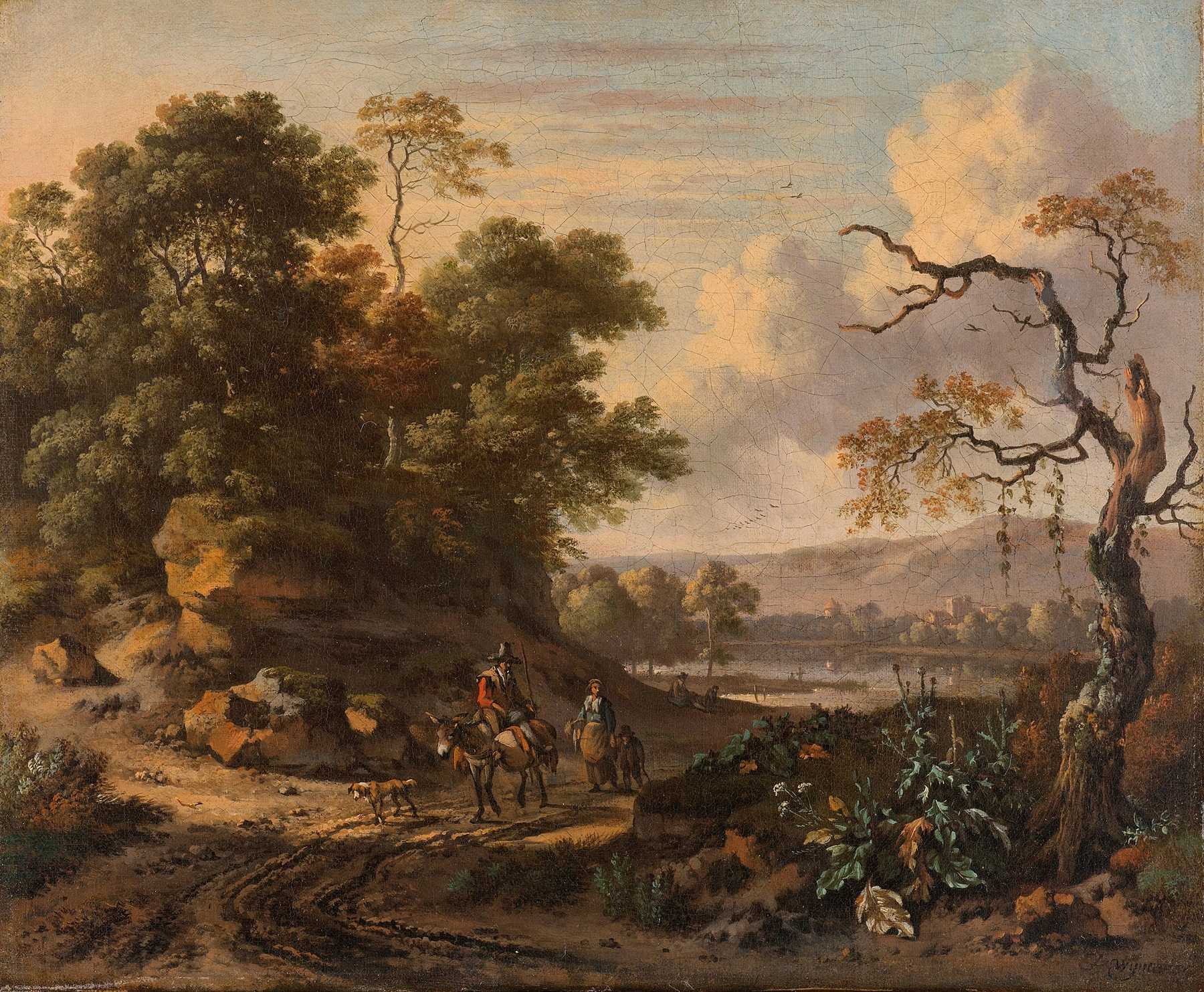
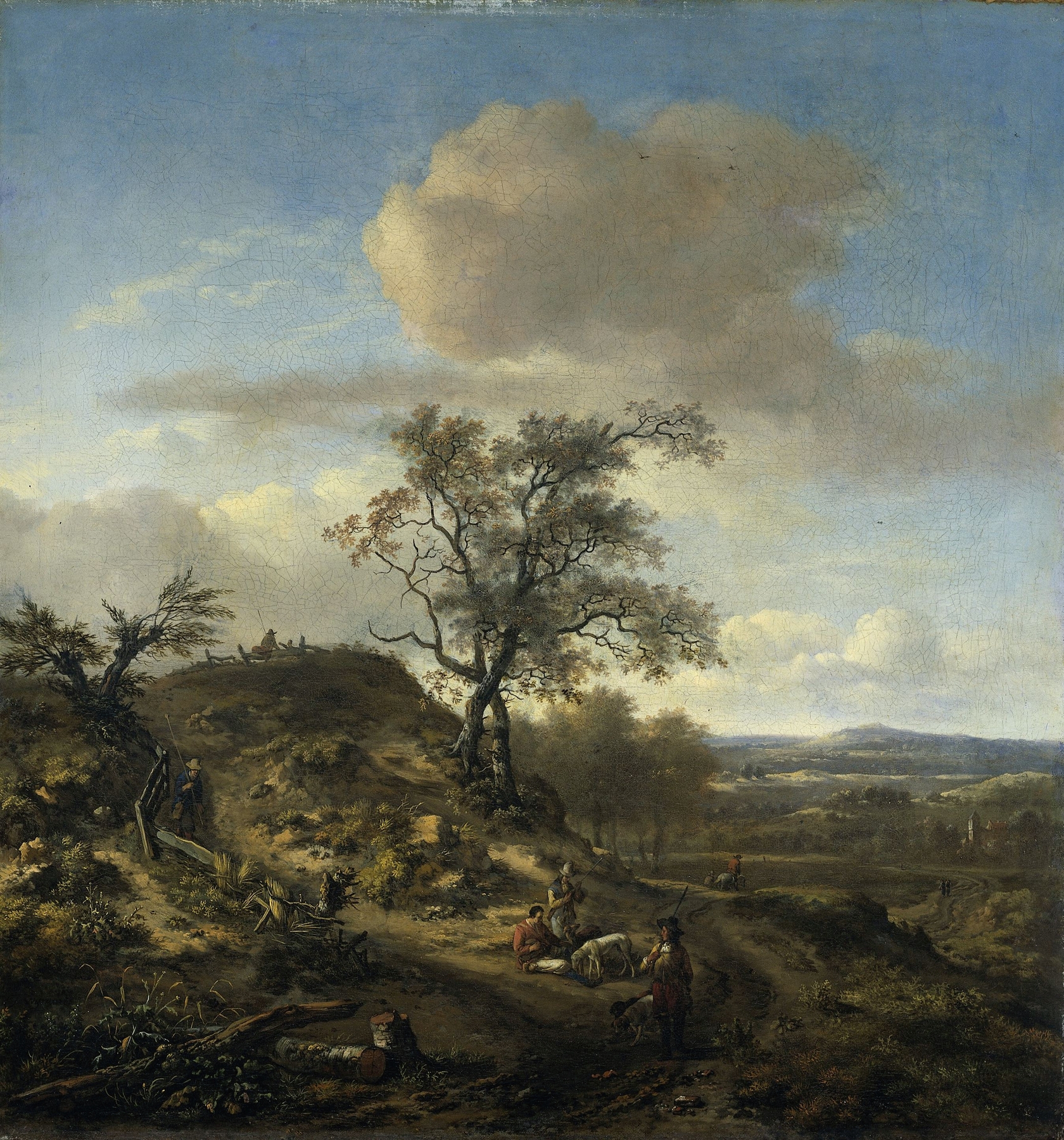
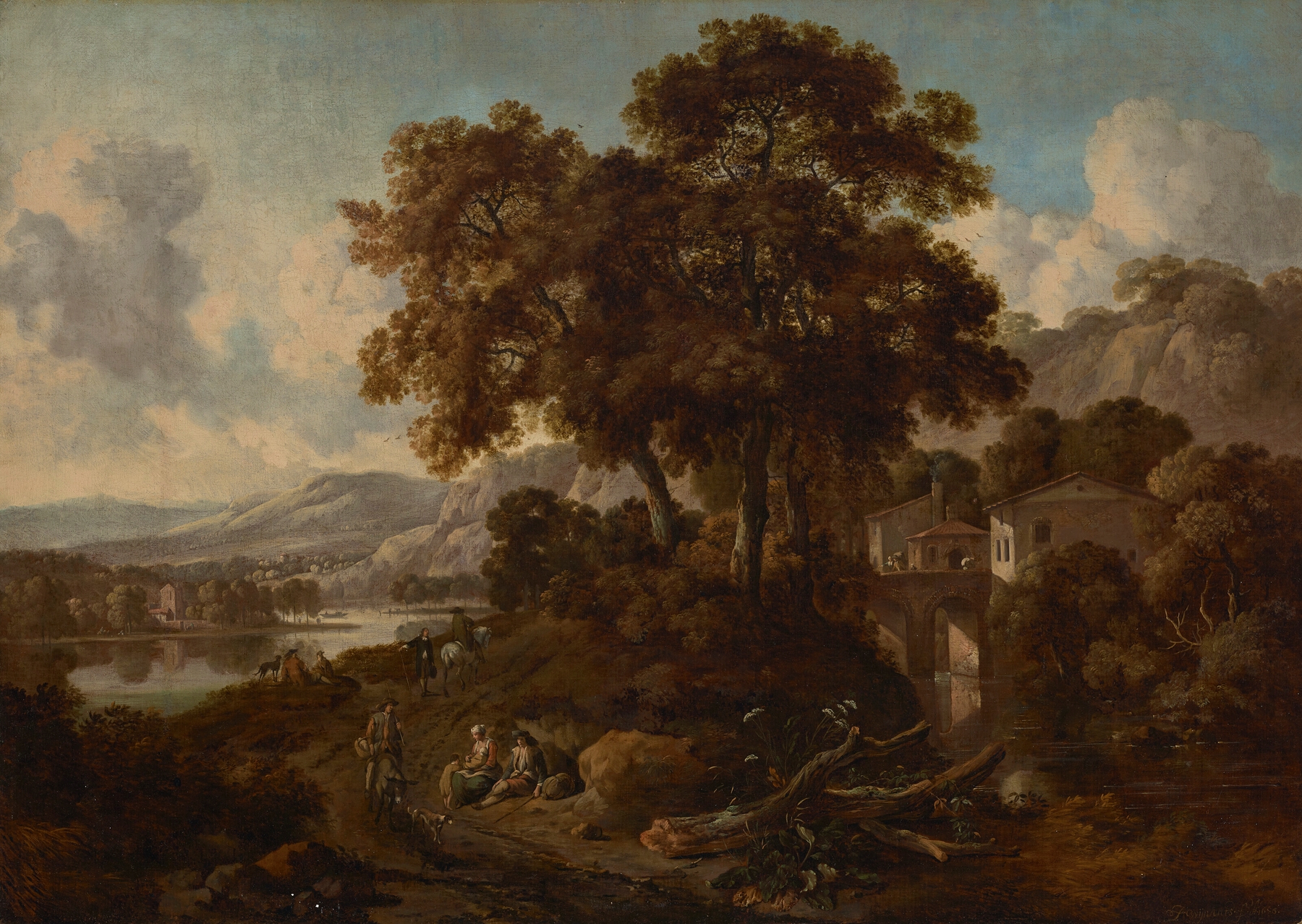
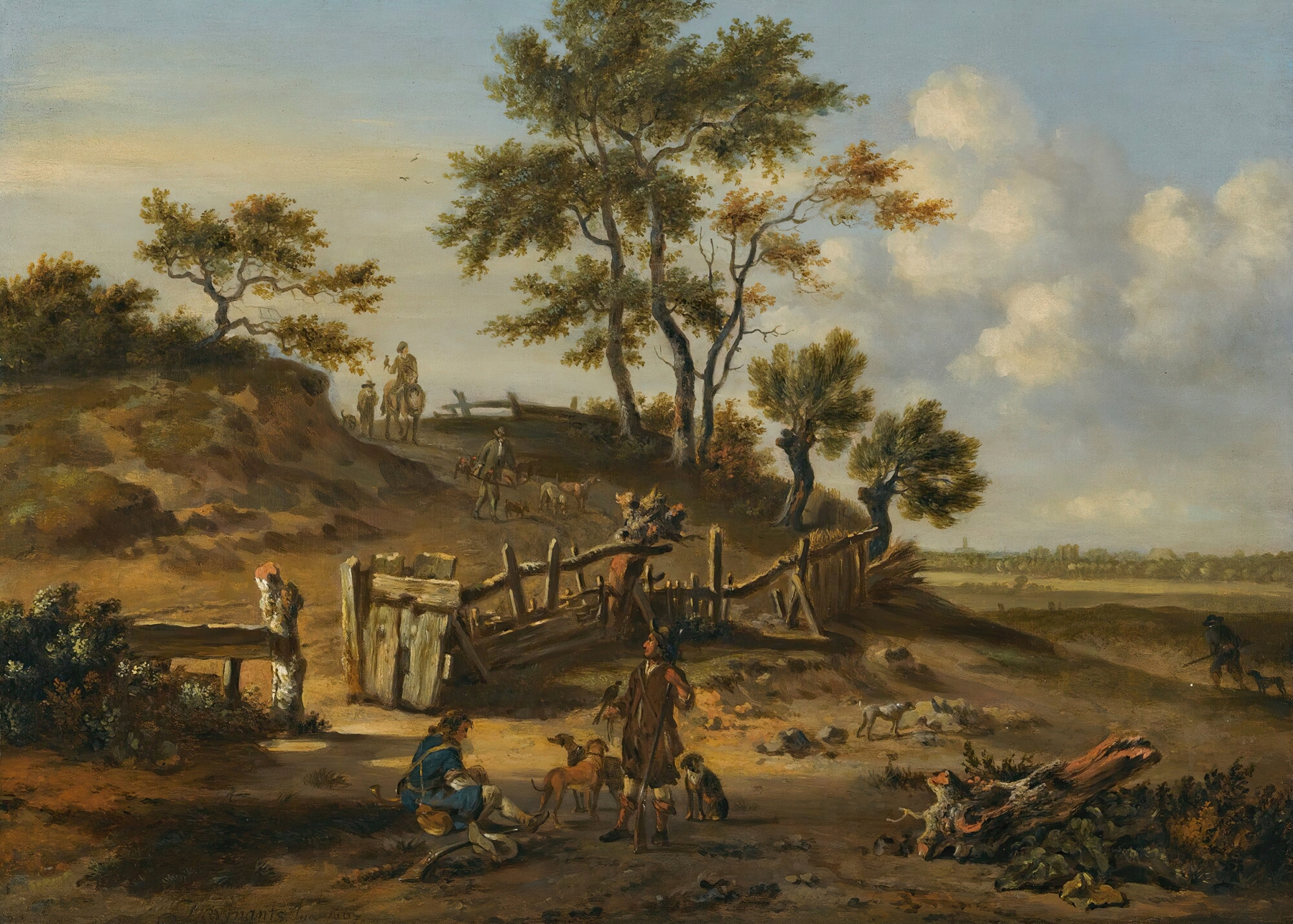
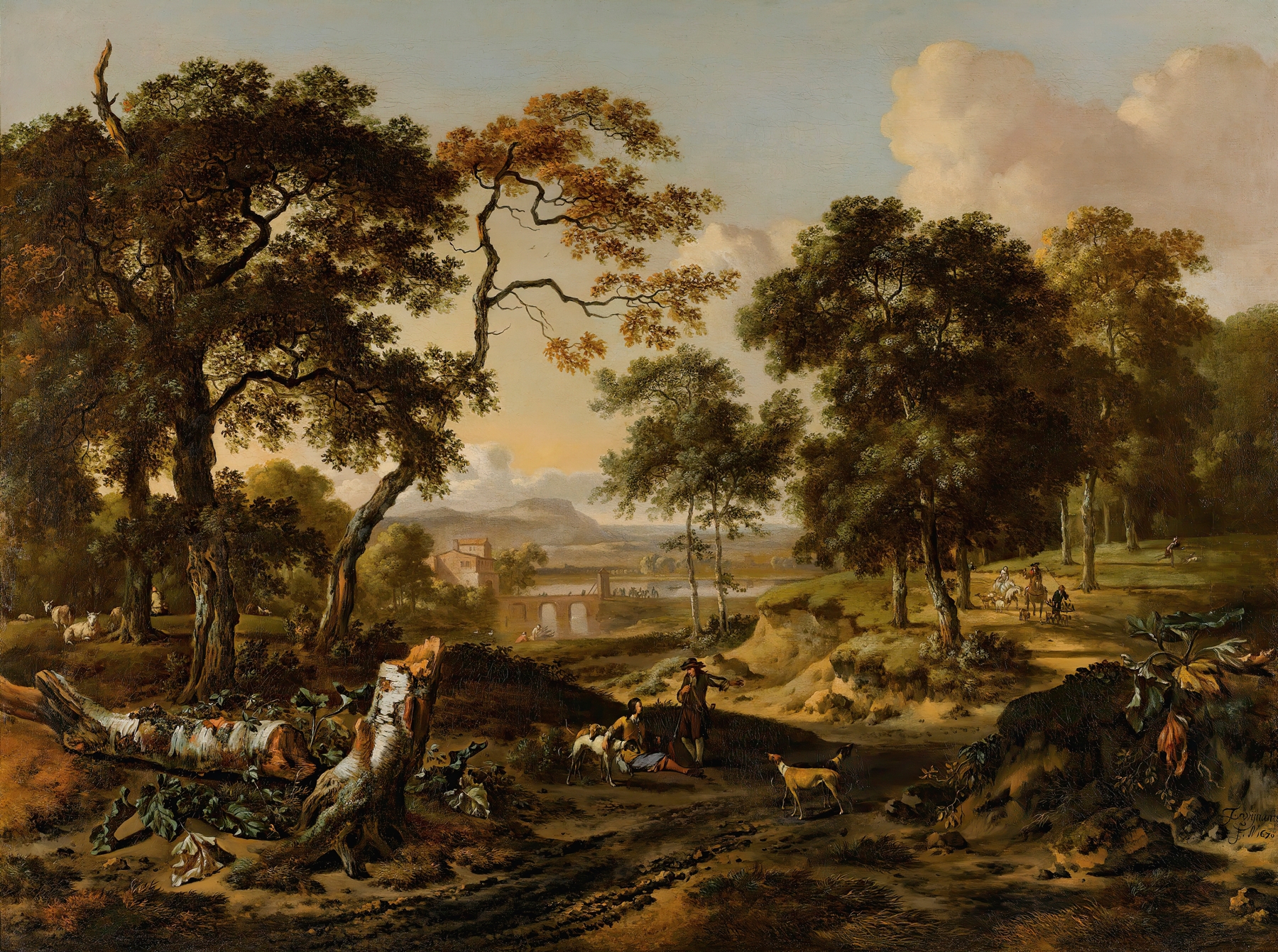
“Sometimes beauty is just pain, disguised in gold.” This notion resonates powerfully within the tranquil yet poignant imagery of this work, where the serenity of the landscape belies the underlying truths of human existence. Nature’s splendor often masks the vulnerabilities of its witnesses, inviting us to explore the quiet narratives held within. Look to the left at the lush, verdant trees, their leaves almost shimmering with a golden hue in the fading light. The path curves gently through the scene, leading the eye toward the resting figures, who sit in relaxed conversation, yet their postures hint at weariness.
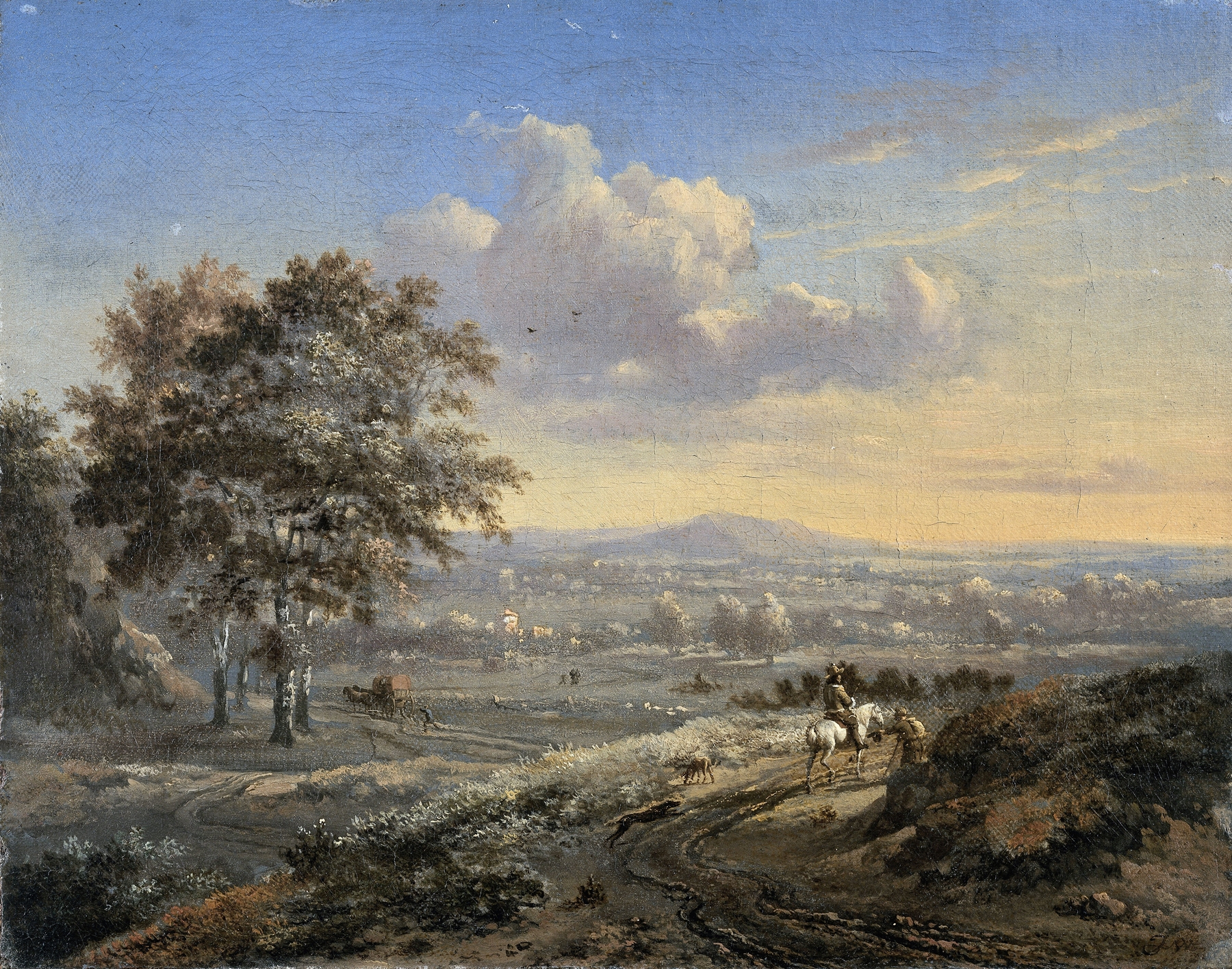
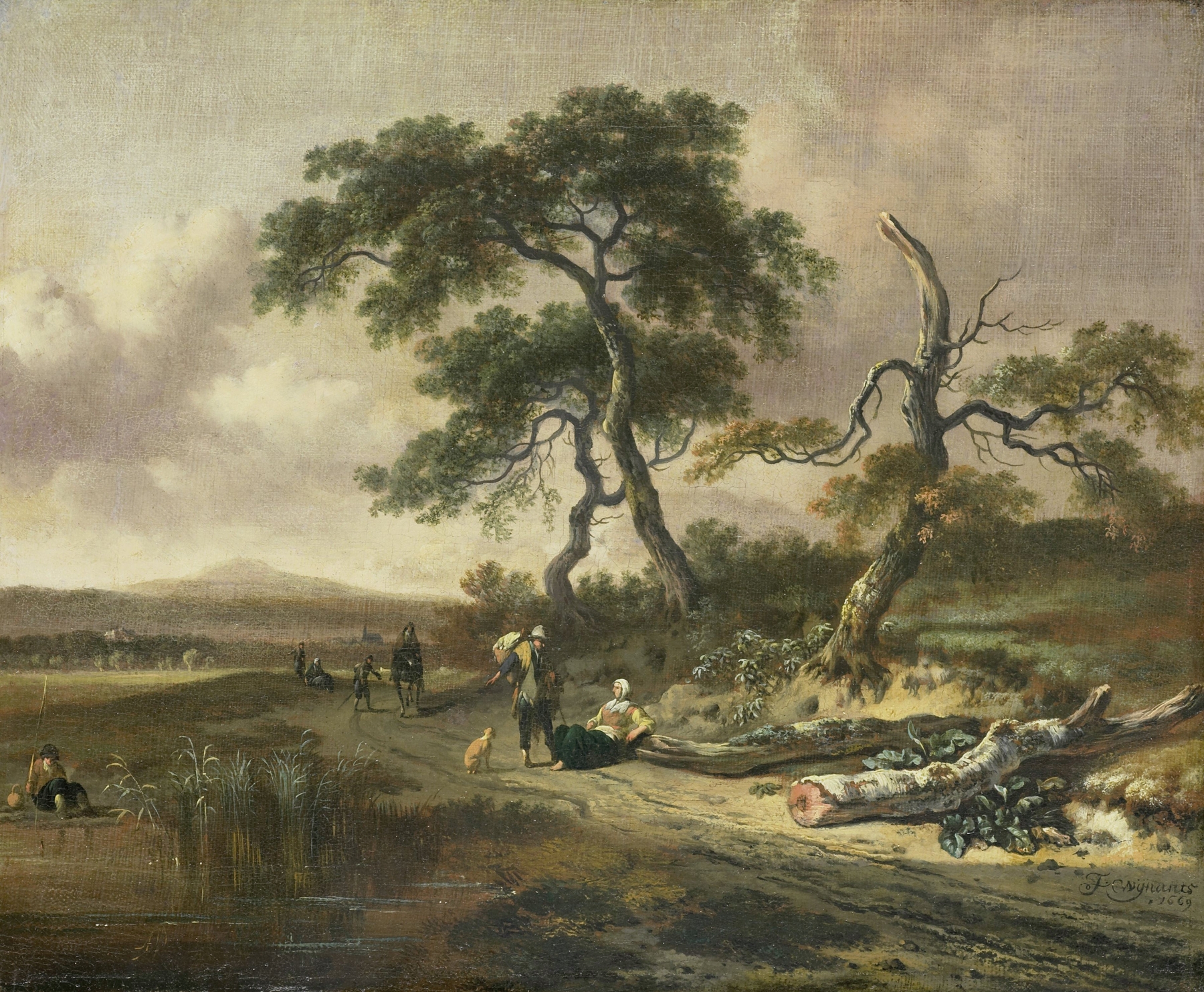
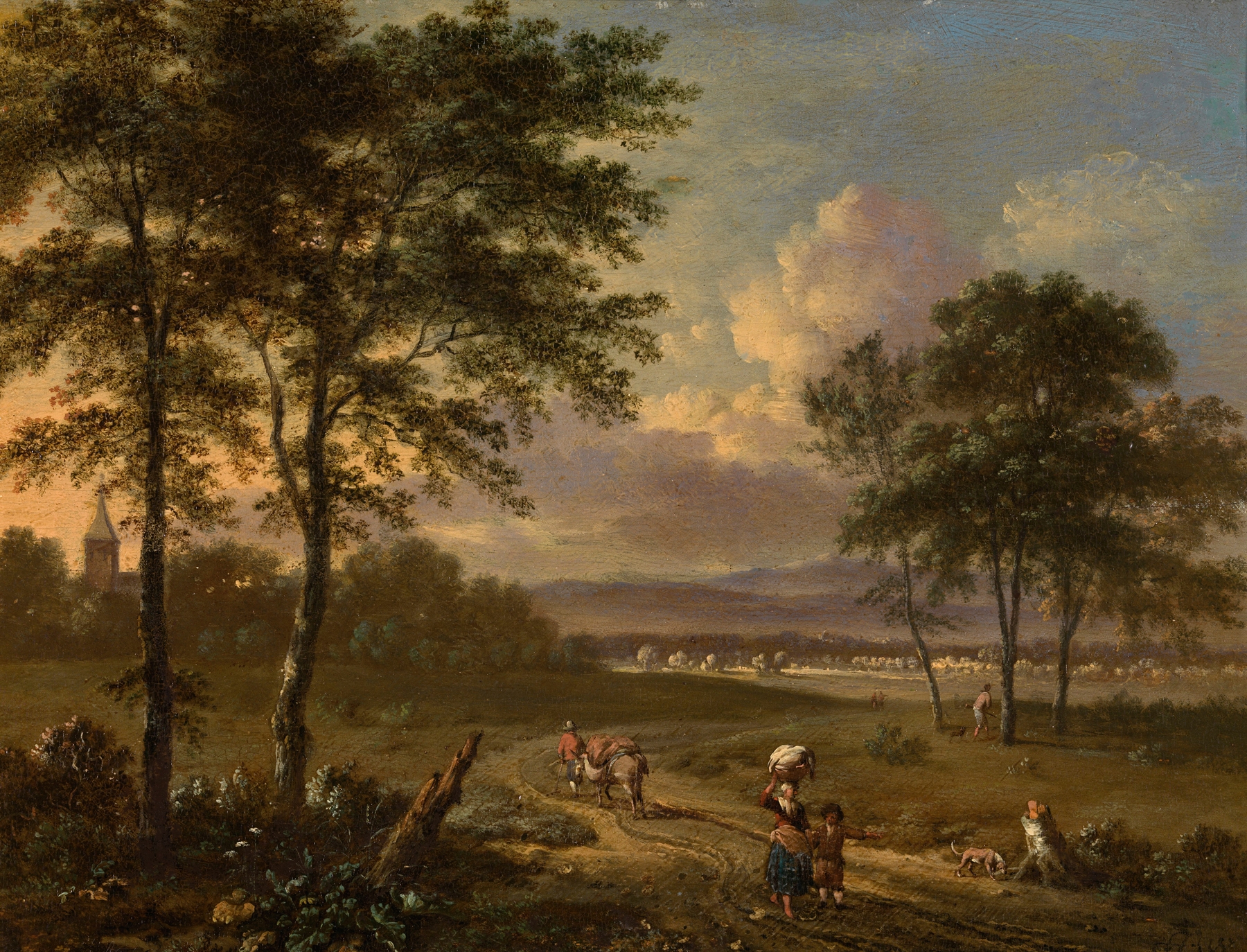
Notice how the painter captures the interplay of light and shadow, employing soft brushstrokes that create a sense of depth and atmosphere, bringing warmth to the colors while simultaneously suggesting an unspoken tension in the air. At first glance, this peaceful tableau might evoke a sense of pastoral bliss, but delve deeper, and you’ll find a complex web of emotions. The sportsmen, seemingly at ease, embody a juxtaposition of leisure and the burdens of their pursuits; the very act of resting alludes to the exhaustion that often accompanies recreation. Additionally, the golden light filtering through the foliage can symbolize both the beauty of nature and the transient nature of happiness, suggesting that such moments are fleeting and layered with deeper truths.
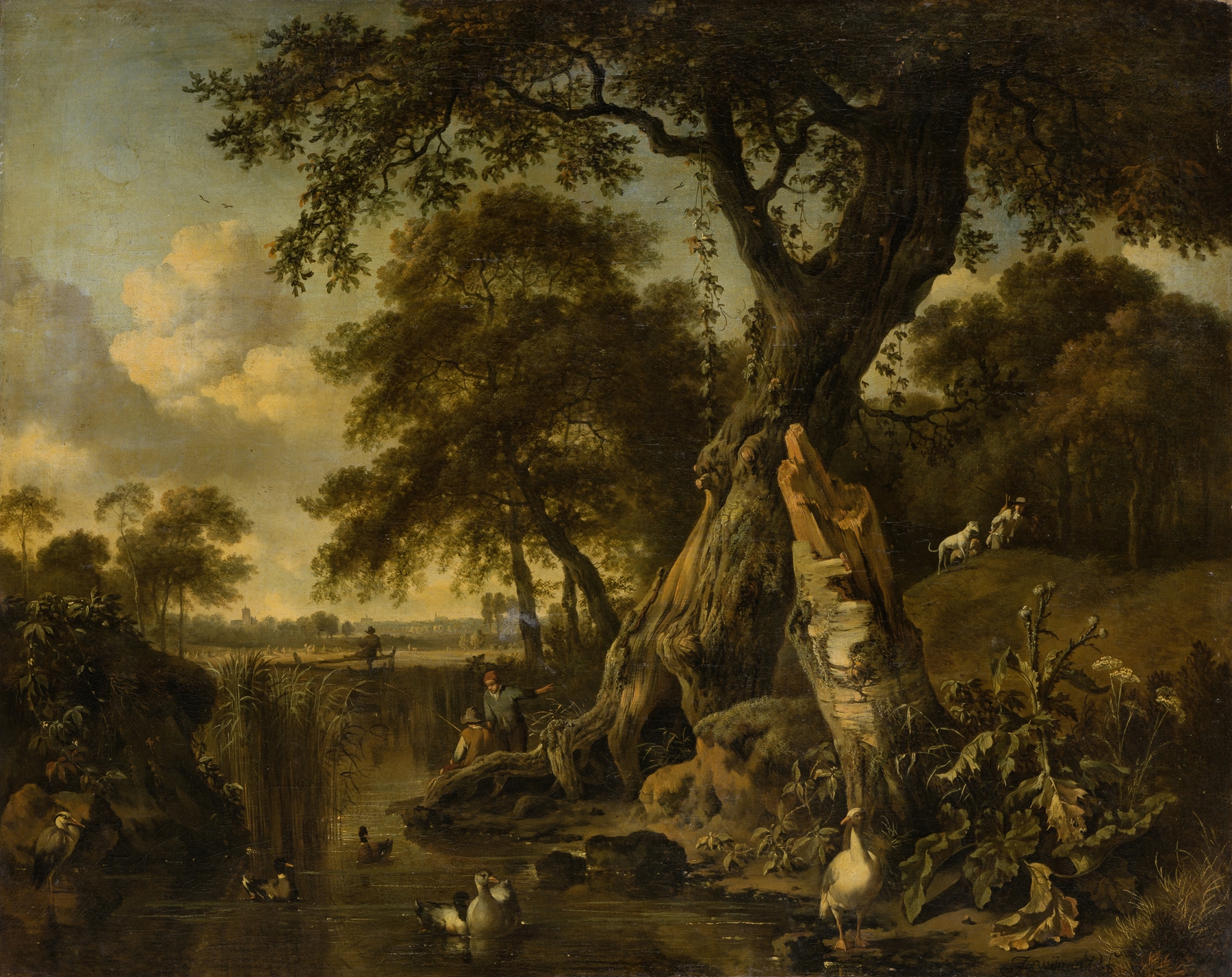
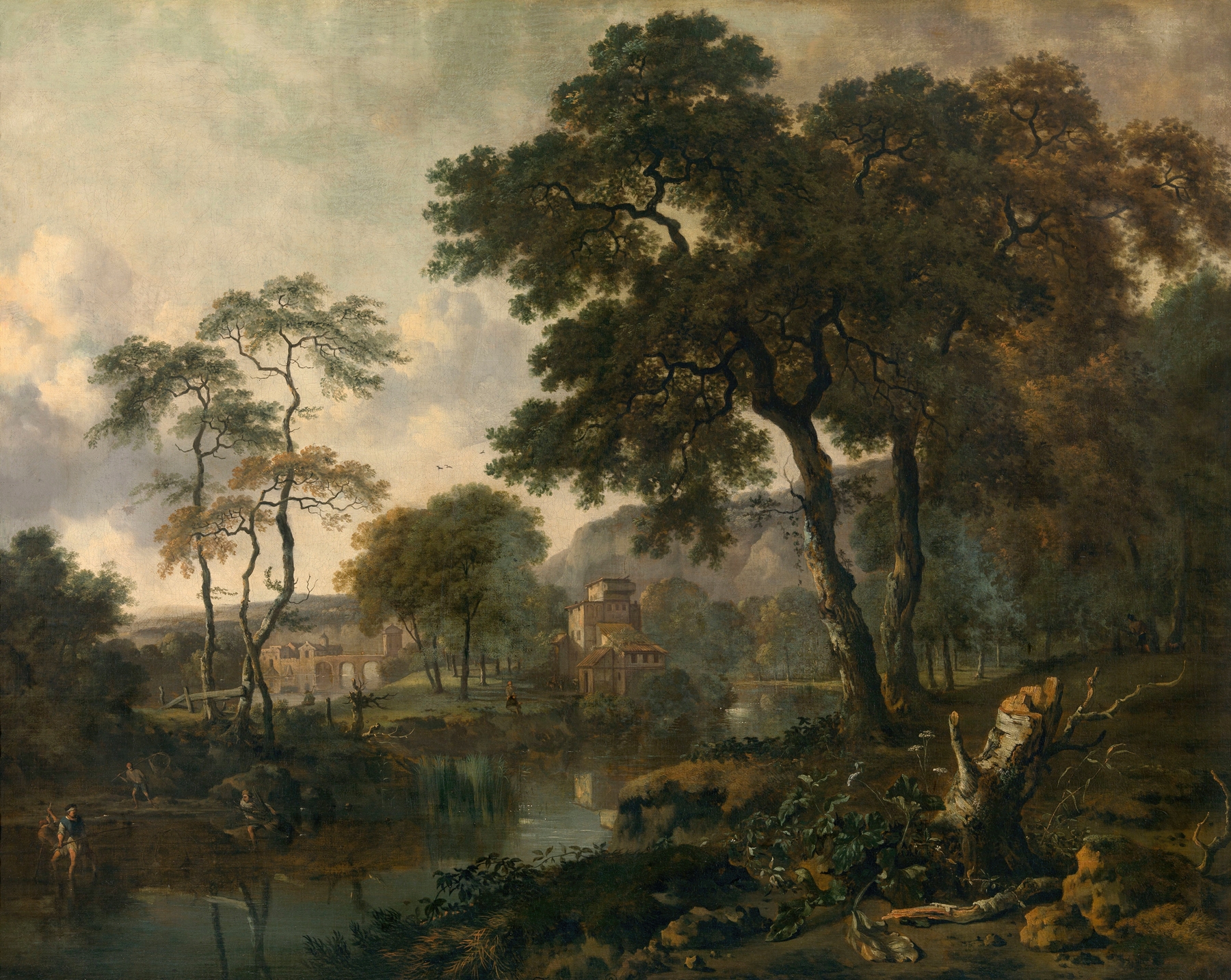
Jan Wijnants painted this landscape in 1670, during a time when the Dutch Golden Age was flourishing. His works reflected the increasing appreciation for nature and the leisure activities of the upper classes. This painting emerged amidst a backdrop of shifting artistic trends, as artists began focusing more on the interplay of light and color, signaling a gradual transition towards the Baroque style that would soon dominate the European art scene.