Landscape — History & Analysis
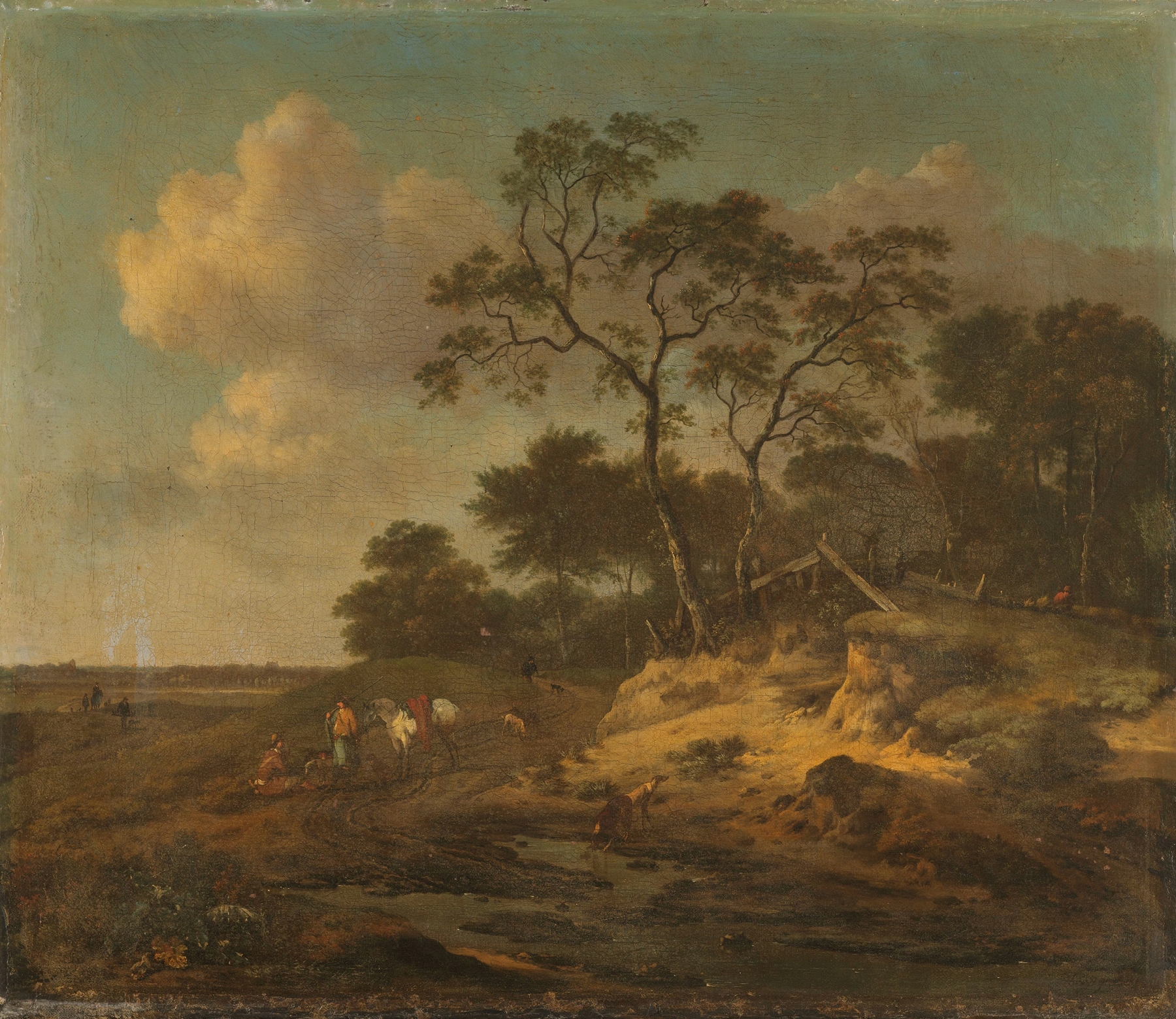
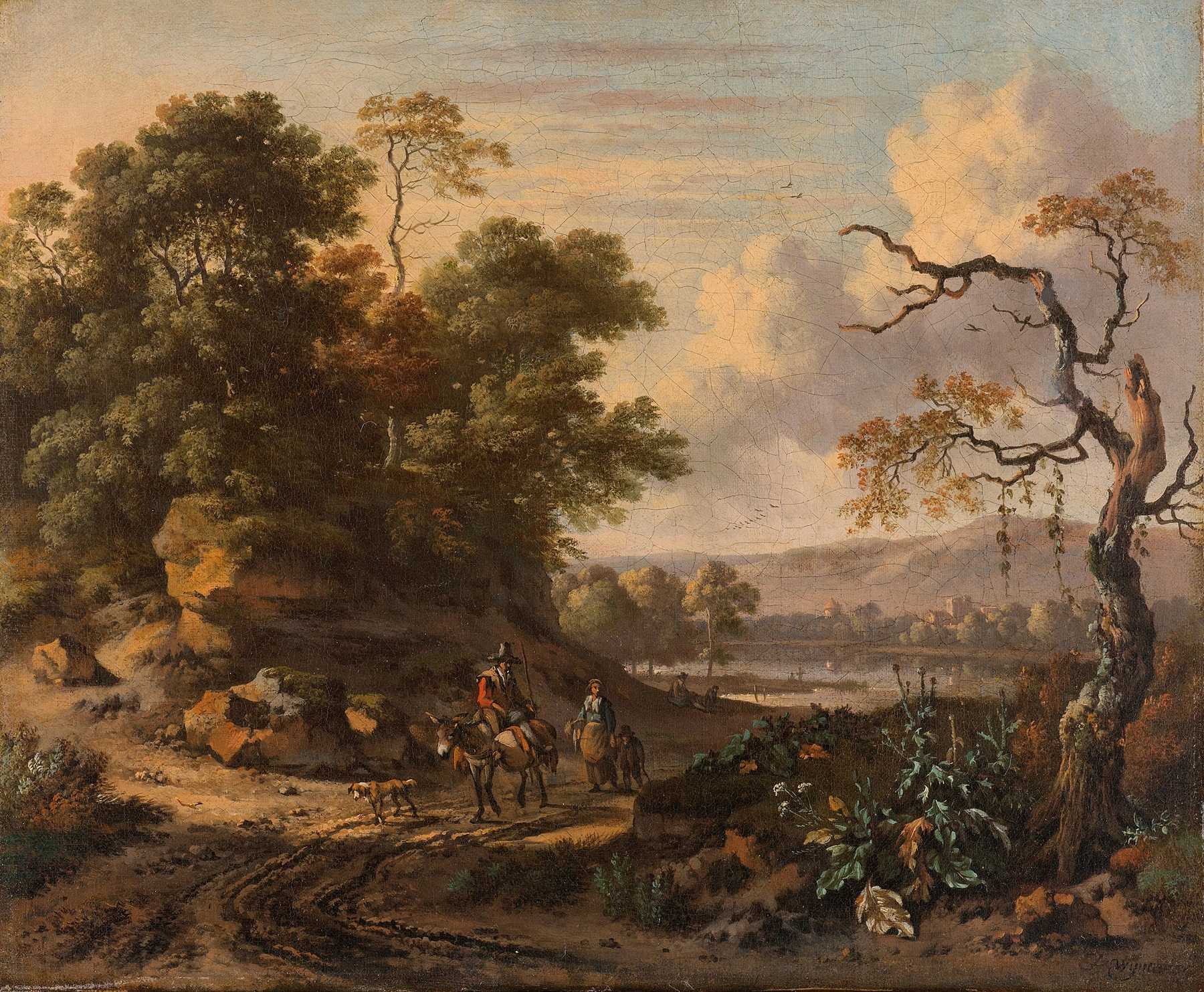
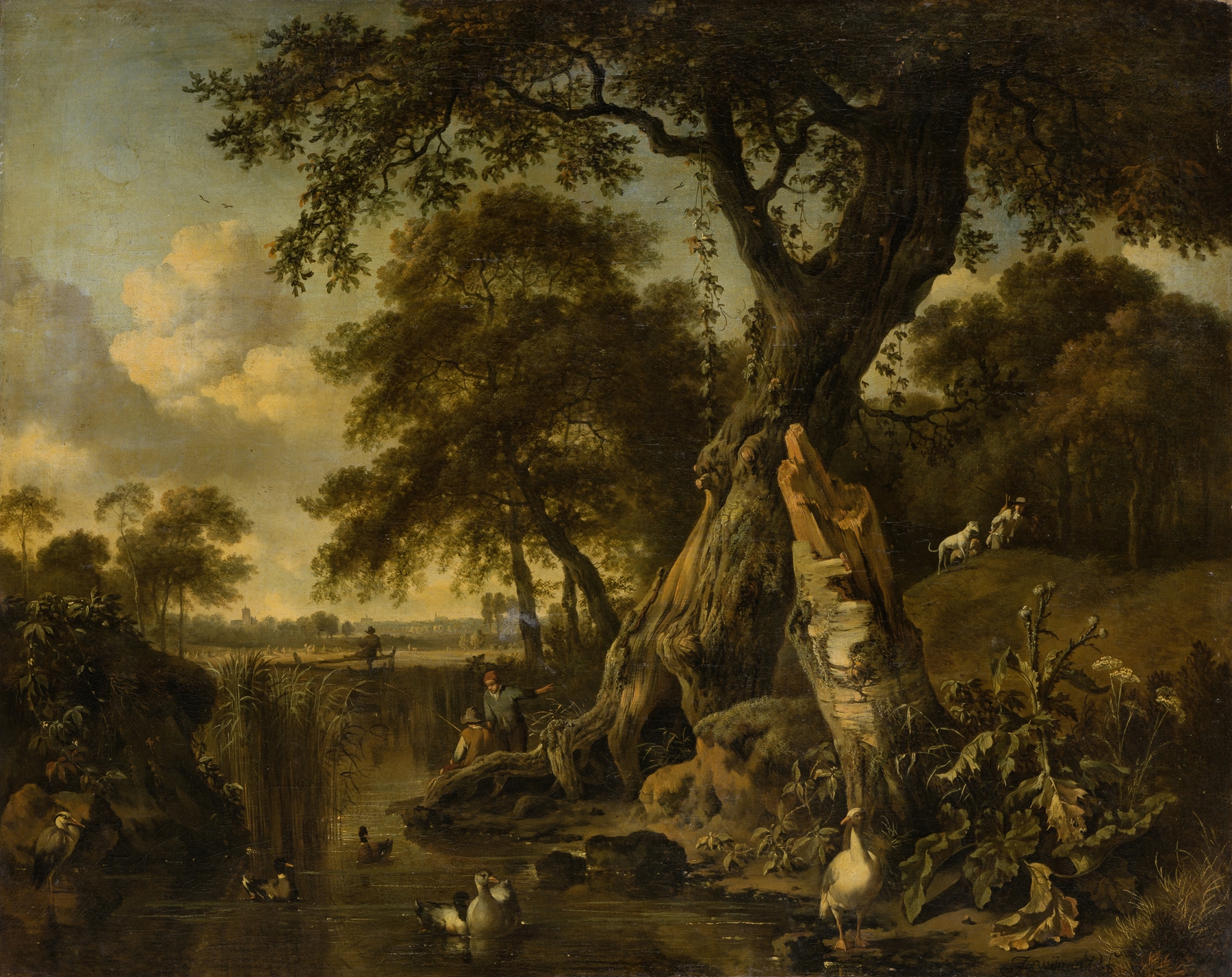
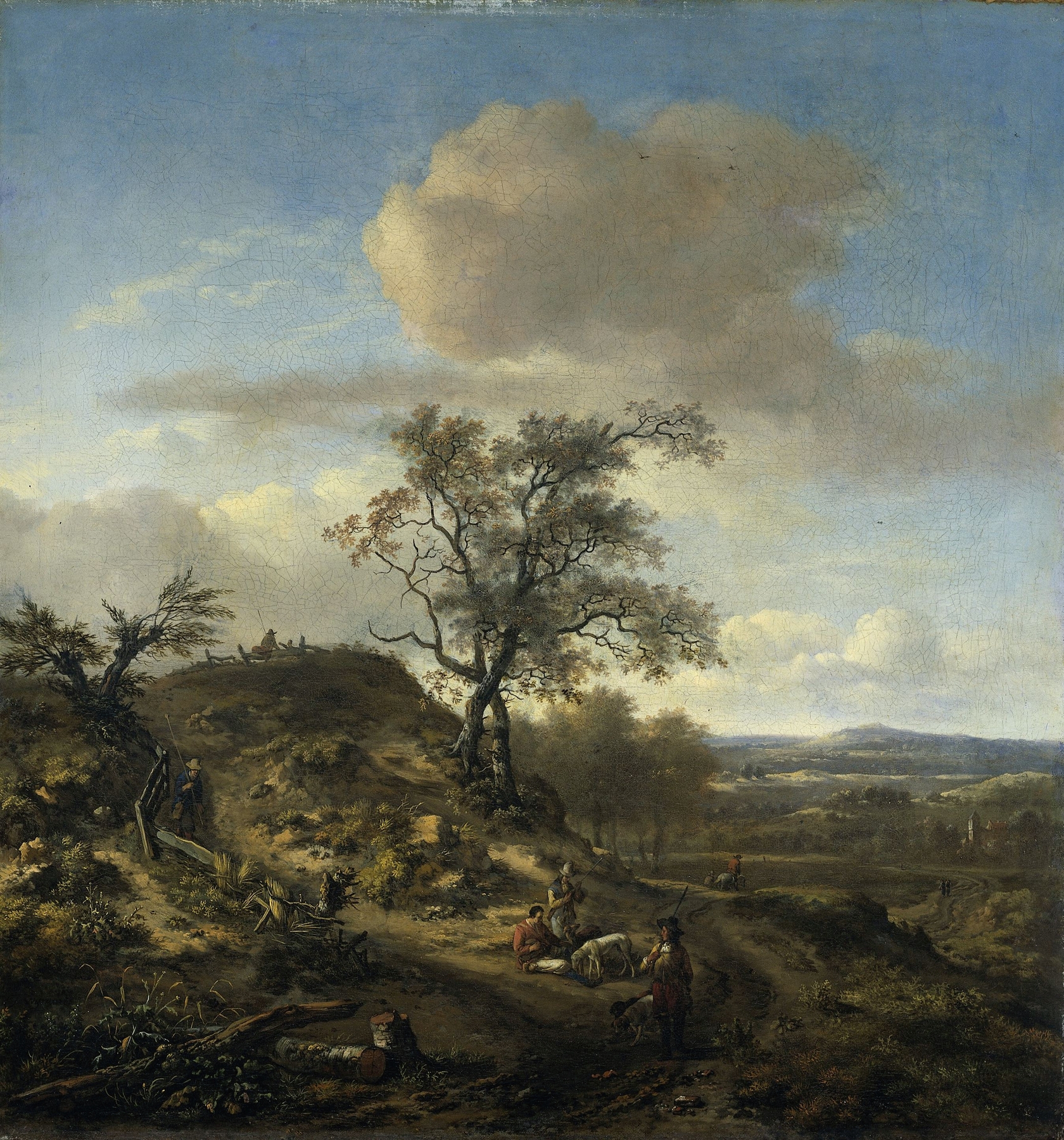
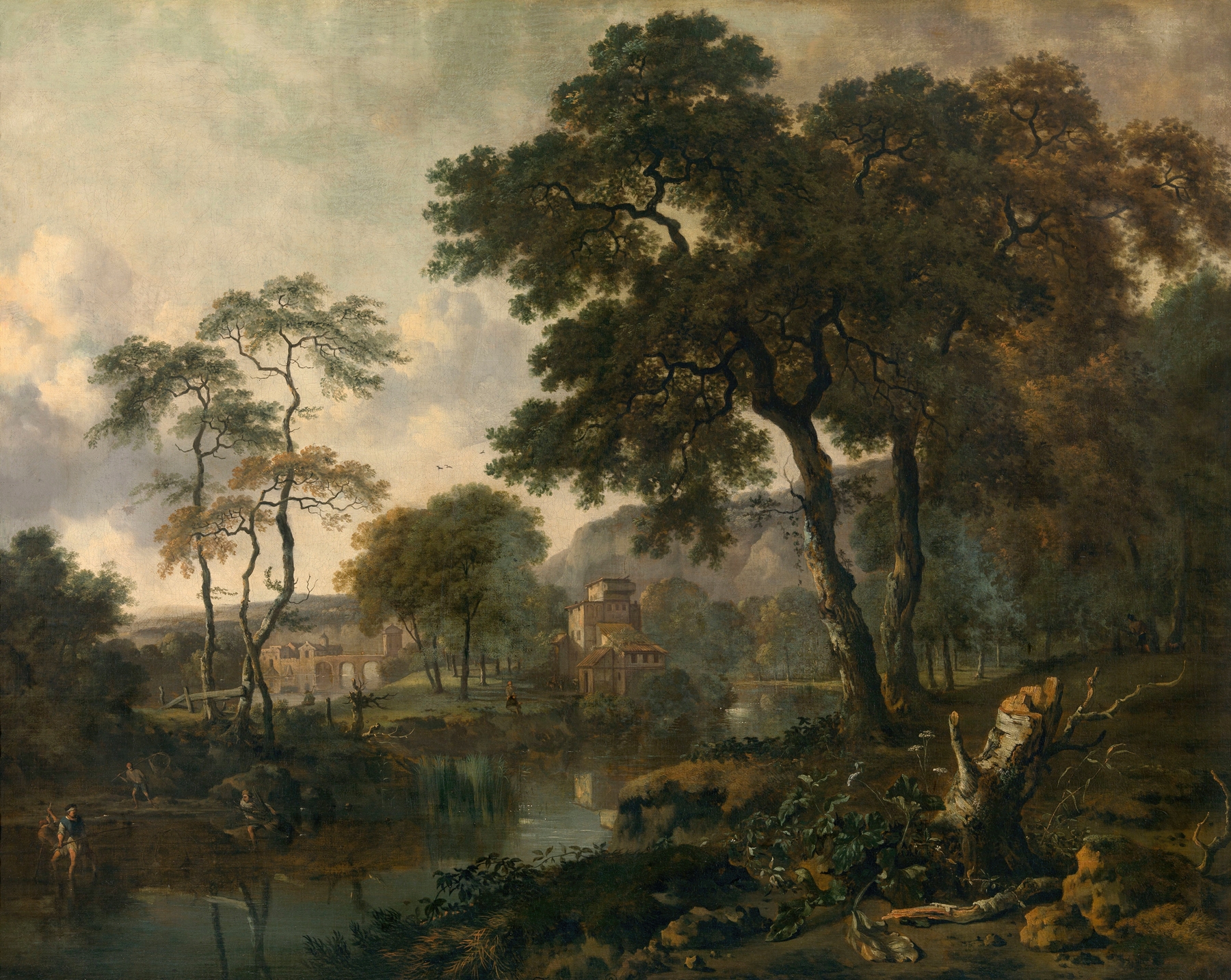
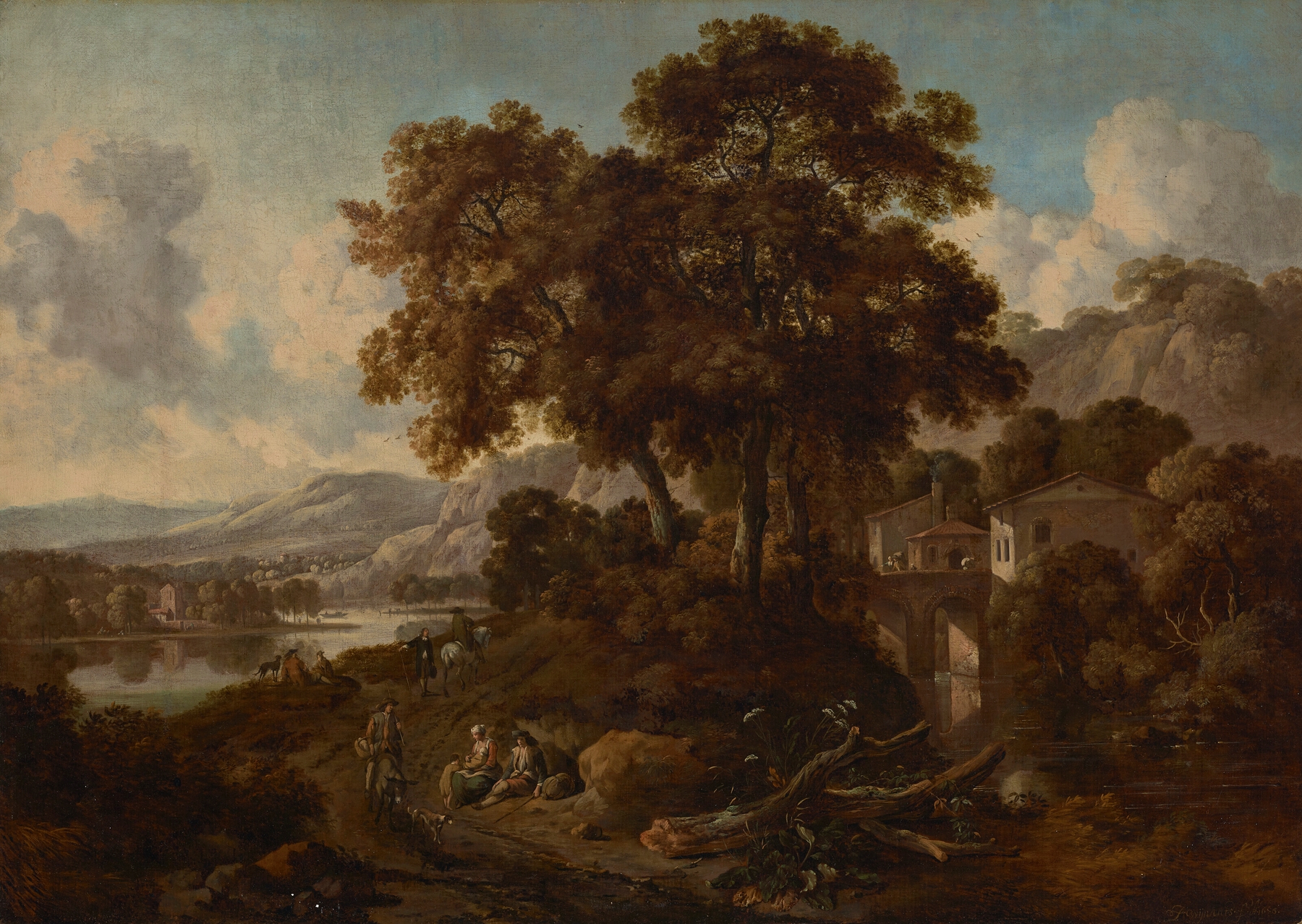
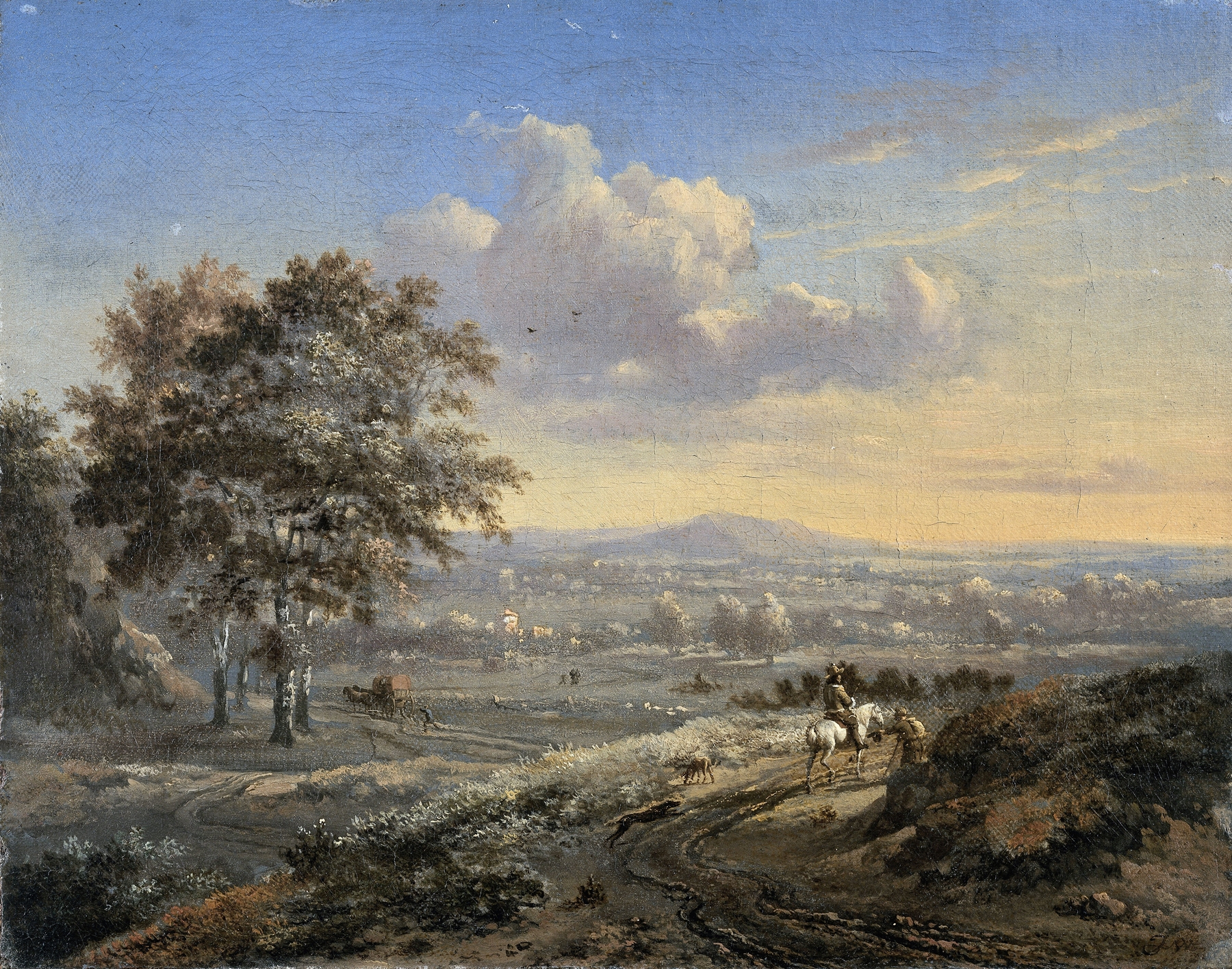
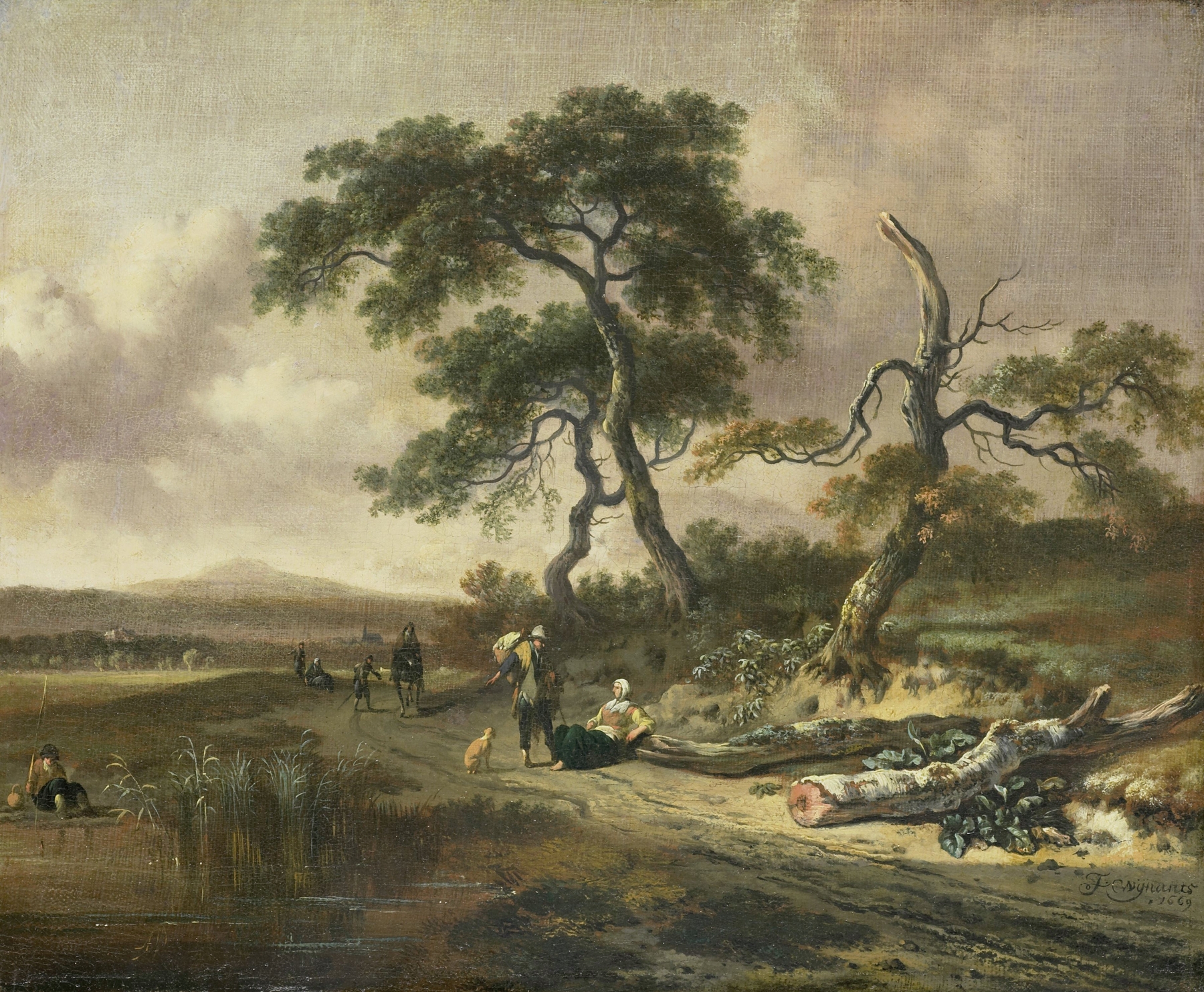
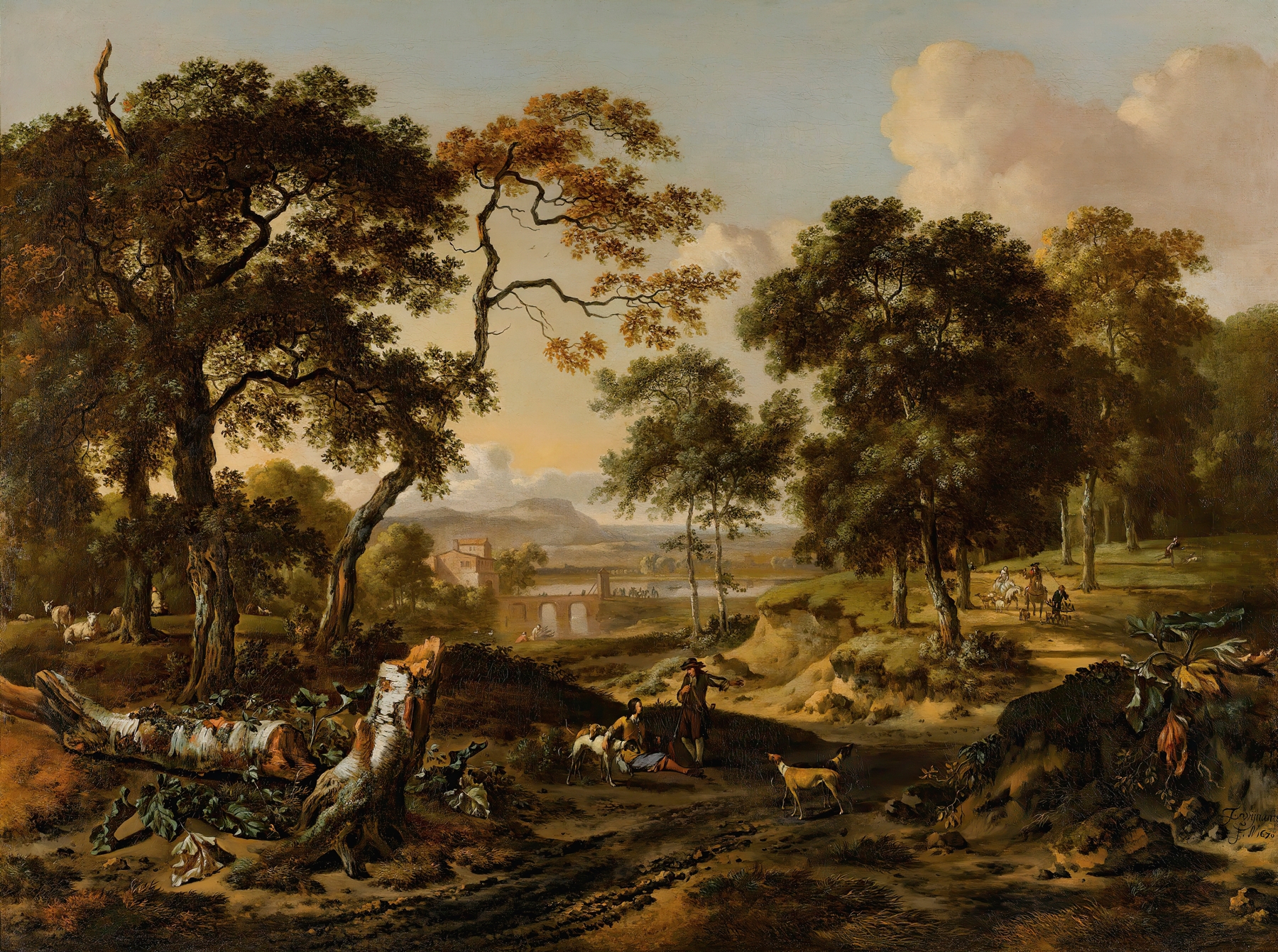
Could a single brushstroke hold eternity? In the delicate interplay of light and shadow, one can sense the passage of time, captured in the tranquil embrace of nature. Look closely at the horizon, where a soft golden light begins to seep through the heavy clouds. Notice how Wijnants employs a gradient of blues and greens in the foreground, creating a serene yet dynamic landscape.
The gentle curves of the land guide your eye toward the distant trees, each meticulously rendered to enhance the depth of the scene, while the wispy strokes of white give life to the clouds above. Within this seemingly peaceful vista lies a rich tapestry of emotional contrasts. The brightness of the light, symbolizing hope and renewal, stands in stark opposition to the looming darkness of the clouds, suggesting an impending storm. The interplay between the light and dark is not merely atmospheric; it reflects the dual nature of existence, a reminder of both serenity and turmoil intertwined in our lives.
Jan Wijnants painted this landscape during the late 17th century, a period marked by burgeoning interest in landscape painting in the Dutch Golden Age. He worked in an environment alive with artistic innovation and exploration, focusing on the beauty and complexity of natural scenes. At this time, artists were increasingly turning to the Dutch countryside for inspiration, seeking to capture the essence of their world with both precision and emotional depth.