A Dune Landscape With Falconers — History & Analysis
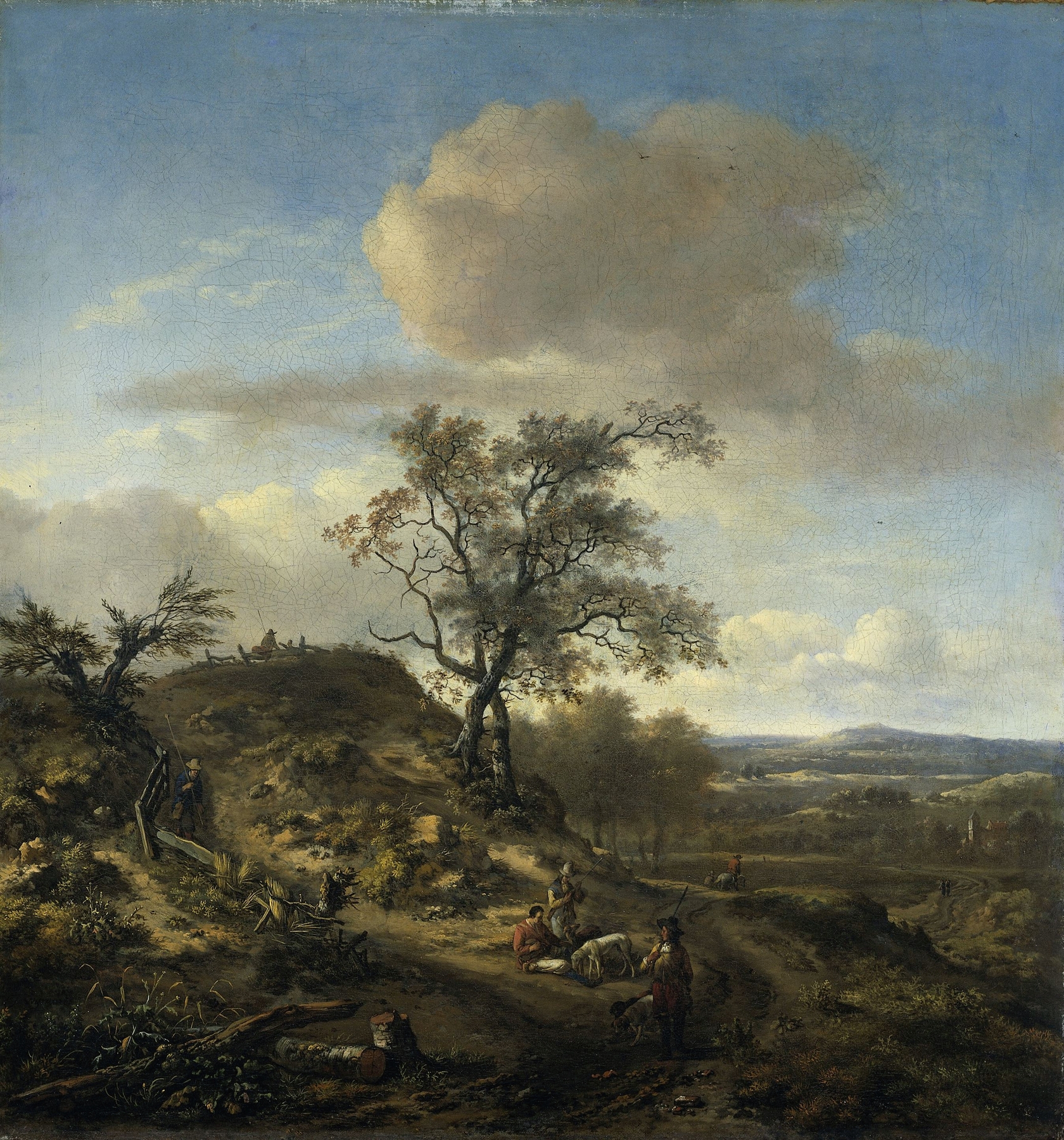
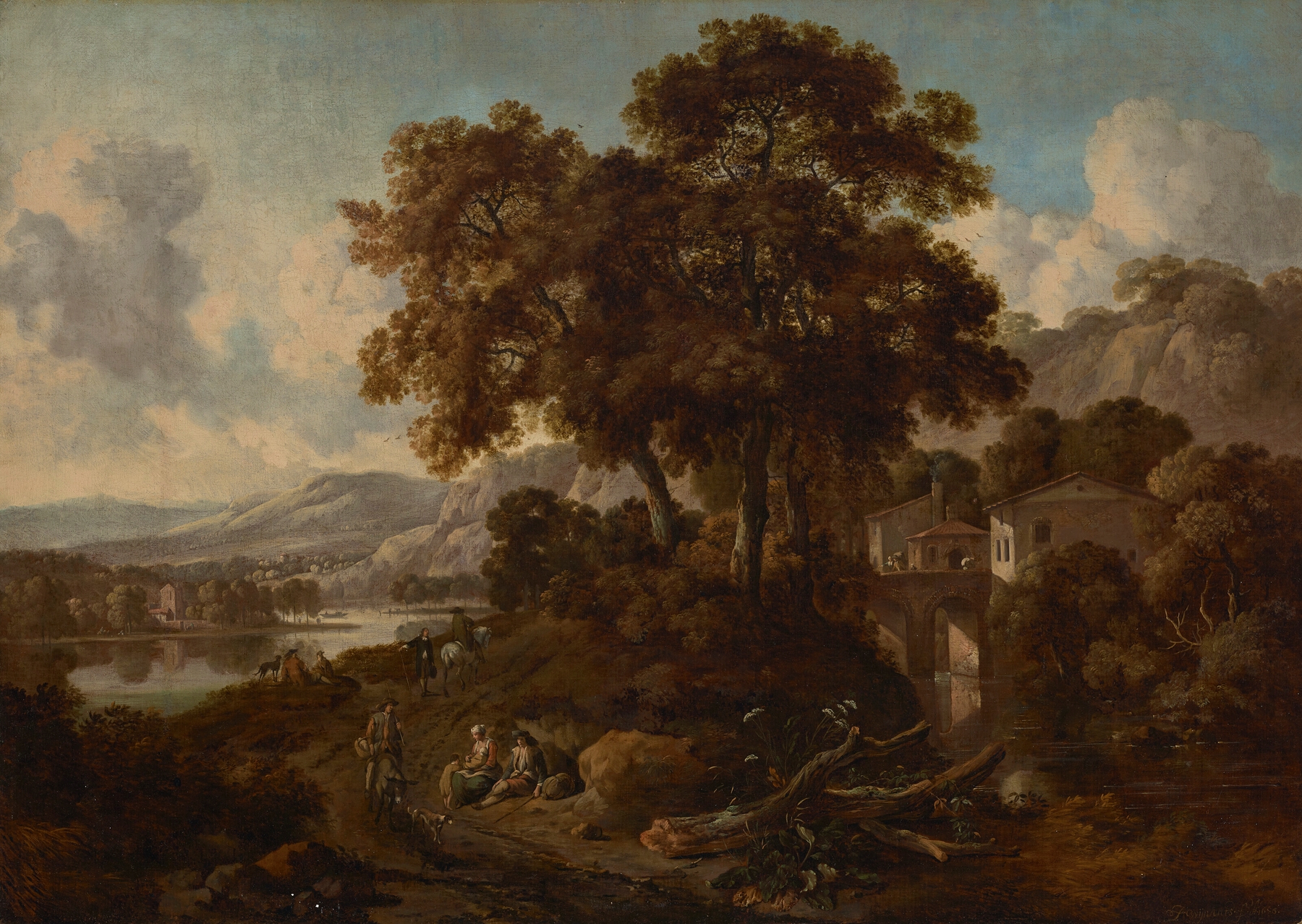
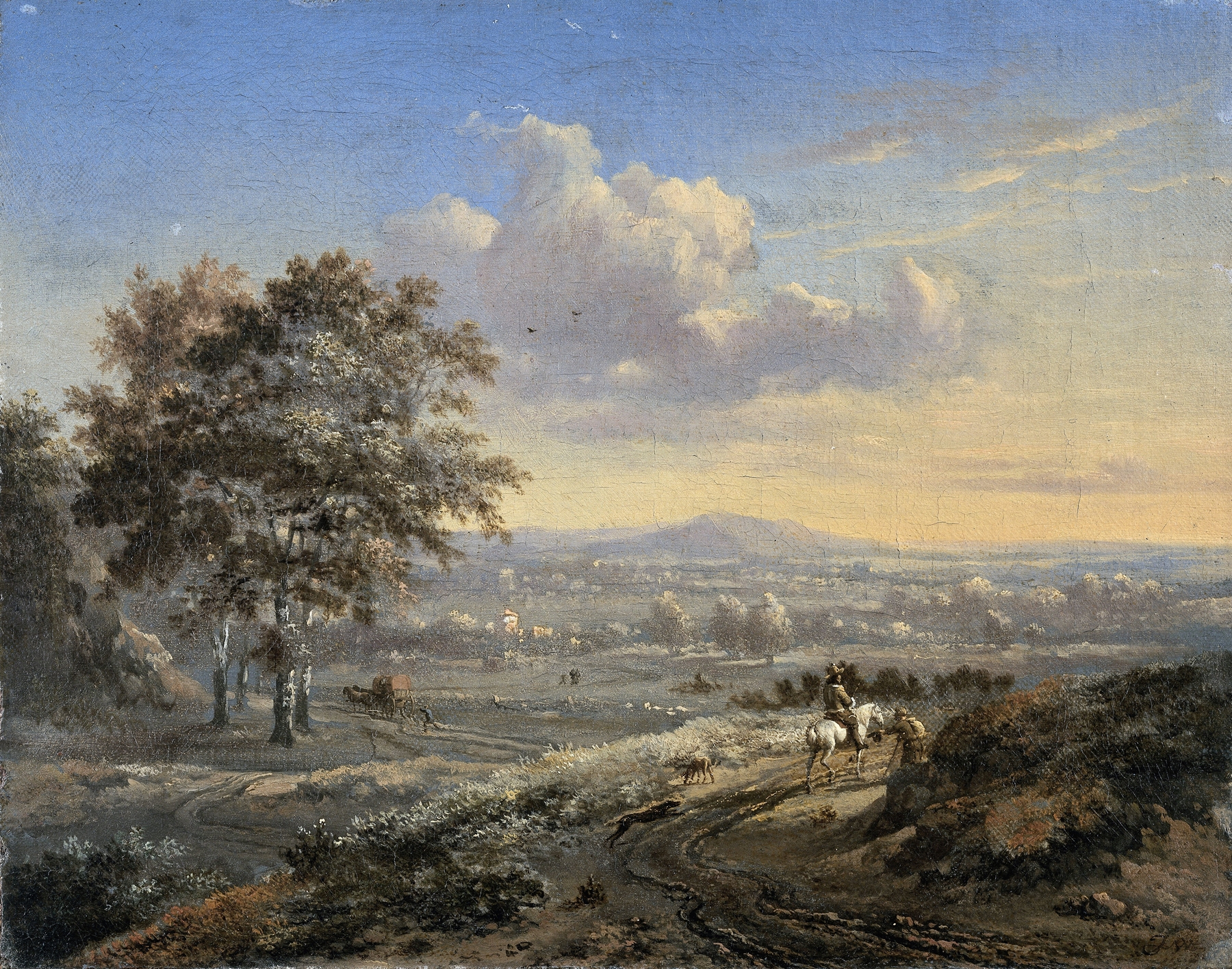
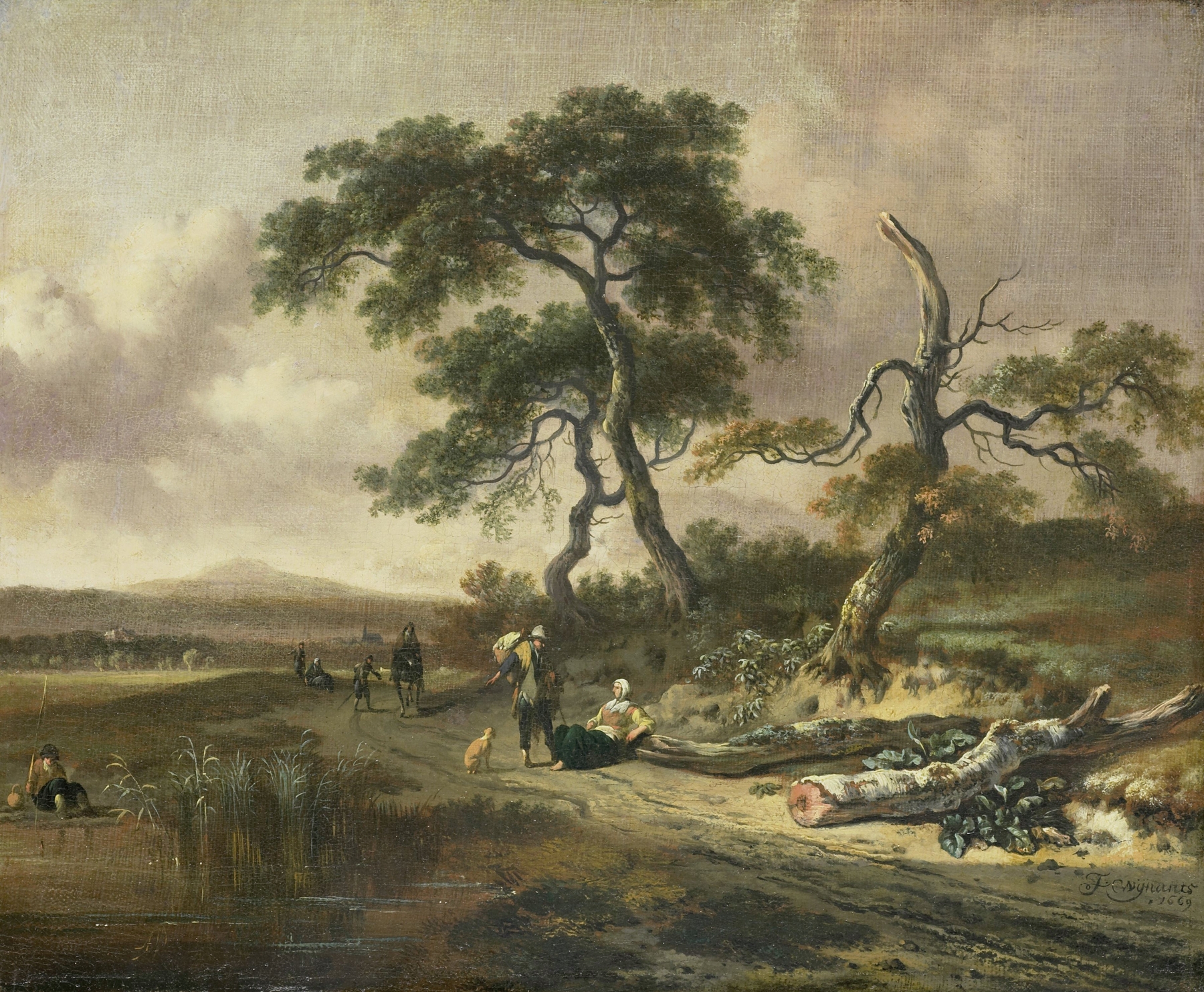
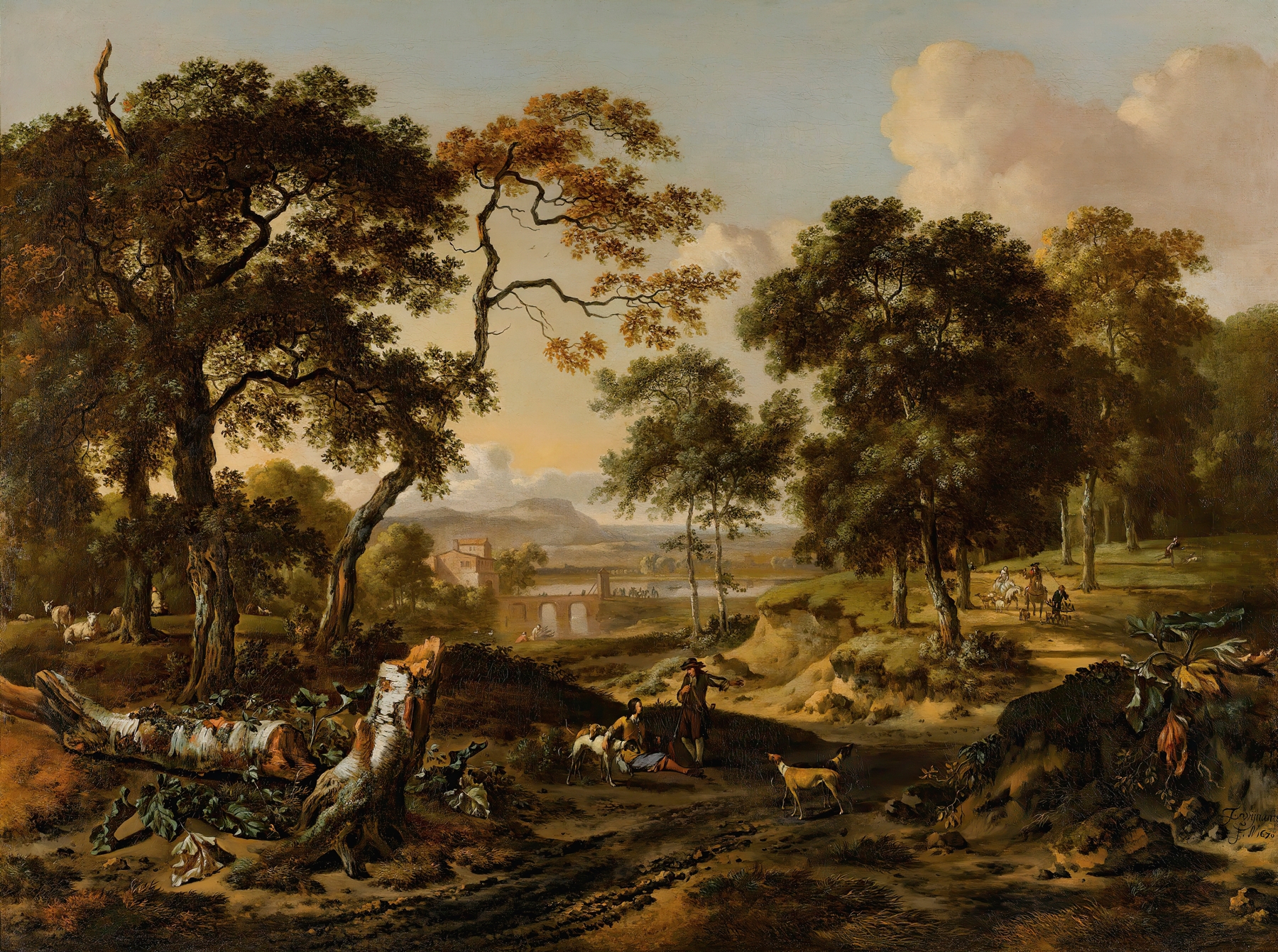
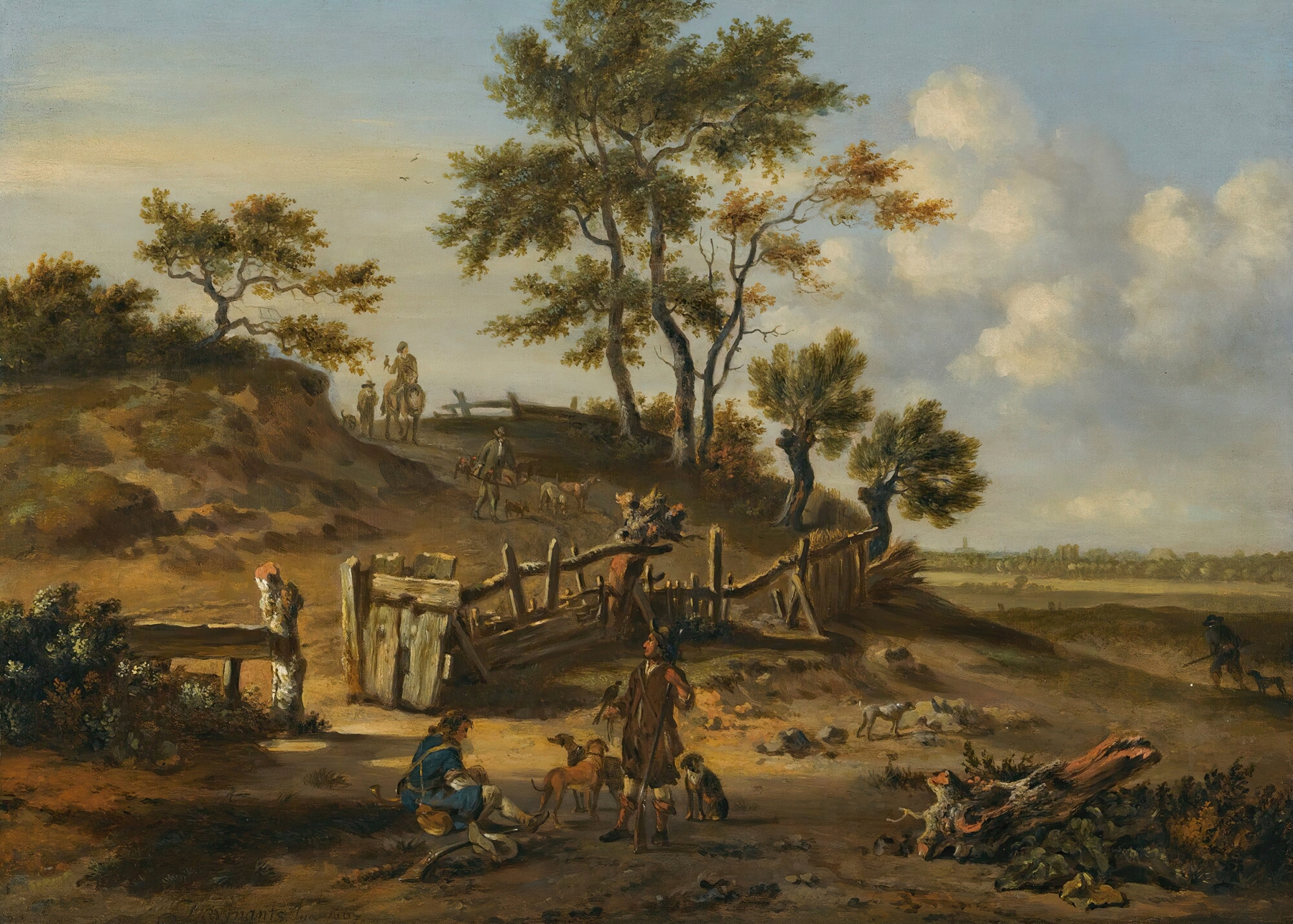
“To paint is to remember what time wants us to forget.” In the silent embrace of a vast dune landscape, beauty emerges not only as a visual feast but as a poignant recollection of fleeting moments. Each brushstroke whispers stories, preserving the delicate balance between nature and human endeavor, inviting us to pause and contemplate. Look to the center of the canvas, where a pair of falconers stand poised against the undulating lines of the sand. Their figures are enveloped in a warm, golden light that dances across the dunes, accentuating the textures of their garments and the gentle curve of the landscape.
The palette breathes life into the scene, with earthy browns and vibrant greens harmonizing in a delicate interplay that draws the eye across the expanse, enveloping the viewer in a serene yet dynamic environment. Hidden within this tranquil setting lie tensions of time and existence. The falconers, with their noble pursuits, embody a poignant connection to tradition and the land, while the shifting dunes whisper of impermanence. Notice the way the light interacts with the sand, revealing the transient nature of beauty itself, a reminder that such moments are as fleeting as the shadows cast by the setting sun.
Each element, from the falcon poised in the sky to the distant horizon, invites contemplation on humanity's relationship with the natural world. In 1667, Wijnants painted this masterpiece during a transformative period for Dutch art, characterized by a burgeoning interest in landscape painting. Living in Haarlem, he was part of a movement that sought to celebrate the beauty of the Dutch countryside. The work reflects both personal and artistic evolution, capturing a moment in time that resonates with the viewer, as it transcends the boundaries of mere representation.