Any Man’s Land — History & Analysis
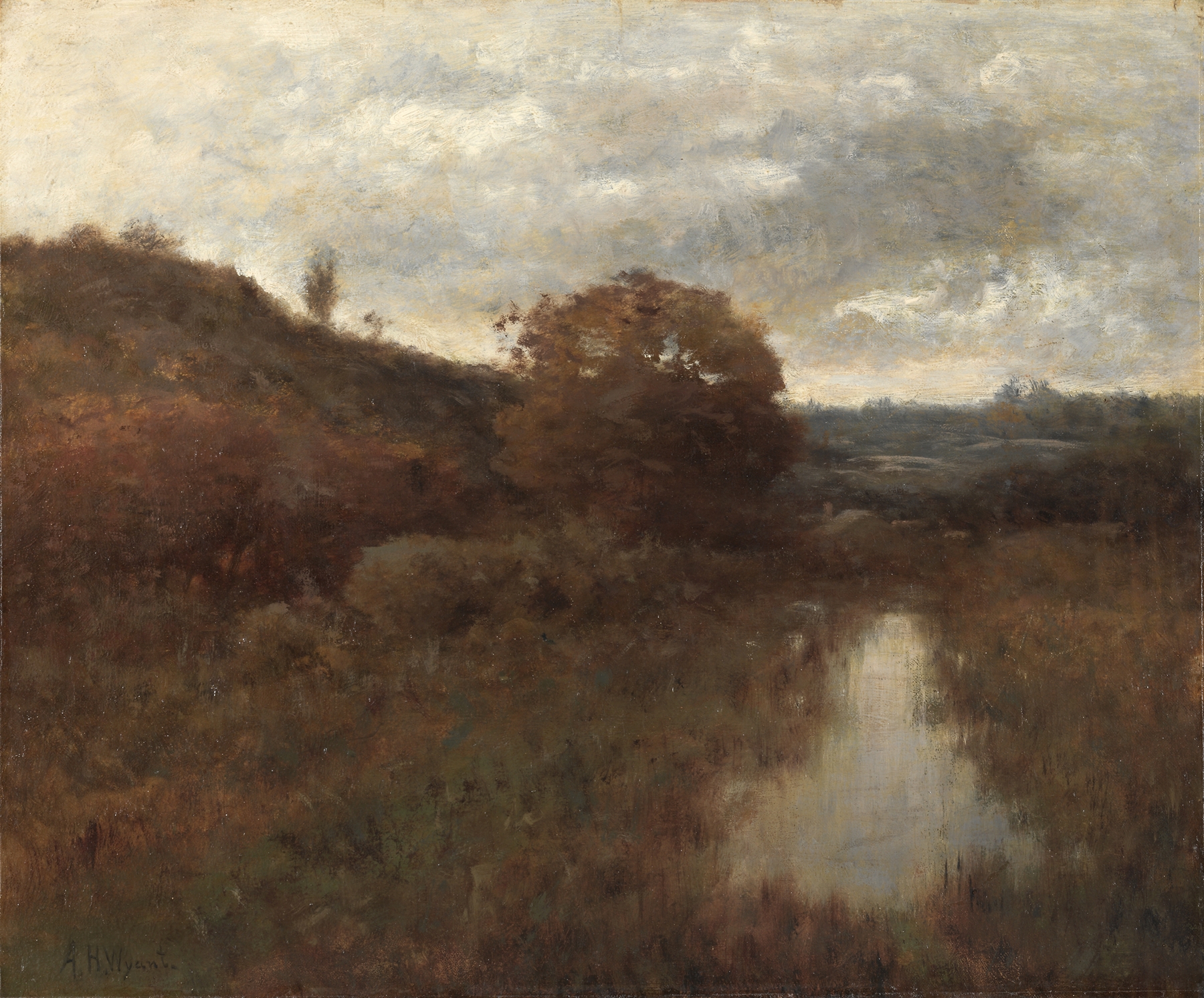
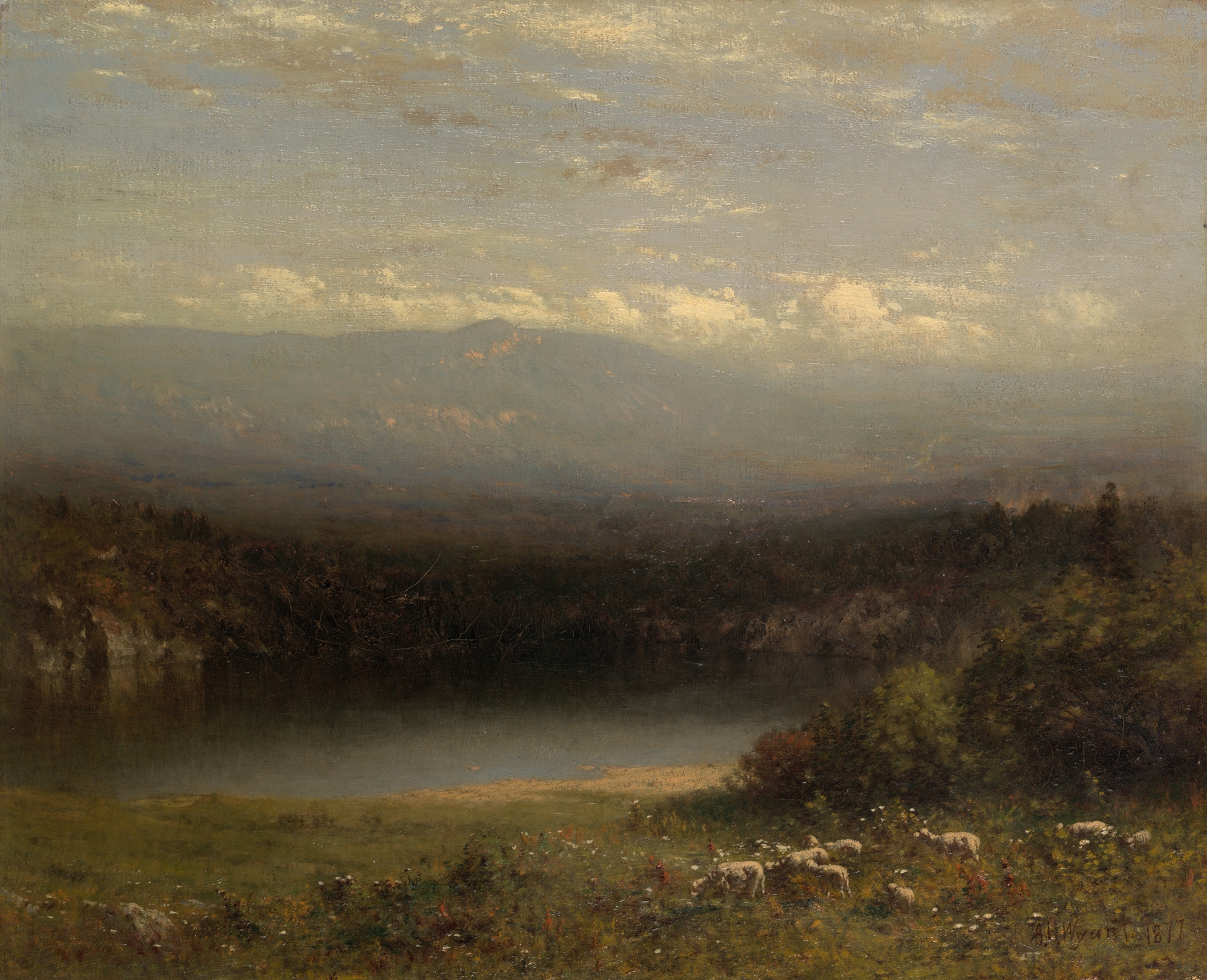
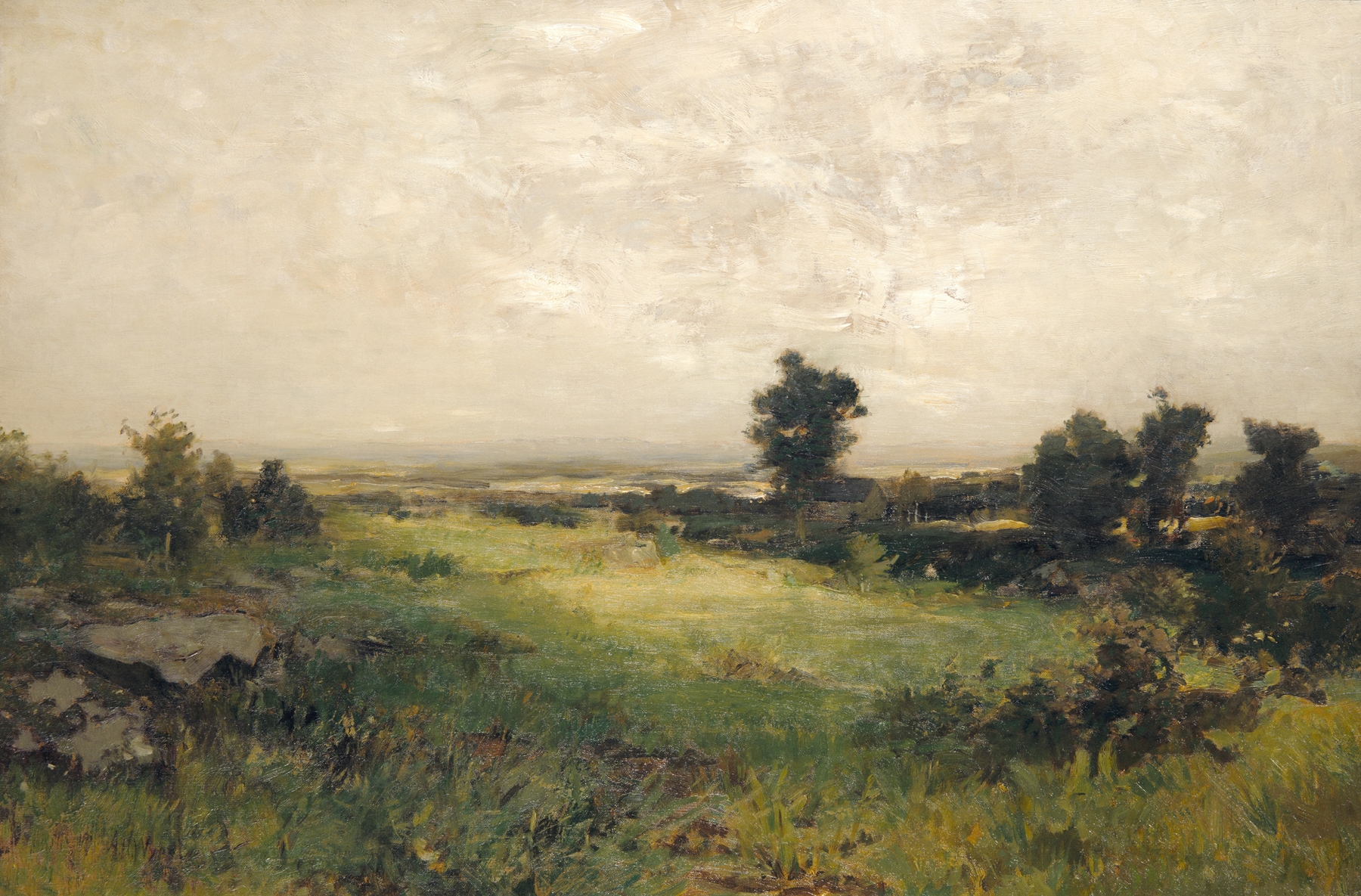
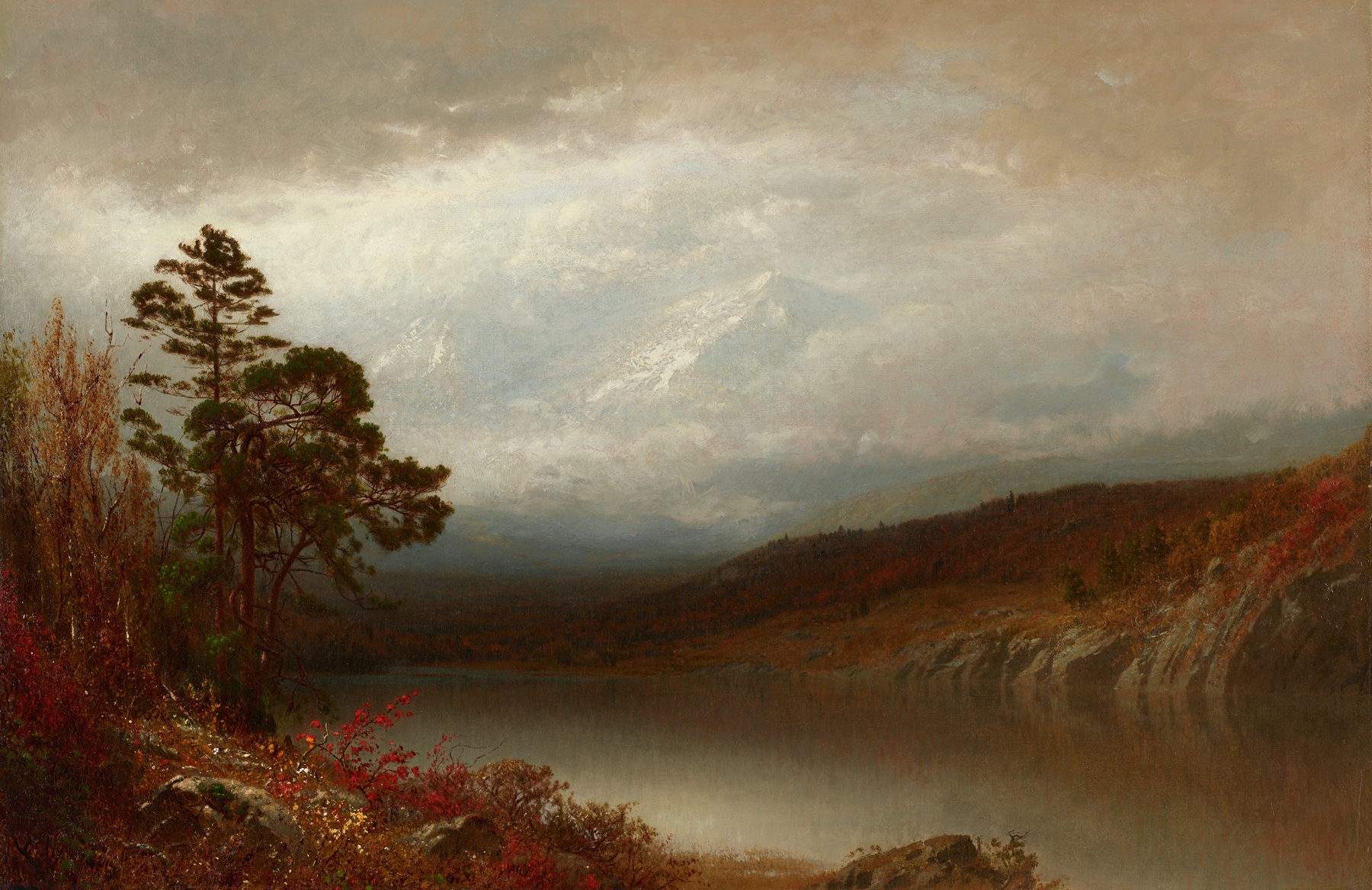
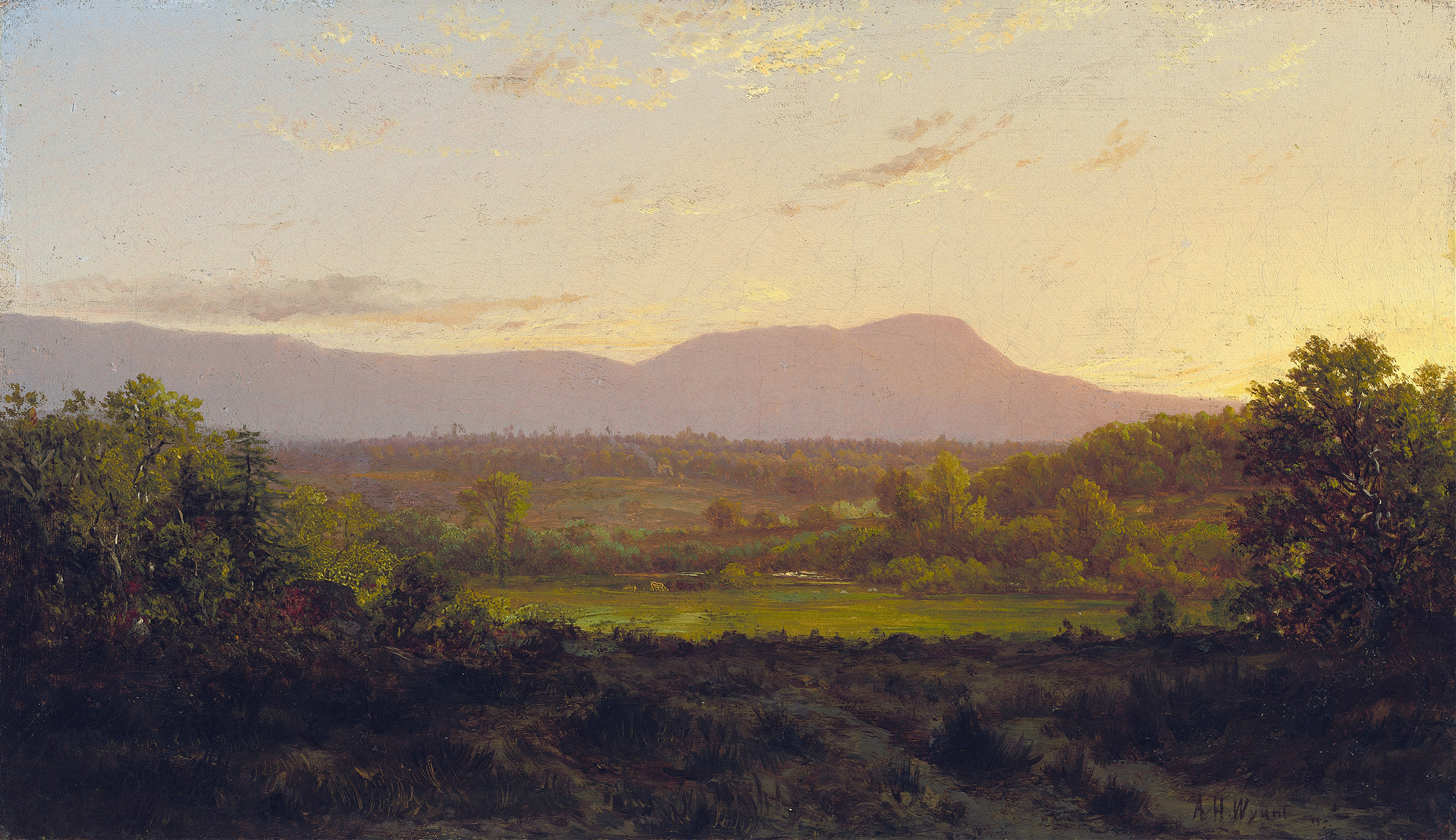
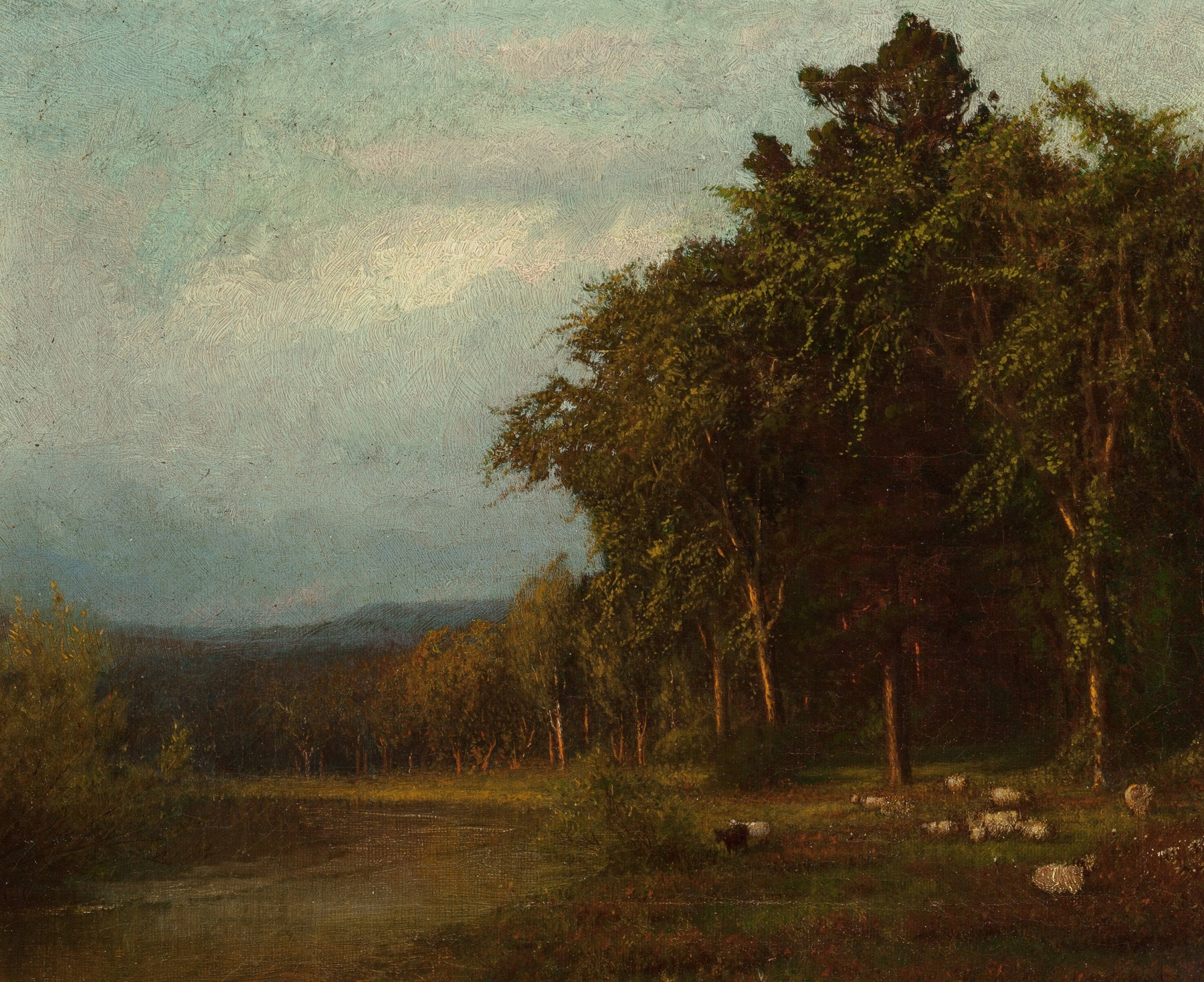
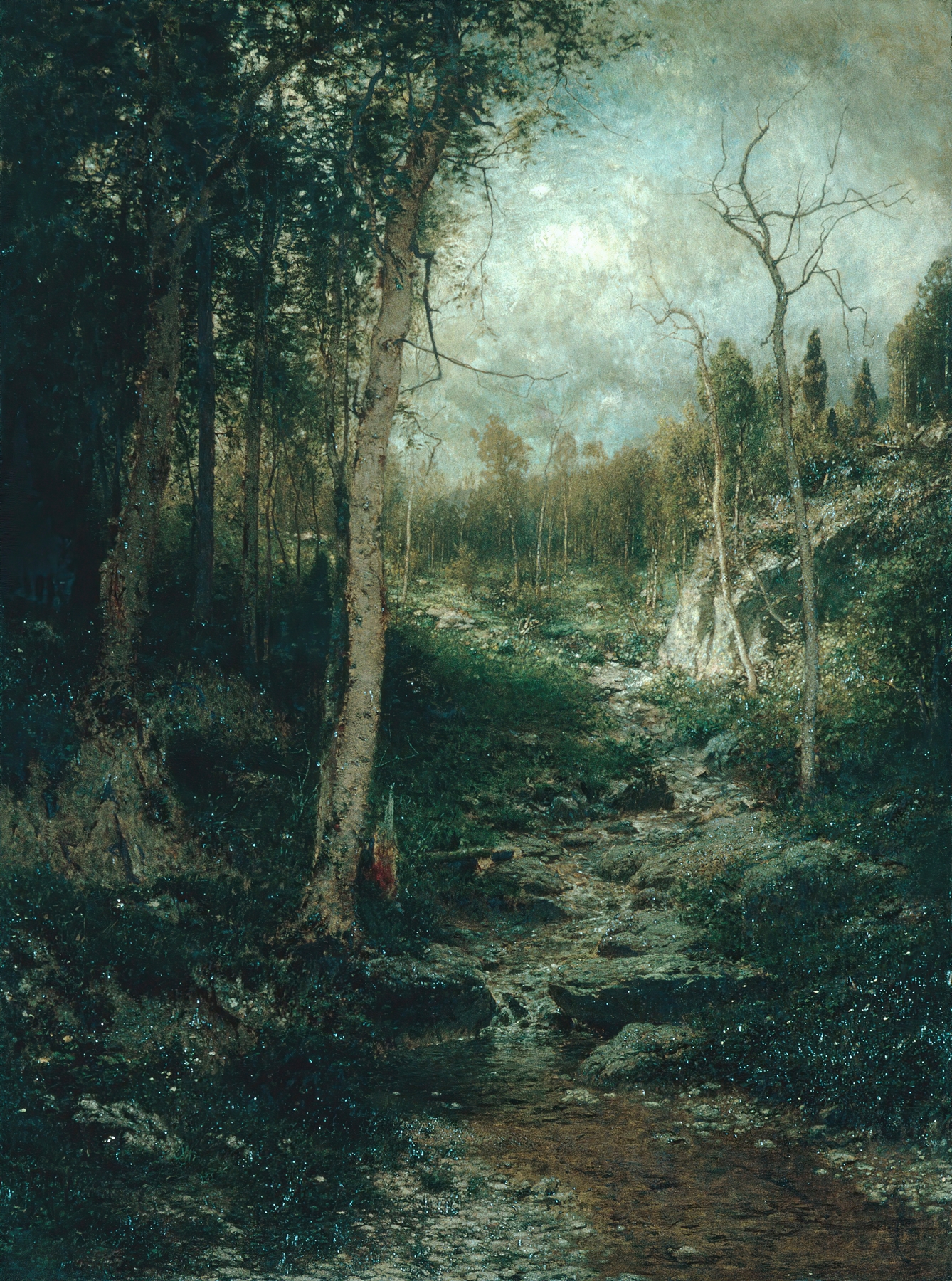
Can beauty exist without sorrow? In the realm of nature, light dances through sorrowful shadows, revealing the duality of existence. Focus first on the brilliant horizon where the hues of dawn break, casting a soft, golden light across the serene landscape. Look closely at the gentle rolling hills that cradle the delicate interplay of color, from rich greens to muted browns.
The brushwork is fluid and harmonious, echoing the calm yet transient nature of dawn, where the promise of a new day collides with the remnants of night. Notice how the light seems to pulse, drawing your gaze toward the distance, yet leaving you grounded in the breadth of the canvas. Delve into the emotional undertones present in the piece—the juxtaposition of serenity and the unseen struggles that accompany the dawn of a new day. The ethereal light may symbolize hope, but beneath it lies the weight of unspoken stories, perhaps of longing or loss, inviting viewers to ponder what lies behind the beauty.
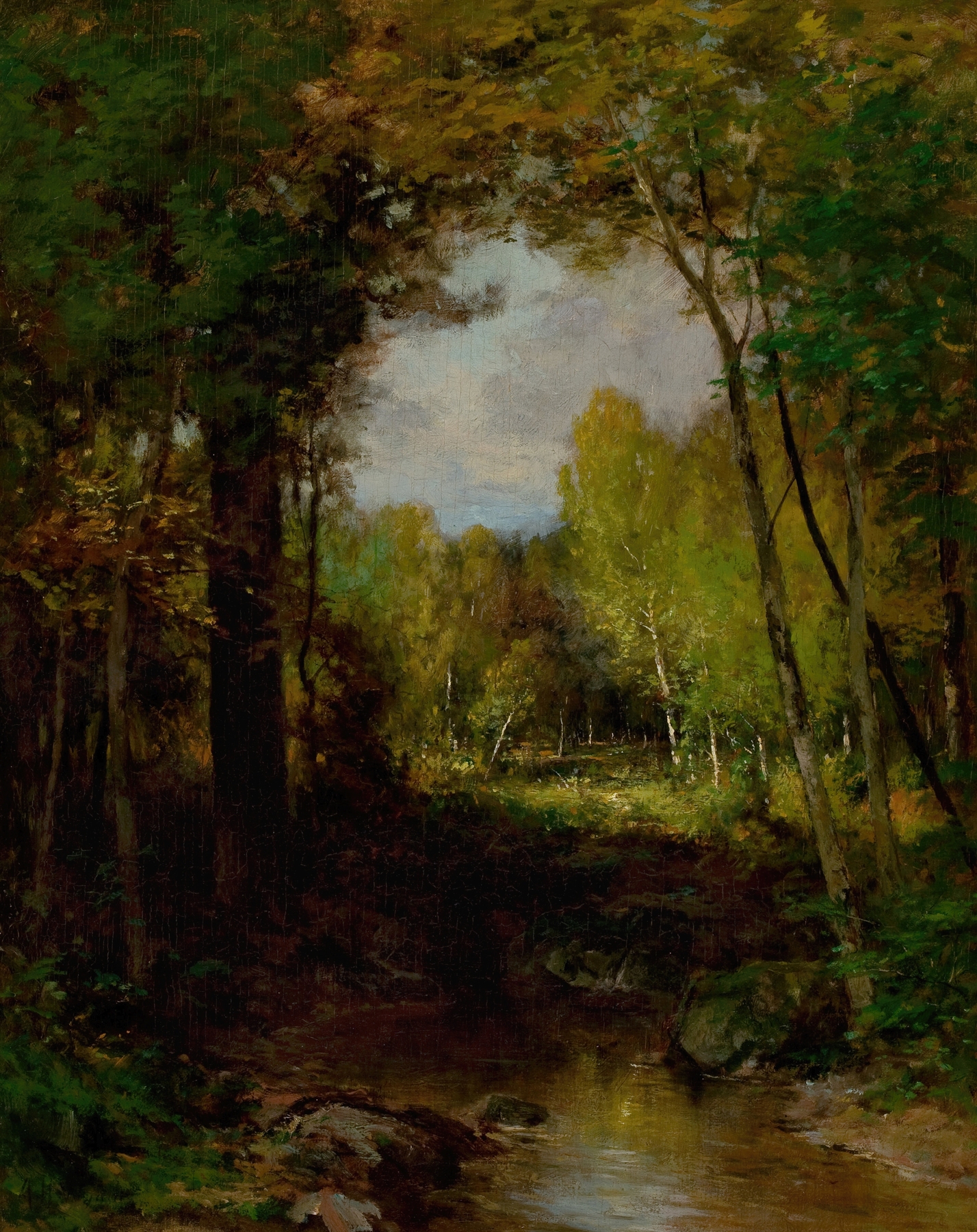
The trees, seemingly vibrant and alive, stand in solemn silence, their gnarled branches suggesting resilience as they reach toward the awakening sky. In this wilderness, there’s a tension between the celebration of nature and the melancholic whisper of time's passage. Created before 1880, this work arose during a period when the artist was deeply influenced by the American Romantic movement, which sought to capture the sublime beauty of the natural world. Painting from his studio in the United States, he aimed to express the emotional resonance of landscapes, reflecting a broader shift in art towards the exploration of nature's beauty as intertwined with human experience.