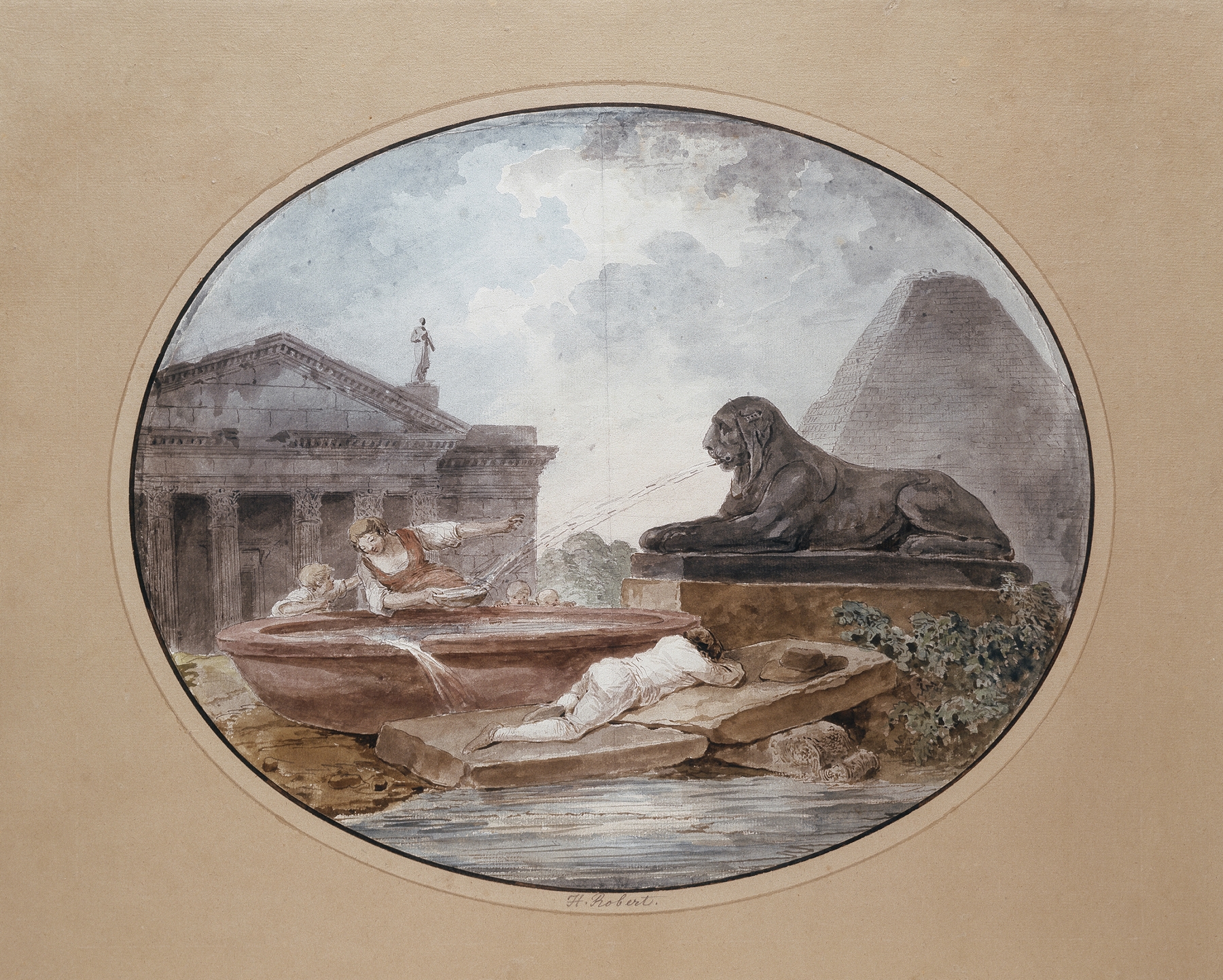
Architectural Capriccio — History & Analysis
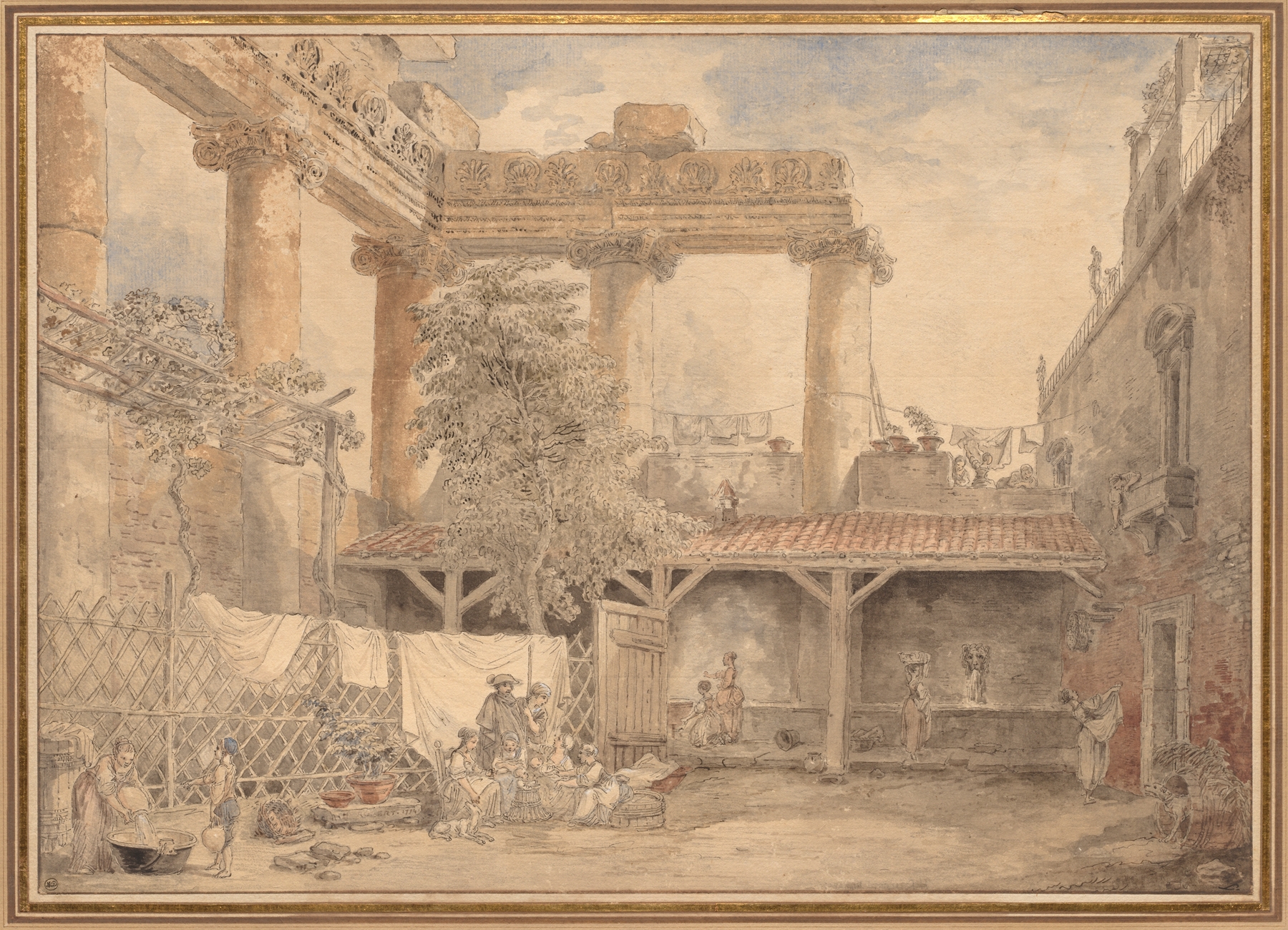
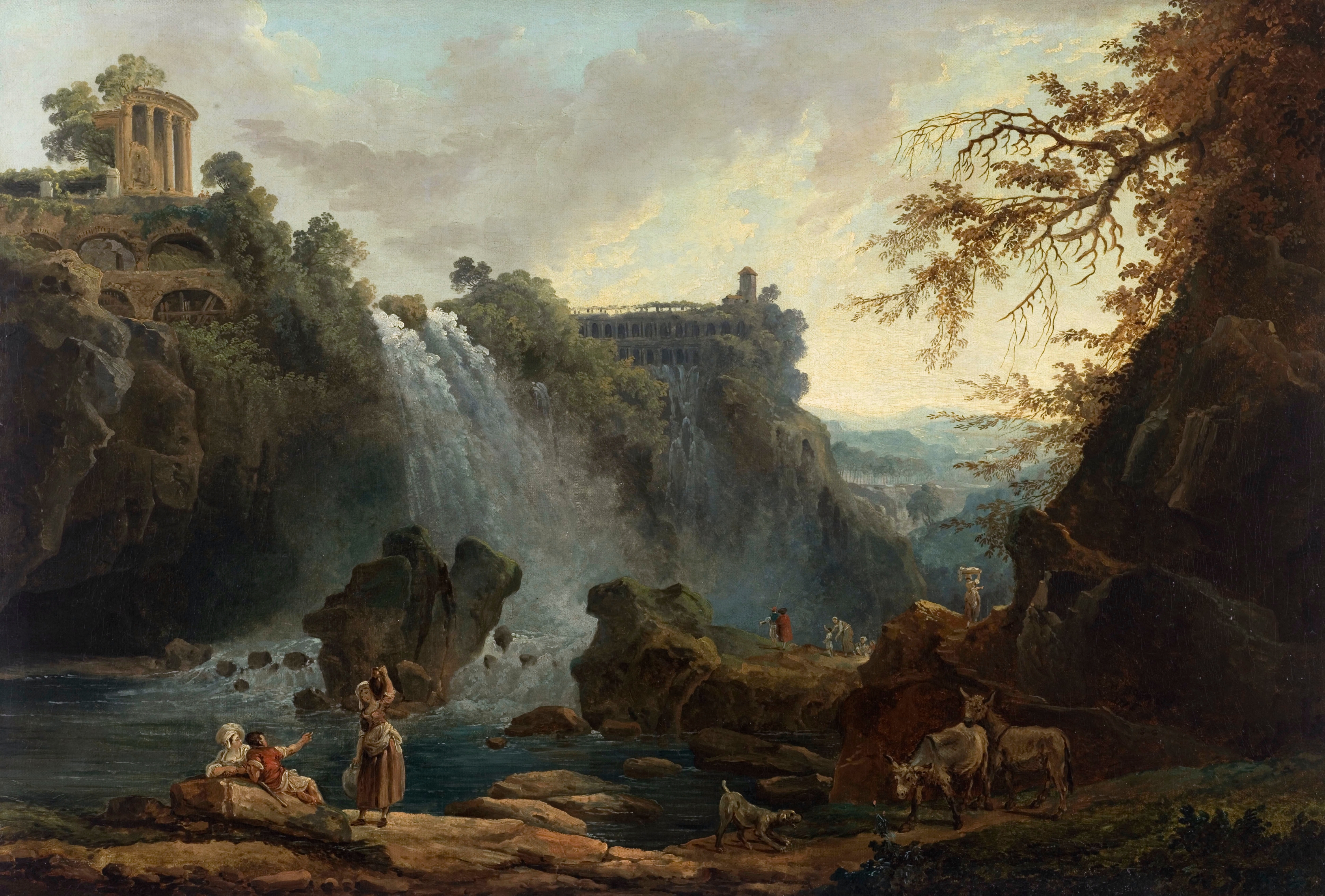
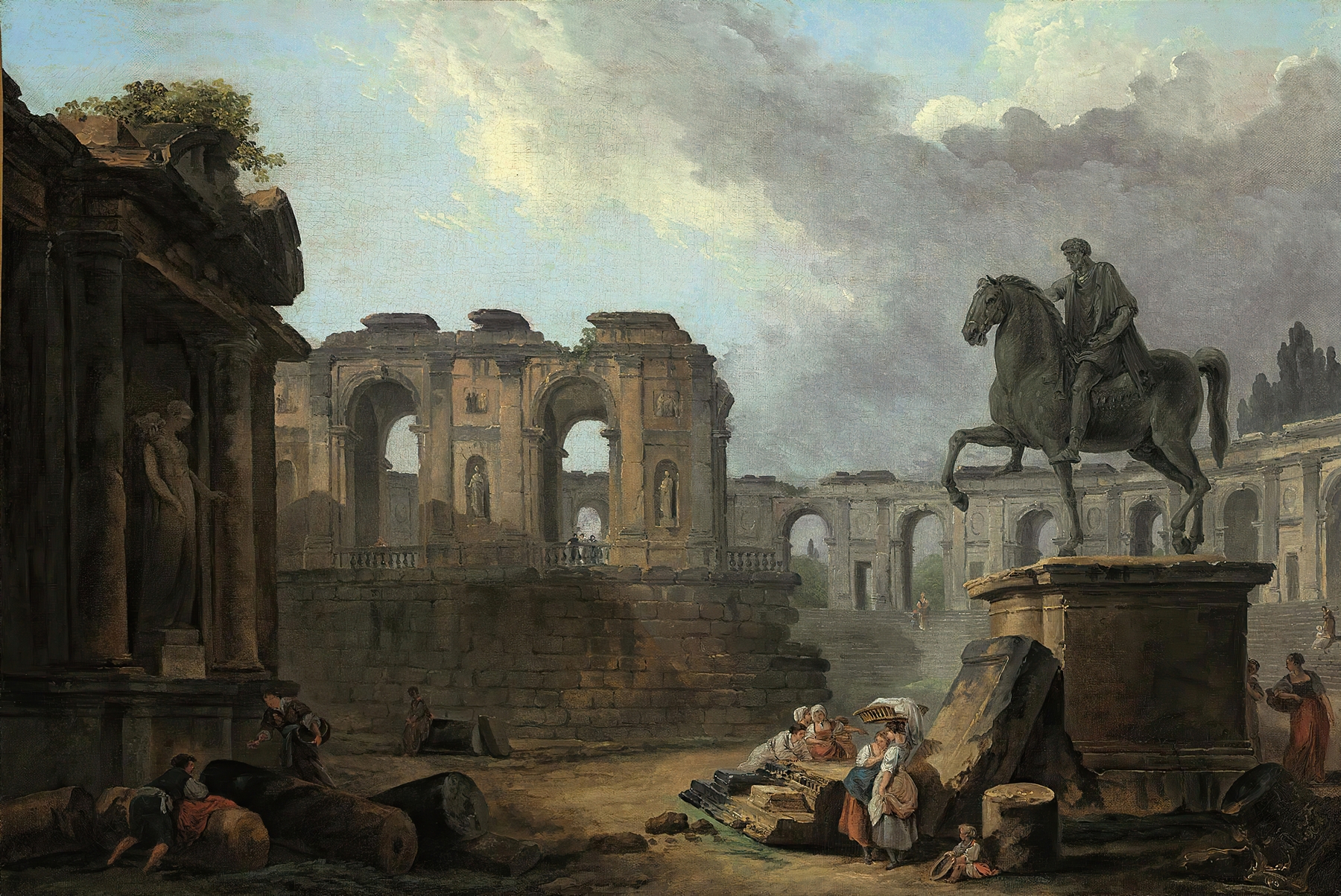
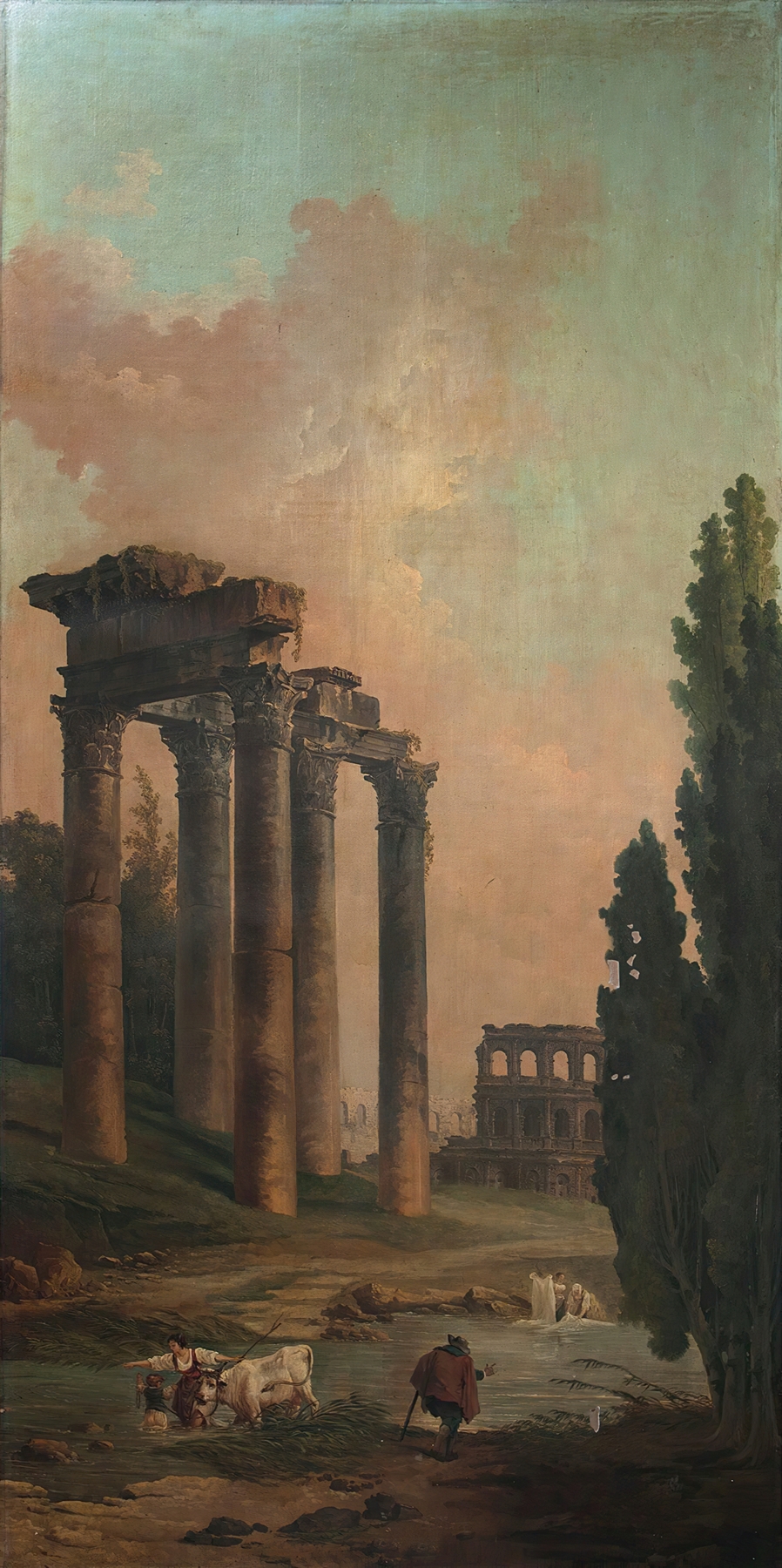
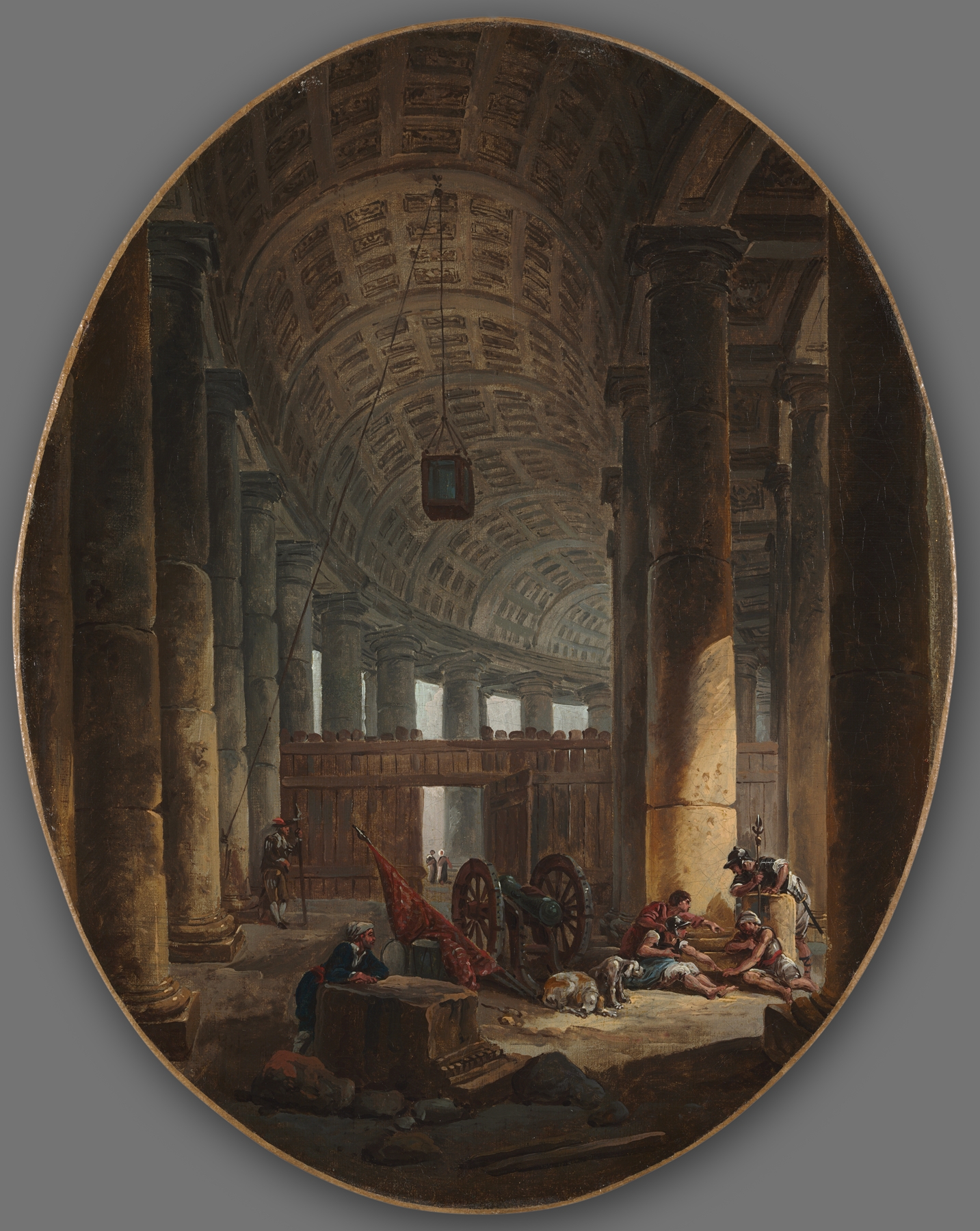
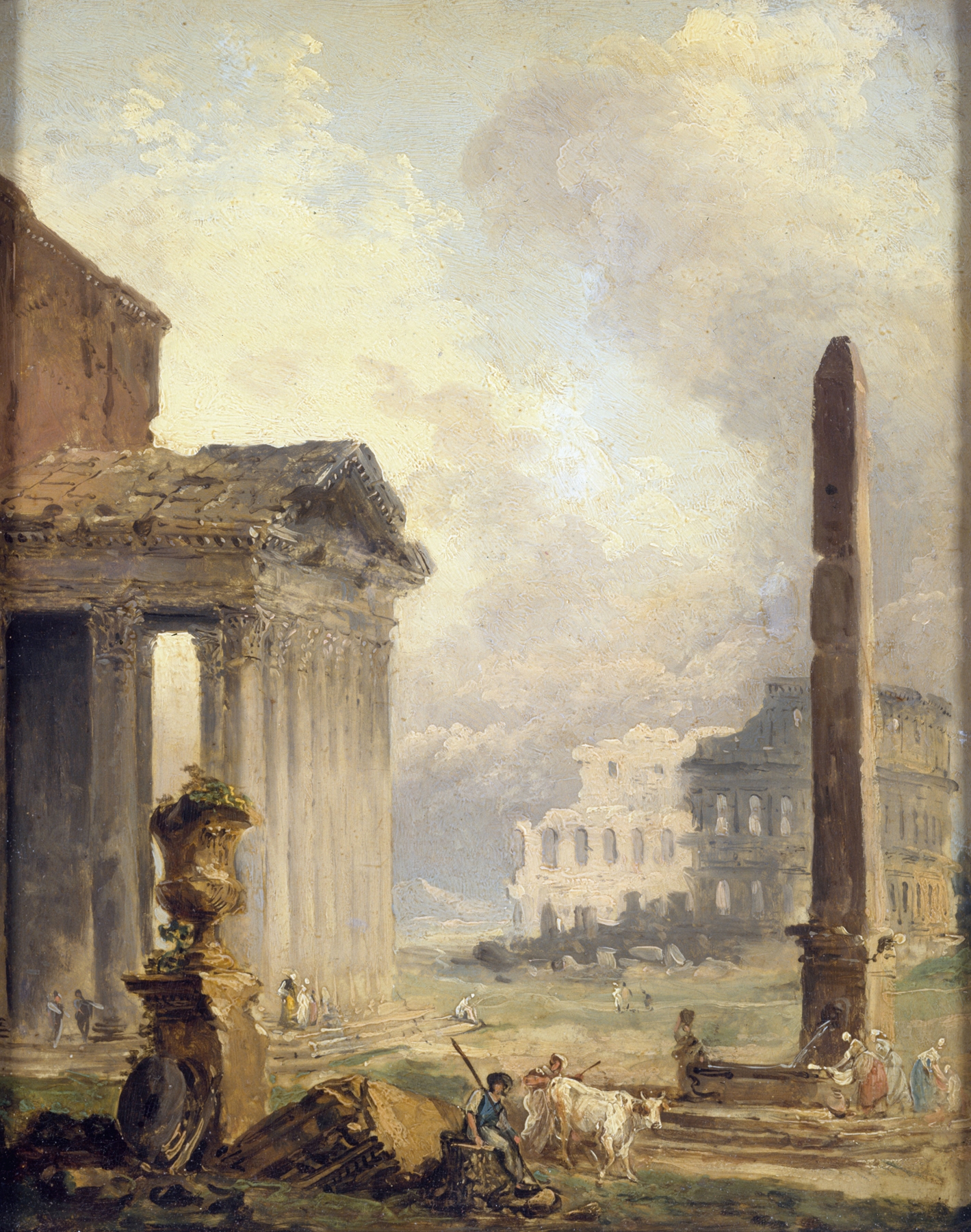
Who listens when art speaks of silence? In *Architectural Capriccio*, the weight of time hangs in the air, inviting us to ponder the transient nature of existence amidst ruins and dreams. Look to the left at the crumbling columns, their weathered surfaces catching a soft, muted light that casts gentle shadows across the overgrown foliage. The delicate interplay of light and shade guides your gaze, leading you through an architectural fantasy where imagination reigns. The rich palette of earth tones and vibrant greens creates an illusion of life anew, contrasting with the stillness of the stone structures, suggesting a dialogue between nature and artifice. Scrutinize the figures scattered throughout the composition; they seem to float in a reverie, embodying both the strength and fragility of human experience. Their gestures, whether contemplative or animated, convey a range of emotions, from nostalgia to hope. The juxtaposition of grandiosity and decay speaks to the passage of time and the inevitable return of nature, inviting viewers to reflect on their place within this cyclical narrative. Created in 1801, this work emerged during a pivotal moment in Hubert Robert’s career while he was in Paris, witnessing the artistic shifts of Neoclassicism transitioning into Romanticism. With the echoes of the French Revolution still resonating, artists like Robert were preoccupied with themes of memory and history, seeking to capture the essence of a rapidly changing world through their imaginative landscapes.