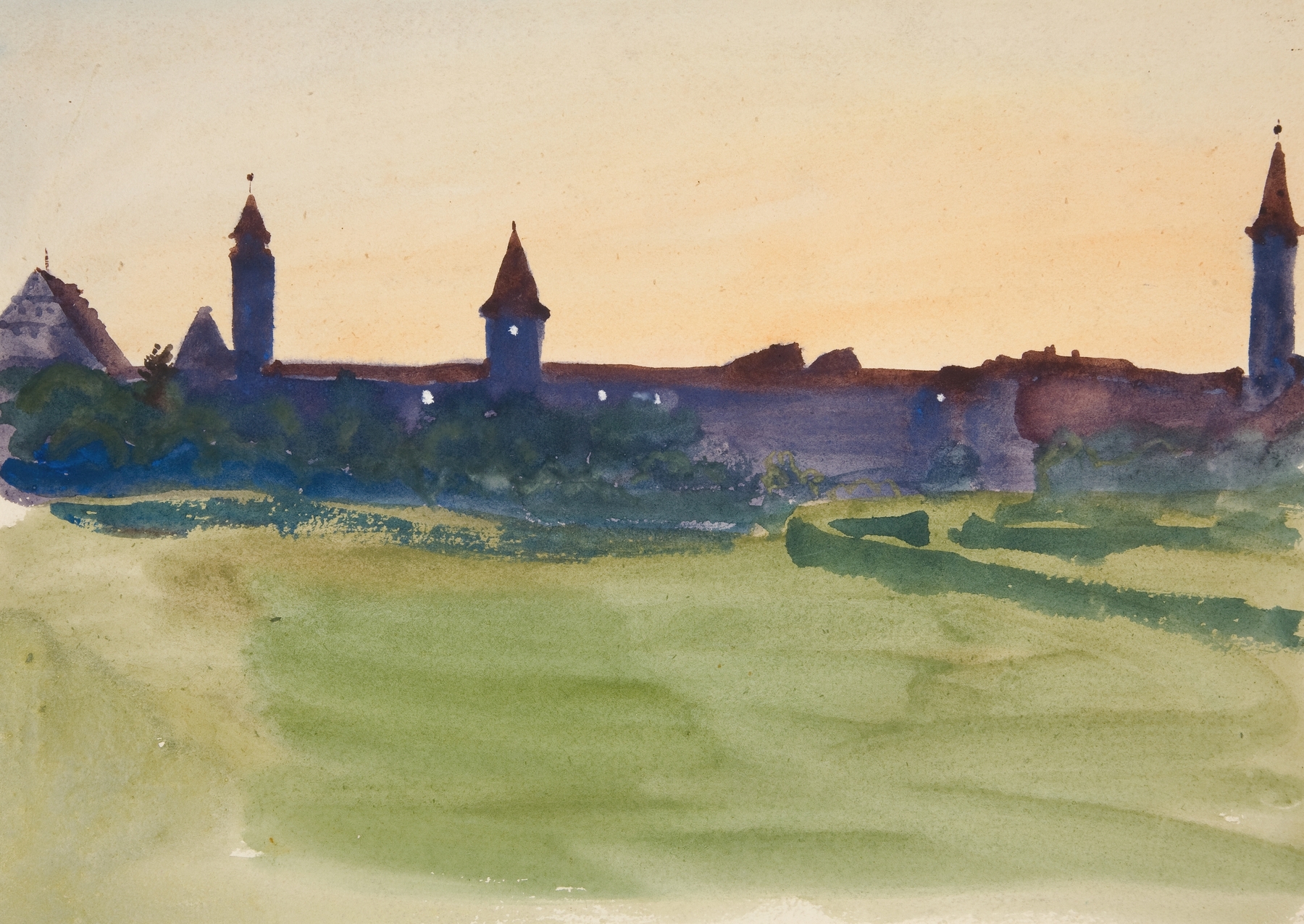
Architectural Study — History & Analysis
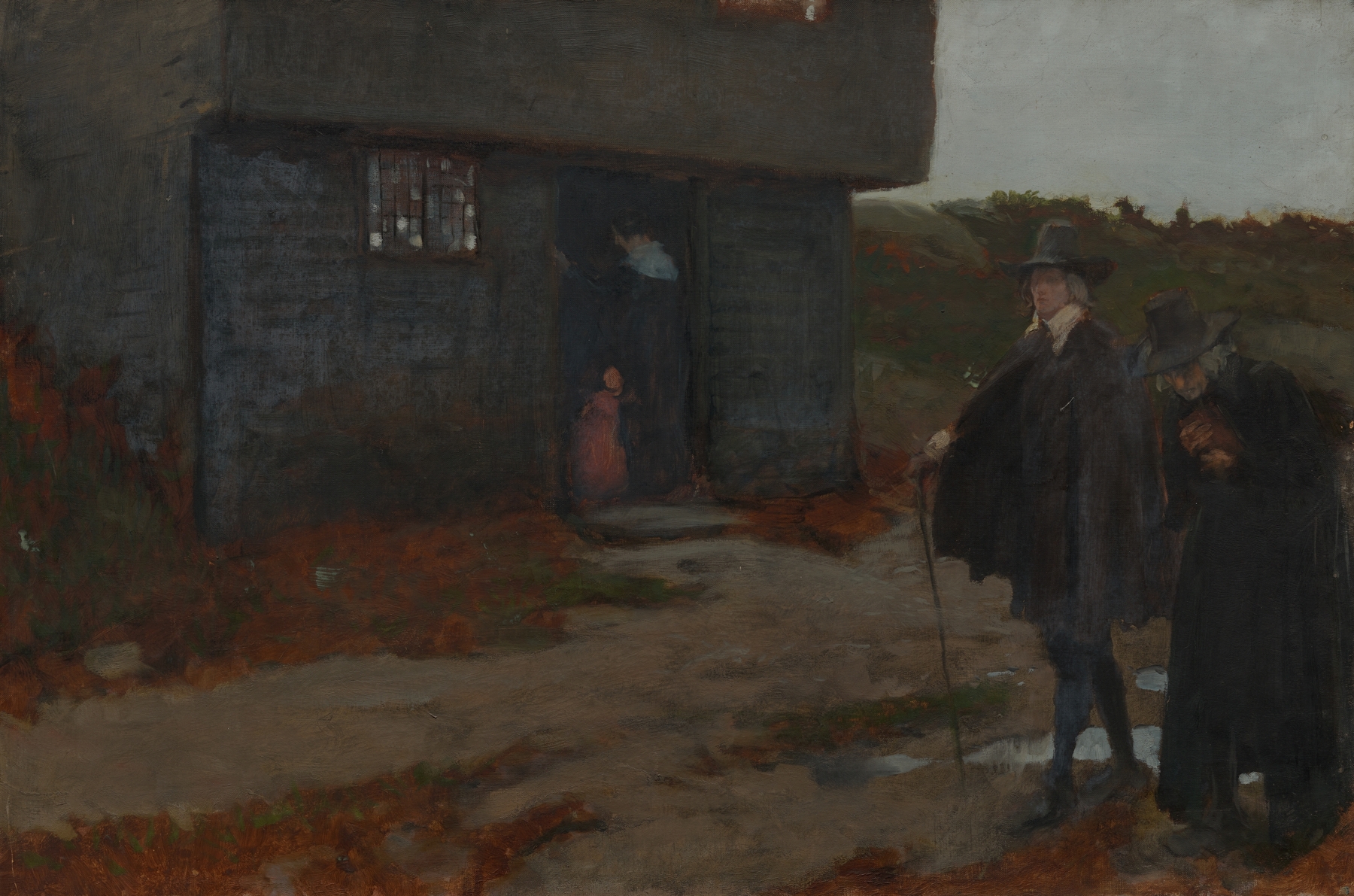
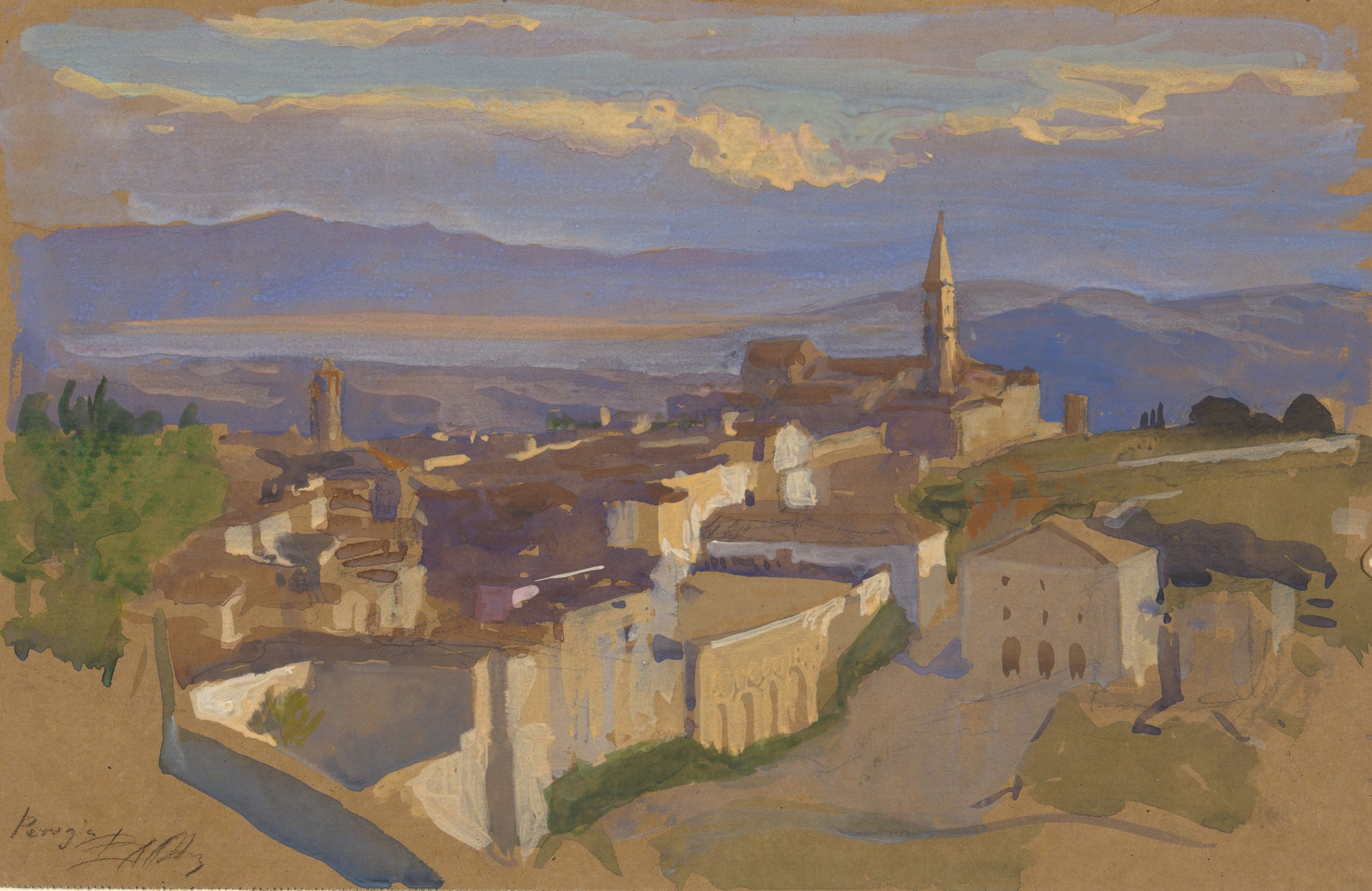
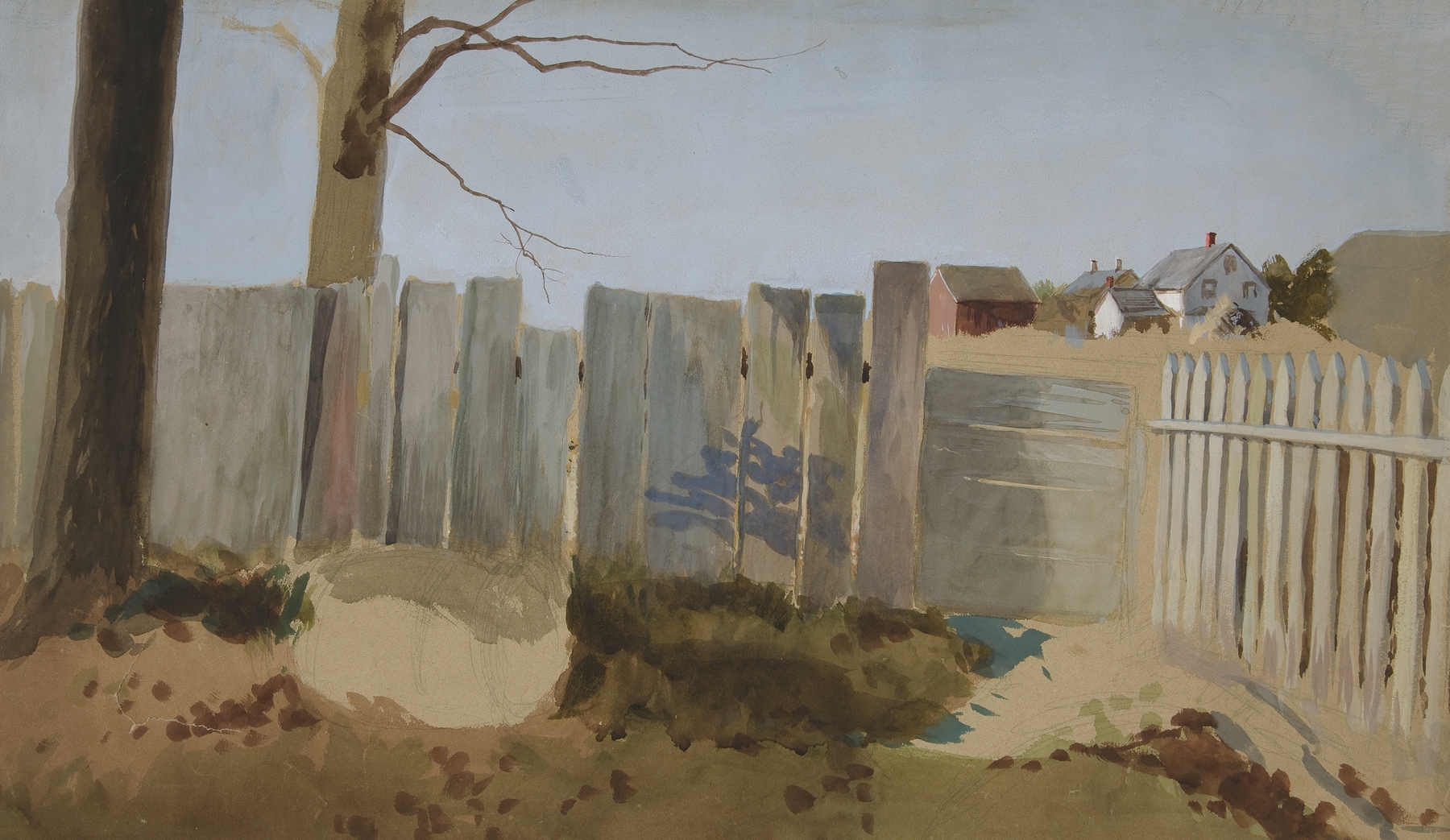
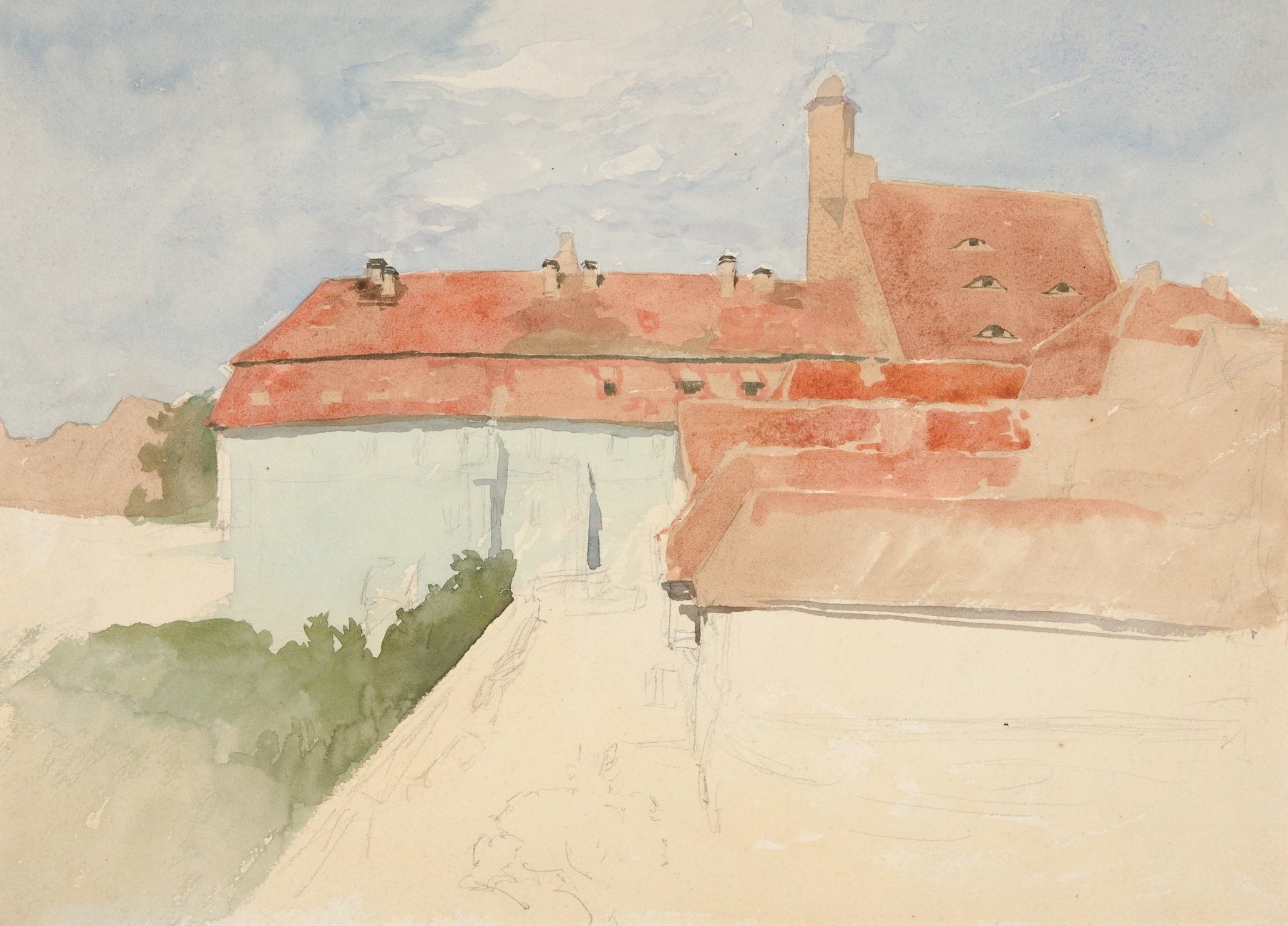
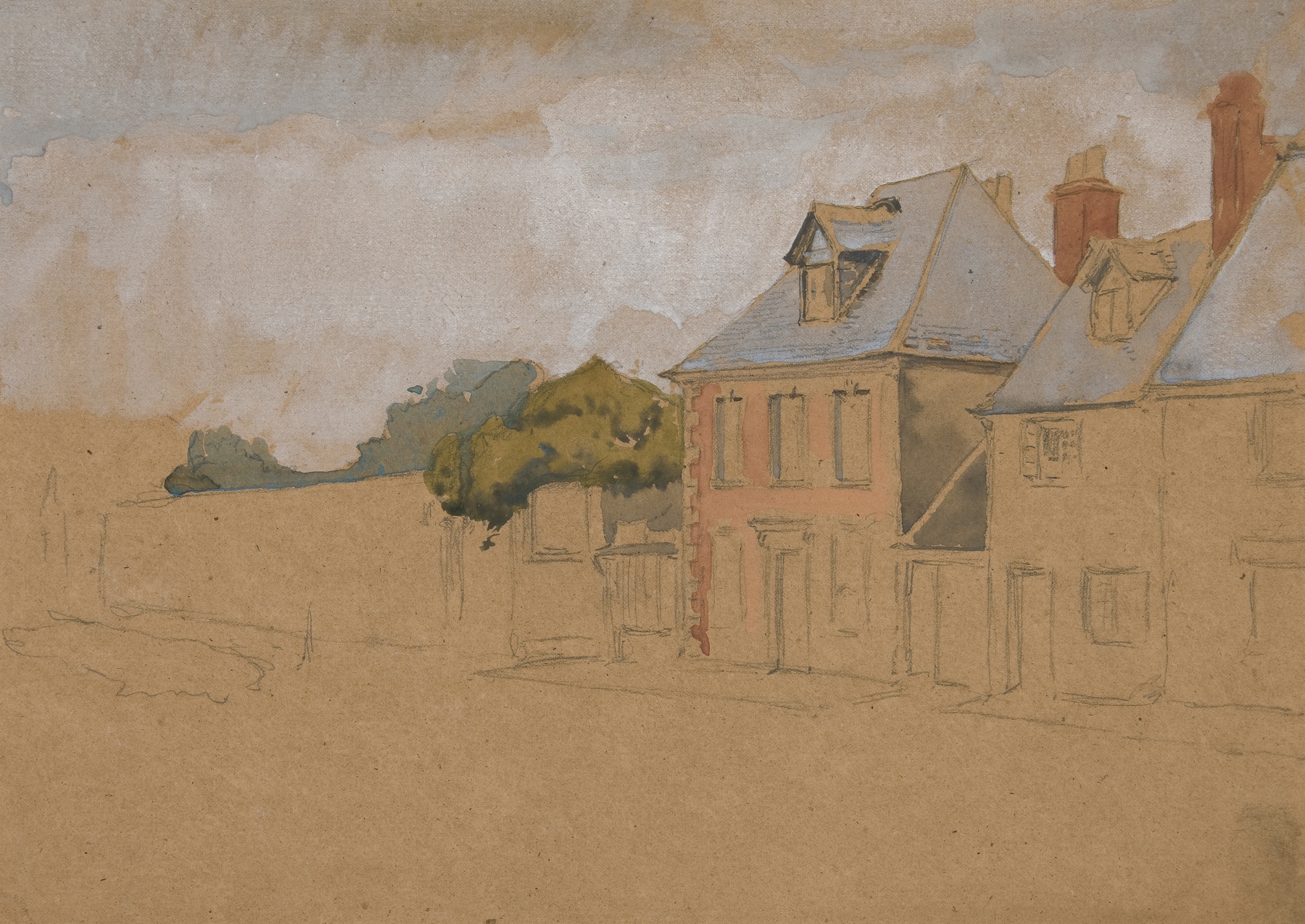
“Under the brush, chaos becomes grace.” In Architectural Study, shadows dance like whispers, revealing the subtle conversations between light and form. Look to the center of the canvas, where layered structures converge, inviting you into their intricate embrace. The artist's meticulous brushwork captures every detail, from the delicate archways to the textured stonework. The interplay of light and shadow is striking; observe how shadows deepen the recesses, giving the architecture a sense of weight and history, while the highlights breathe life into the surfaces, making them almost tangible.
There is a tension between permanence and ephemerality in this work. The shadows create a sense of mystery, suggesting stories held within the walls, while the bright accents evoke fleeting moments—perhaps a reminder that beauty is often found in the interplay of light and darkness. Abbey's attention to detail highlights the contrast between the solid forms and the intangible essence of the scene, beckoning viewers to contemplate the layers of time and experience embedded within the structure.
Created during the late Victorian period, Architectural Study reflects Edwin Austin Abbey's fascination with both architecture and narrative. Working primarily in the United States and England between 1871 and 1911, Abbey was deeply influenced by the Arts and Crafts movement. His explorations of architectural forms during this time were accompanied by significant changes in societal attitudes towards art, leading to a renewed appreciation for craftsmanship and the stories embedded in our physical surroundings.