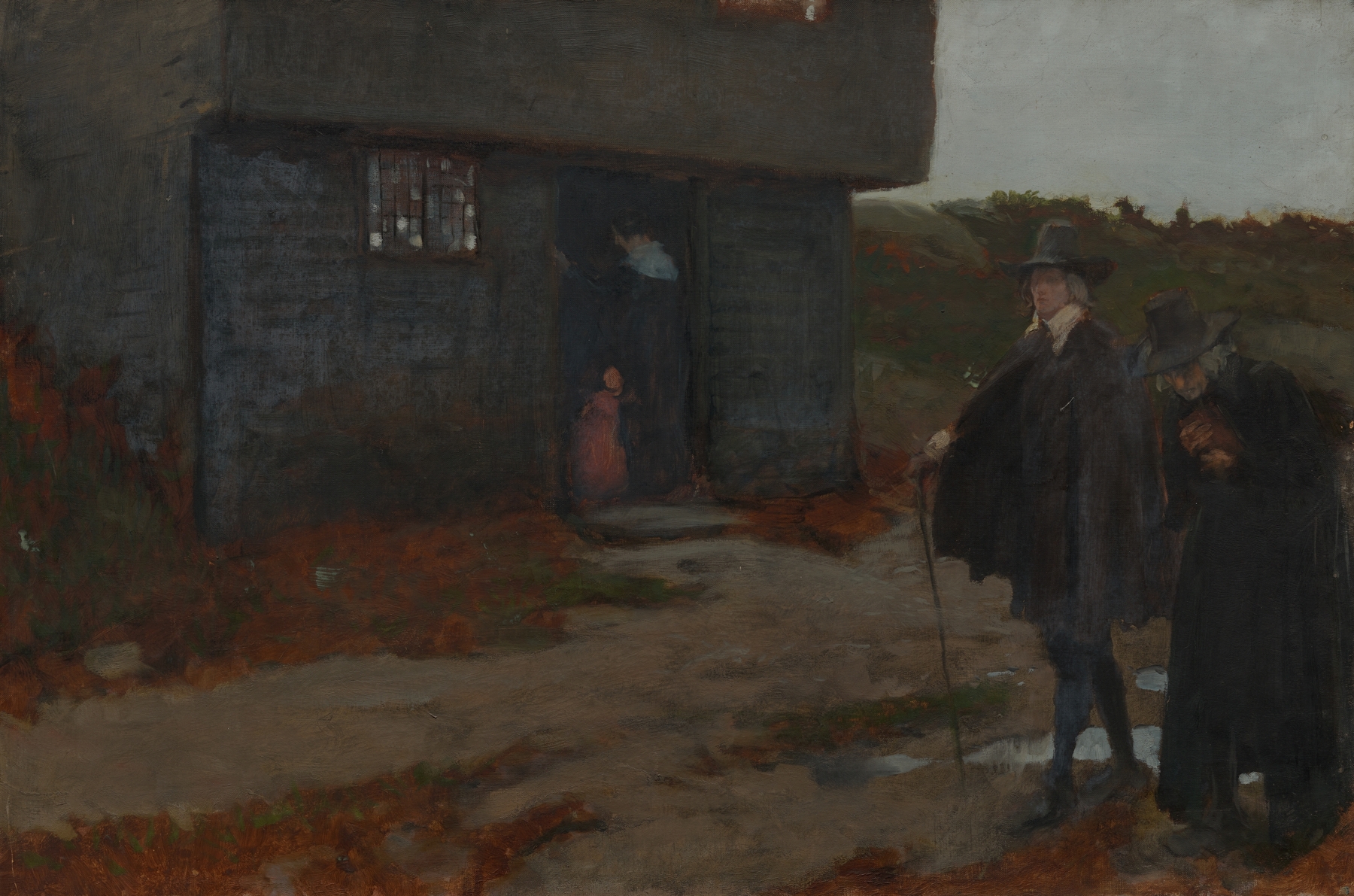
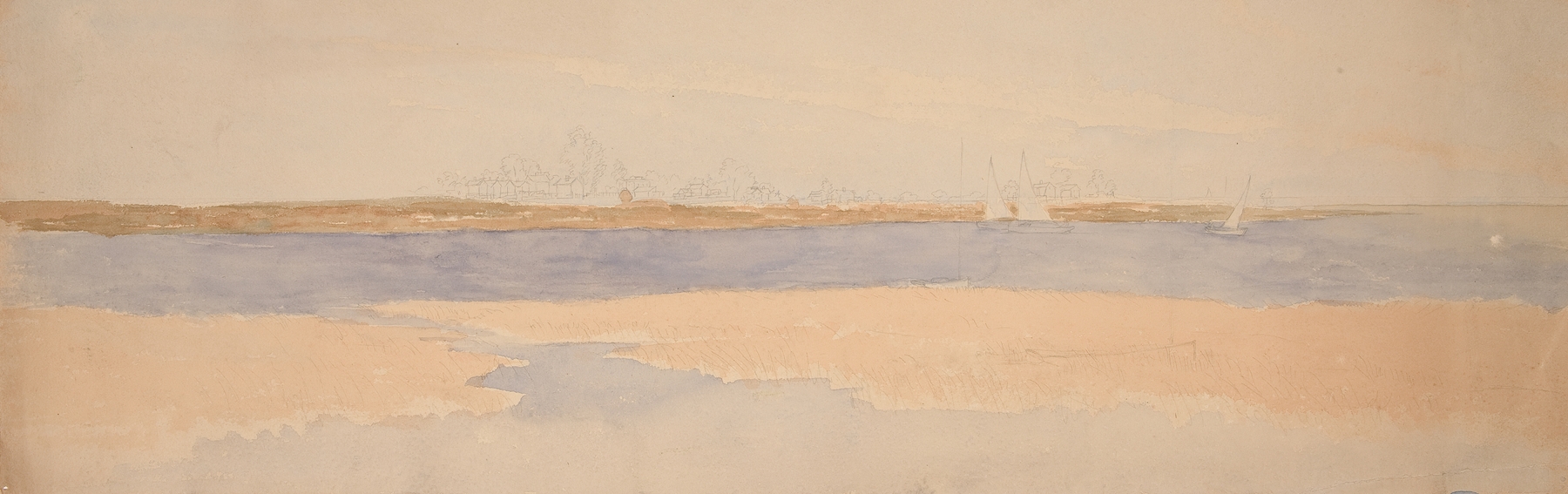
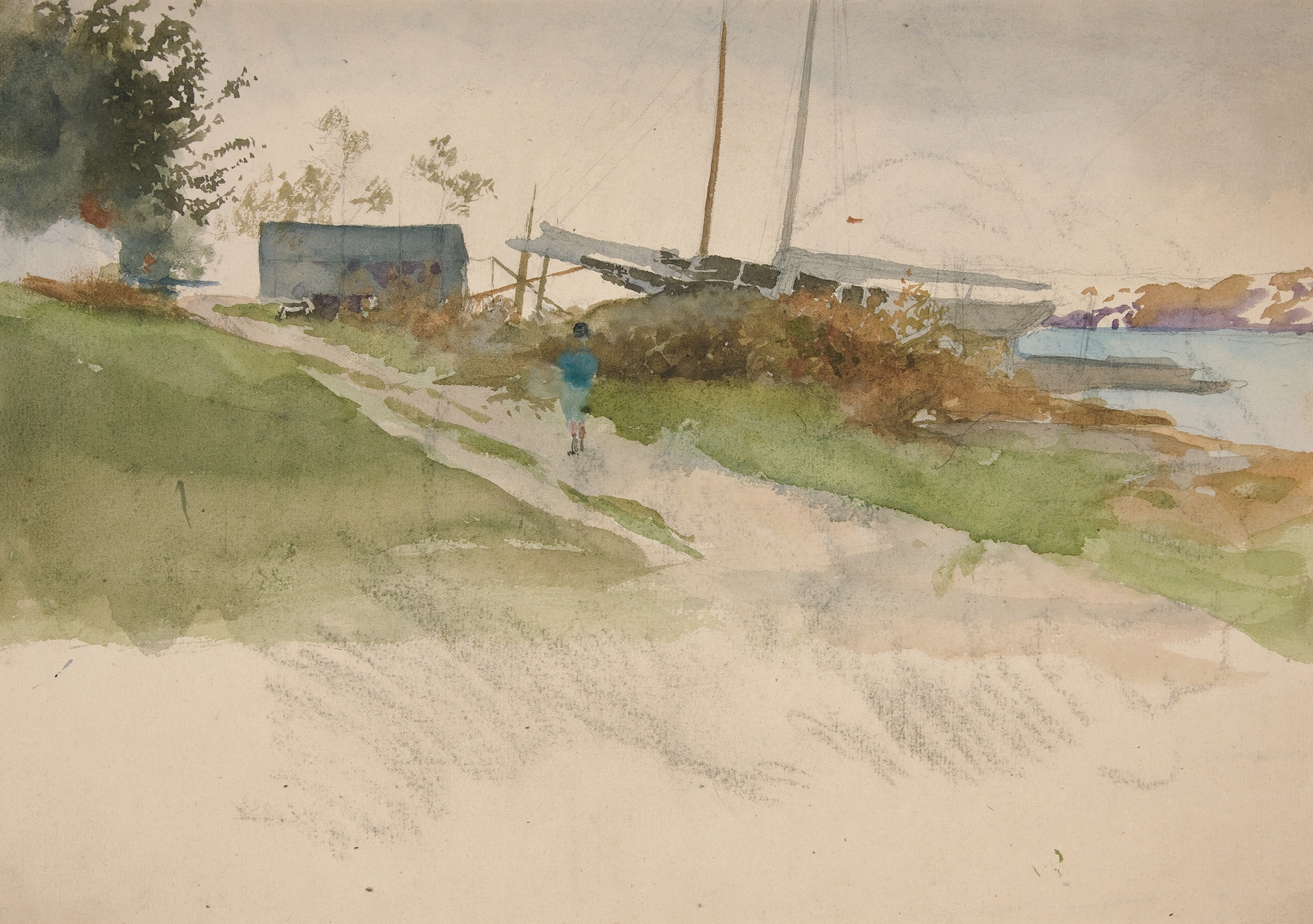
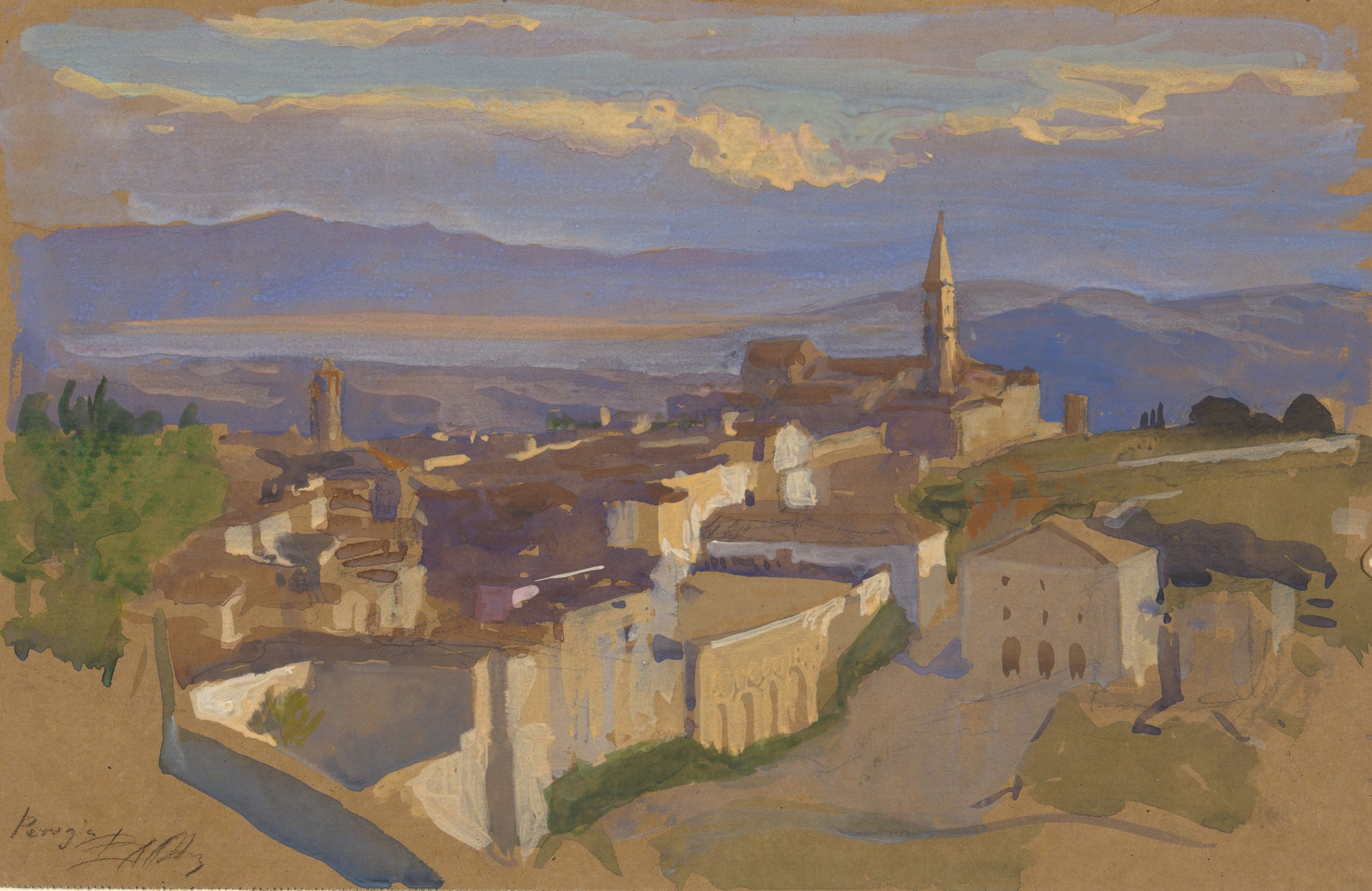
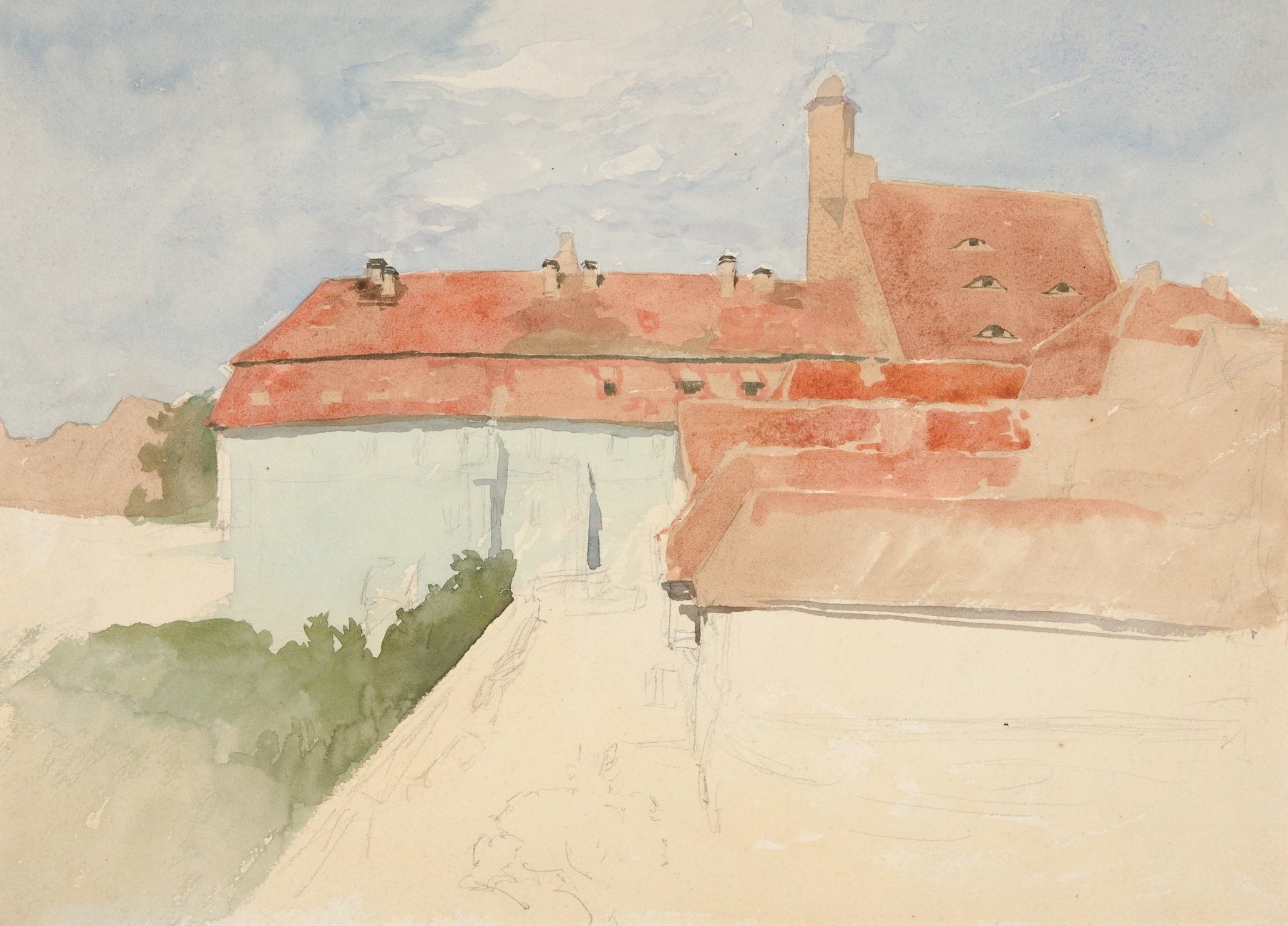
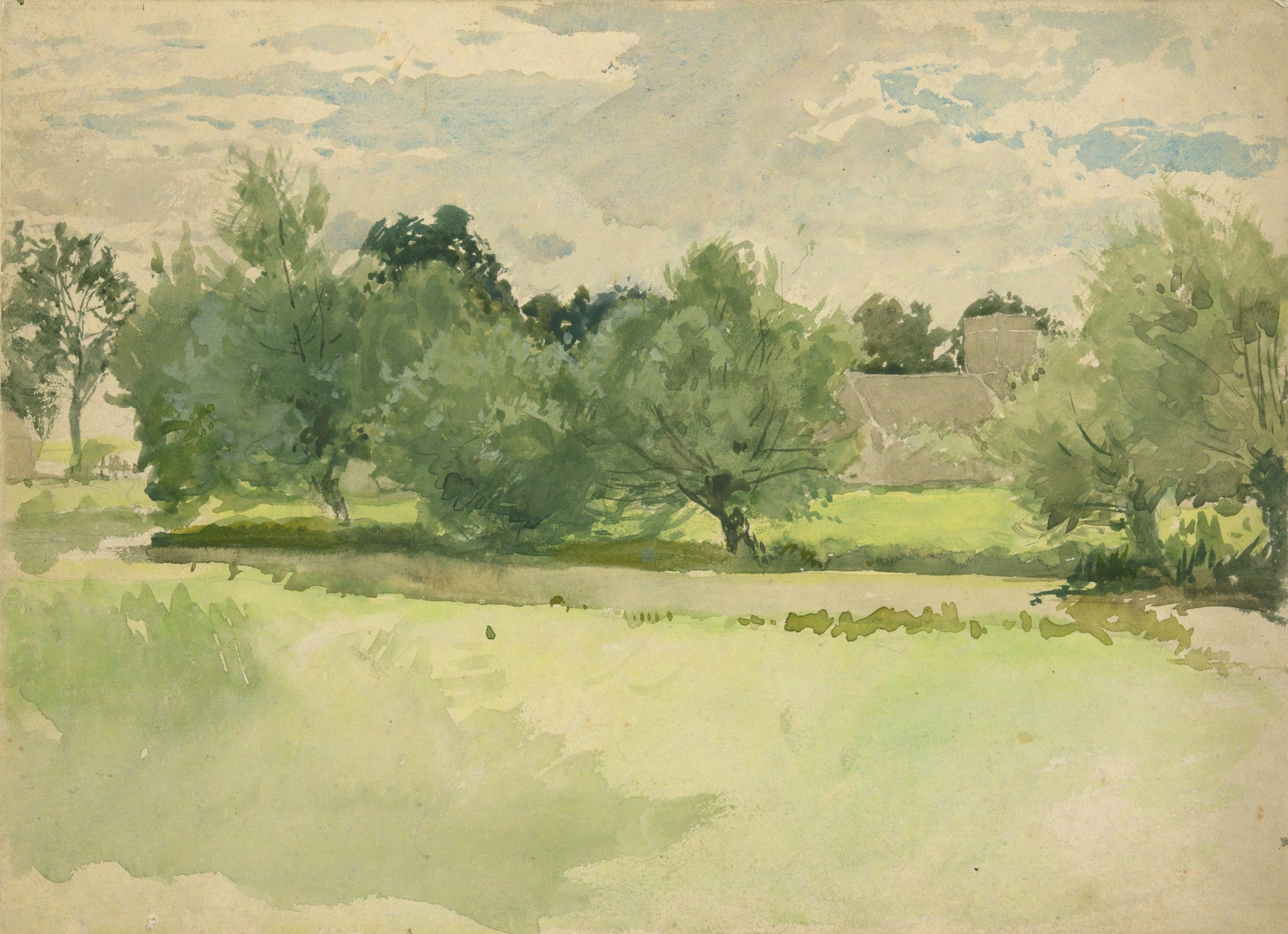
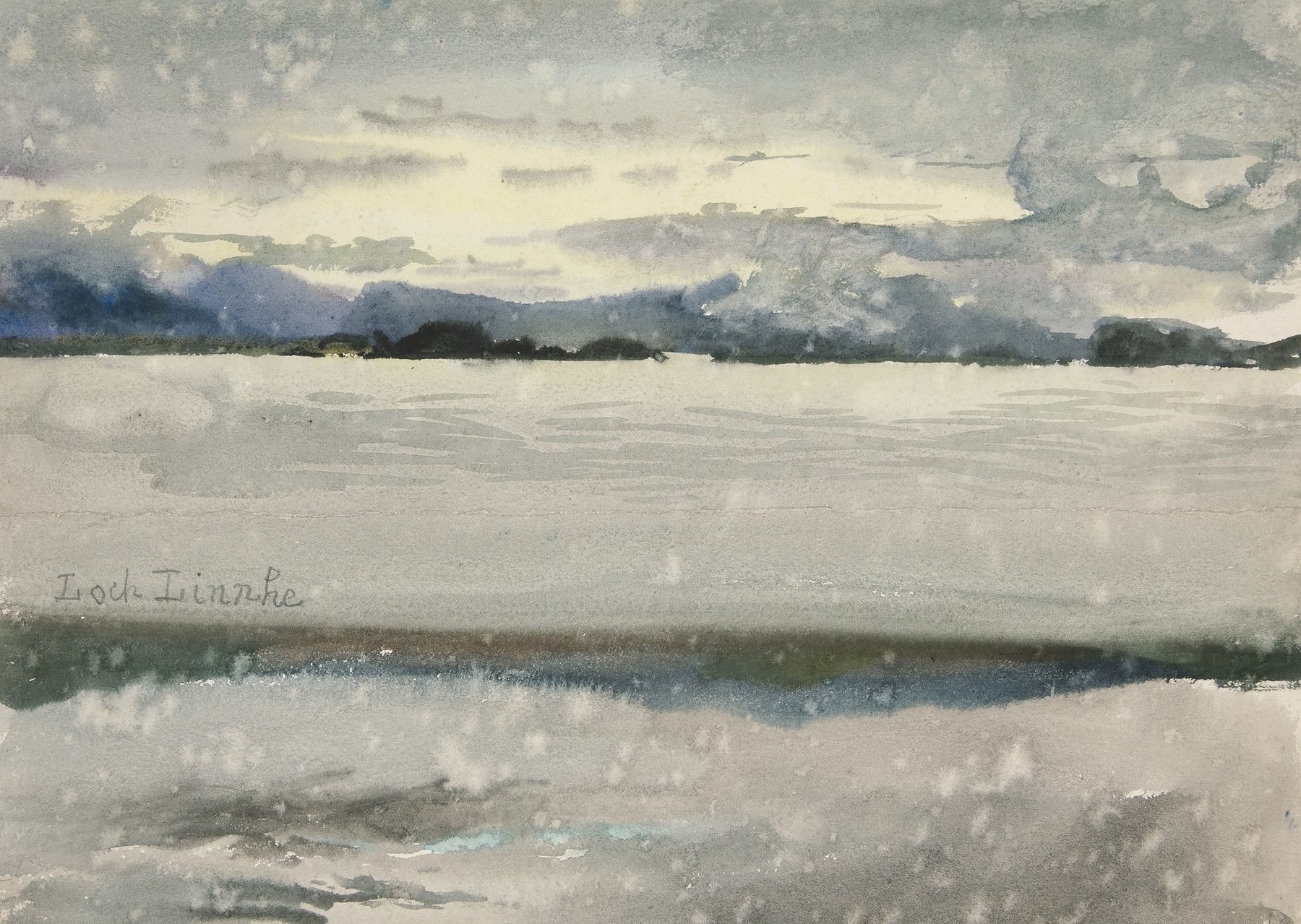
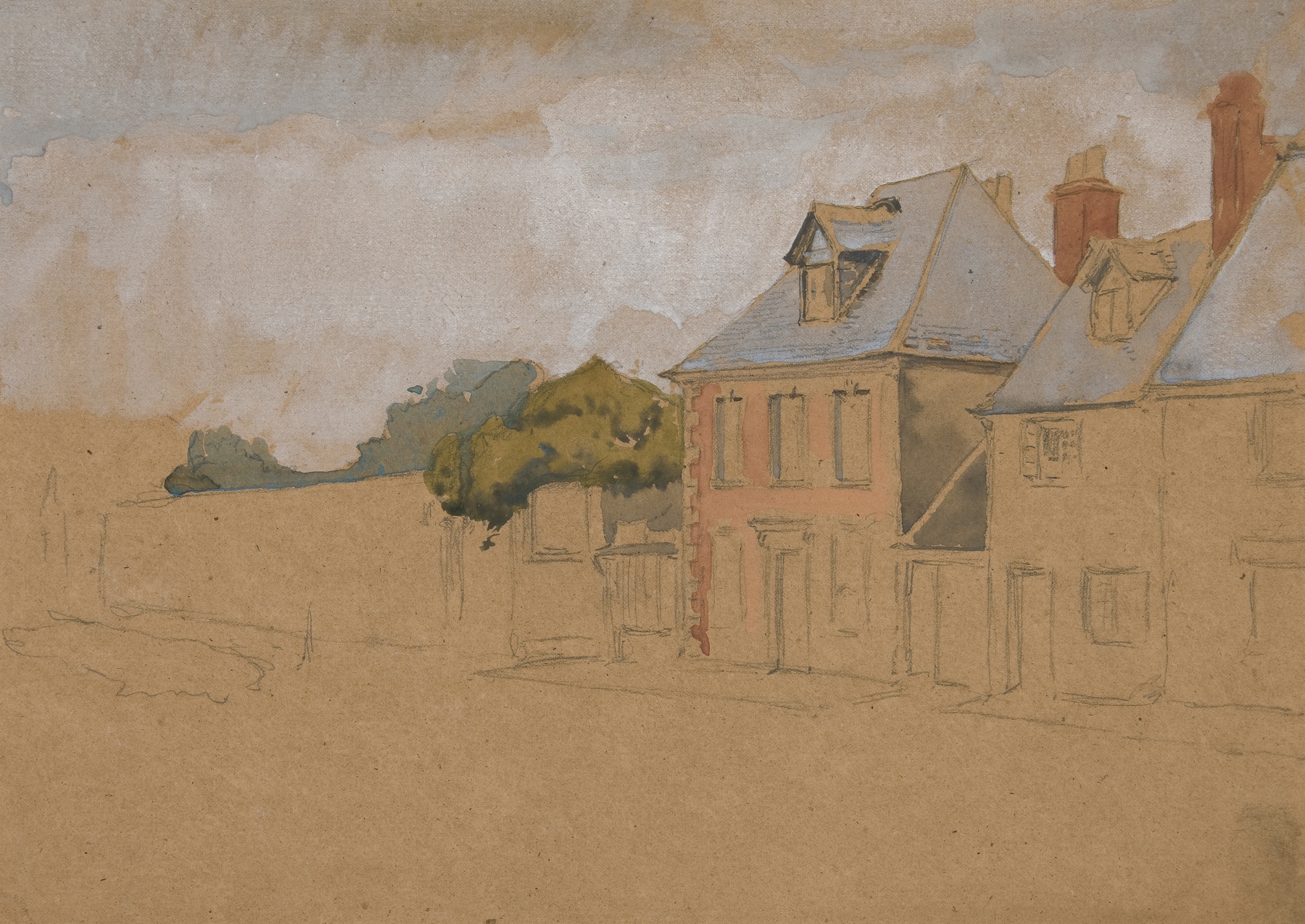
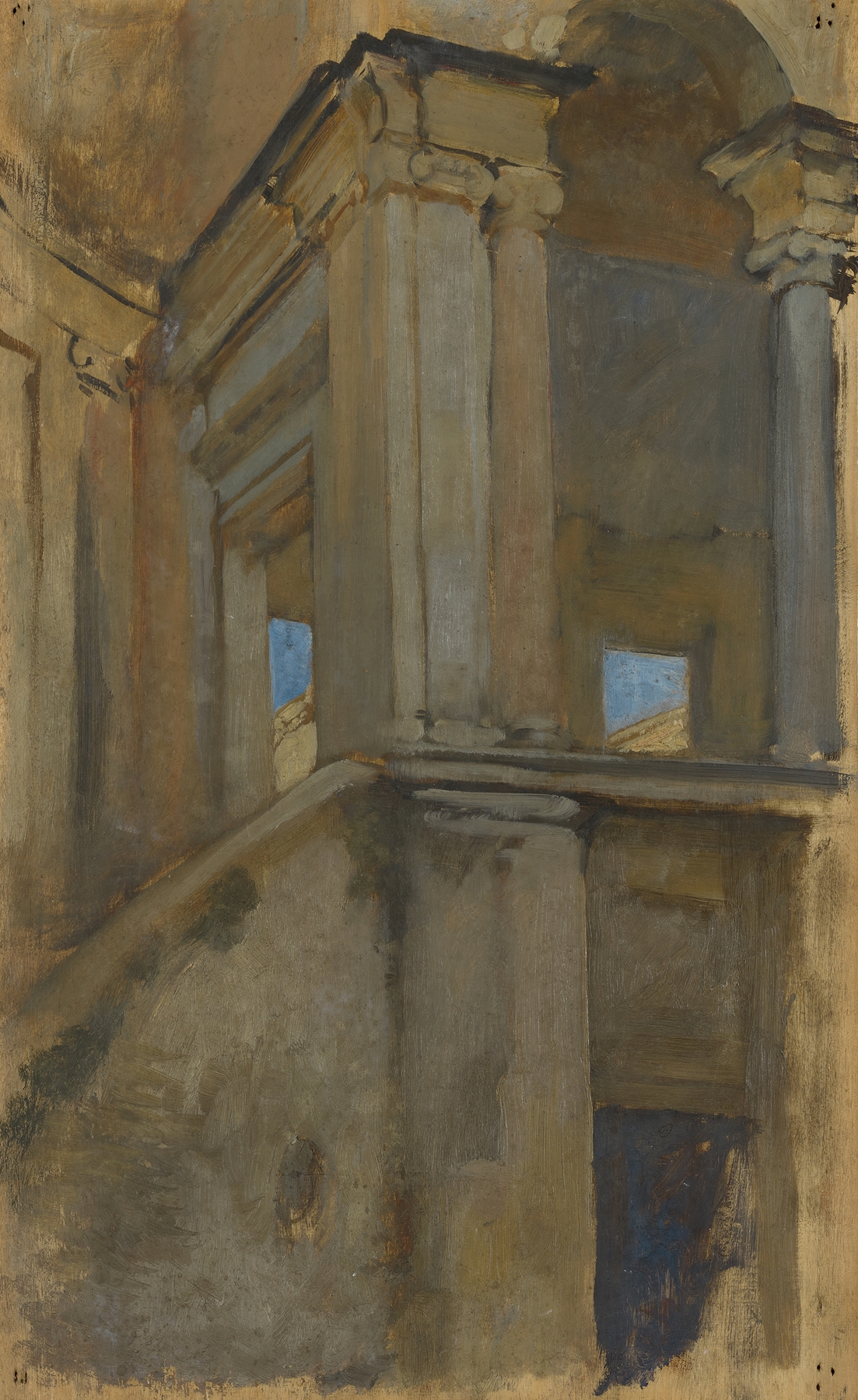
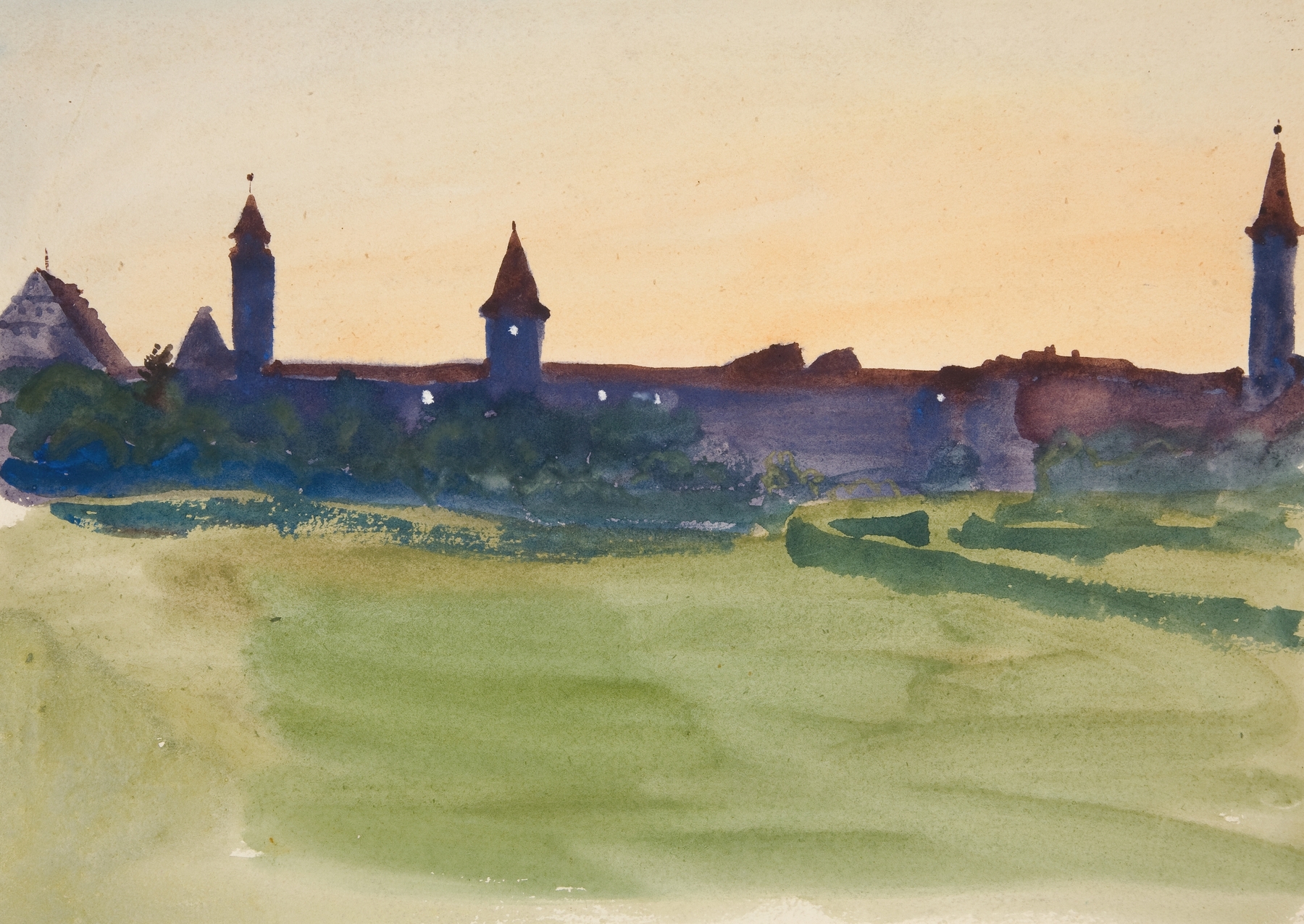
Country scene; fence, field, farmhouse in distance — History & Analysis
“Every brushstroke is a heartbeat remembered.” How many unspoken stories linger in quiet landscapes, where serenity masks a turbulent history? Focus on the gentle undulation of the fields, the way the green hues breathe life into the canvas. Notice how the fence, weathered and worn, draws an invisible line between the familiar and the unknown. The farmhouse, nestled in the distance, stands as a solitary witness to the passage of time, its muted colors whispering of both comfort and conflict.
The light plays softly, hinting at the late afternoon sun, casting long shadows that stretch like memories across the fertile land. Yet, beneath this tranquil surface, there exists a tension—a palpable contrast between the beauty of the landscape and the violence that may have once marred it. The fence, while it demarcates space, also symbolizes division, a reminder of past struggles and the scars they left behind. The distant farmhouse evokes questions of who lived there, what lives were lived, and what conflicts may have unfolded in this seemingly idyllic setting.
Each element contributes to a narrative that oscillates between peace and turmoil. Edwin Austin Abbey painted this artwork during a time when America was grappling with its identity in the late 19th century. Although the exact date remains uncertain, this period marked significant changes in both society and the art world. Artists were beginning to explore themes beyond traditional subject matter, and Abbey, influenced by his experiences and the evolving landscape of America, sought to capture not just beauty, but the haunting complexities of life itself.