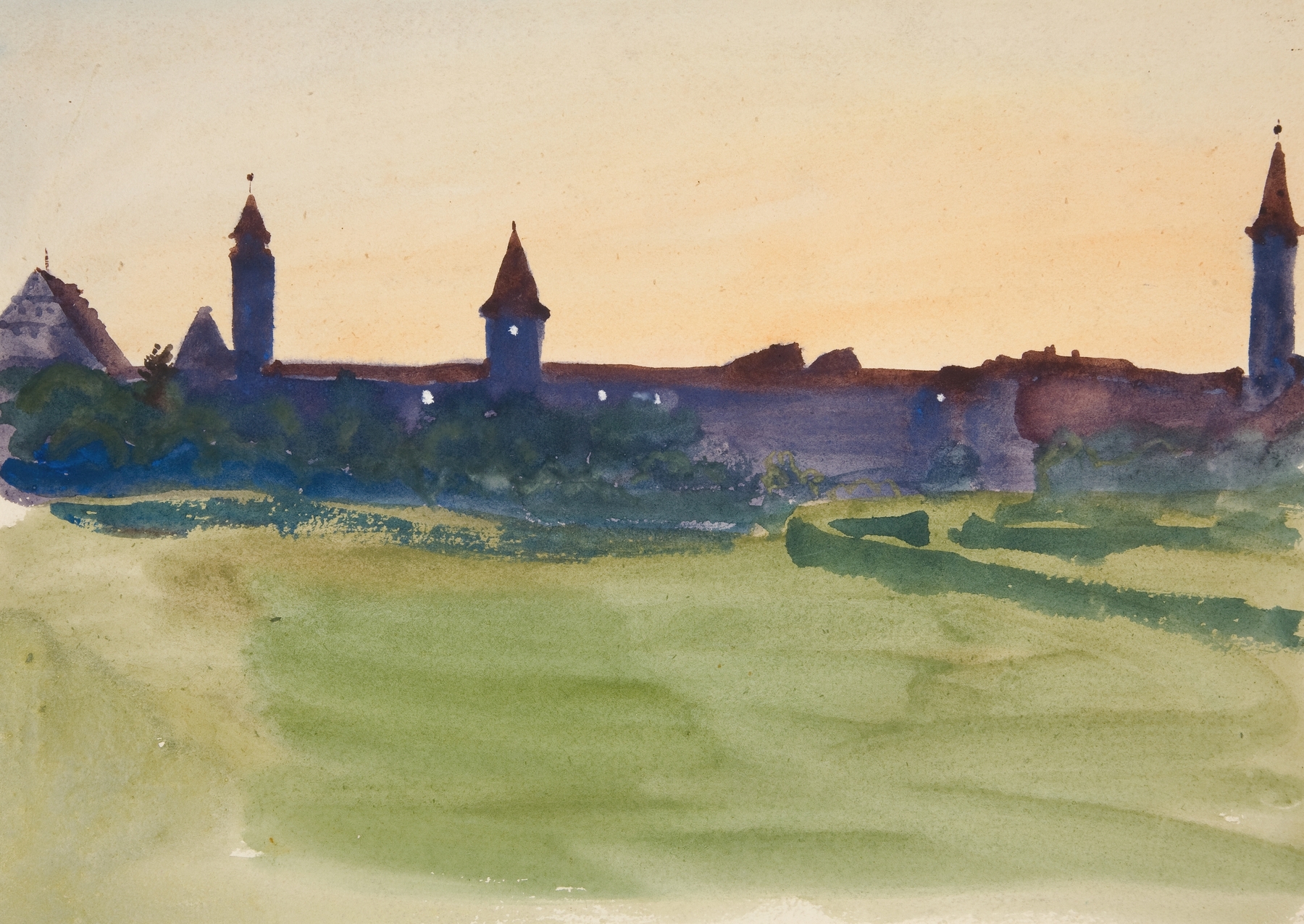
At the Cottage Door (17th Century New England Scene) — History & Analysis
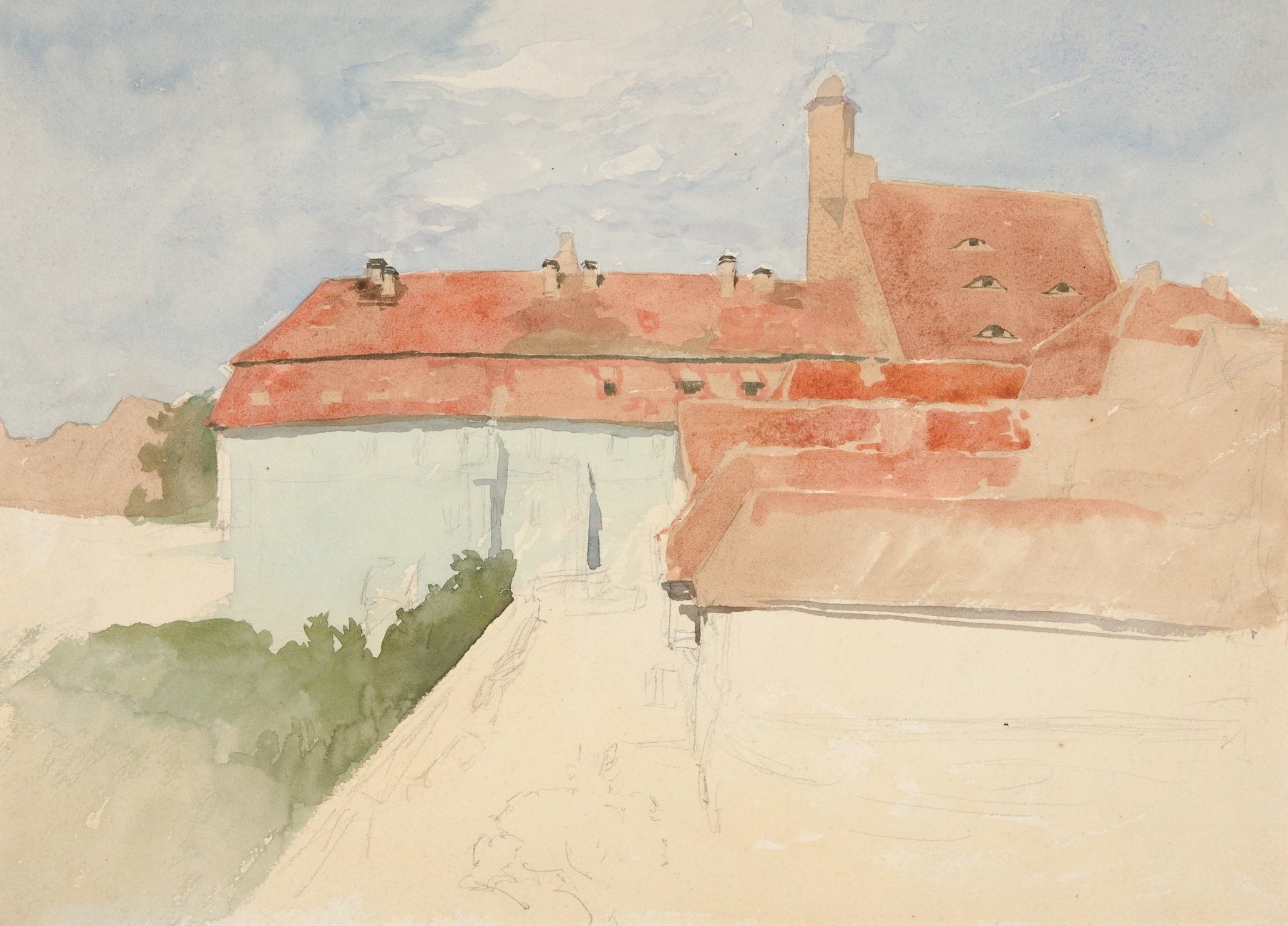
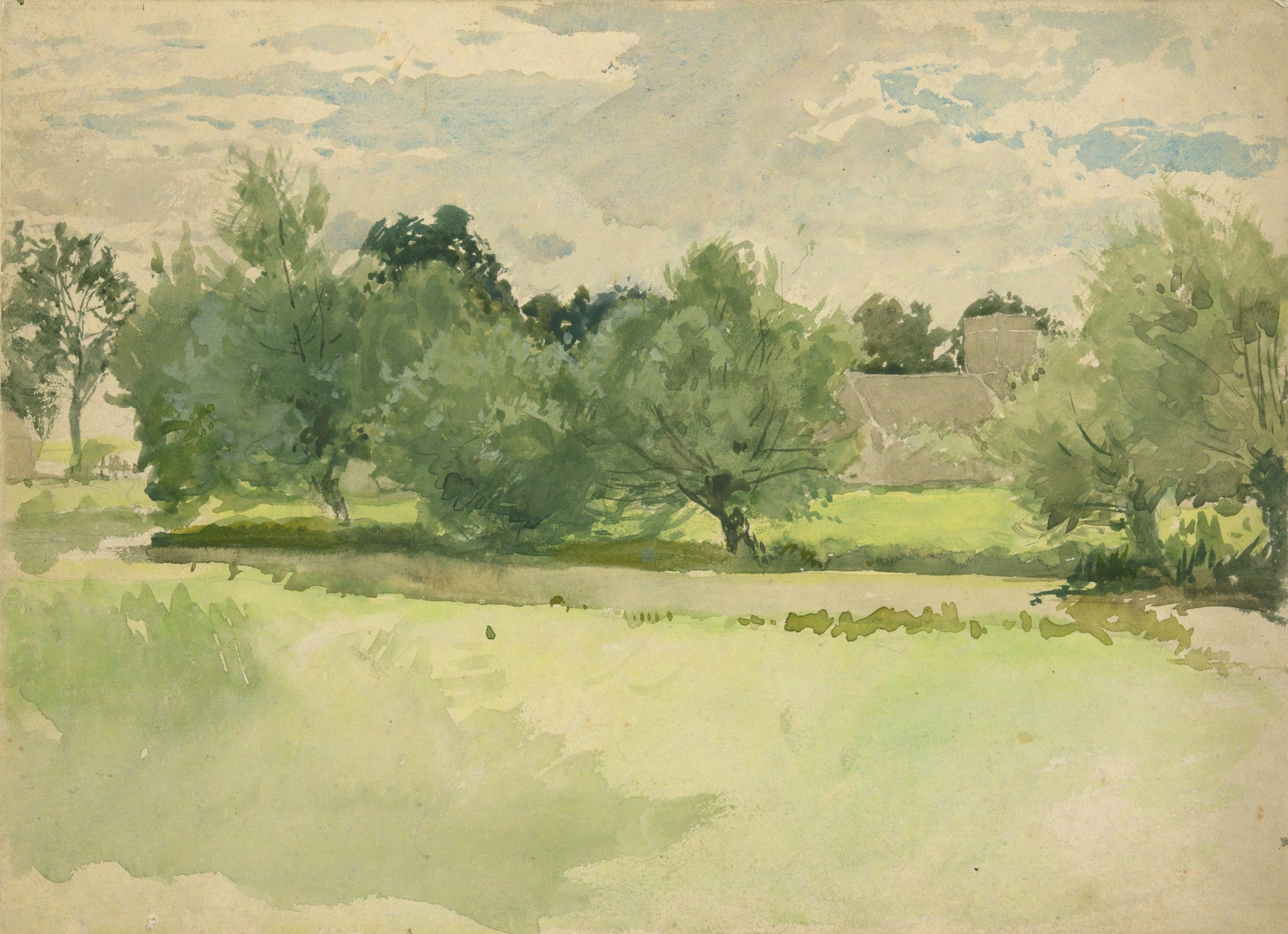
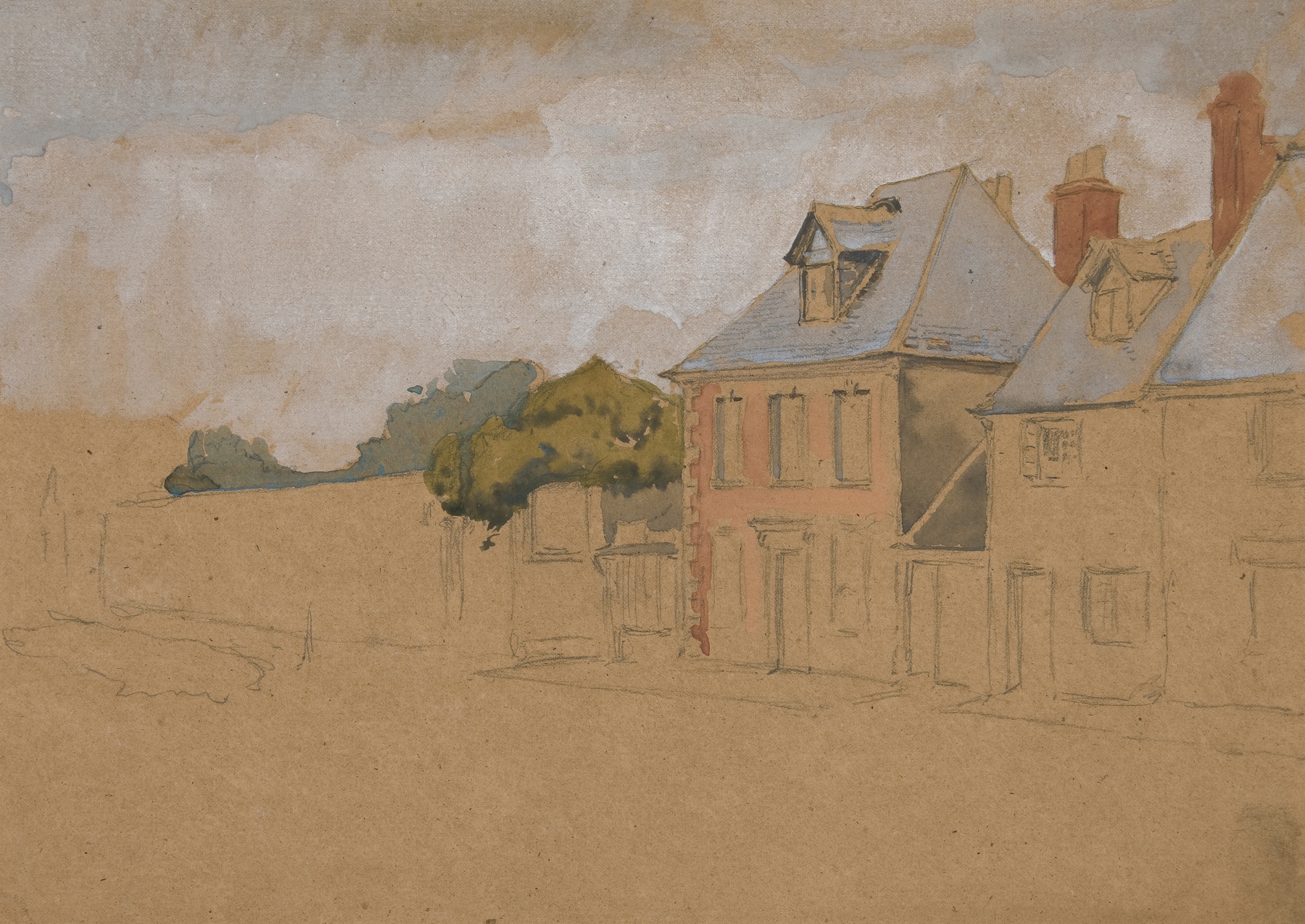
When did color learn to lie? It whispers secrets that hide beneath its vibrant surface, inviting us to question what we see. In the realm of art, reflection is not merely a technique but a profound commentary on truth and illusion. Look to the left at the radiant hues of the sky, where soft pastels meld into deeper tones, creating a dreamlike backdrop. Notice how Abbey masterfully employs light to reflect the warmth of the cottage door, inviting viewers into this serene moment.
The figure by the threshold, draped in gentle shades, merges with the landscape, embodying both presence and absence, while the surrounding details—the blooming flowers and the hint of distant trees—frame the scene with tender care. As you delve deeper, consider the emotional undercurrents of this moment. The door symbolizes both separation and connection, suggesting the boundaries we navigate between the outside world and our intimate spaces. The delicate interplay of light and color evokes a sense of nostalgia, perhaps signaling a longing for simpler times or lost connections.
Each brushstroke seems to carry whispers of past stories, urging us to reflect on our personal narratives intertwined with this tranquil scene. In the early 20th century, during his time creating this piece, Abbey was immersed in the Arts and Crafts movement, influenced by a desire for authenticity in art. Living in England after a prolific career in America, he often explored themes of domestic life and rural beauty. The world was shifting, yet this moment reflects a steadfastness that transcends time, inviting the viewer into a peaceful contemplation of life at the cottage door.