Landscape with figure walking along a path, water in distance — History & Analysis
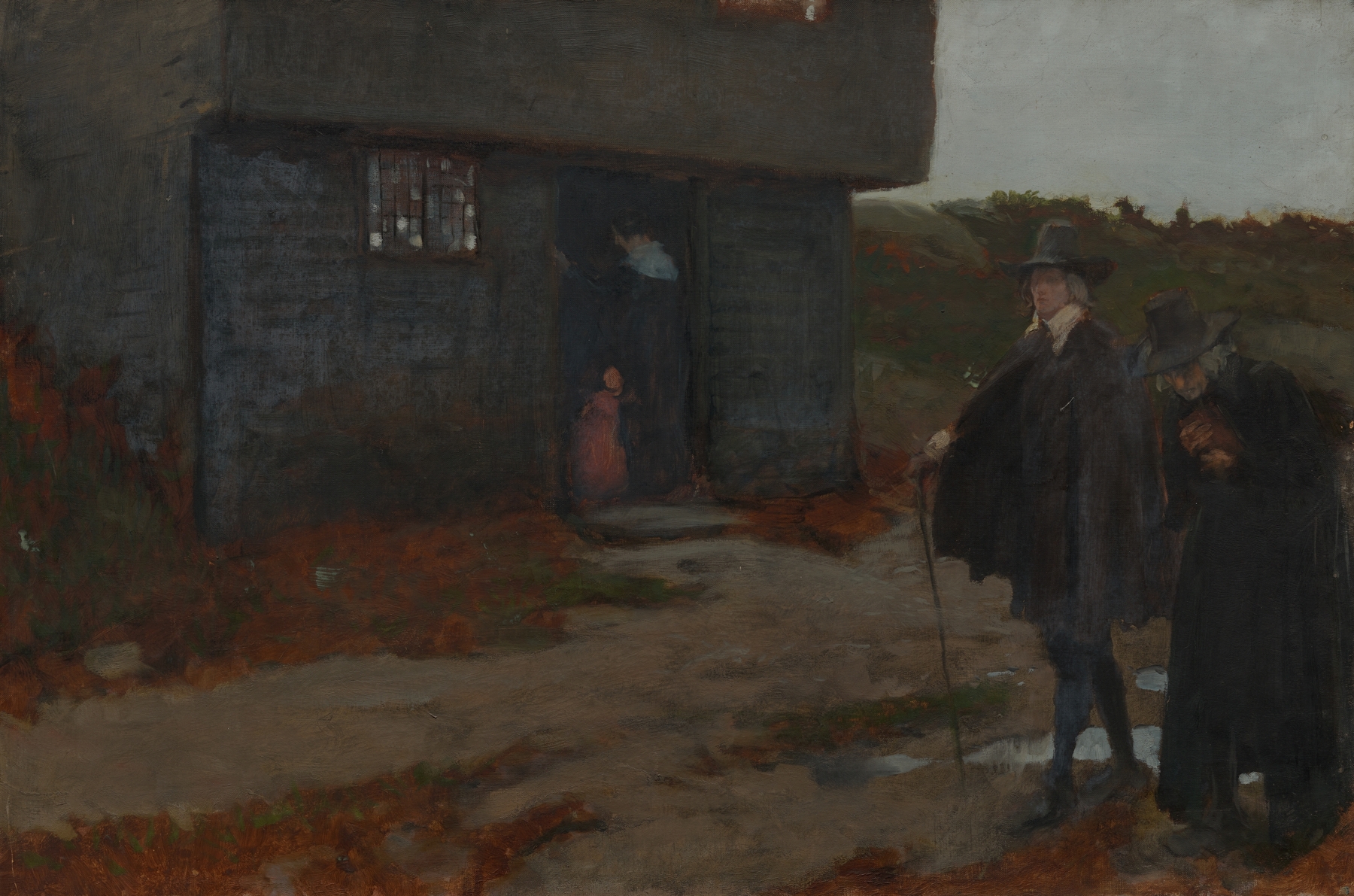
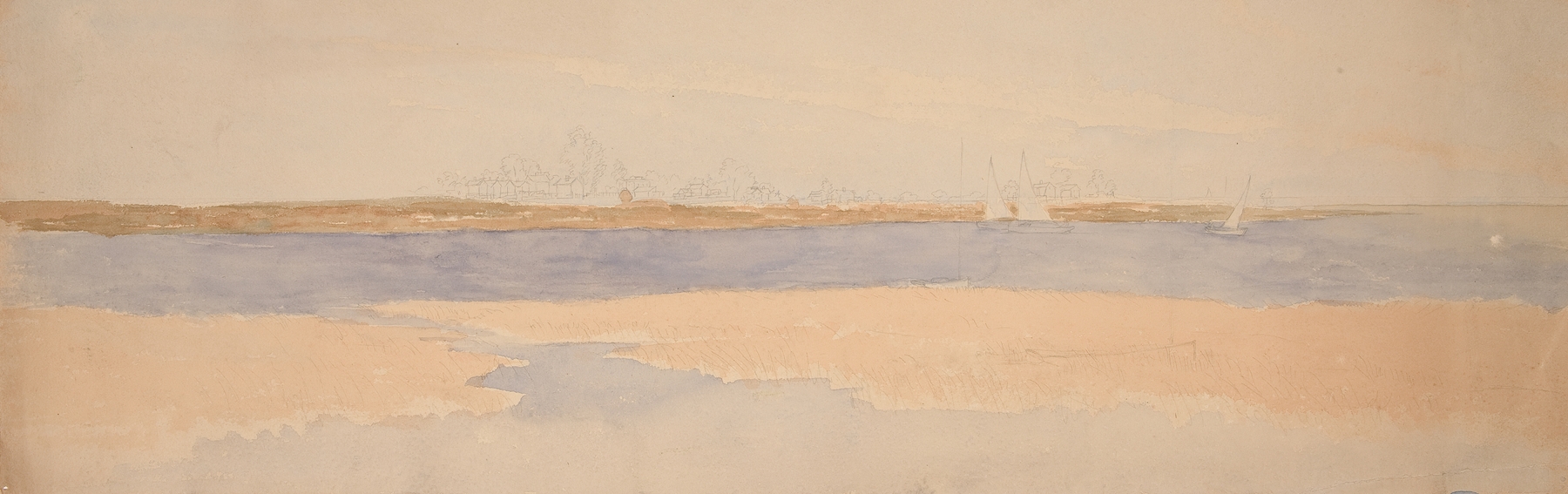
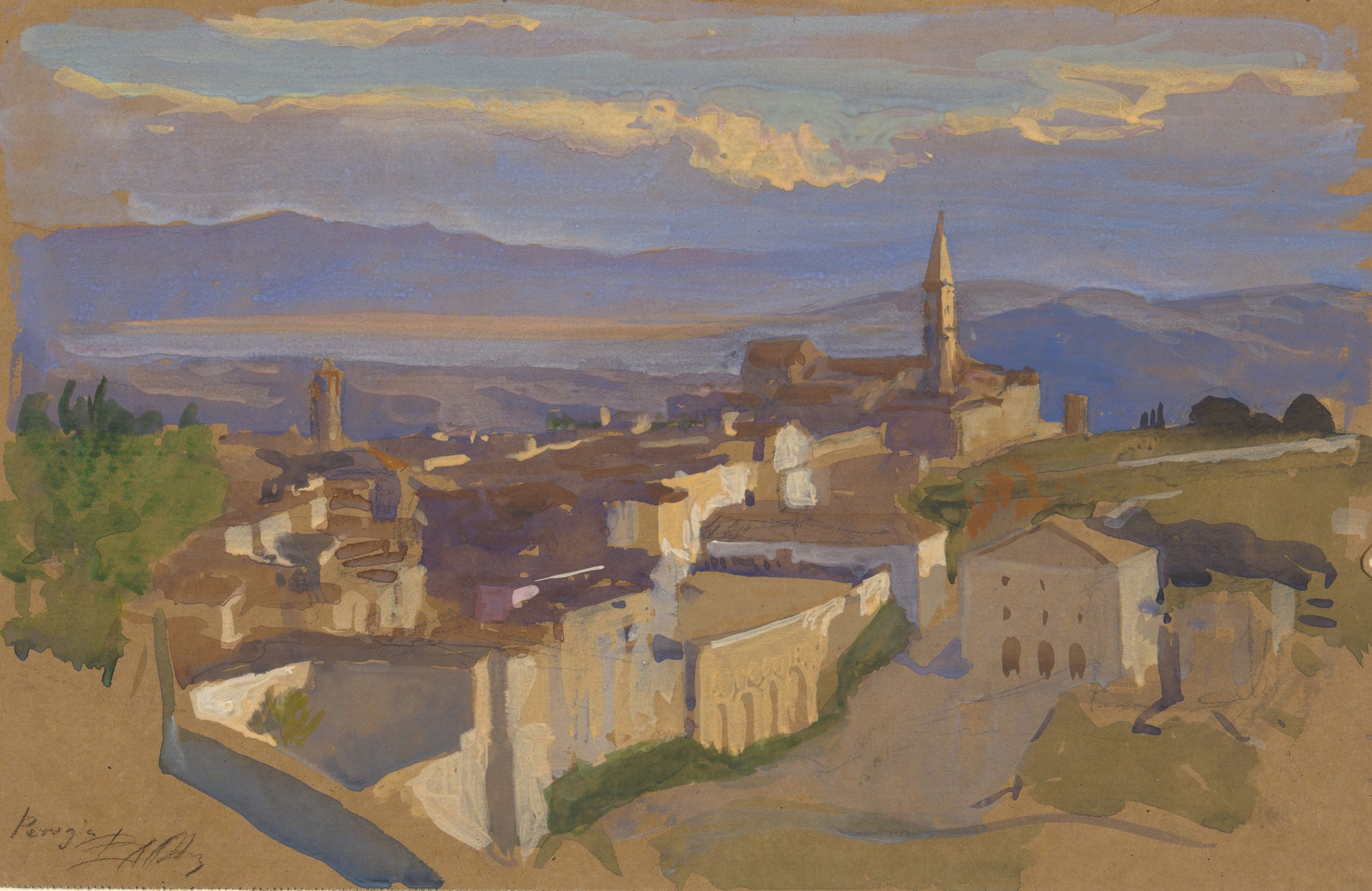
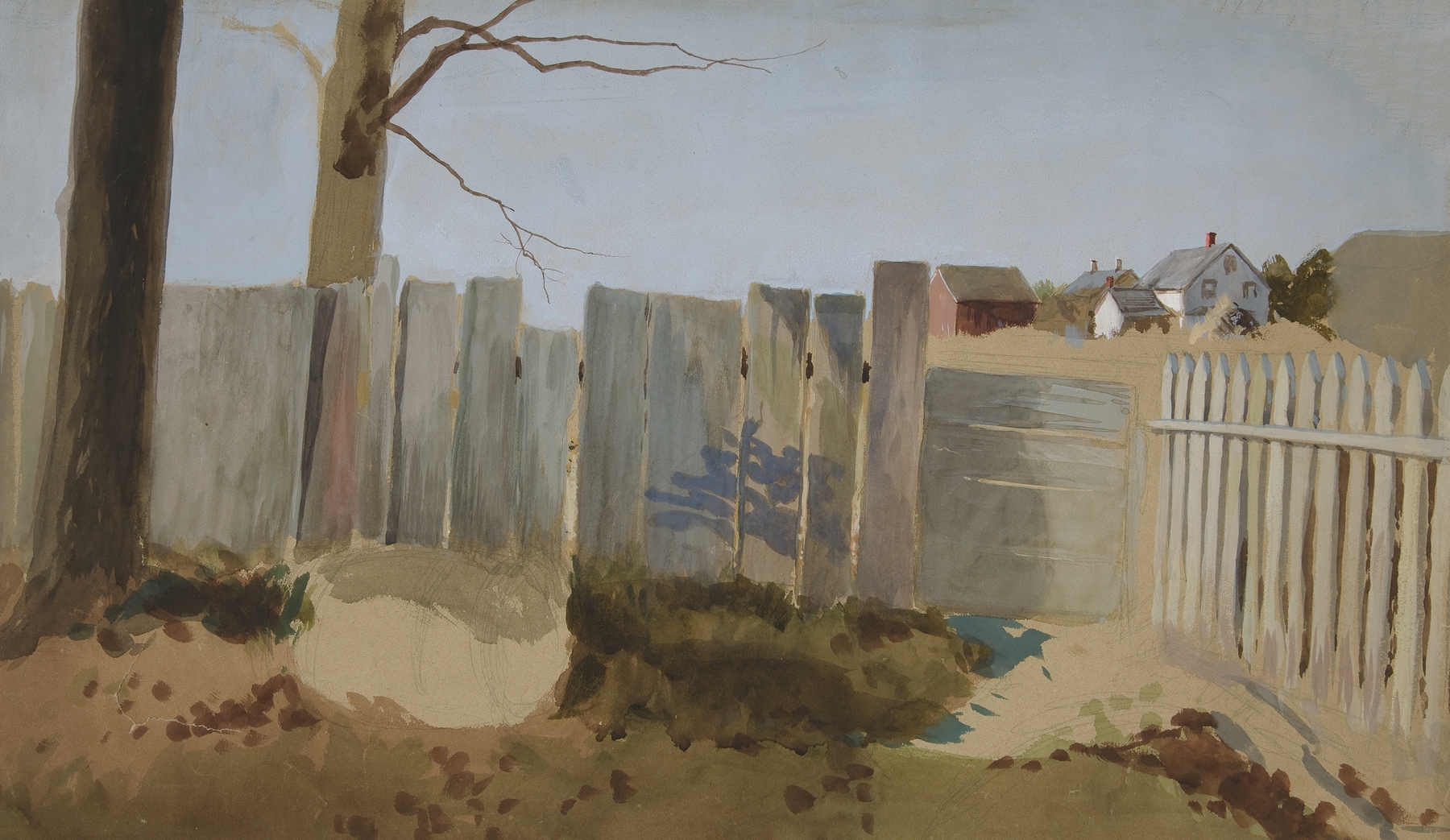
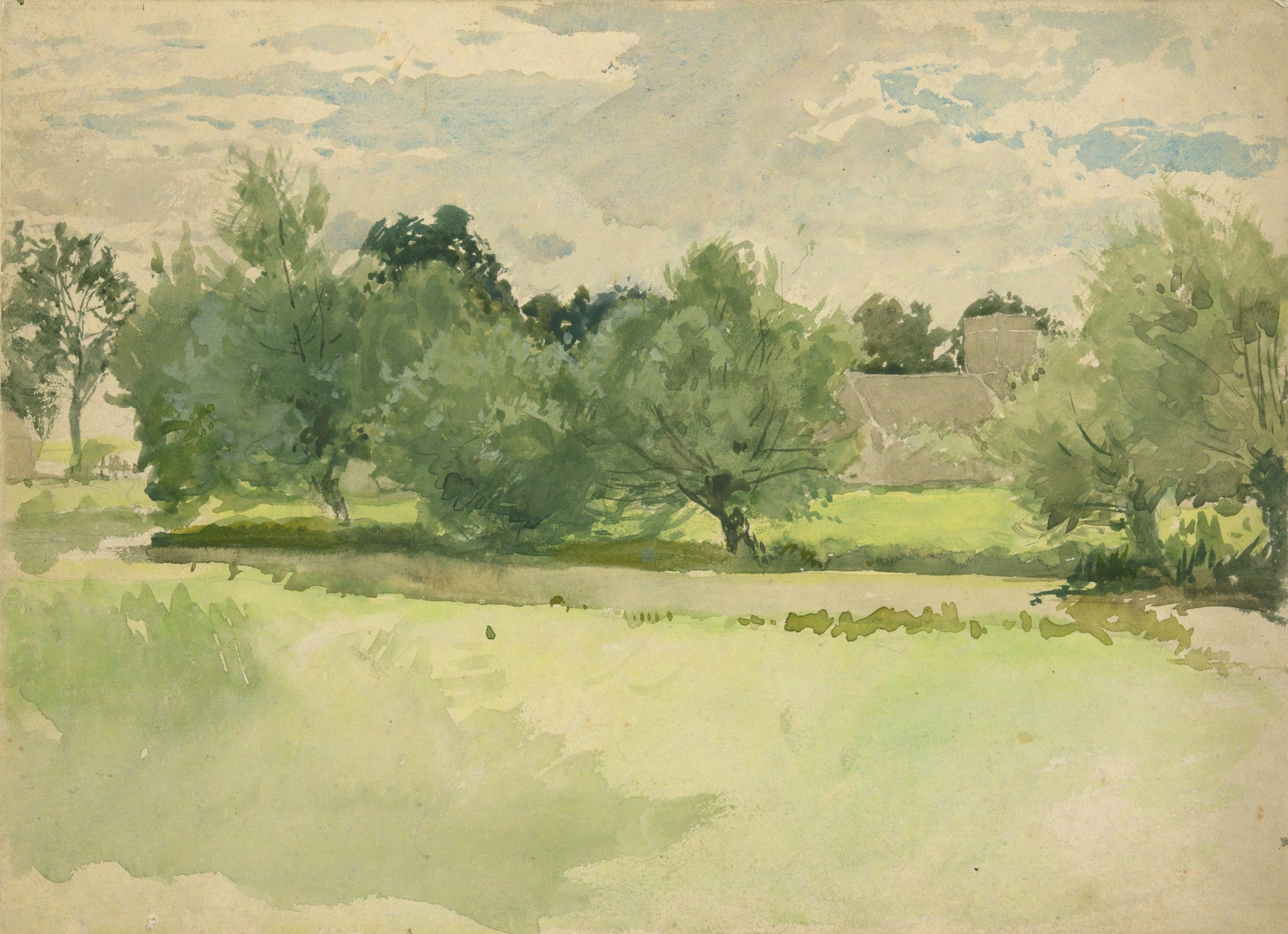
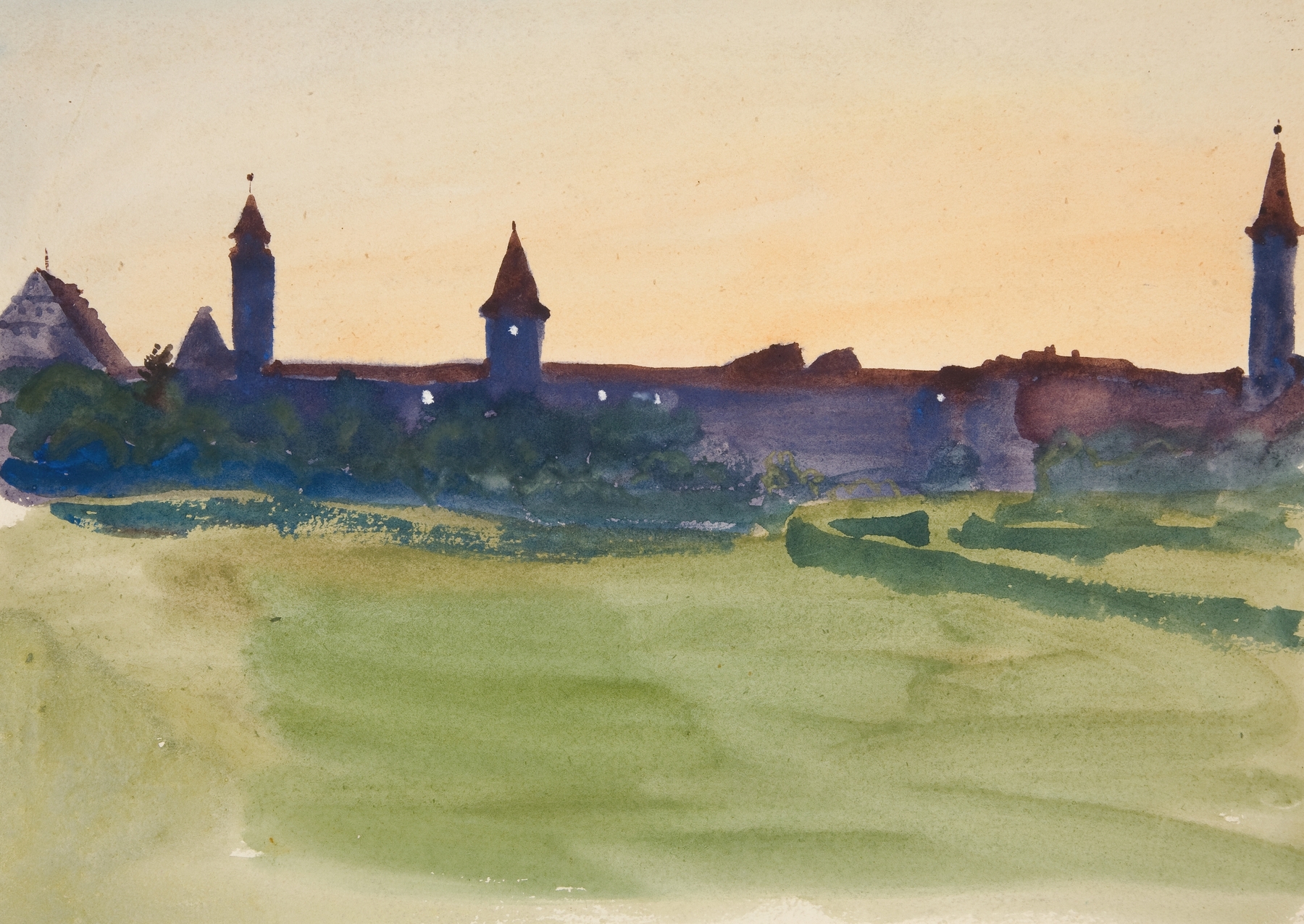
“To paint is to remember what time wants us to forget.” In a world rife with transience, could there be a more poignant truth captured on canvas? Look first to the left side of the frame, where a solitary figure drifts along a winding path, their form a gentle silhouette against the expanse of vibrant greens and blues. The lush landscape stretches out, beckoning the viewer’s gaze toward the distant water that glimmers softly under the sun’s caress. Abbey’s choice of warm, earthy tones contrasts beautifully with the ethereal quality of the sky, creating a harmonious balance that invites exploration and contemplation.
Beneath the serene surface lies an intricate interplay of solitude and connection. The figure, seemingly lost in thought, embodies the quiet struggle between the yearning for solitude and the innate need for companionship. The path they tread symbolizes life’s journey — winding, uncertain, yet filled with promise as it leads toward the shimmering promise of the water. Each blade of grass sways subtly in the breeze, whispering secrets of what was and what could be, enhancing the painting's emotional depth.
Created during a period of fluctuating artistic movements in the late 19th to early 20th century, the artist was immersed in the transition from realism to impressionism. Abbey, residing in England, was influenced by his experiences in America and the evolving art scene around him. This work, while not definitively dated, reflects his ongoing engagement with themes of introspection and the natural world, marking a pivotal time in his exploration of light and emotion within landscape painting.