View of Perugia — History & Analysis
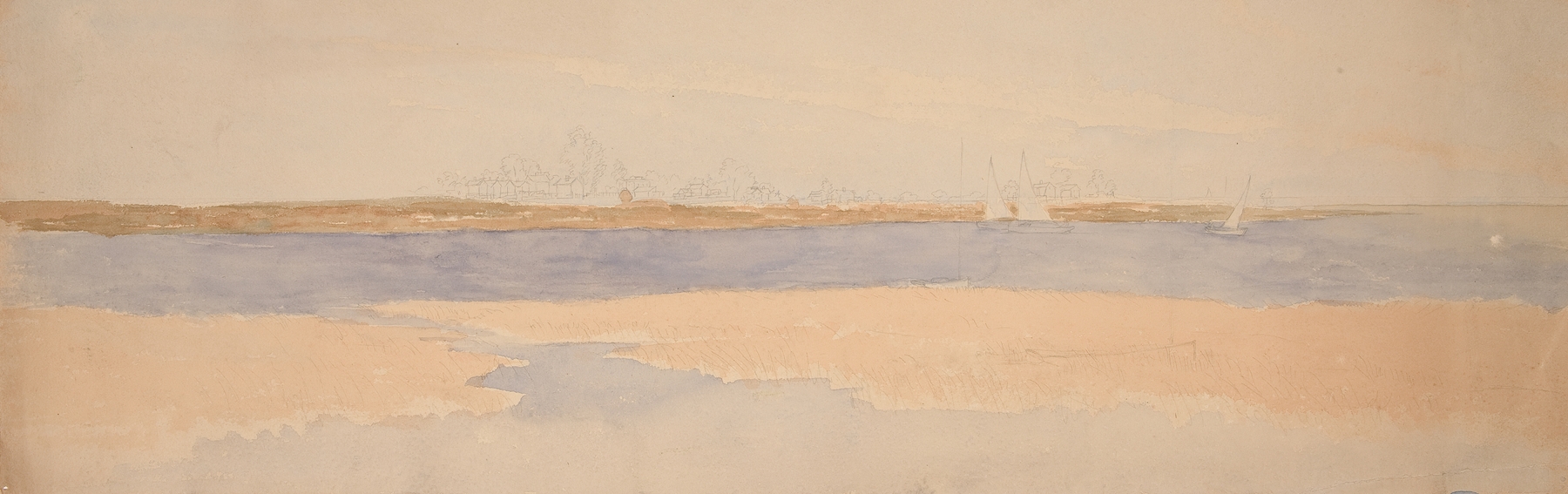
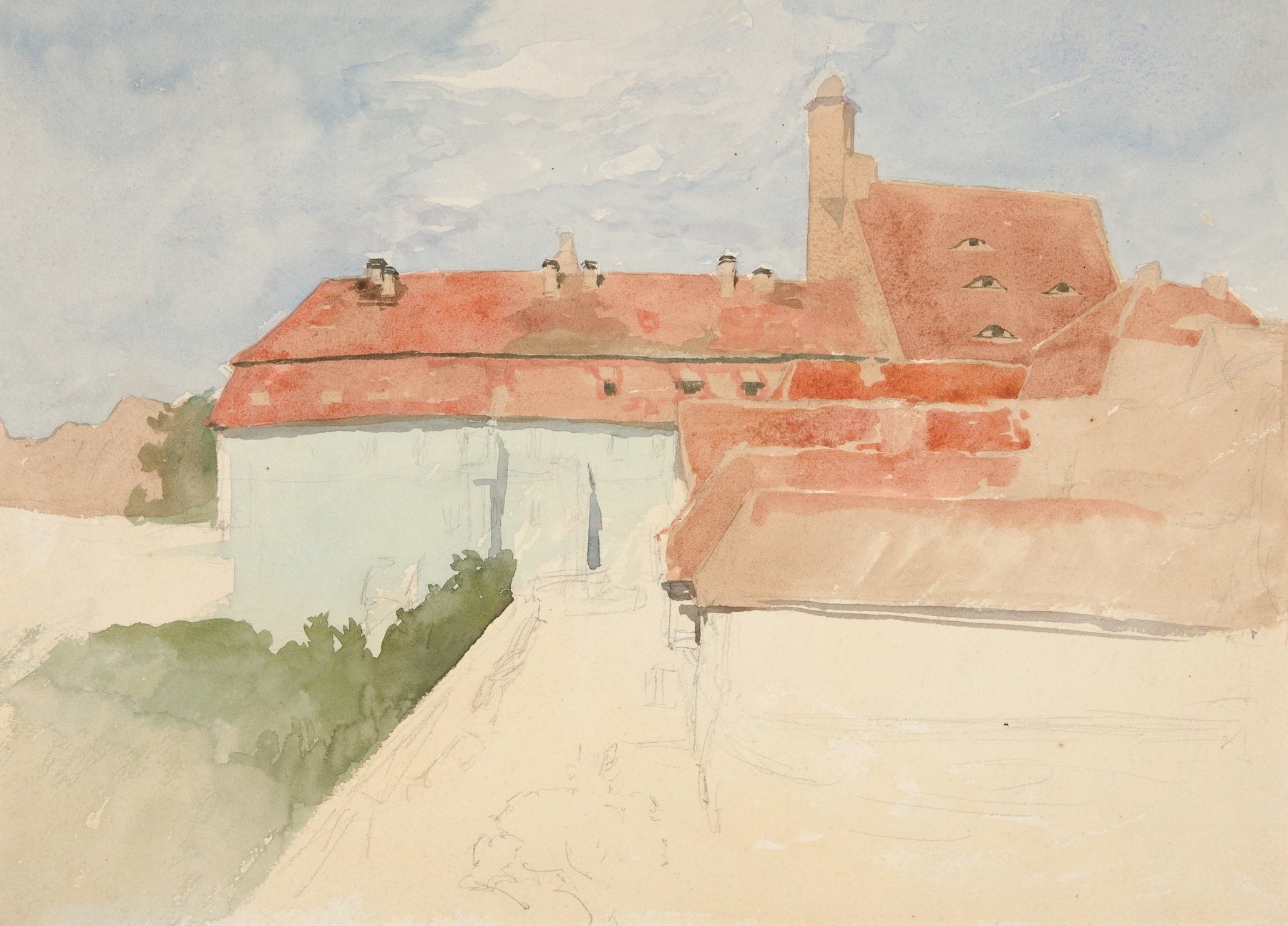
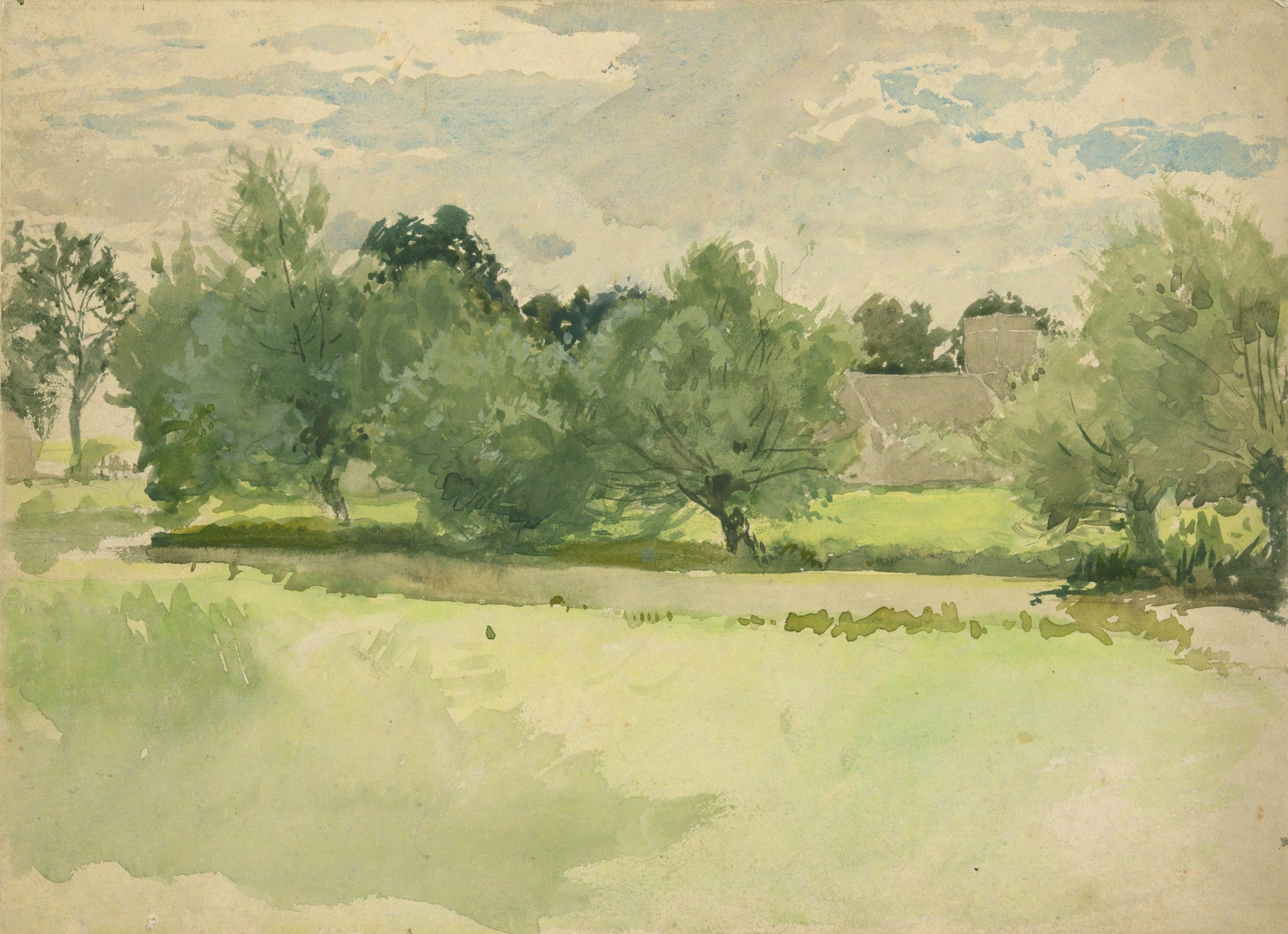
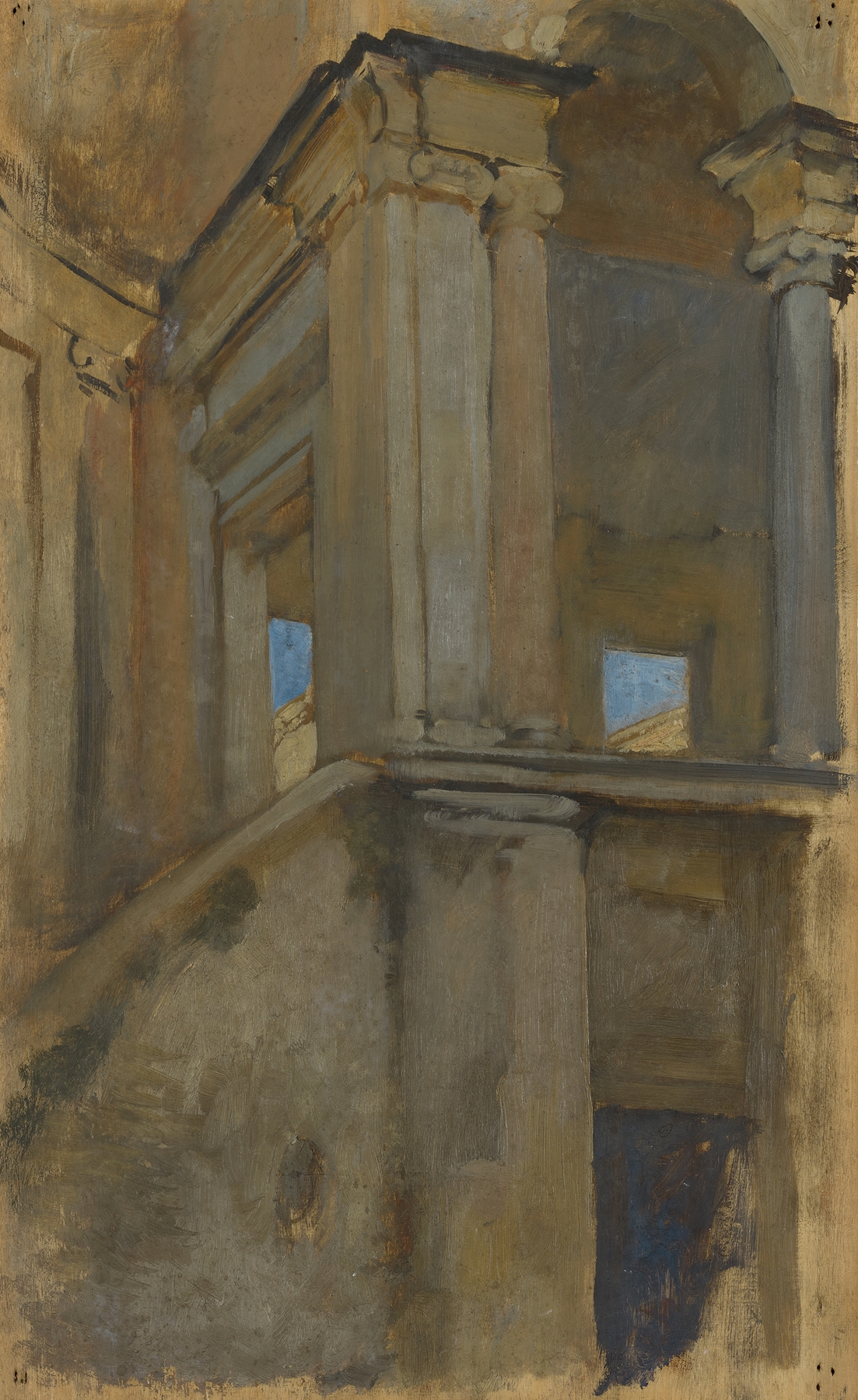
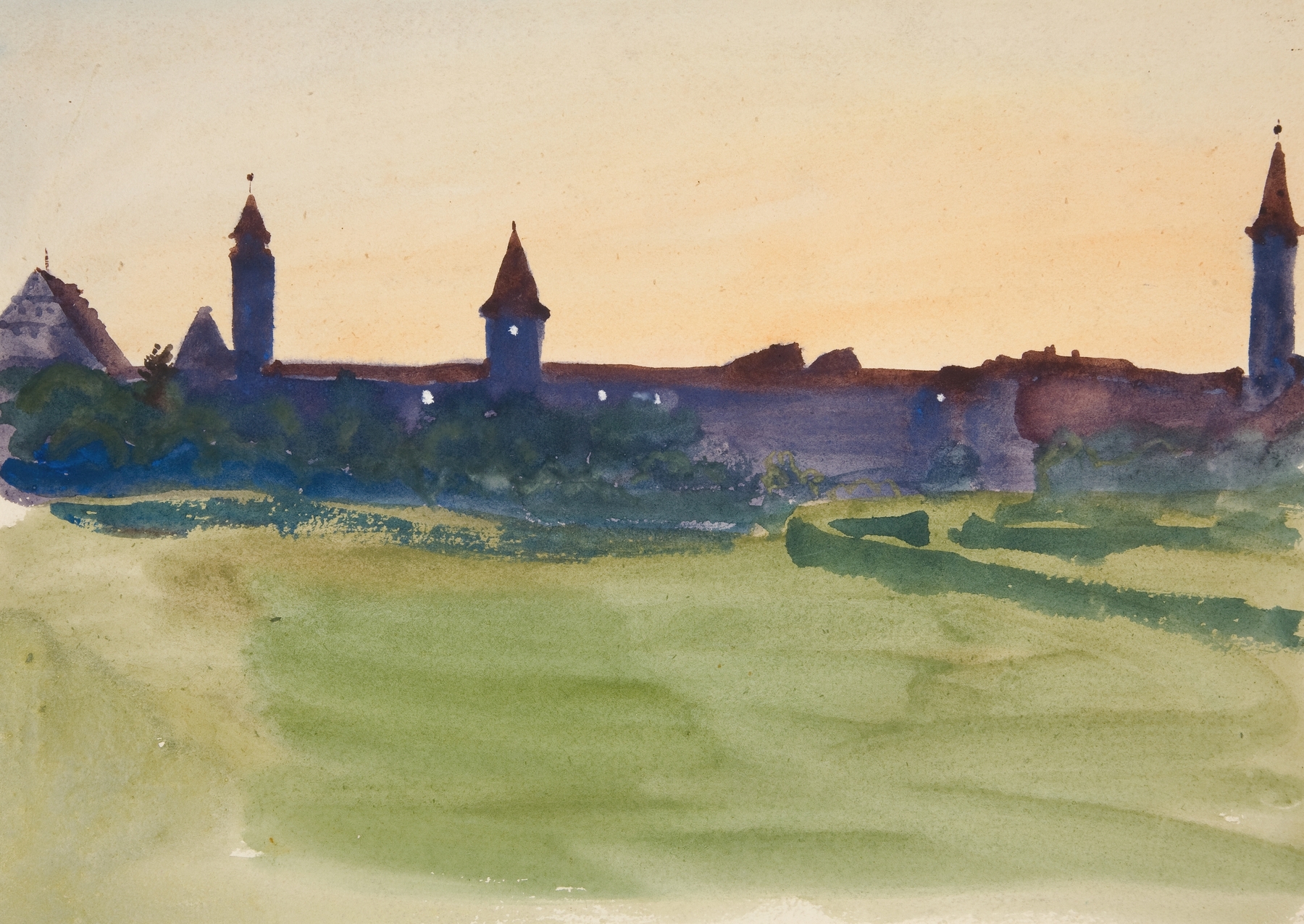
“To paint is to remember what time wants us to forget.” In the vibrant hues of Edwin Austin Abbey’s View of Perugia, the artist has captured the essence of memory, a fleeting moment suspended in color. The rich palette evokes nostalgia, inviting contemplation of the places we hold dear, even as they fade from the present. Look to the warm ochres and soft blues that dominate the canvas, creating a harmonious dialogue between the cityscape and the sky above. The interplay of light and shadow accentuates the ancient architecture, while vibrant touches of green breathe life into the foreground.
Abbey’s meticulous brushwork leads the eye to the graceful contours of Perugia, grounding the viewer in this ethereal vista while simultaneously allowing the imagination to wander. The juxtaposition of the bustling city and serene countryside suggests a dichotomy between human existence and nature’s tranquility. Subtle details, like the distant hills fading into the horizon, invite reflections on impermanence and the passage of time. Abbey’s choice of color speaks to emotional resonance, creating a sense of longing that encapsulates both the beauty and transience of memory.
Abbey painted View of Perugia during a period of his life where he sought to blend American sensibilities with European influences. He created this work in the late 19th century, a time when artists were beginning to explore the depths of color and light. Having spent considerable time in England, Abbey was well-acquainted with the themes of nostalgia and romanticism that were prevalent in the art world of that era.