At Colney — History & Analysis
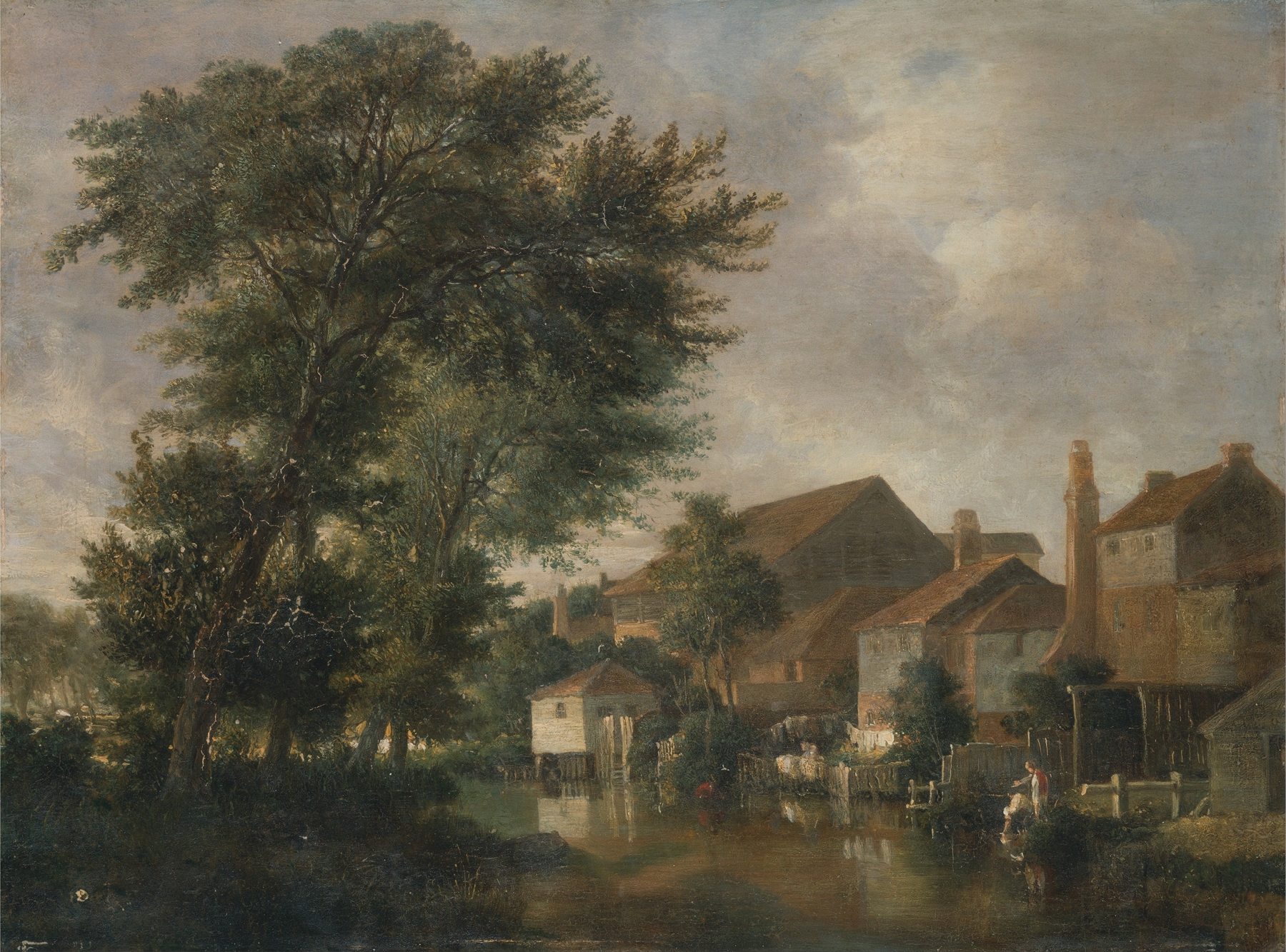
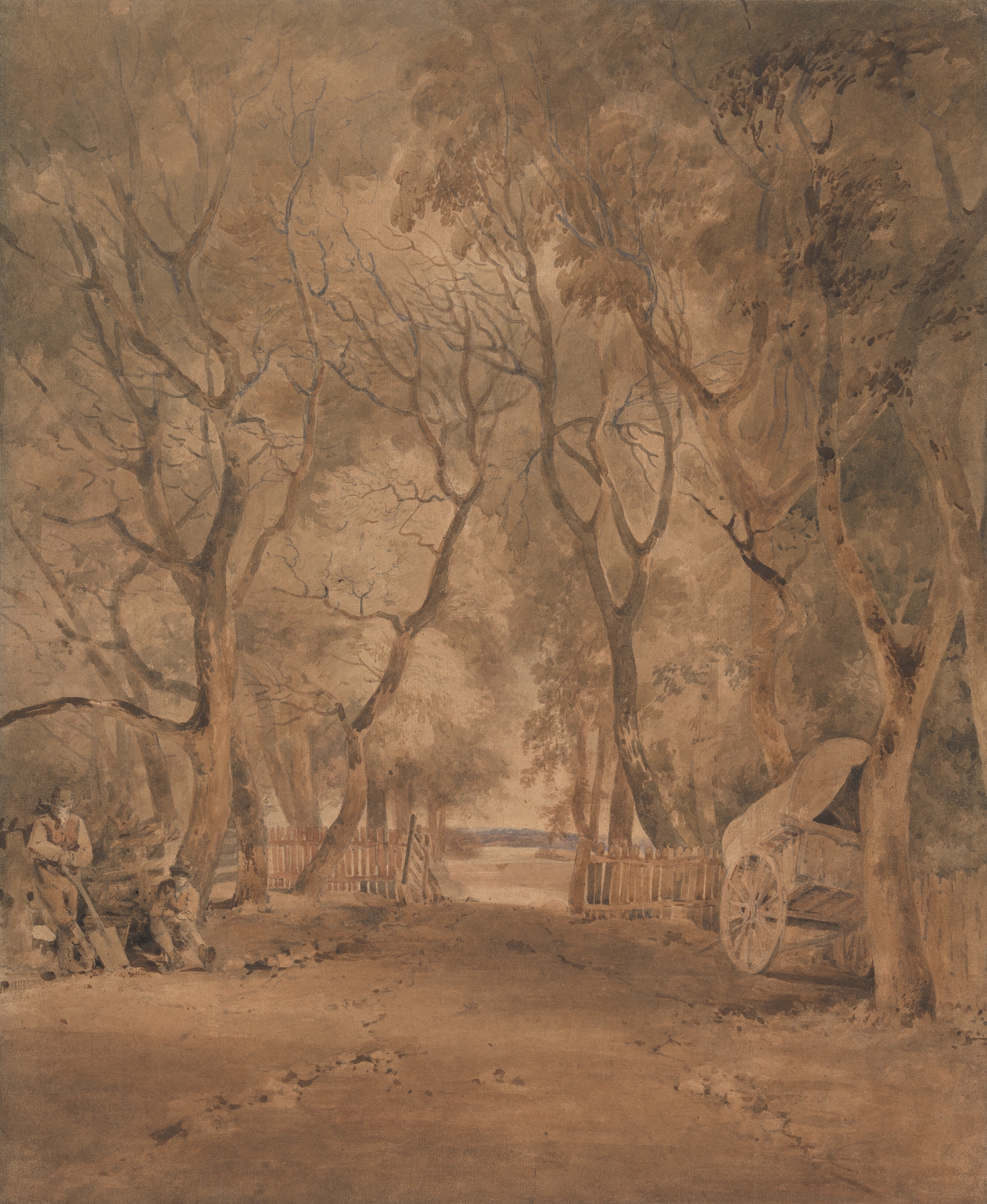
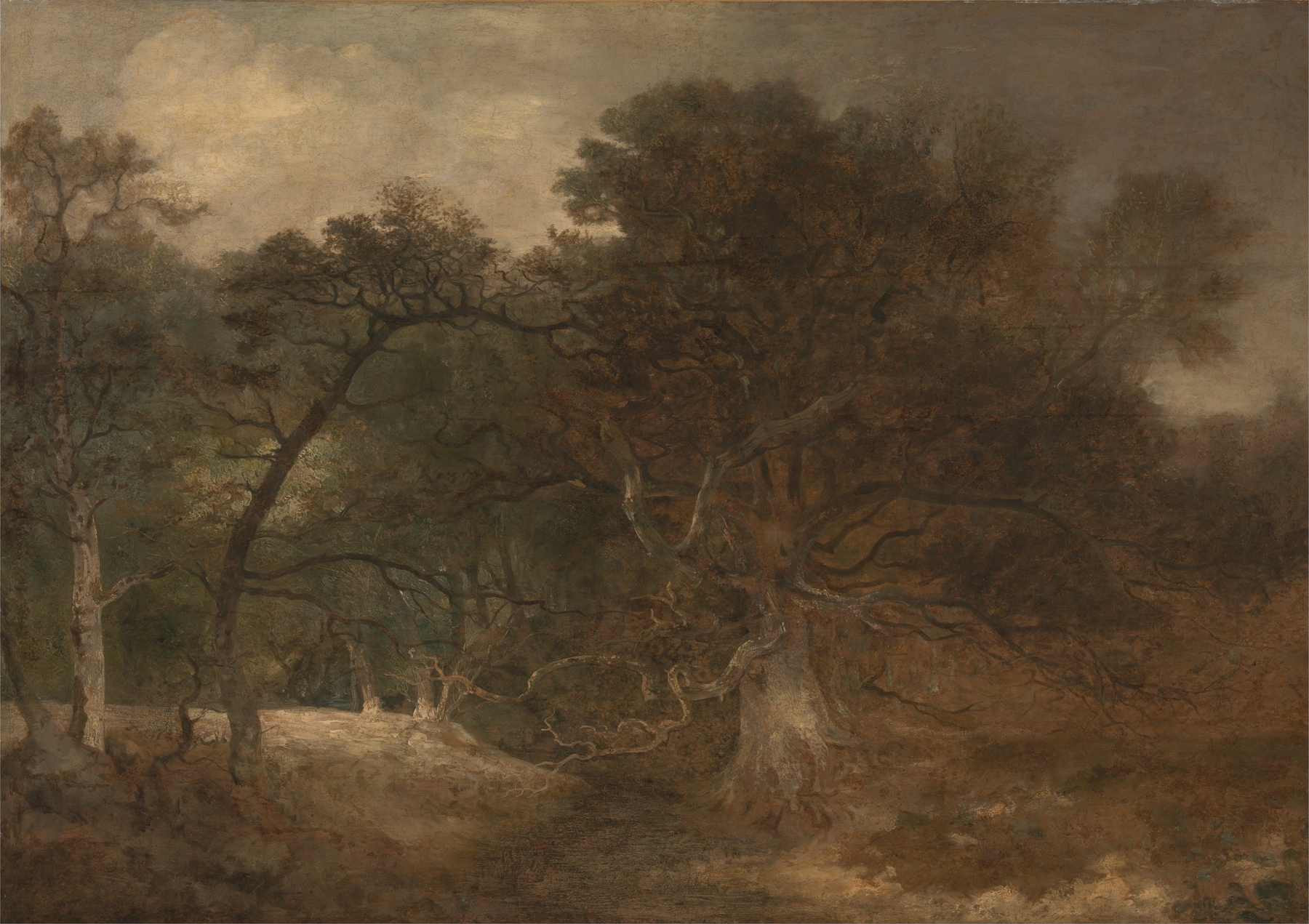
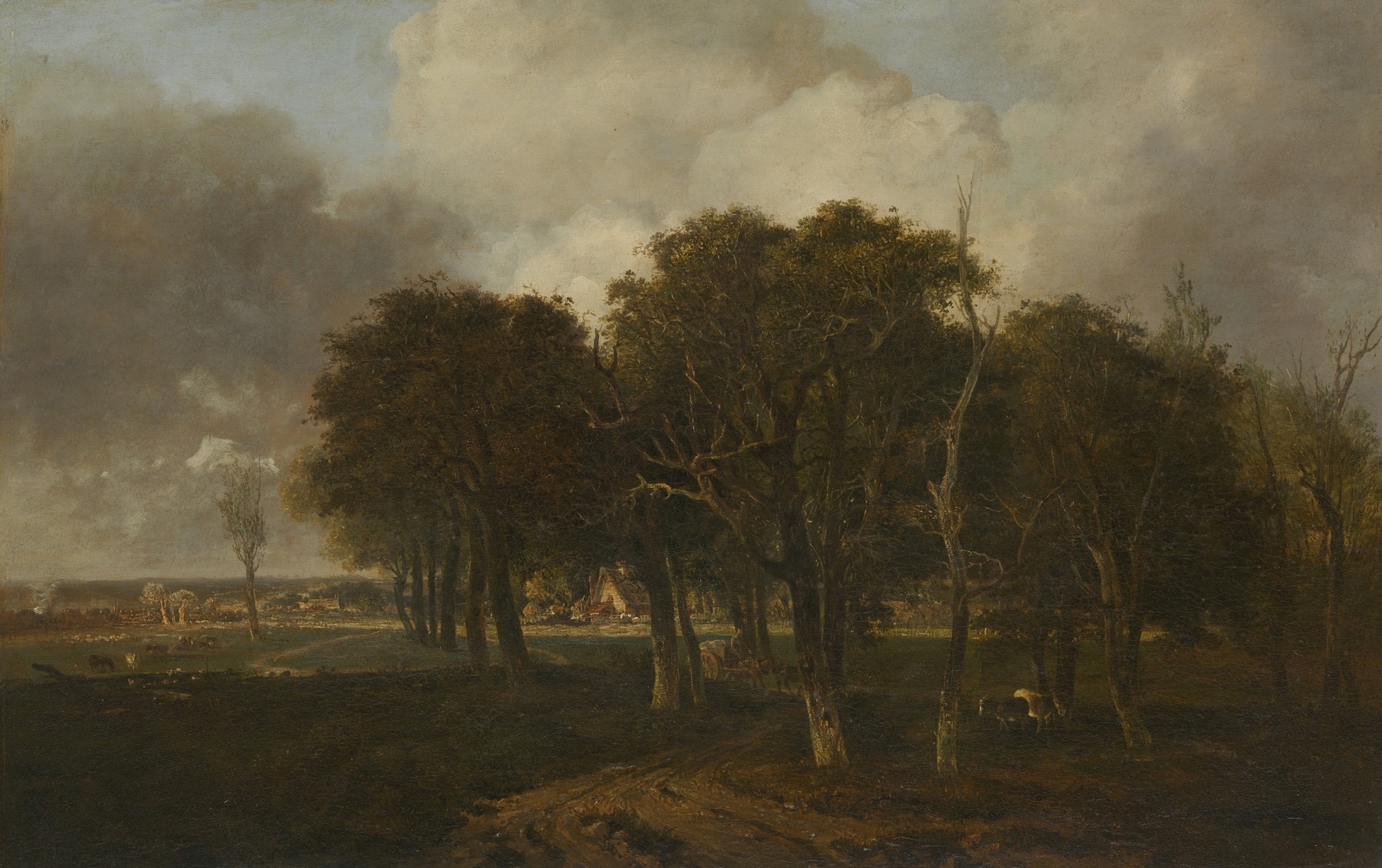
What if beauty was never meant to be finished? In the quietude of At Colney, the brushstrokes flicker like whispers of a fleeting moment, beckoning us to a realm where the spirit of nature dances on the edge of madness. Look to the center of the scene, where trees arch gracefully, their branches cradling the heavens. Crome's palette, rich in earthy greens and soft blues, creates a symphony of color that conveys the harmony of the natural world. Notice how the light filters through the leaves, dappling the ground in a playful dance, while shadows lengthen, adding depth to the fleeting serenity.
The layers of texture invite a tactile response, as if you could reach out and feel the coolness of the shade. Delve deeper into the scene and you’ll discover a tension between the tranquil landscape and the chaotic brushwork. The disorderly strokes reflect a sense of urgency, hinting at the fleeting nature of beauty and existence. Each element—a tree, a path, a whisper of breeze—echoes a silent call to consider the madness of life, caught in an eternal cycle of decay and renewal.
The peaceful harmony is undercut with an unsettling undercurrent that suggests a deeper, perhaps darker, truth about our connection to nature. John Crome painted At Colney during a period marked by the rise of the Romantic movement in early 19th century England. While immersed in the idyllic landscape of Norfolk, he sought to celebrate the sublime beauty of his surroundings, a contrast to the industrial changes sweeping across the country. It was a time of personal and artistic exploration, where nature served as a sanctuary for the chaos of the world and the mind.