At the Wannsee — History & Analysis
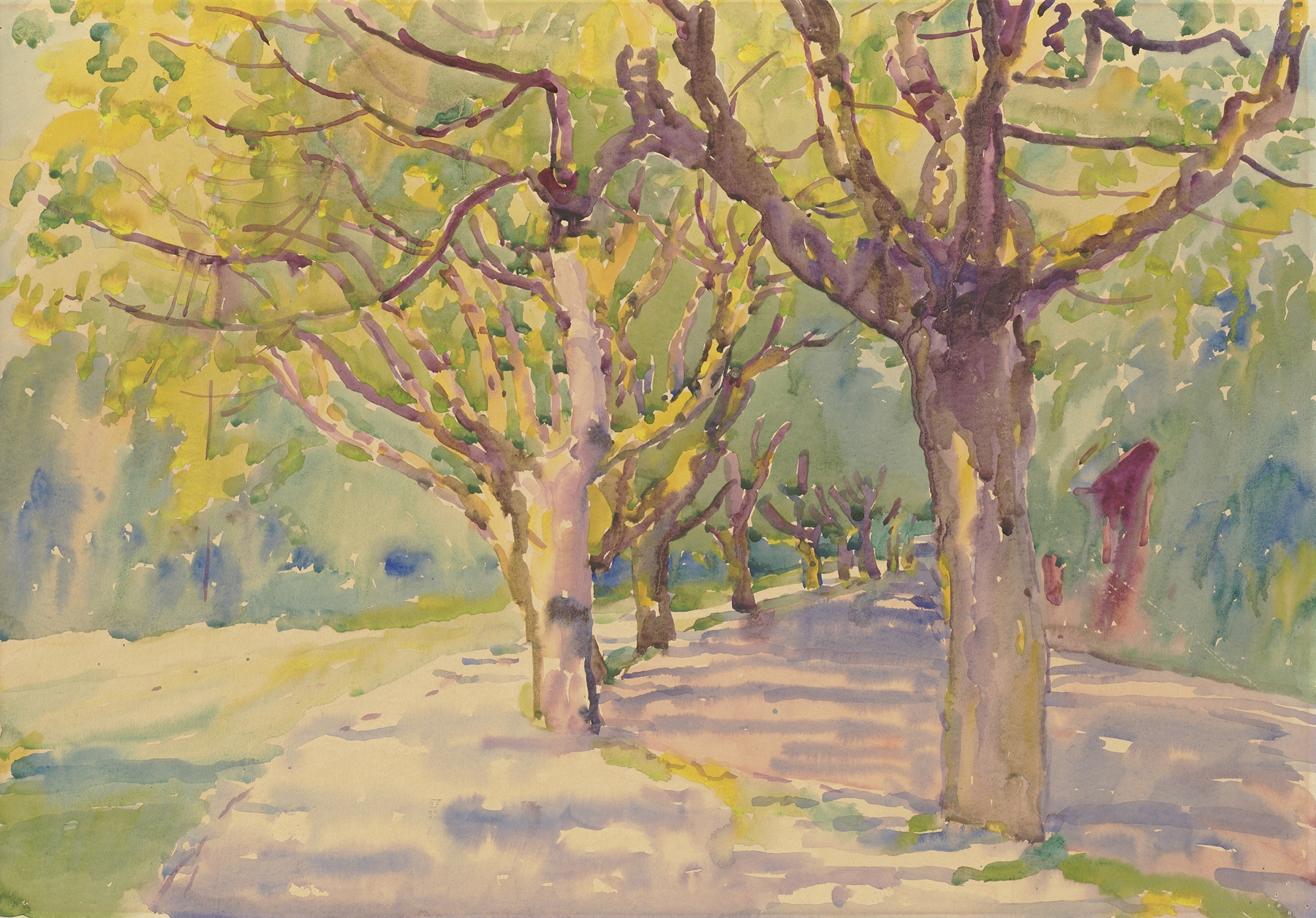
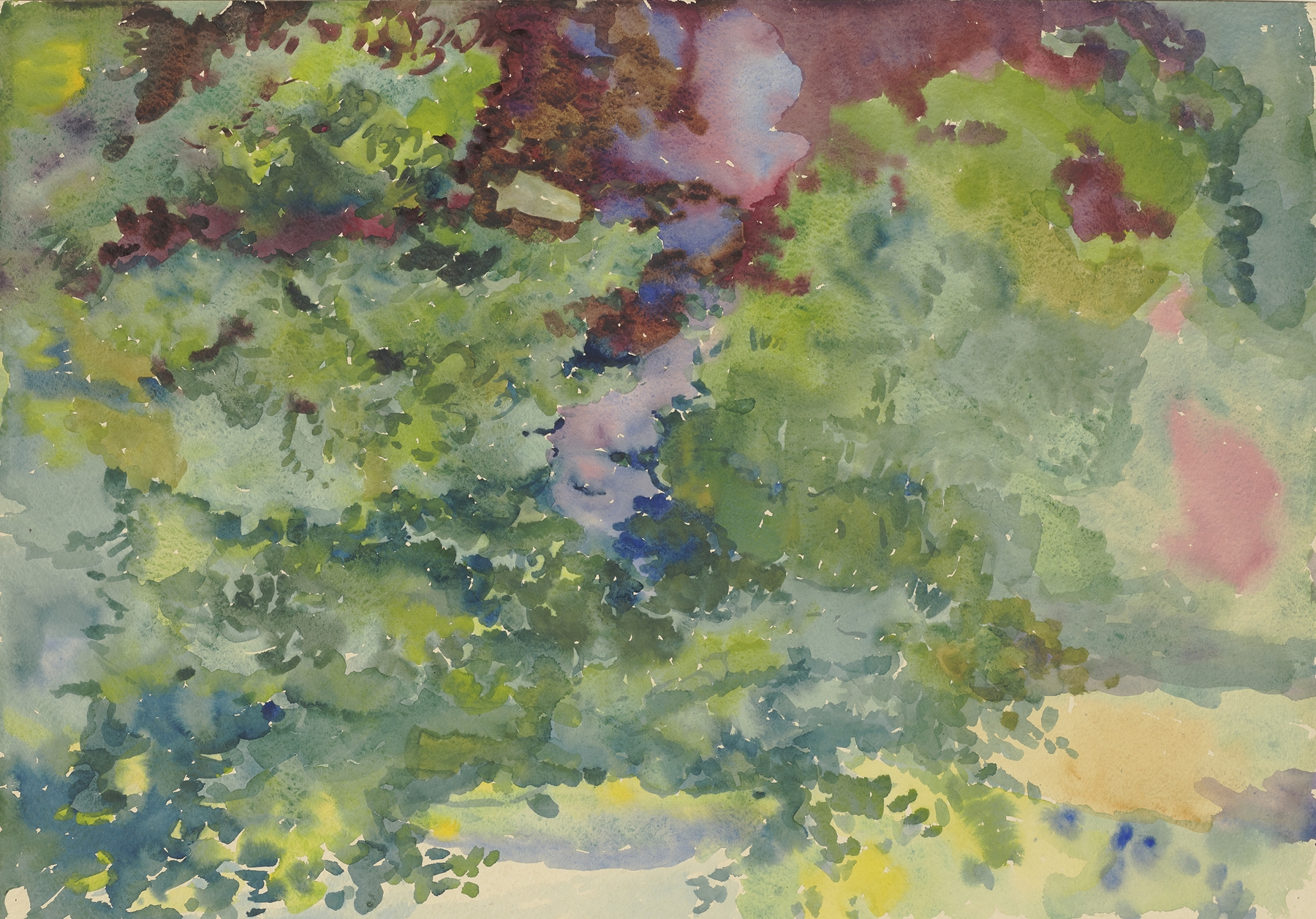
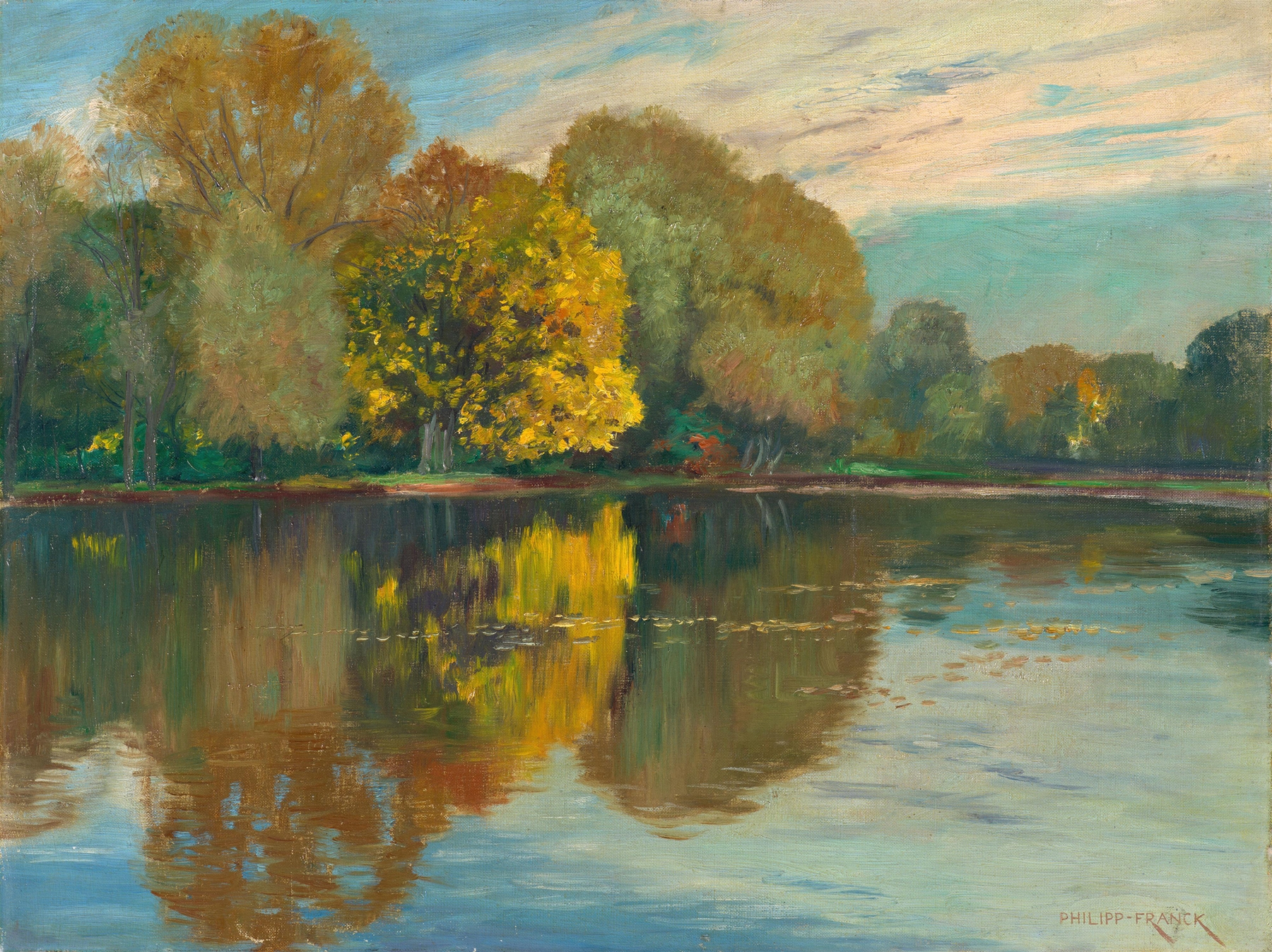
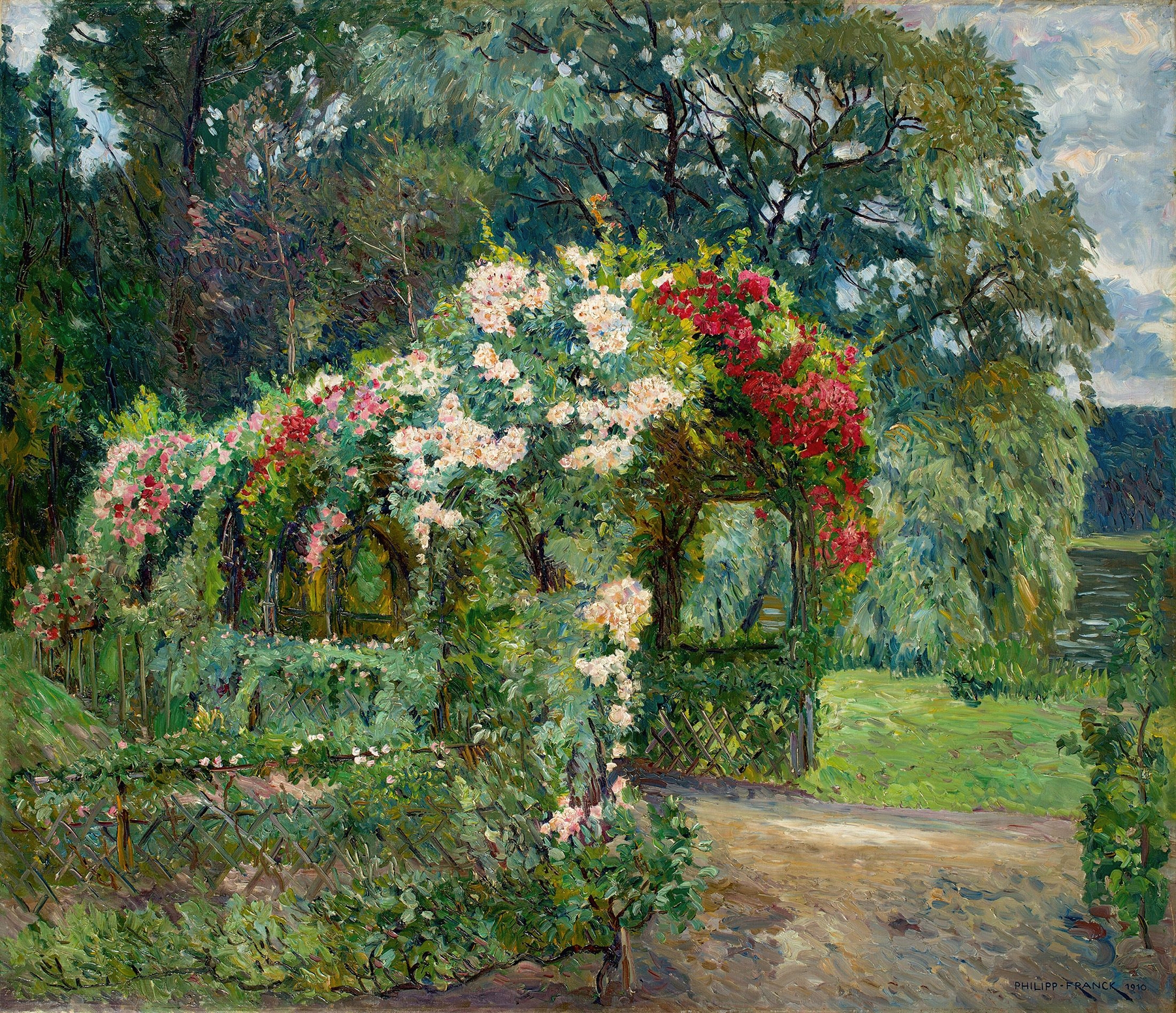
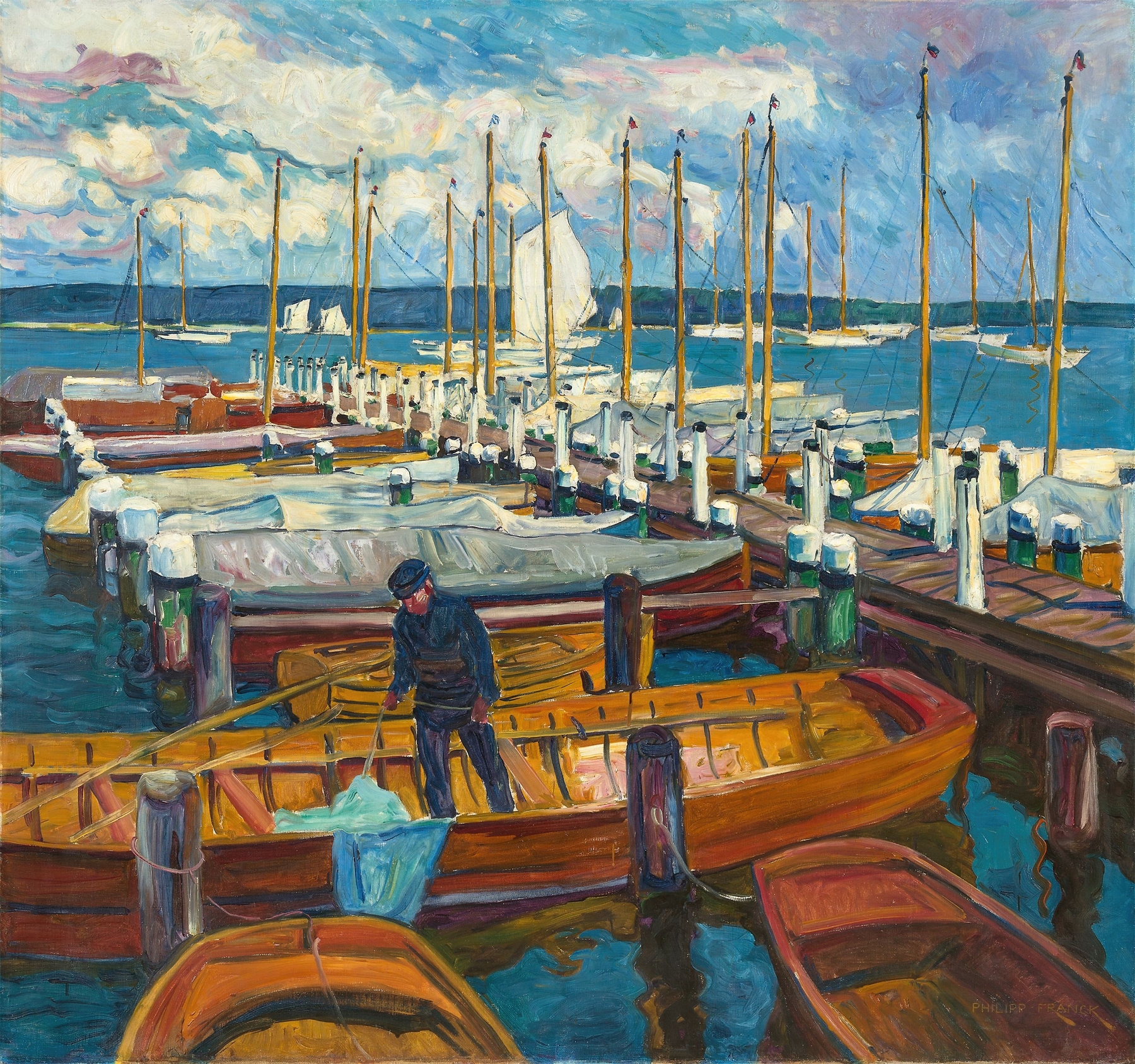
When did color learn to lie? The hues in this piece tantalize the eye, inviting us into a world where desire and reality intertwine, each brushstroke whispering secrets of the heart. Focus on the tranquil blues and greens that wash across the canvas, drawing you into the shimmering waters of the Wannsee. The bold strokes of the trees, lush with life, contrast sharply against the delicate reflections in the water, creating an illusion that feels almost dreamlike.
Notice how the sunlight dances across the surface, its golden beams flickering like the fleeting moments of passion that the scene hints at, while the soft, muted tones in the background suggest an impending change. The emotional tension in the artwork lies in its duality—the serene beauty of nature juxtaposed against an undercurrent of longing and uncertainty. The vibrant colors seem to mask deeper emotions, perhaps representing the characters' desires or memories entangled in this idyllic setting. Each element—the placid water, the swaying trees—tells a story of what lies beneath the surface, echoing the complicated nature of human relationships and the masks we wear.
Created in 1934, the artist was living in Berlin during a time of significant political upheaval and cultural transformation. This period saw the rise of the Nazi regime, which would alter the artistic landscape profoundly. At the Wannsee reflects not only the personal struggles of the artist amidst societal changes but also the broader tensions brewing in Europe, capturing a moment of stillness that belies the chaos surrounding it.