Landungssteg am Wannsee — History & Analysis
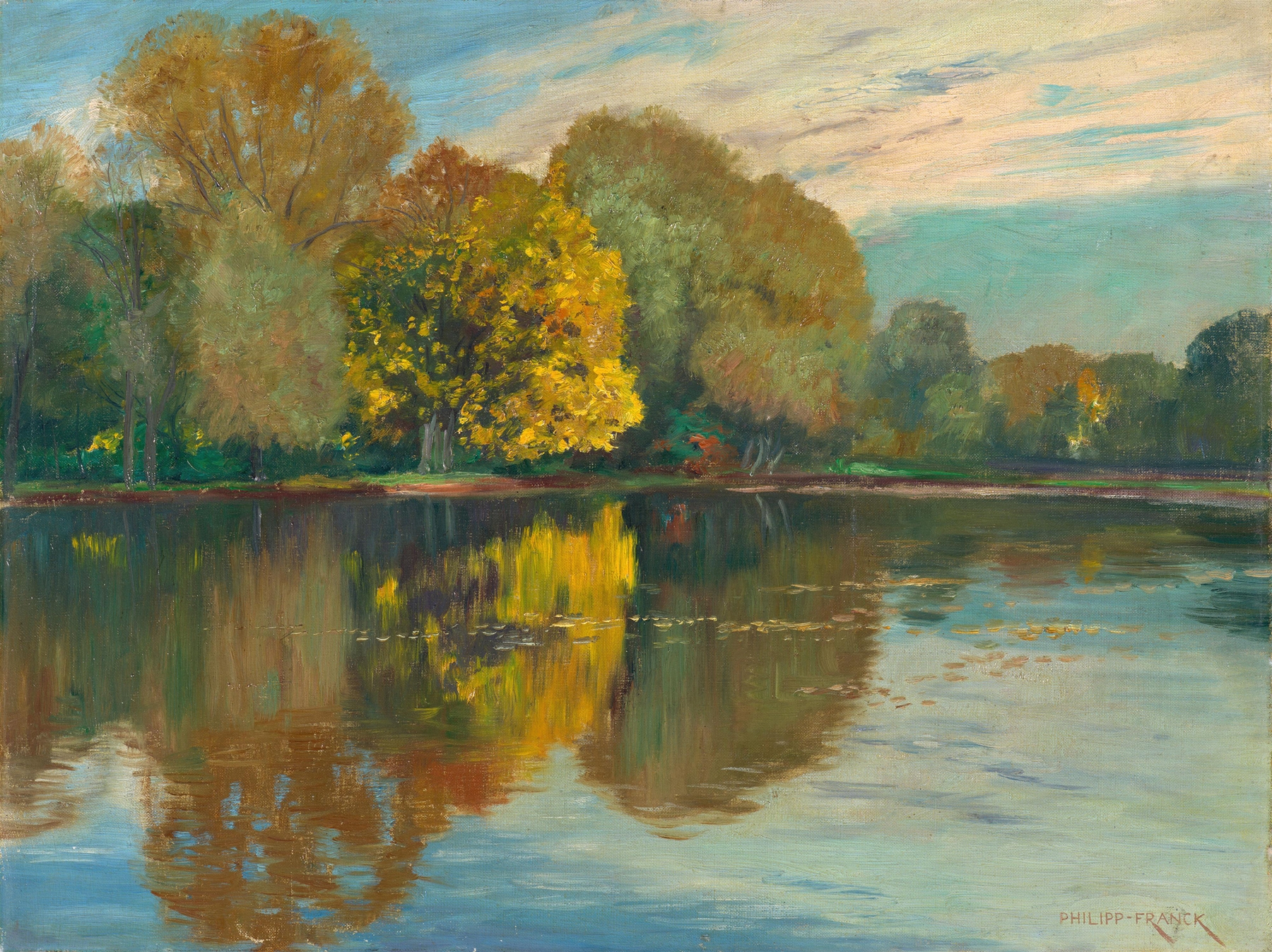
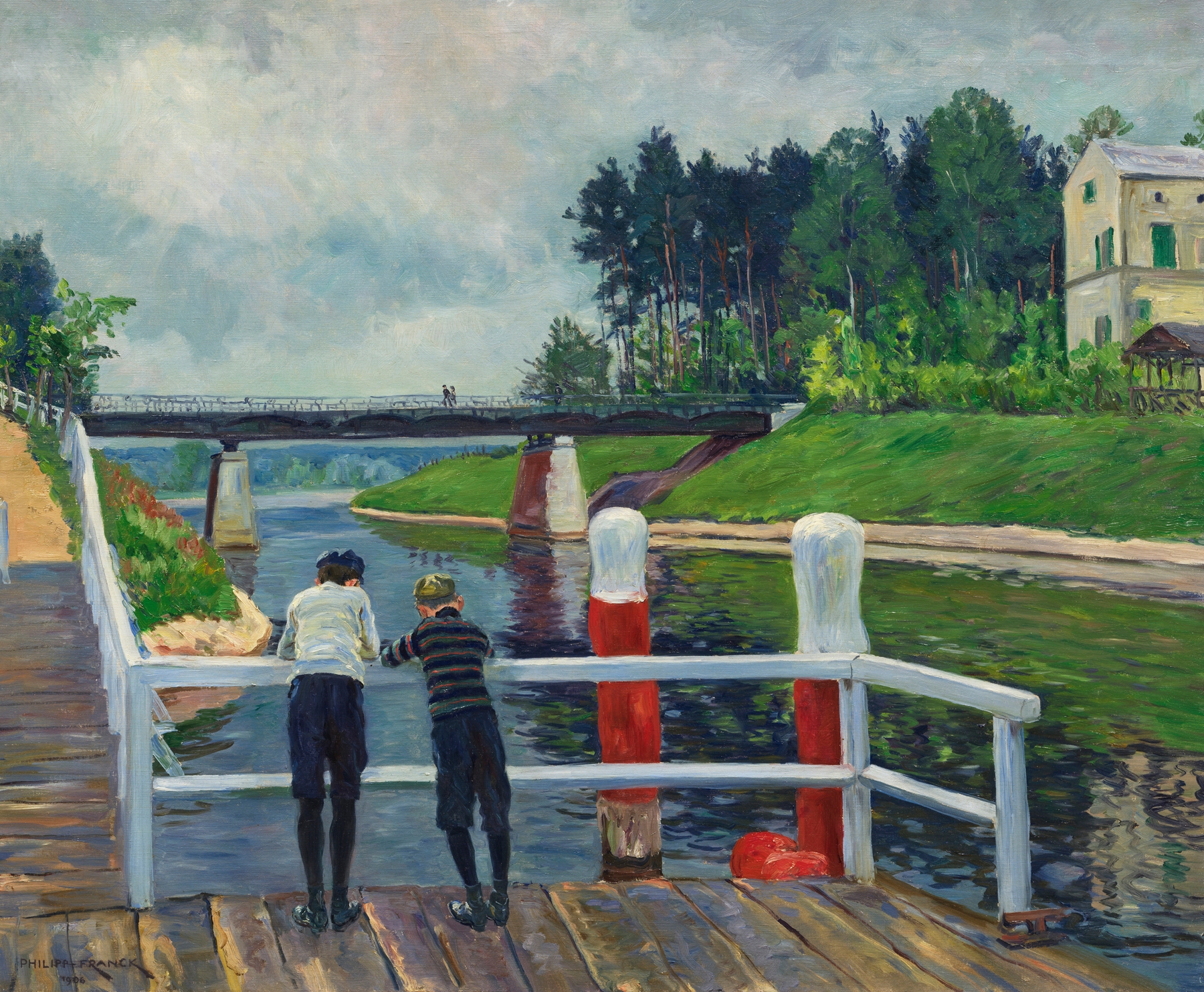
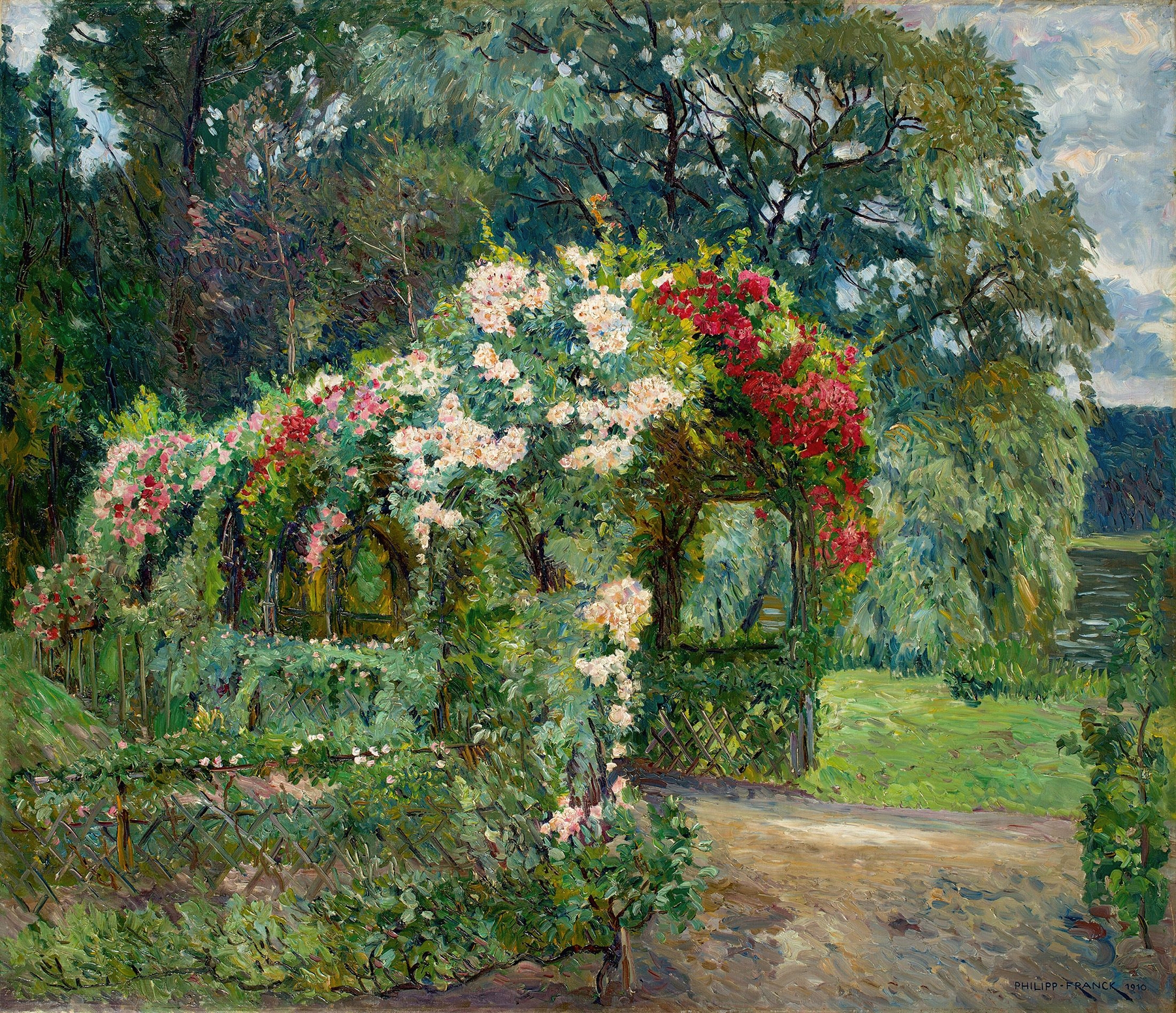
“The canvas doesn’t lie — it simply waits.” In the stillness of a moment, destiny unfurls like a whisper against the backdrop of time. With each brushstroke, the artist beckons us to contemplate the unseen currents shaping our lives, the choices yet to be made, and the paths yet to unfold. Look to the serene waters of the Wannsee, where gentle ripples catch the light, inviting your gaze. Notice how the soft palette of blues and greens breathes life into the scene, evoking a sense of tranquil contemplation.
The wooden landing stage juts out into the lake, serving as a bridge between the familiar shore and the unknown, a metaphor for the threshold of possibility. Franck's meticulous brushwork captures not just the landscape, but also a profound stillness that resonates deep within us. As you explore the canvas, consider the juxtaposition of light and shadow, representing the duality of hope and uncertainty. The figures in the distance, mere silhouettes against the luminous water, embody the choices waiting on the cusp of realization.
Each element within the composition speaks to a tension between the serenity of nature and the weight of human desire, questioning whether our destinies are preordained or forged by our own hands. In 1917, at a time when Europe was engulfed in the turmoil of World War I, the artist found solace in the tranquility of the Wannsee. Amidst the chaos, Franck's work reflected a yearning for peace and a return to nature. This period marked a significant transformation in the art world, where expressionism began to intertwine with a deeper introspection, urging artists to explore their emotional landscapes amidst the changing tides of society.