Taunusweg — History & Analysis
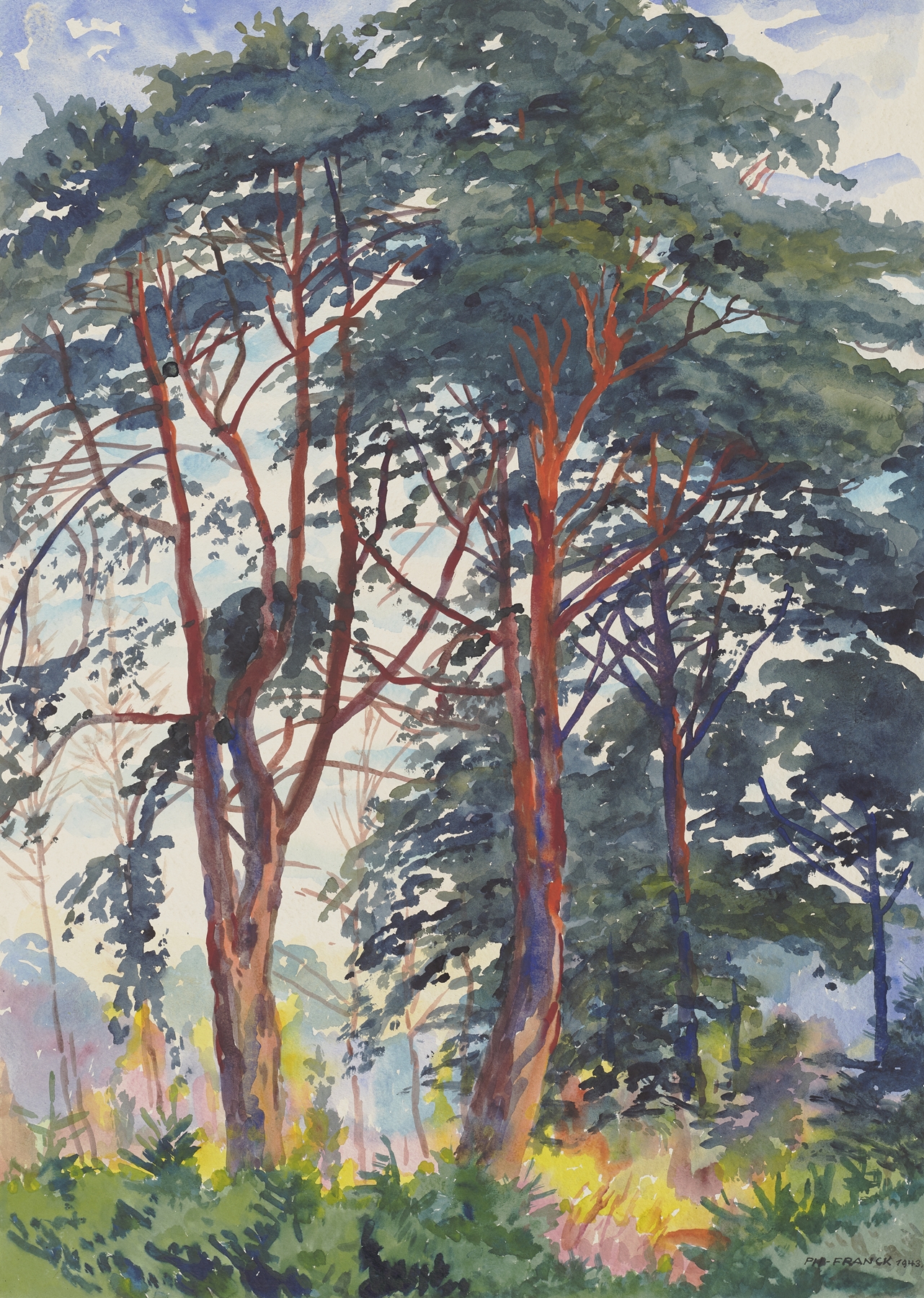
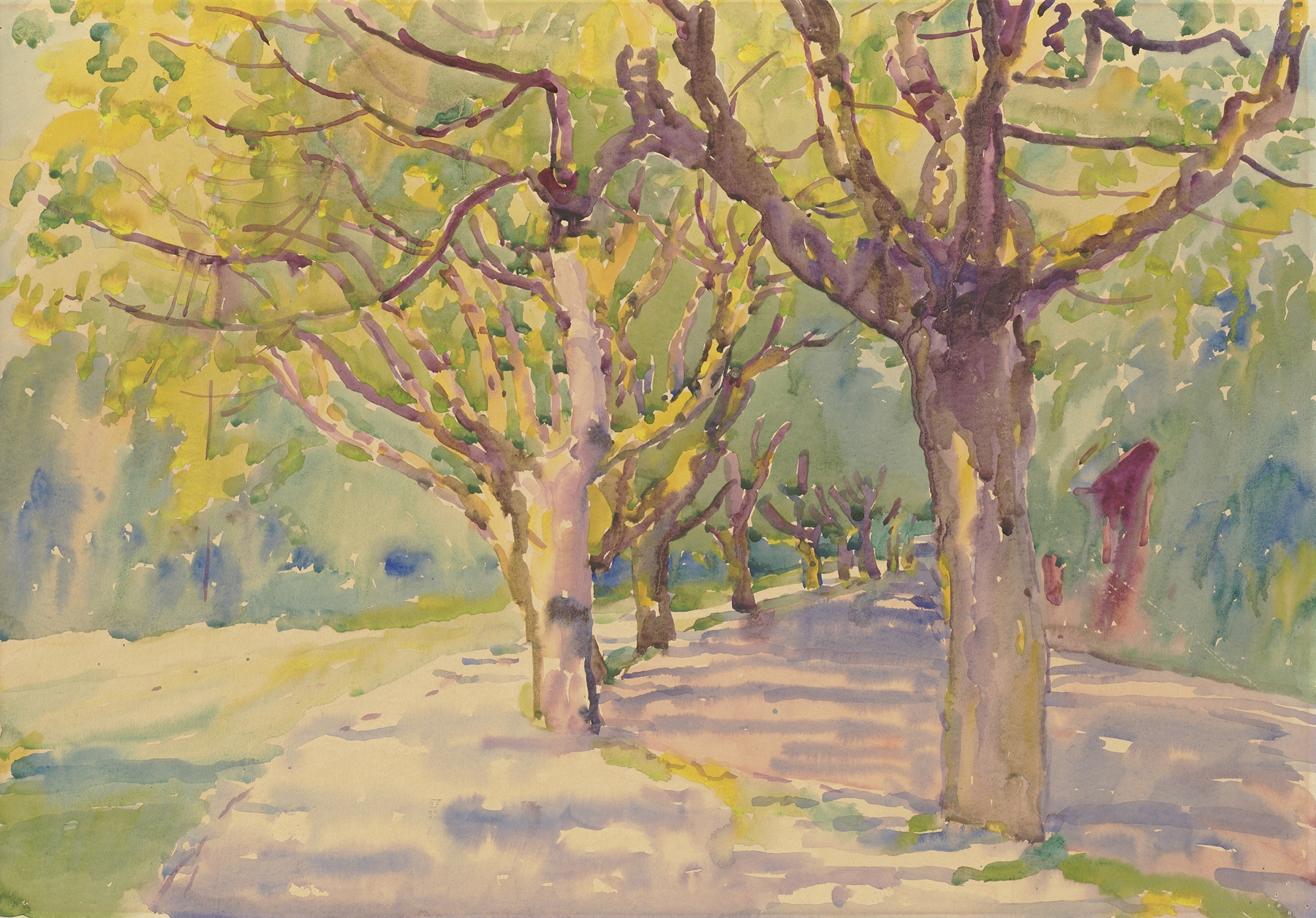
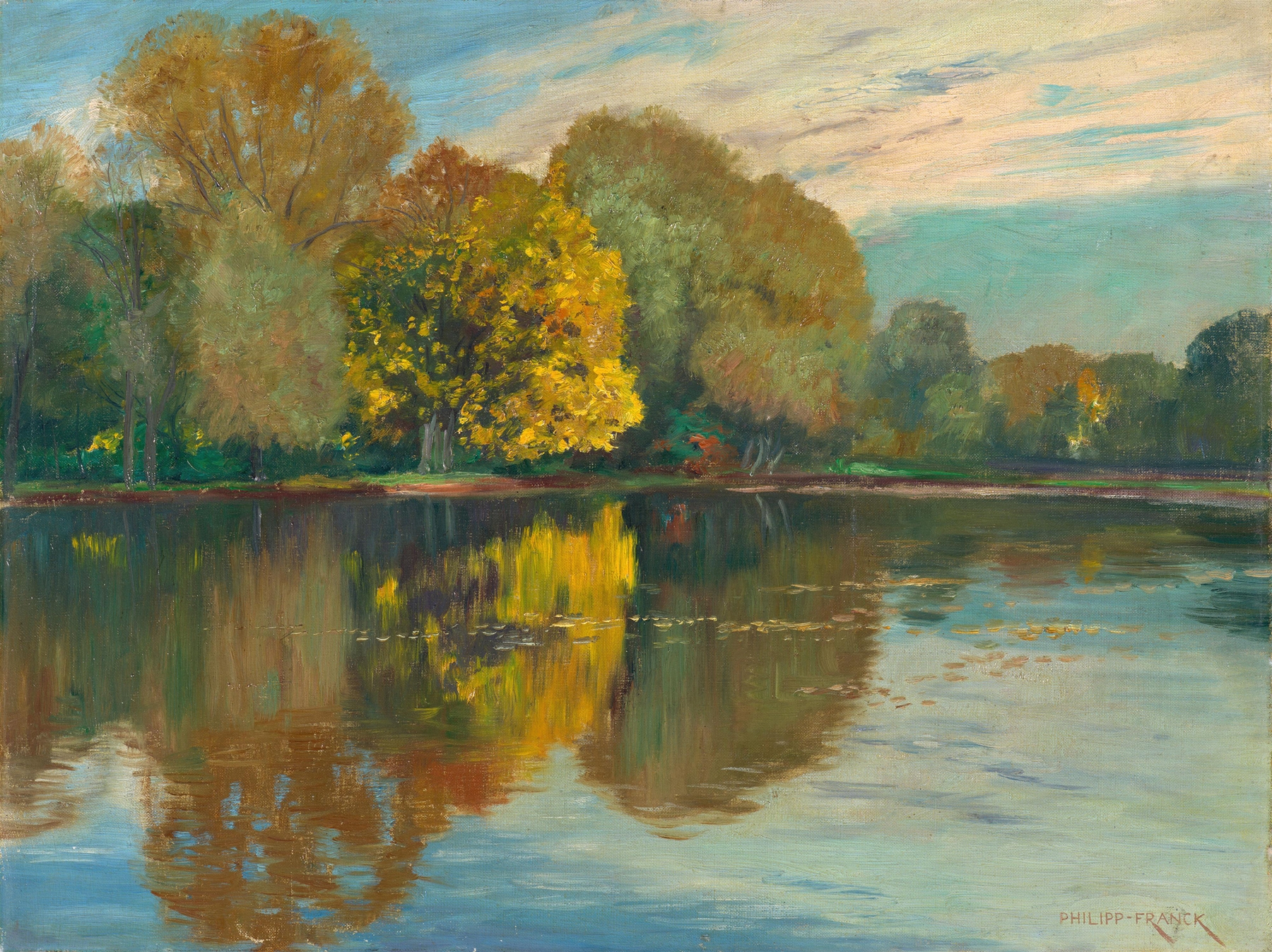
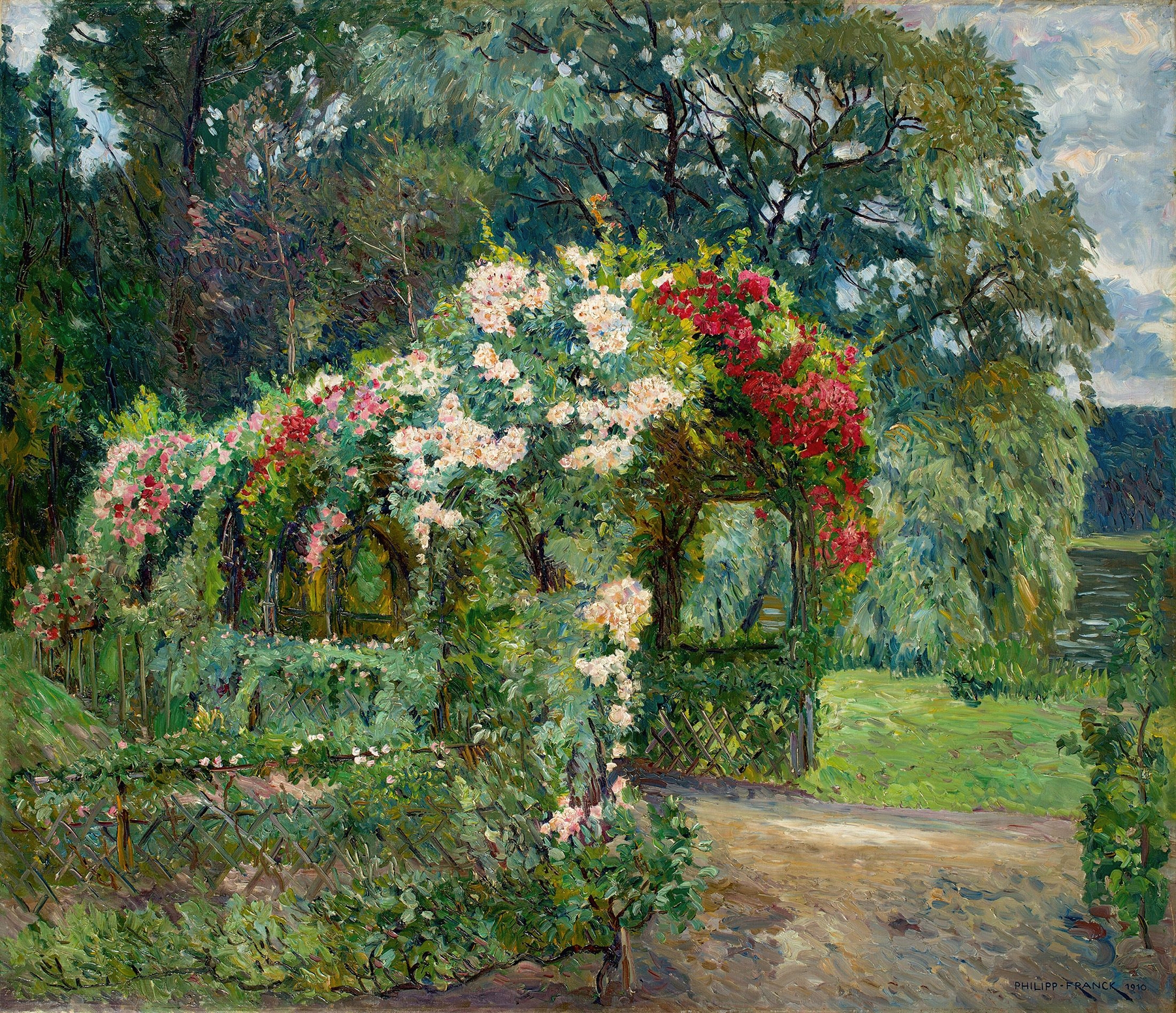
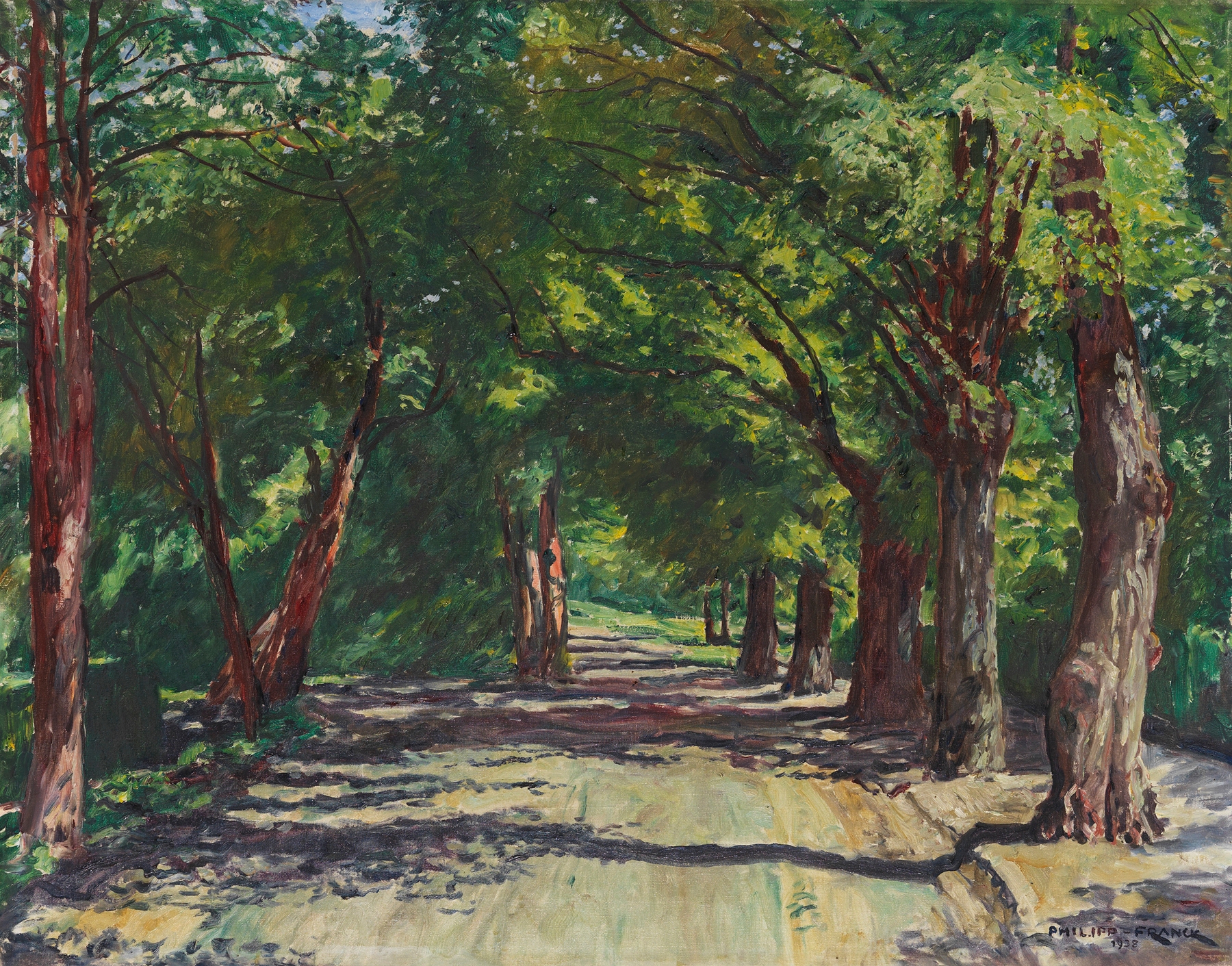
Who listens when art speaks of silence? In Taunusweg, fragility reveals itself not just through imagery but through an unspoken dialogue with the viewer, inviting introspection amid the quiet beauty. Look to the left at the delicate play of light filtering through the trees, their slender forms reaching upwards as if in prayer. The earthy palette, dominated by soft greens and browns, creates an intimate atmosphere that envelops the scene.
Notice how the brushstrokes are both gentle and deliberate, capturing the essence of nature's stillness, while the composition leads your gaze along the winding path that beckons you deeper into the serene landscape. Beneath the surface, the painting encapsulates a contrast between the ephemeral and the eternal. The soft edges of the foliage juxtapose against the enduring earth, symbolizing the transient moments of life against a backdrop of permanence.
Each detail, from the flutter of leaves to the distant horizon, whispers of fragility—reminding us of the fleeting nature of existence and the solace found in quietude. Philipp Franck painted Taunusweg in a period marked by an exploration of post-impressionist themes, often reflecting his profound connection to the landscapes around him. Active in the early 20th century, Franck's work coincided with a time when artists were increasingly seeking to capture the emotional depth of nature, immersing themselves in the nuances of light and form as they responded to a rapidly changing world.