Attelage de Boeufs sur les Bords du Loing — History & Analysis
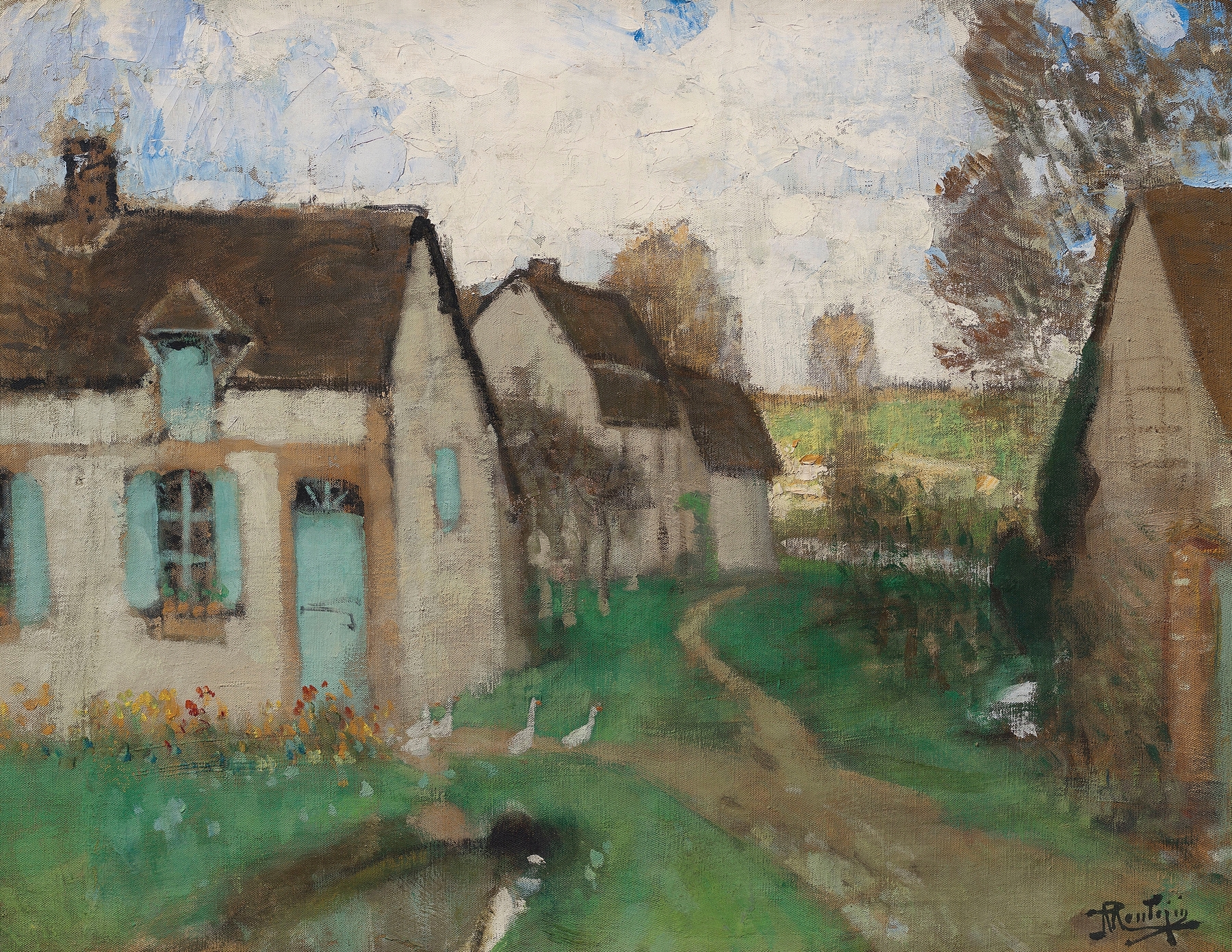
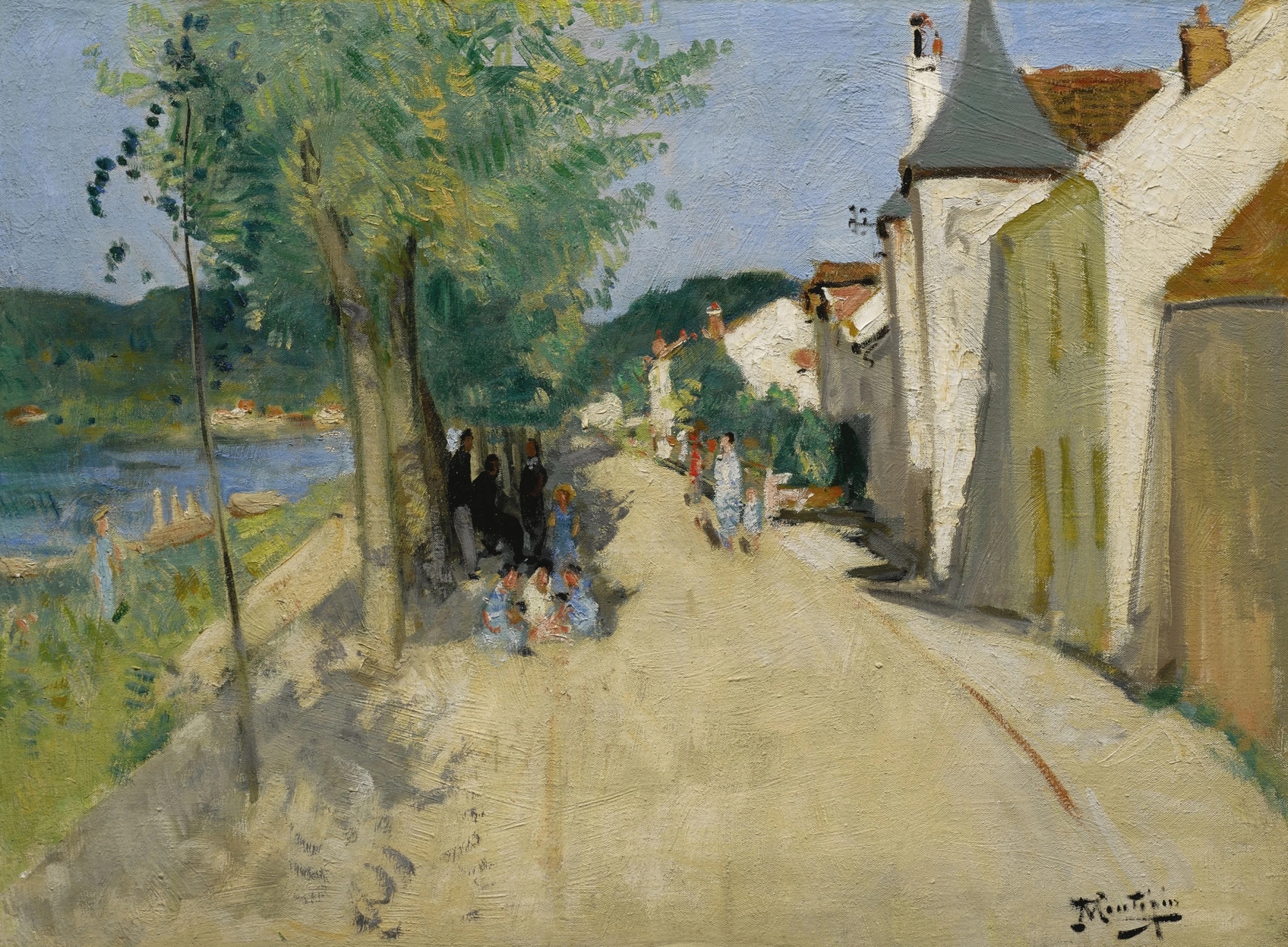
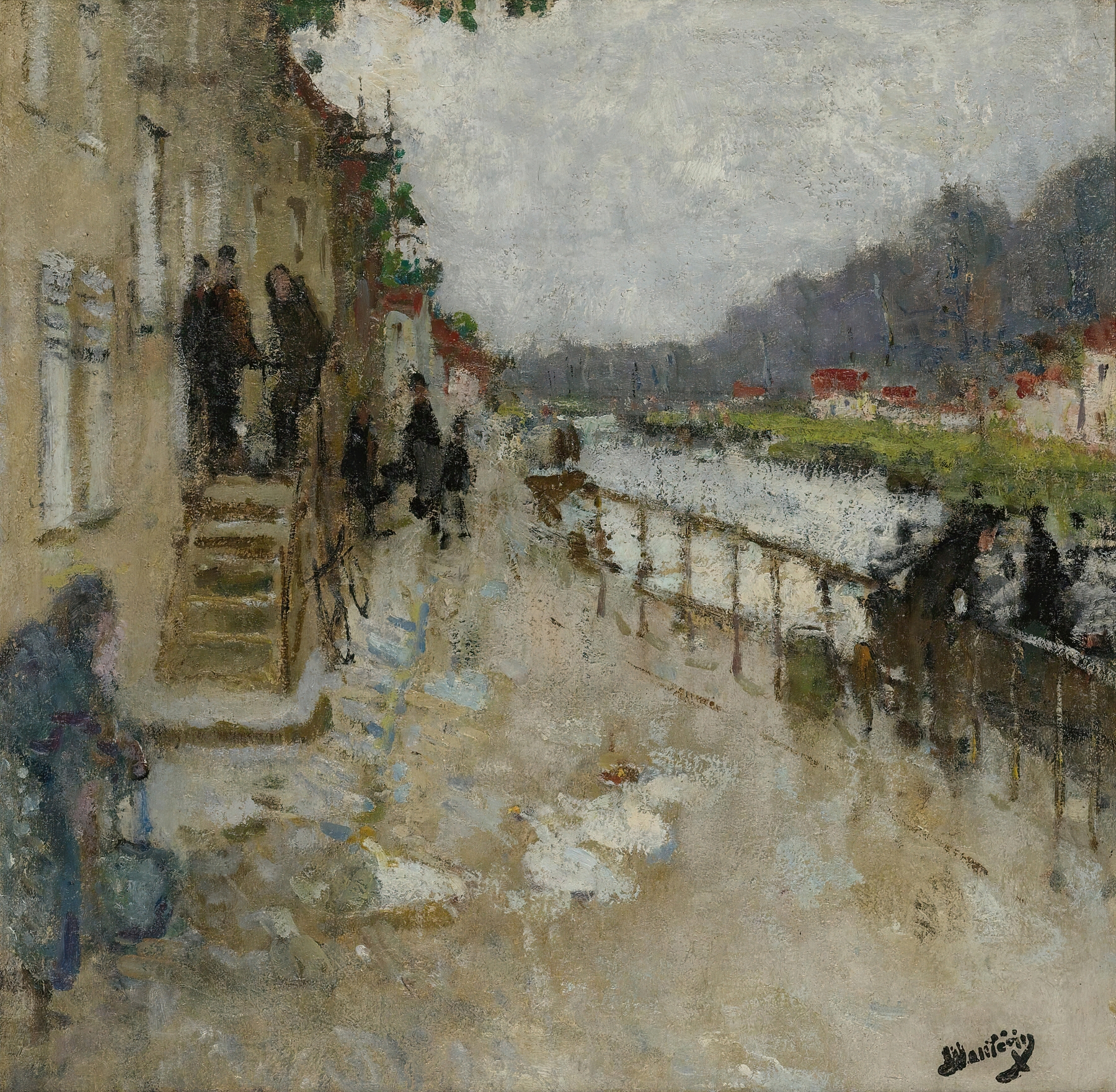
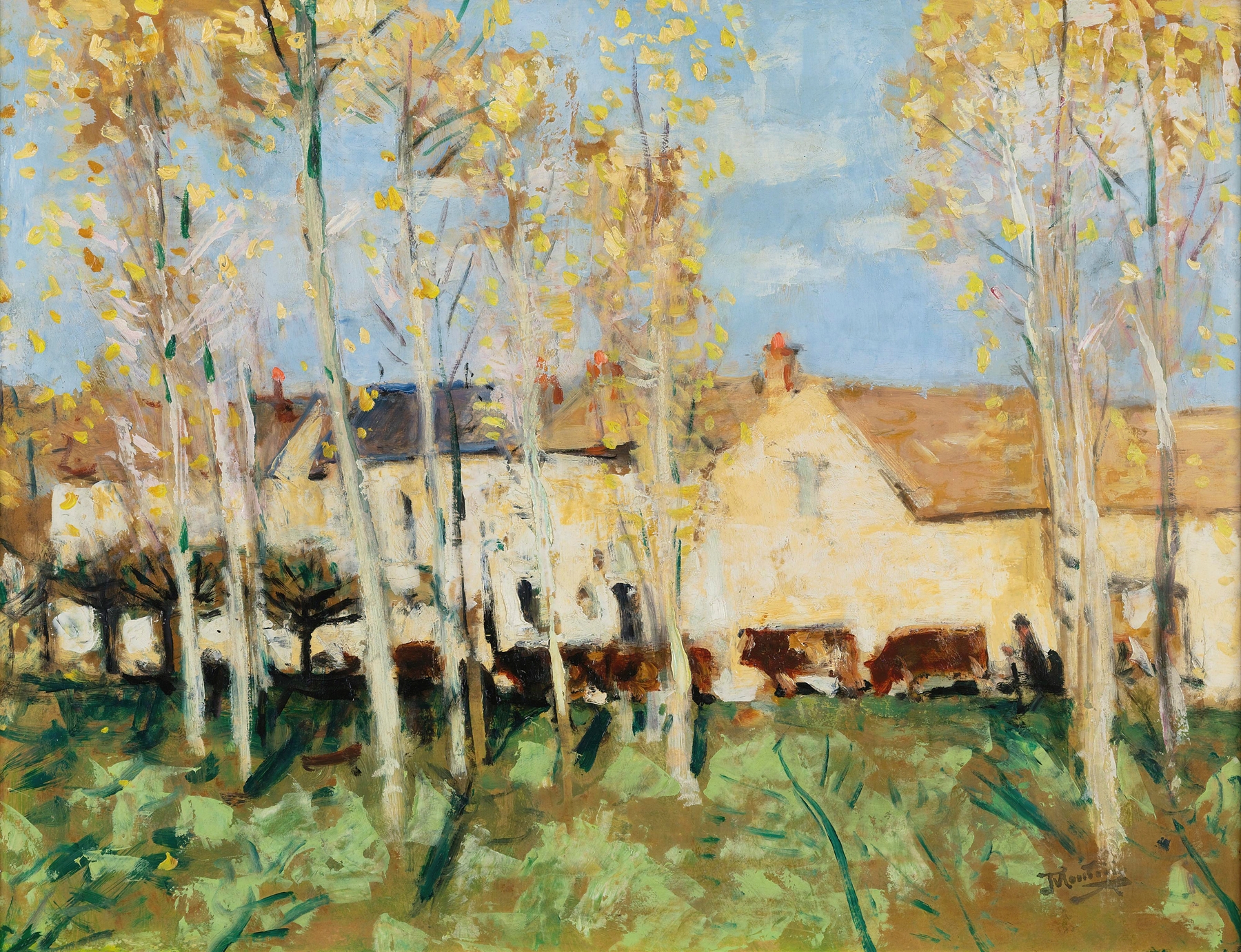
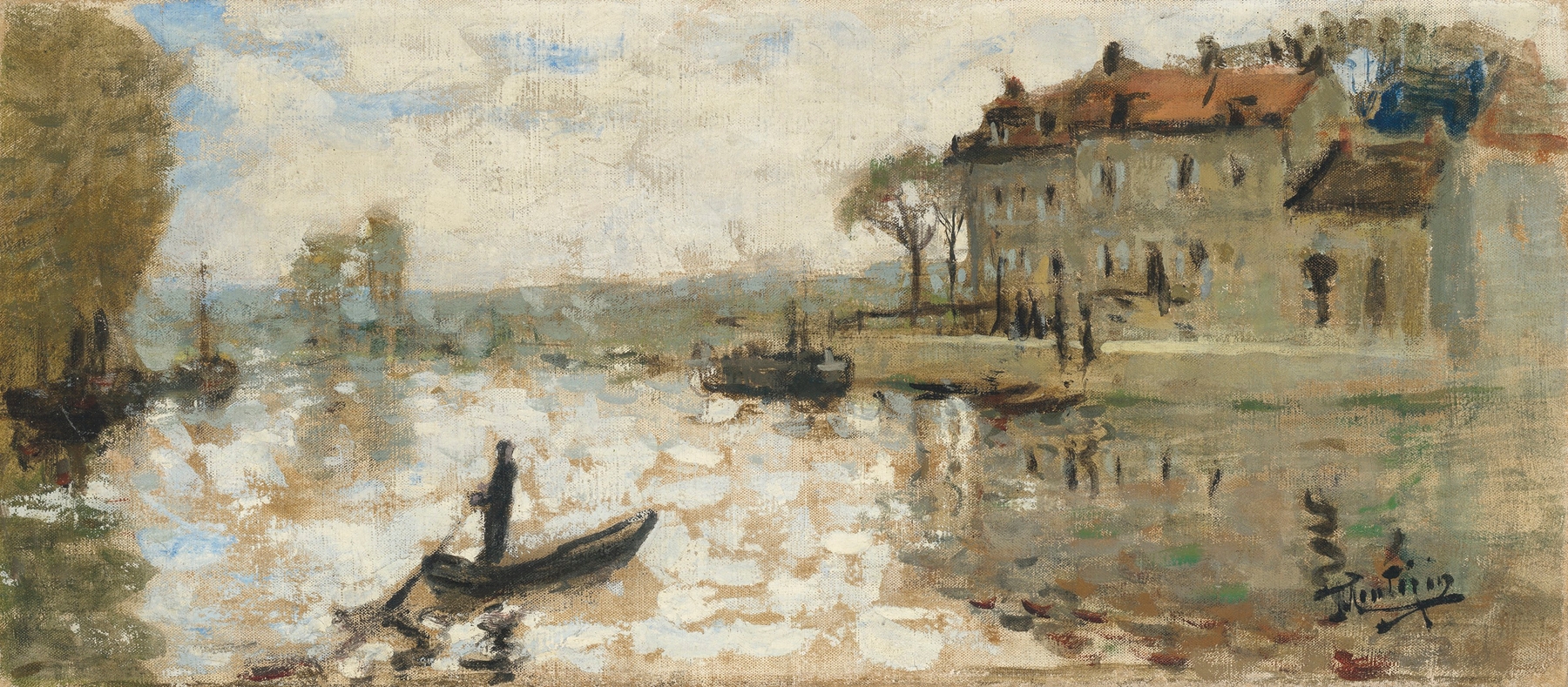
What if beauty was never meant to be finished? In Attelage de Boeufs sur les Bords du Loing, the essence of nature and labor intertwines, capturing a moment that feels eternally suspended in time. Look to the left, where the gentle curve of the river draws your eye into a serene landscape. The oxen, sturdy and resolute, stand ready before a cart adorned with earthy tones, their posture a testament to the strength of labor.
Notice how the light dances upon the surface of the water, reflecting hues of gold and green that breathe life into the scene. The soft brushstrokes create a tactile quality, inviting the viewer to feel the warmth of the sun and the coolness of the breeze. Beneath the idyllic surface lies a poignant contrast between the tranquility of nature and the toils of human endeavor. The oxen, symbols of both strength and submission, evoke a sense of awe regarding the relationship between humanity and the land.
The distant trees, quietly watching, suggest an unending cycle of life, where beauty thrives amid the hard work and resilience of those who inhabit this landscape. Each element, from the gentle ripples in the water to the textured clouds above, contributes to a profound sense of harmony and interconnectedness. In the early 20th century, while living in France, Pierre-Eugène Montézin painted this work during a time when artists sought to capture the essence of rural life amid rapid industrialization. His focus on natural beauty and the simplicity of rural scenes reflects a larger movement in art, emphasizing a return to tradition and the sublime wonder of the everyday world.