La promenade des Anglais, Nice — History & Analysis
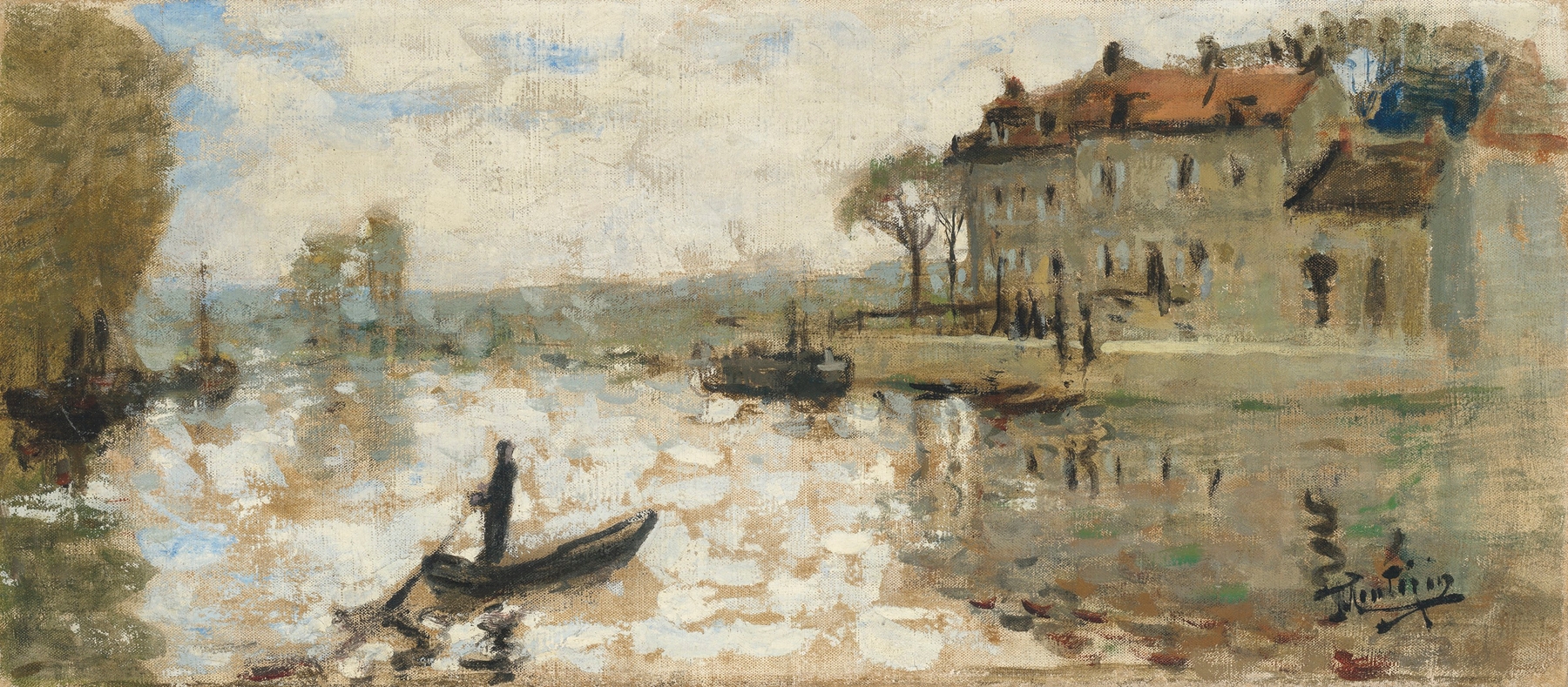
The canvas doesn’t lie — it simply waits. In the tension between beauty and despair, the viewer is drawn into a moment that hints at deeper fears lurking beneath the surface. Look to the left at the gentle curve of the shoreline, where the sea breathes in hues of serene blue and foamy white. Notice how the light dances across the water, casting playful reflections that contrast sharply with the muted tones of the promenade.
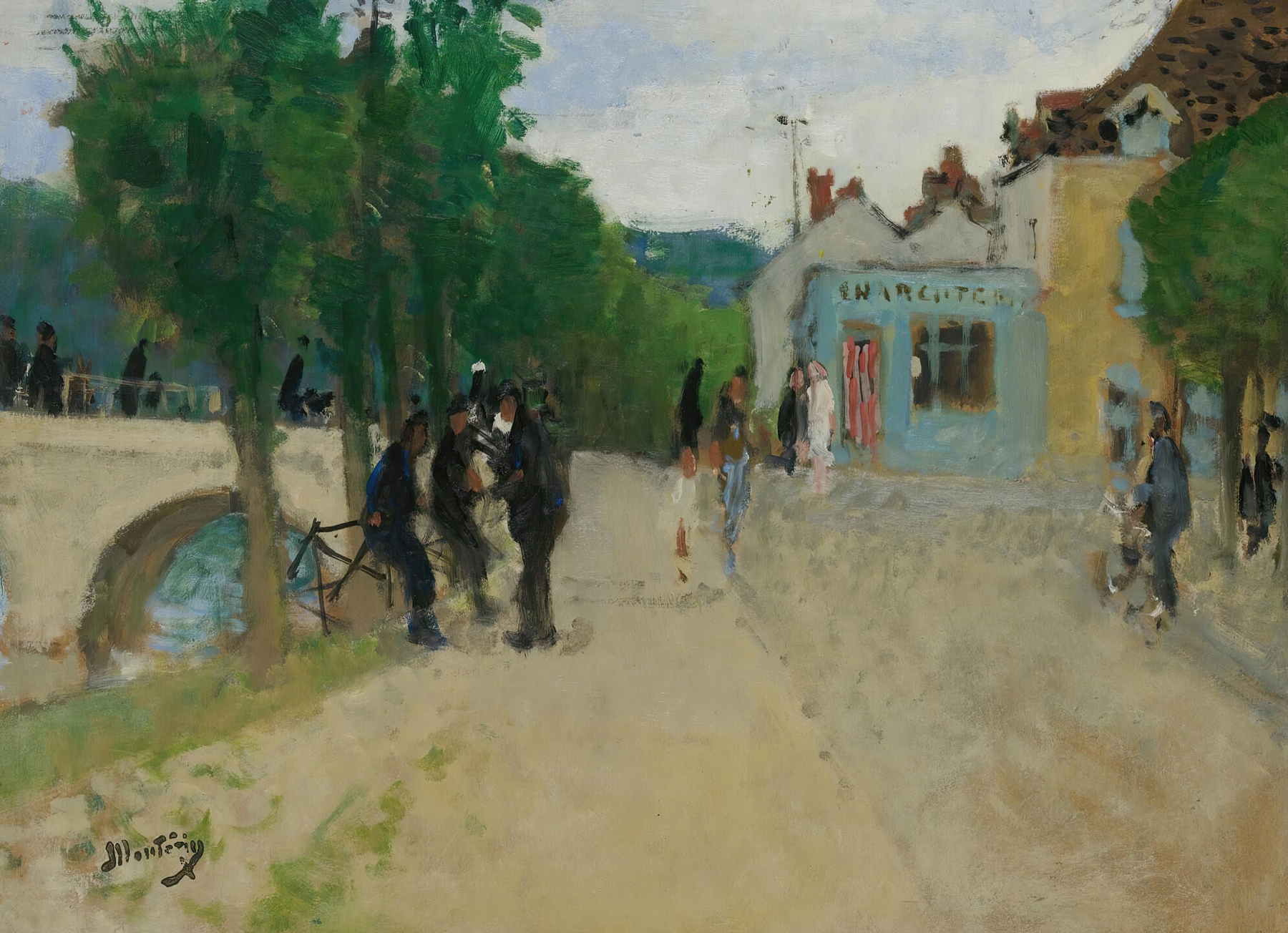
The figures in the foreground, seemingly lost in their own worlds, are painted with a delicate touch, yet their expressions hint at unspoken stories, evoking a sense of unease amid the idyllic setting. As you observe the artwork, consider the juxtaposition of vibrant colors against the somberness of the figures’ postures. The bright sunlit sky seems to mock the shadows that cling to the people, who walk along the promenade with a sense of isolation. What lies behind their smiles?
The perfect day on the surface hides an underlying fear — fear of the passage of time, of vulnerability, and the ever-looming unpredictability of life itself. Montézin created this piece during a period when the world was grappling with the aftereffects of the First World War. Painted in Nice, possibly in the 1920s, it reflects a transitional moment in both his life and the larger art world, where traditional themes clashed with modernist explorations. The artist aimed to capture the fleeting beauty of leisure in a society learning to navigate its anxieties, leaving a poignant reminder of what lies beneath the surface.