Rue Dans Le Village — History & Analysis
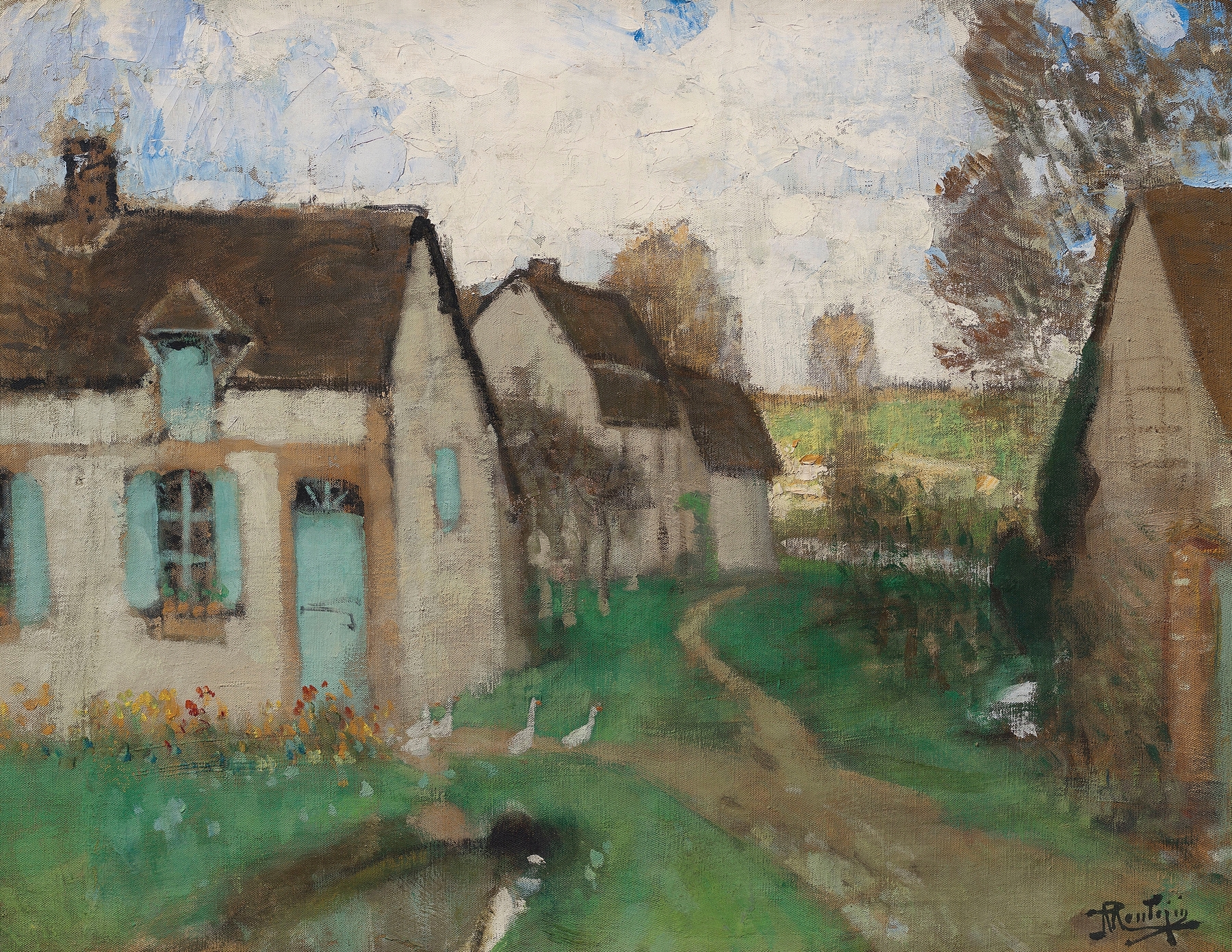
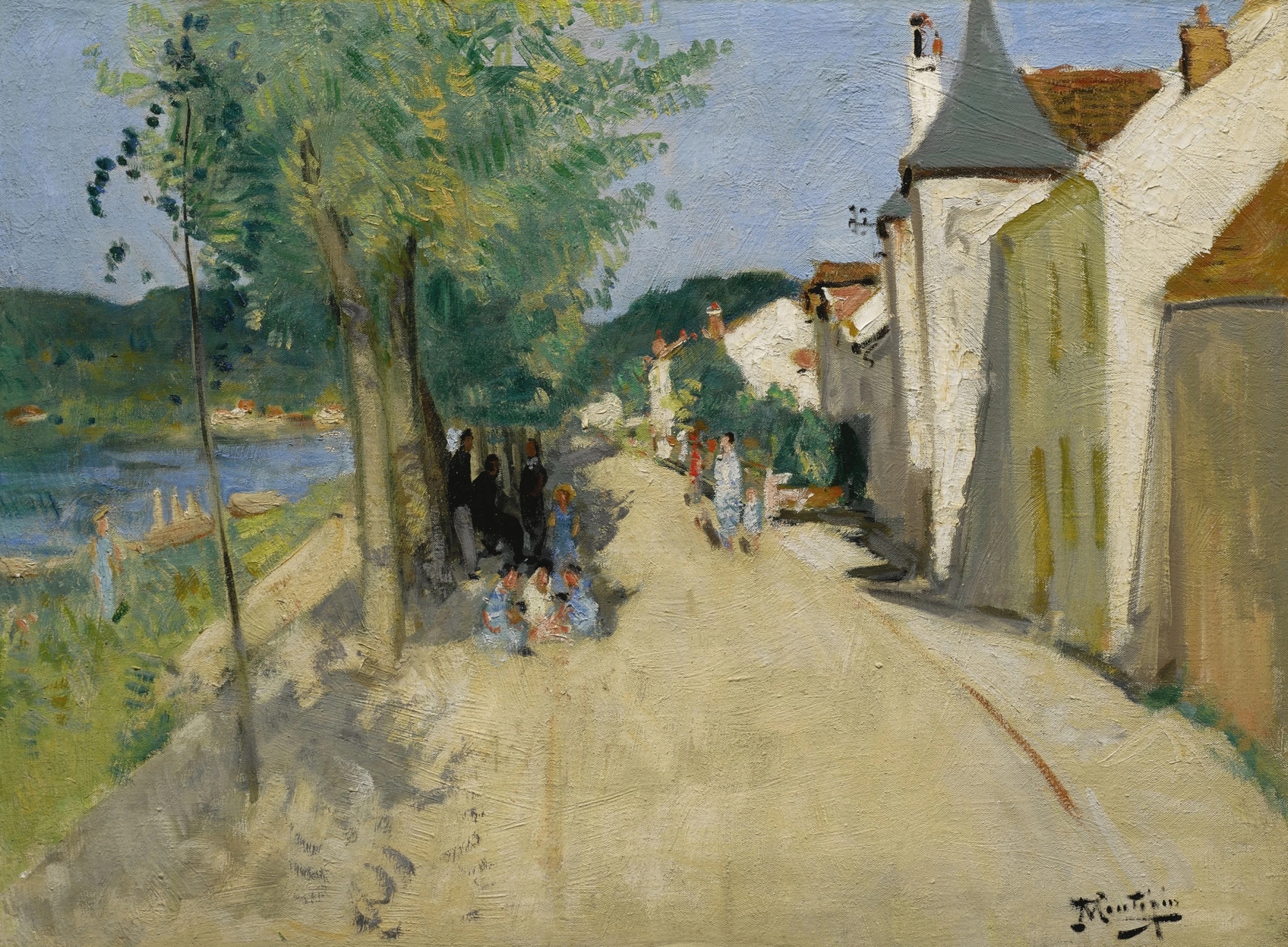
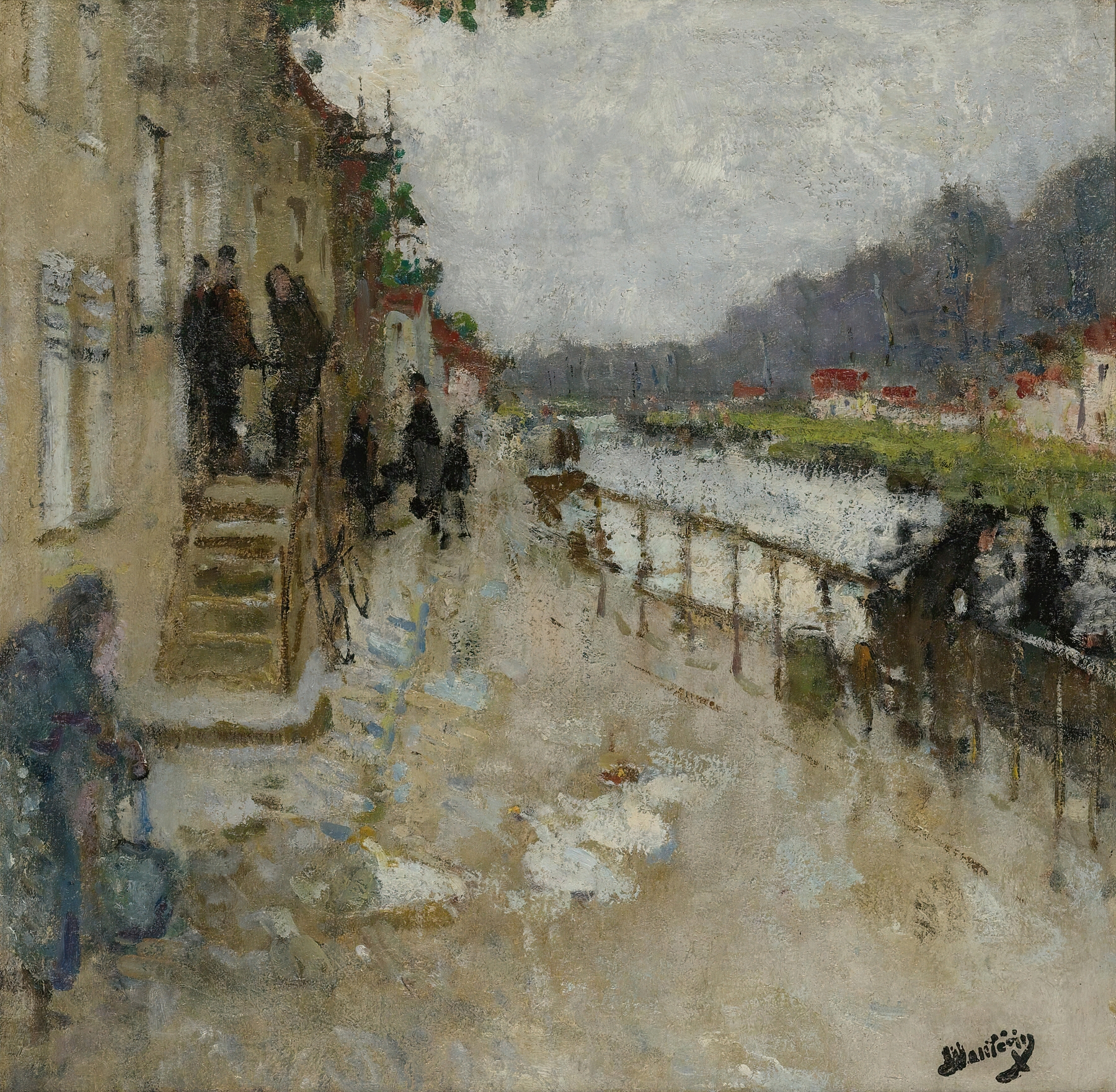
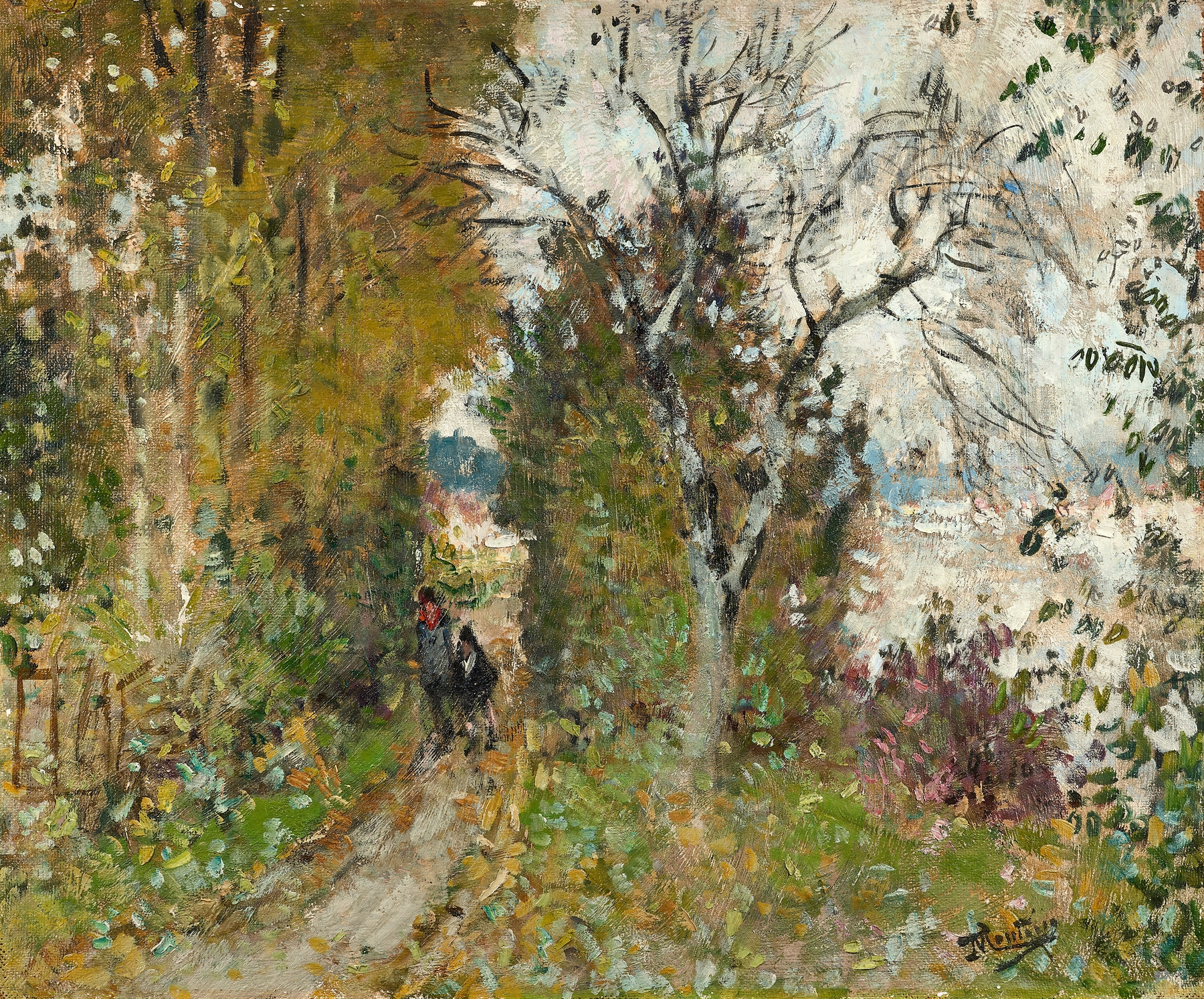
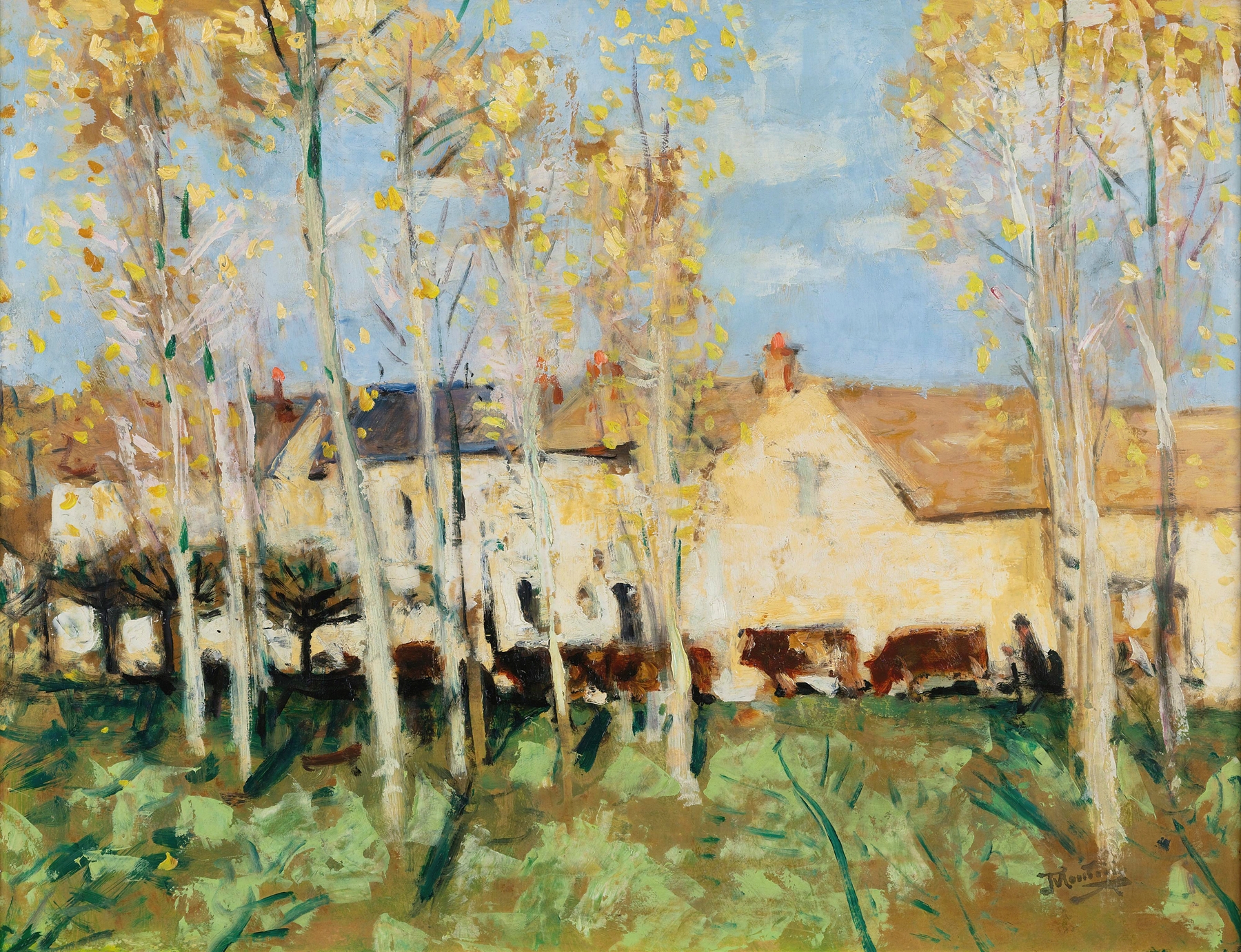
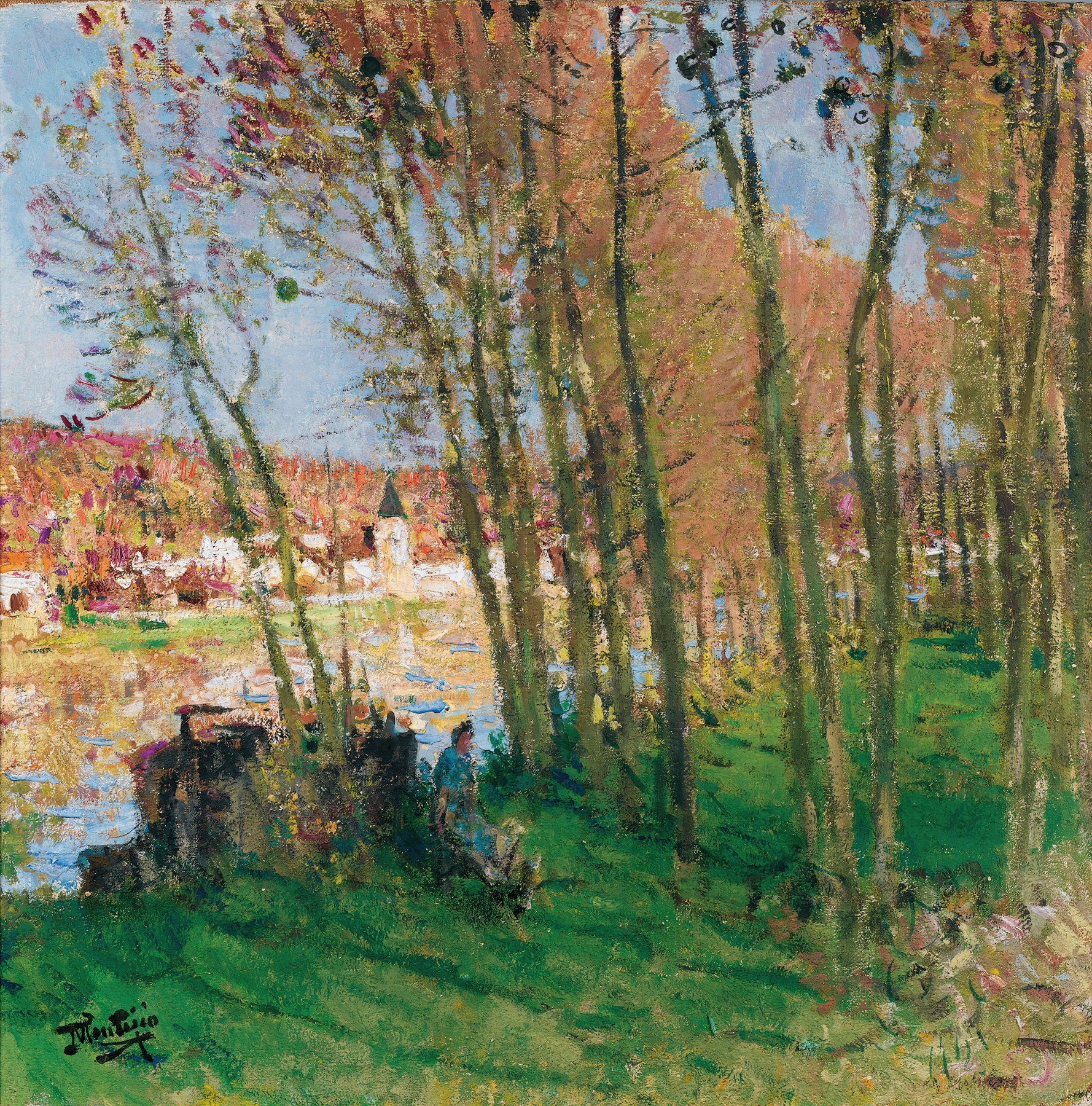
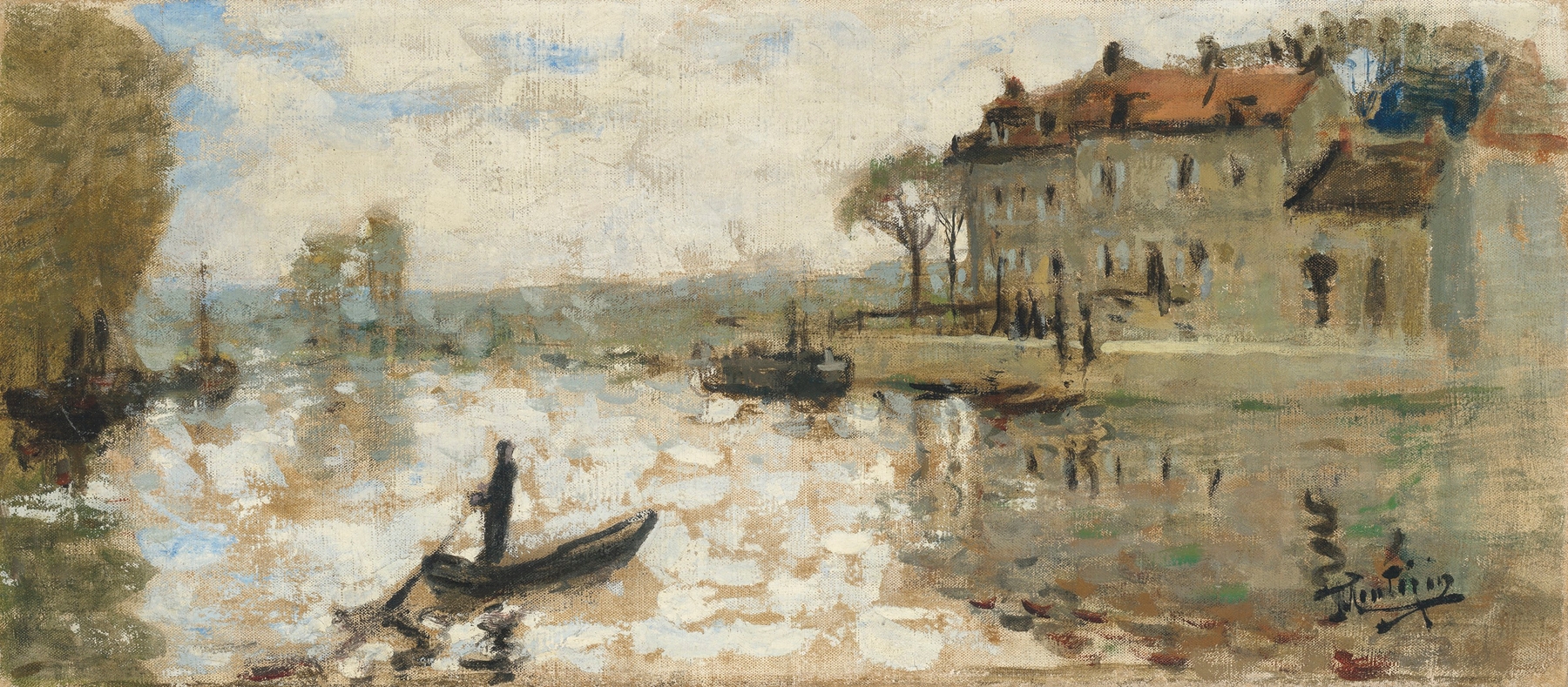
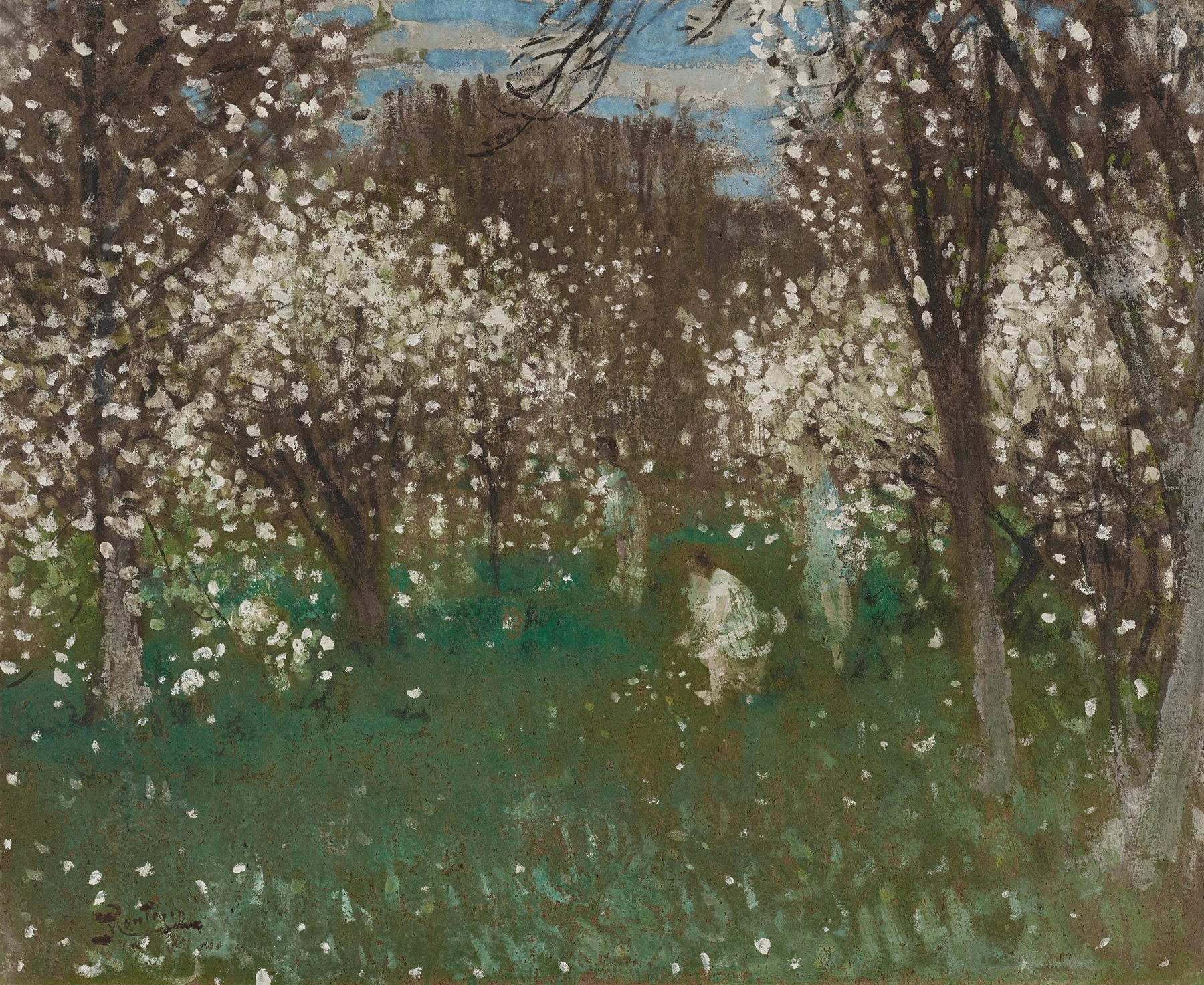
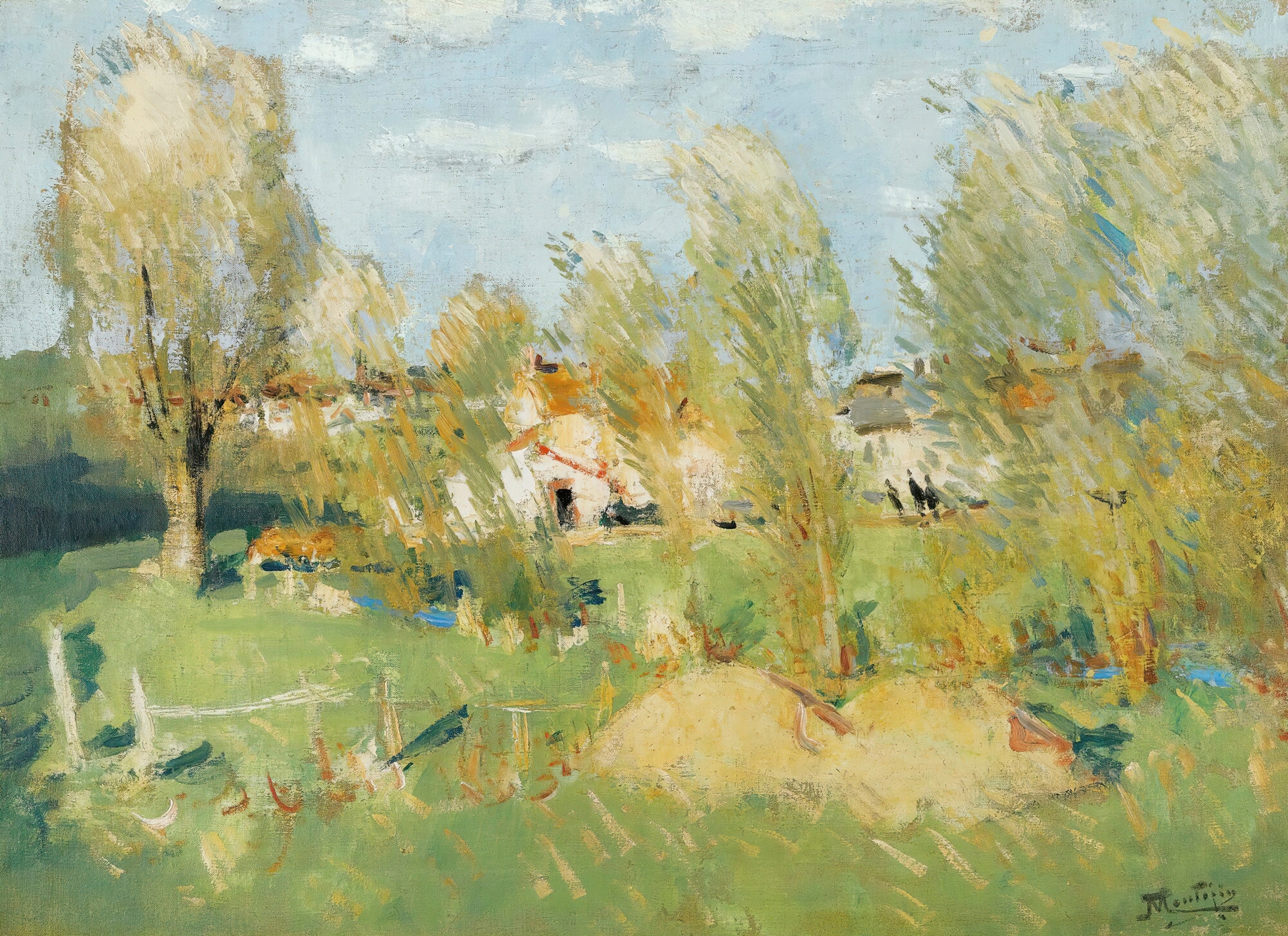
Where does light end, and longing begin? In the quiet embrace of a village street, a serene moment unfolds, inviting the viewer to pause and reflect. Look to the left at the gentle curve of the cobblestone path, where the warm, golden hues of the setting sun bathe the scene in a soft glow. The interplay of light and shadow dances across the quaint buildings, their facades softly weathered, each surface telling a story of time gone by.
Notice how the lush greenery hugs the edges, infusing the composition with life, while the sky above transitions from azure to a soothing palette of pastels, evoking a sense of tranquility that permeates the air. Beneath the surface, the painting suggests a deeper contrast between the vibrant life of the village and the stillness of its surroundings. The figures, though present, seem to inhabit their own worlds—a reminder of solitary wanderings and the quiet joys of everyday life.
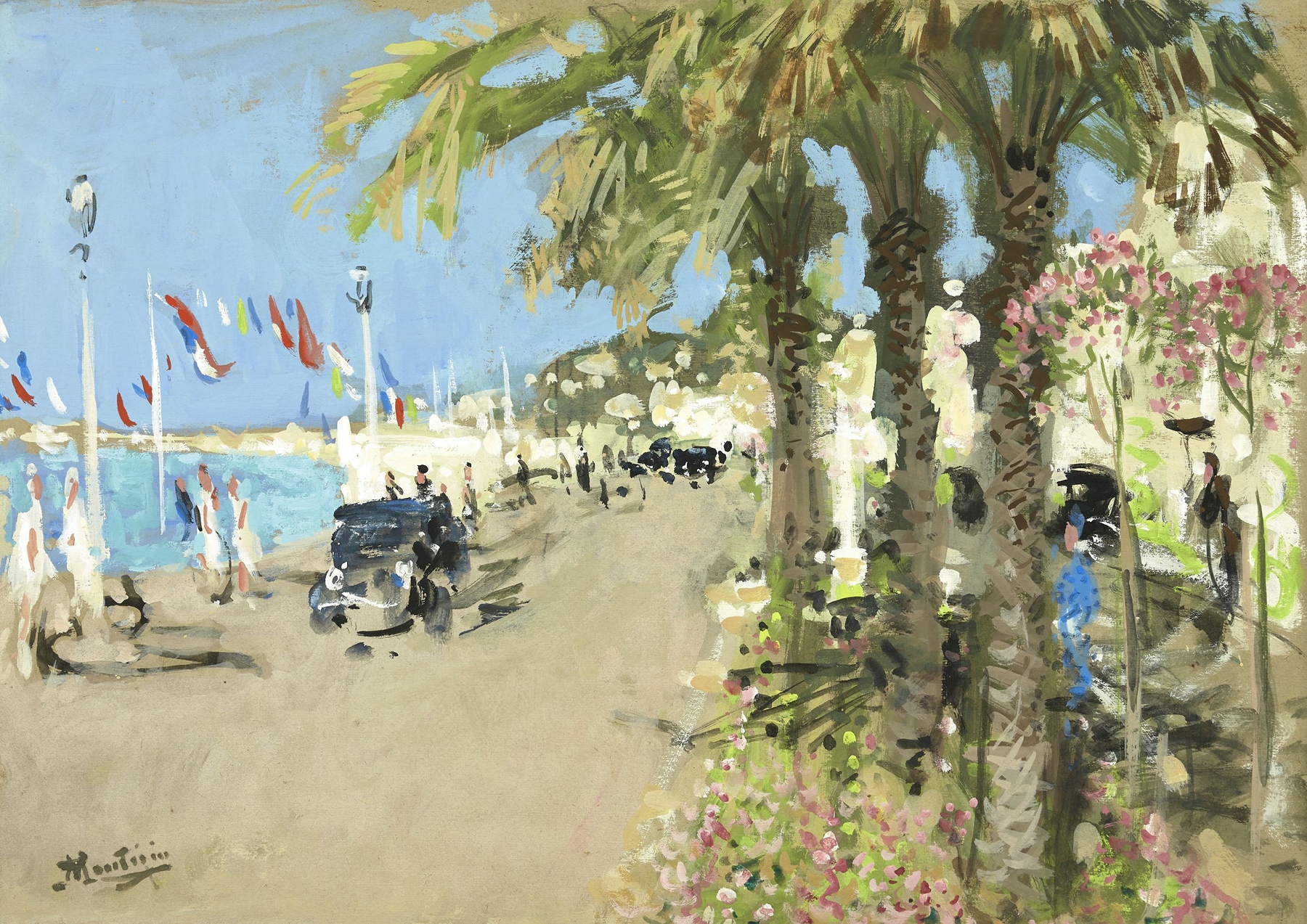
Each brushstroke conveys a lingering longing, contrasting the vibrancy of existence with the poignant silence that accompanies it. Created during the early 20th century, this piece reflects a time when Montézin was deeply immersed in the Impressionist movement, embracing light and color as his primary subjects. While specific details of its creation remain elusive, the artist was known to have captured the essence of rural life in France, translating the ephemeral beauty of nature into his works during a period marked by social and artistic evolution.