Bord De Canal À Saint-Mammès — History & Analysis
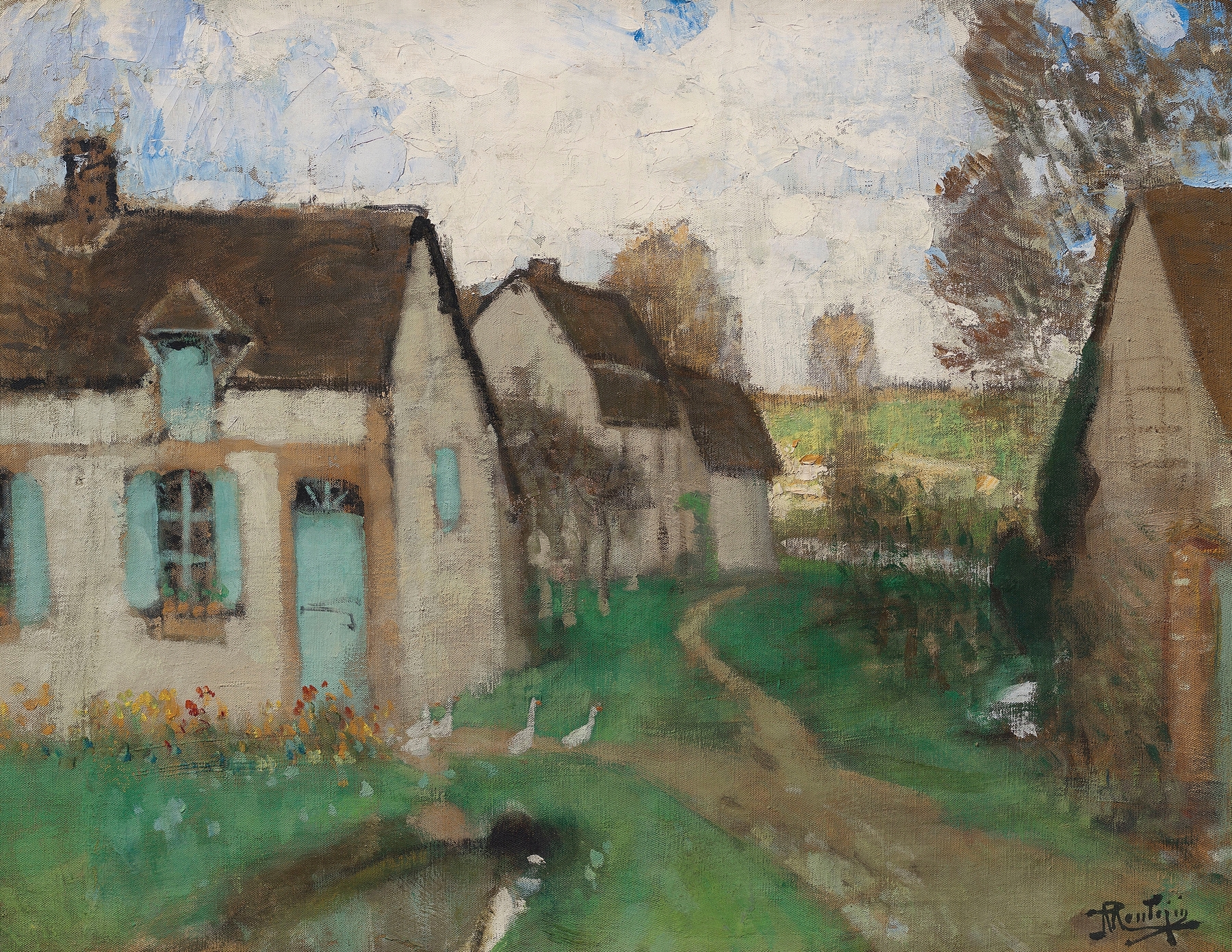
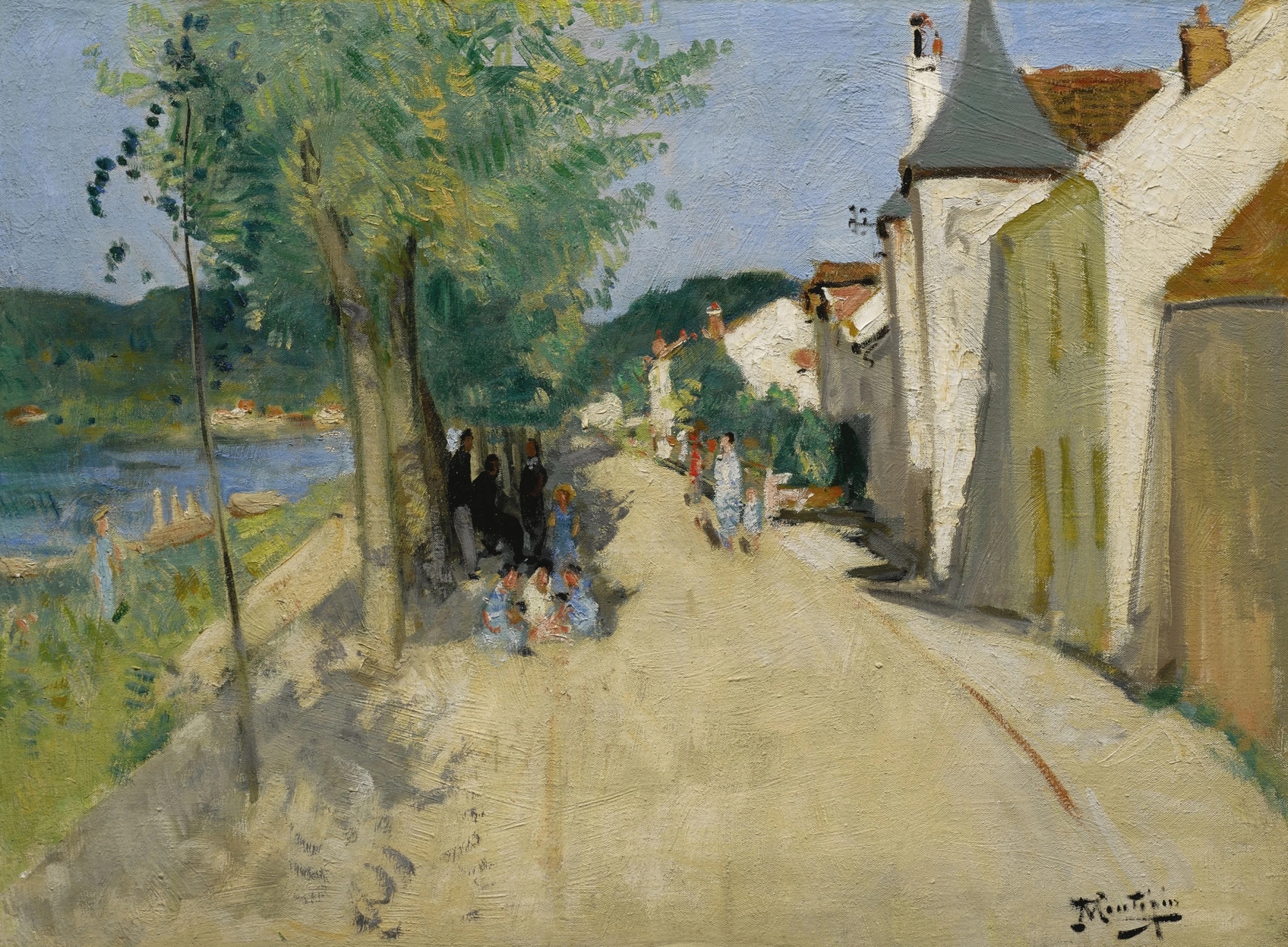
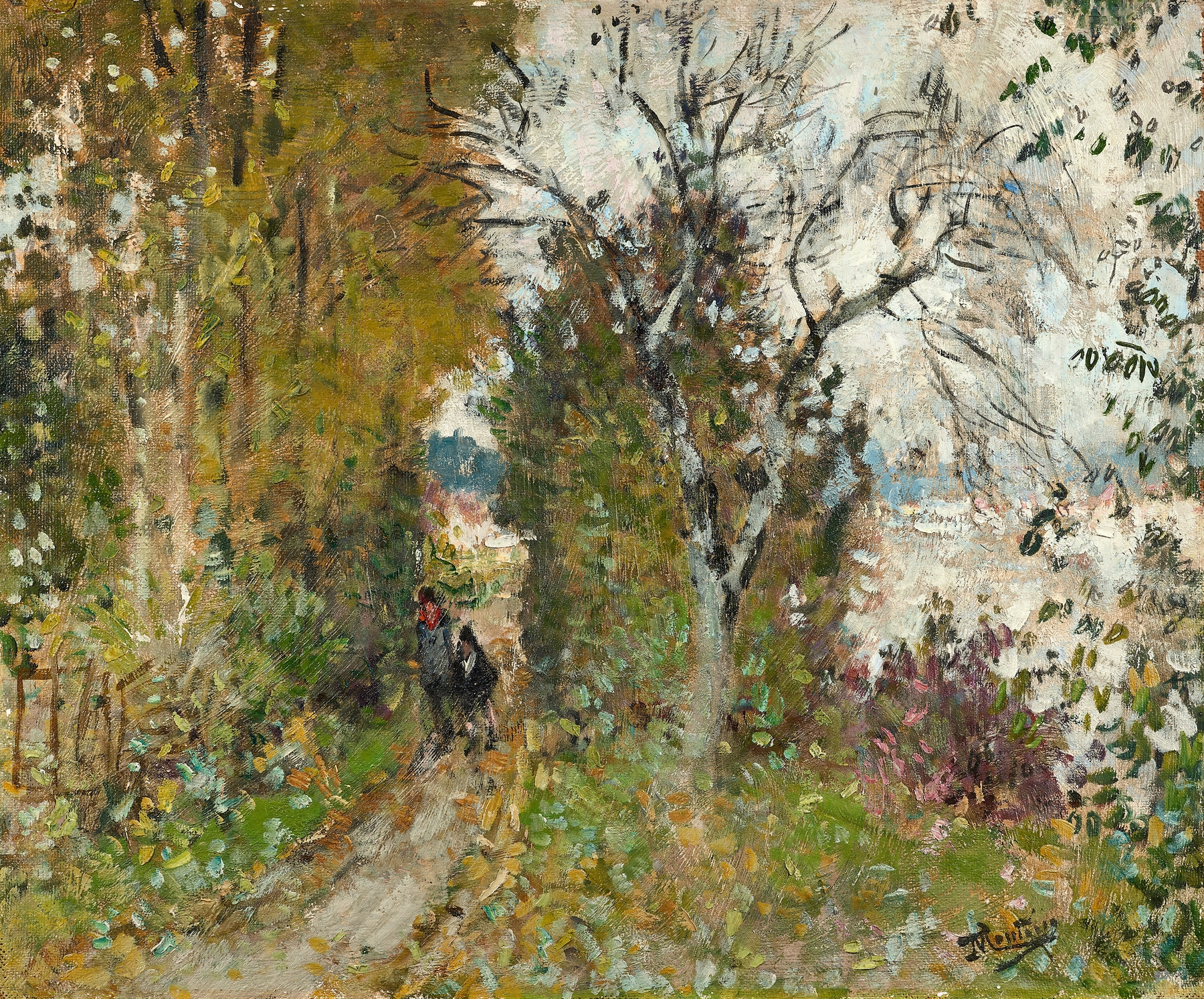
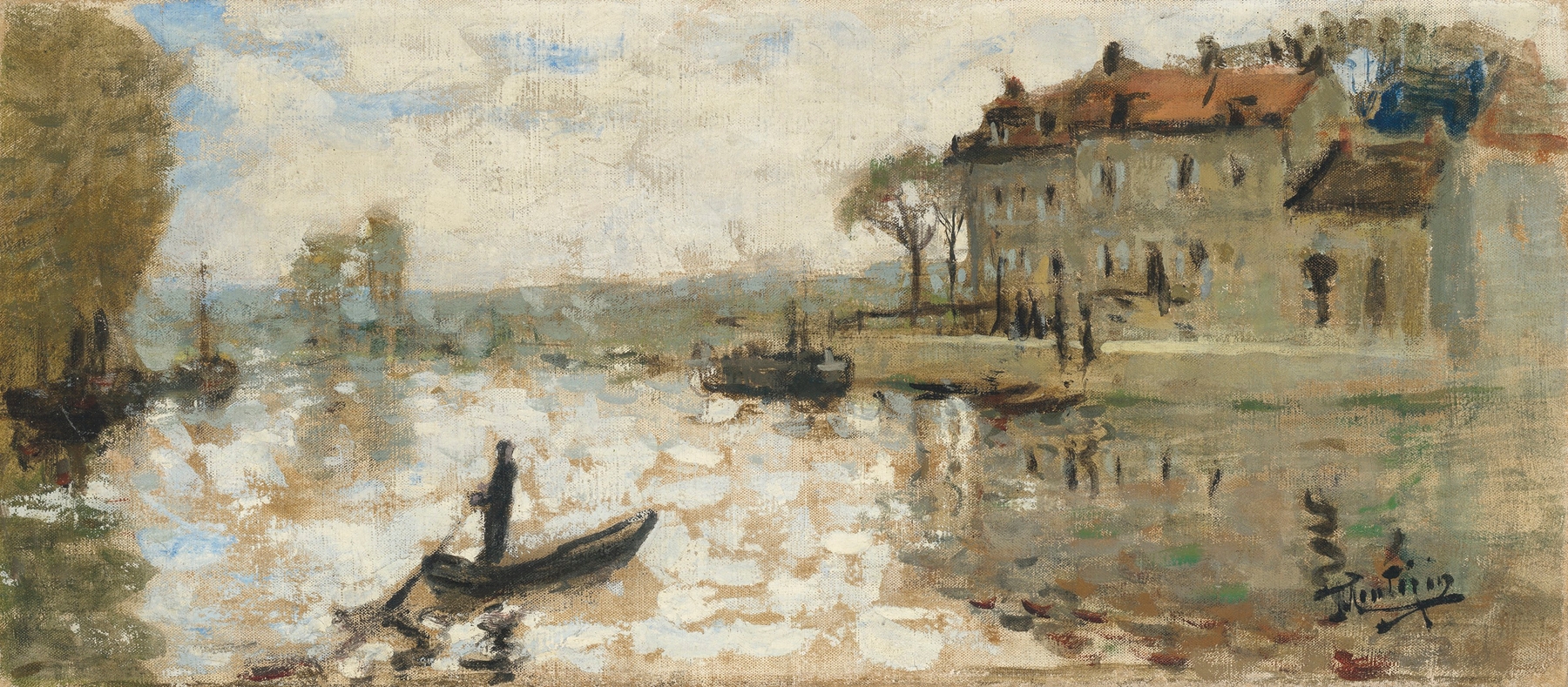
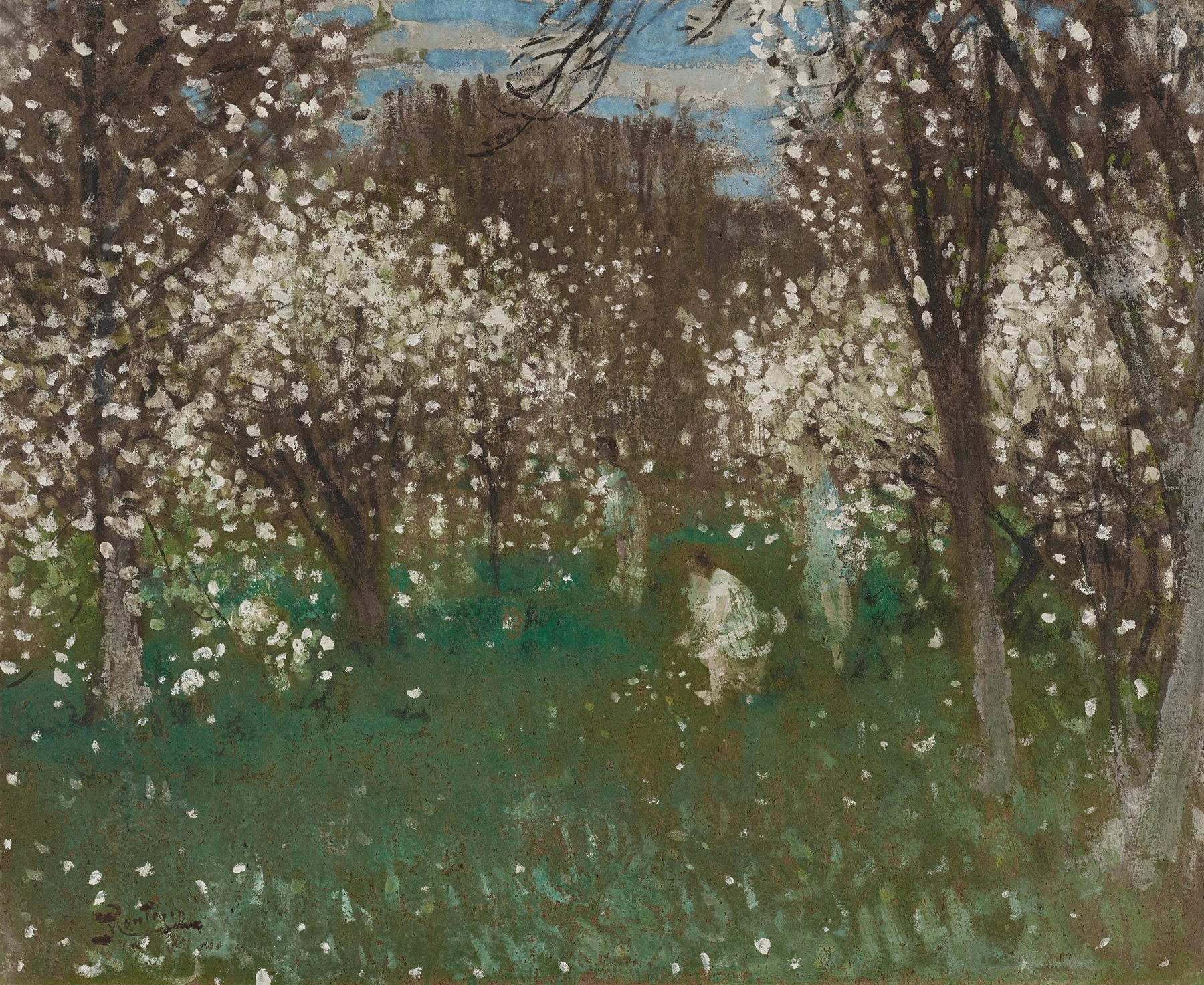
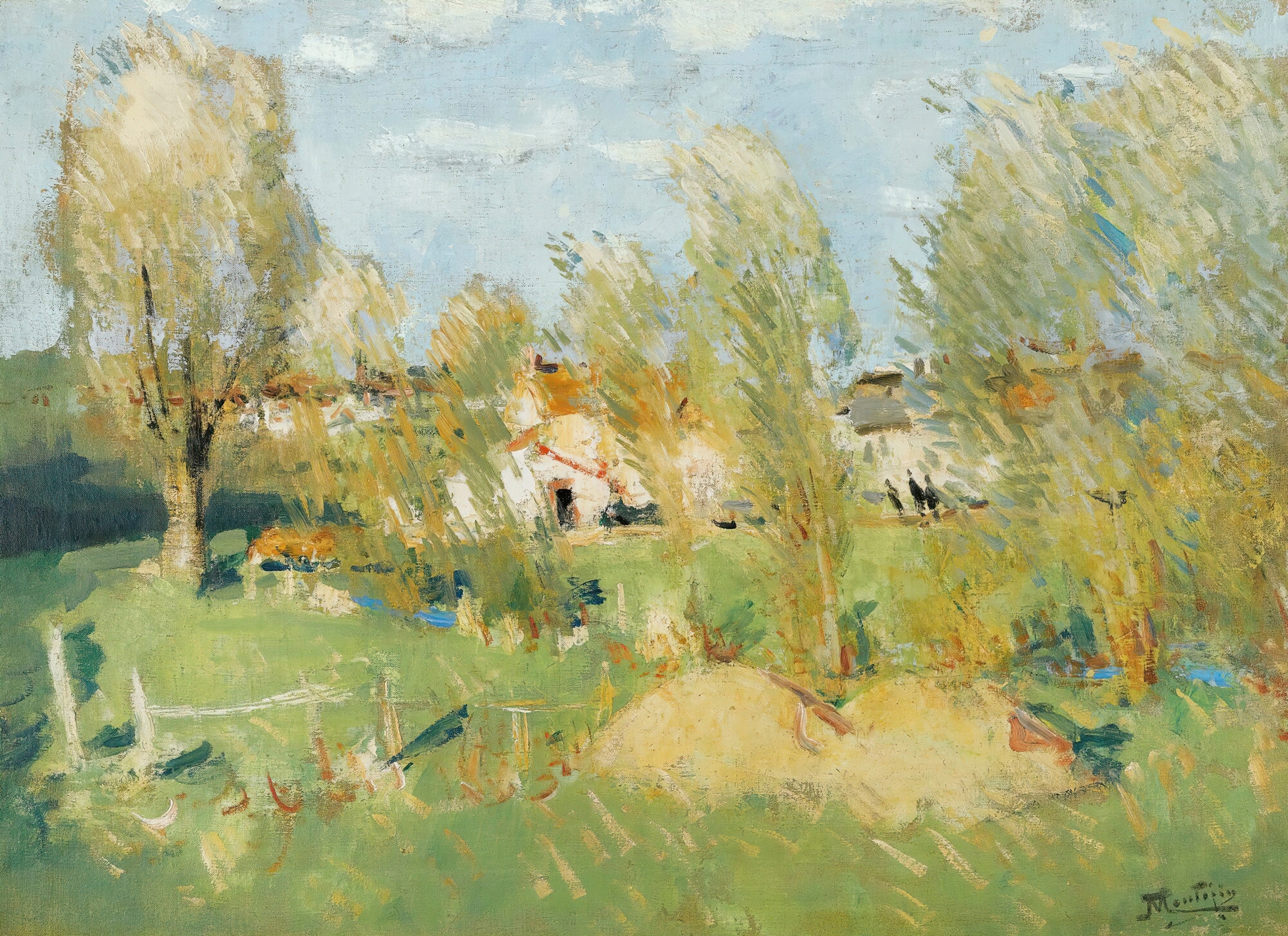
Is this a mirror — or a memory? In Bord De Canal À Saint-Mammès, the surface of the water reflects not only the landscape but the wistful echoes of a time past, suggesting a rebirth of feelings long buried beneath the tranquil façade. Look to the right at the gentle ripples that disturb the perfect symmetry of the canal, mirroring the lush greenery that lines its banks. The artist employs a palette of verdant greens and soft blues, capturing the dappled sunlight that filters through the trees, creating a serene yet vibrant atmosphere.
Notice how Montézin’s brushwork effortlessly blends the reflections with the actual landscape, blurring the boundaries between reality and illusion, prompting the viewer to question the nature of perception itself. Deeper insights reveal a juxtaposition of light and shadow, representing the interplay between nostalgia and renewal. The stillness of the water invites contemplation, while the vibrant hues breathe life into the scene, symbolizing the cyclical nature of existence. Small details, like the delicate movement of a boat in the distance or the fluttering leaves overhead, suggest a world teetering on the edge of change, evoking a sense of both peace and anticipation.
Created during an era when Impressionism was transitioning into more contemporary styles, Montézin painted this evocative scene amidst a flourishing artistic community in late 19th-century France. While the exact date remains unknown, it reflects his dedication to capturing the ephemeral beauty of nature, as artists began to embrace the interplay of light and color in innovative ways. This work stands as a testament to the enduring allure of the landscape, a meditation on the passage of time and the moments we hold dear.