Bord De L’eau — History & Analysis
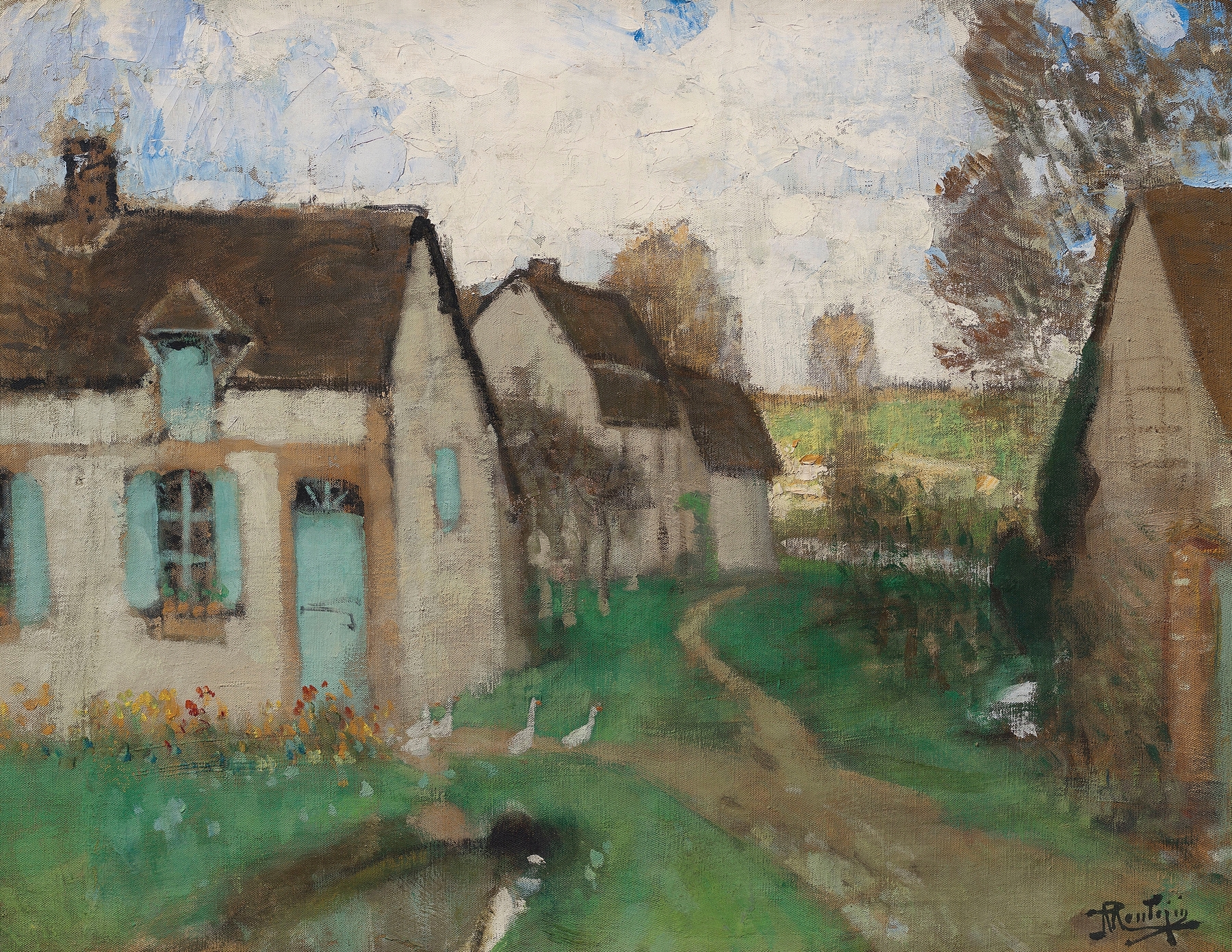
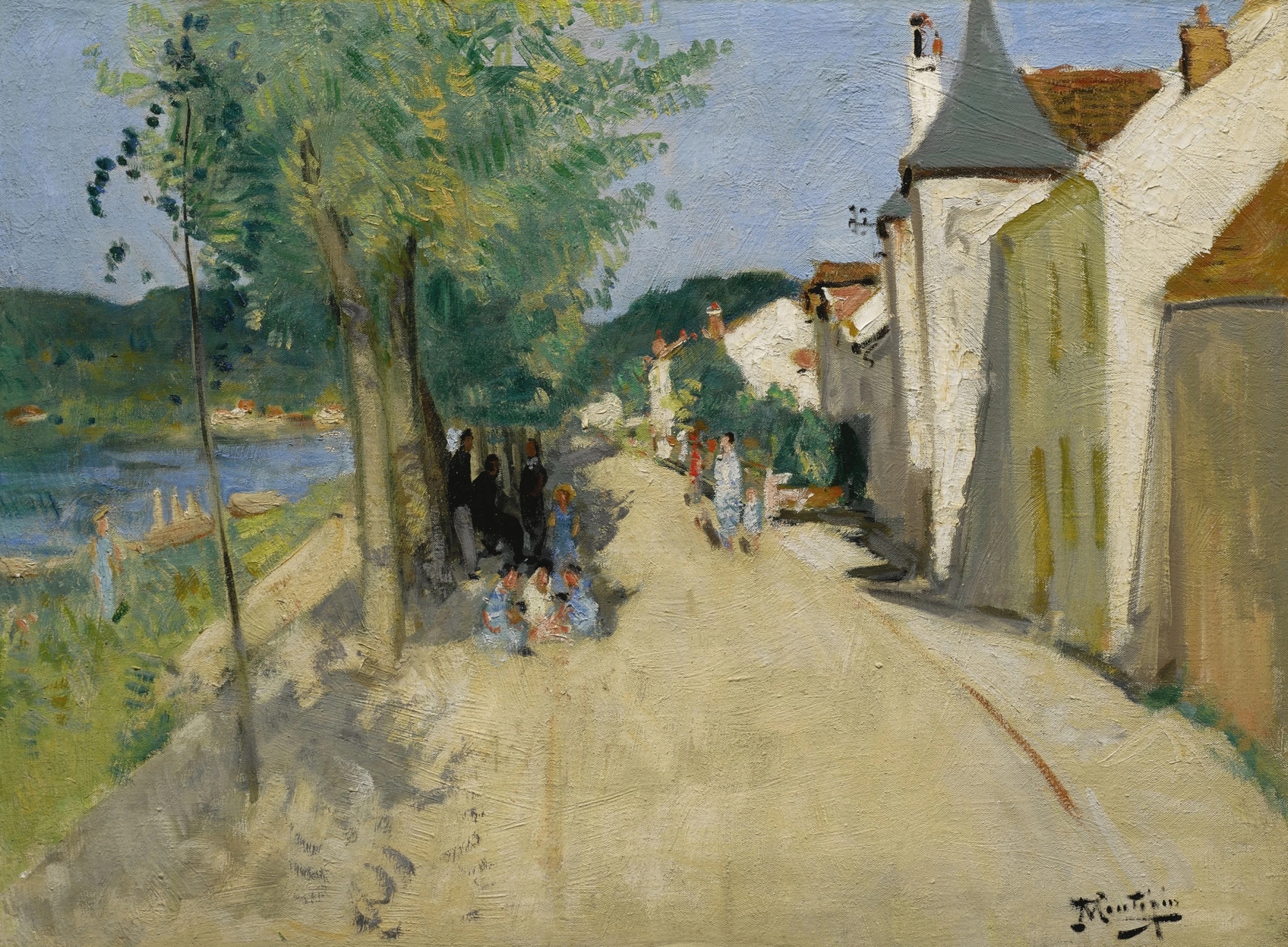
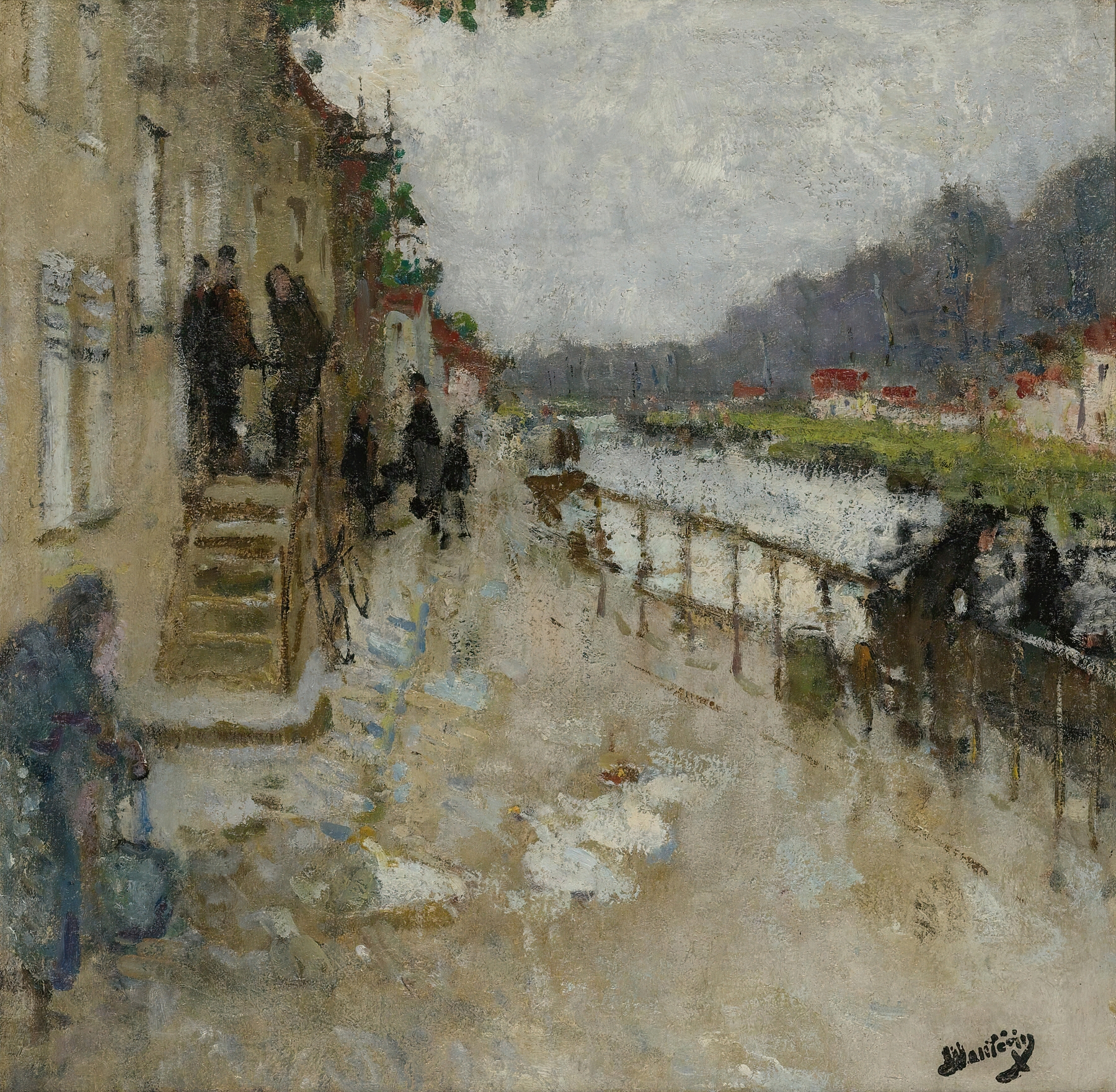
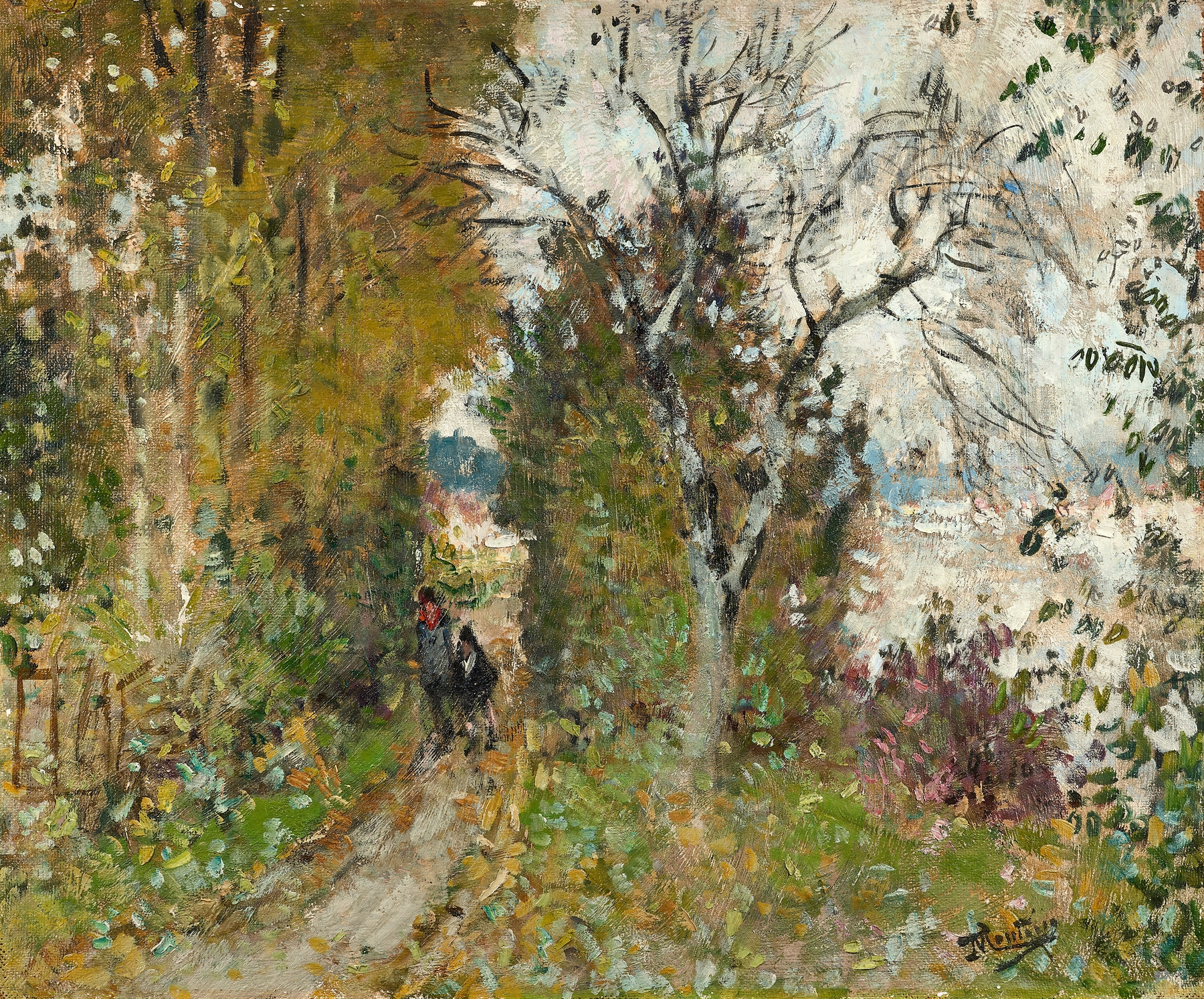
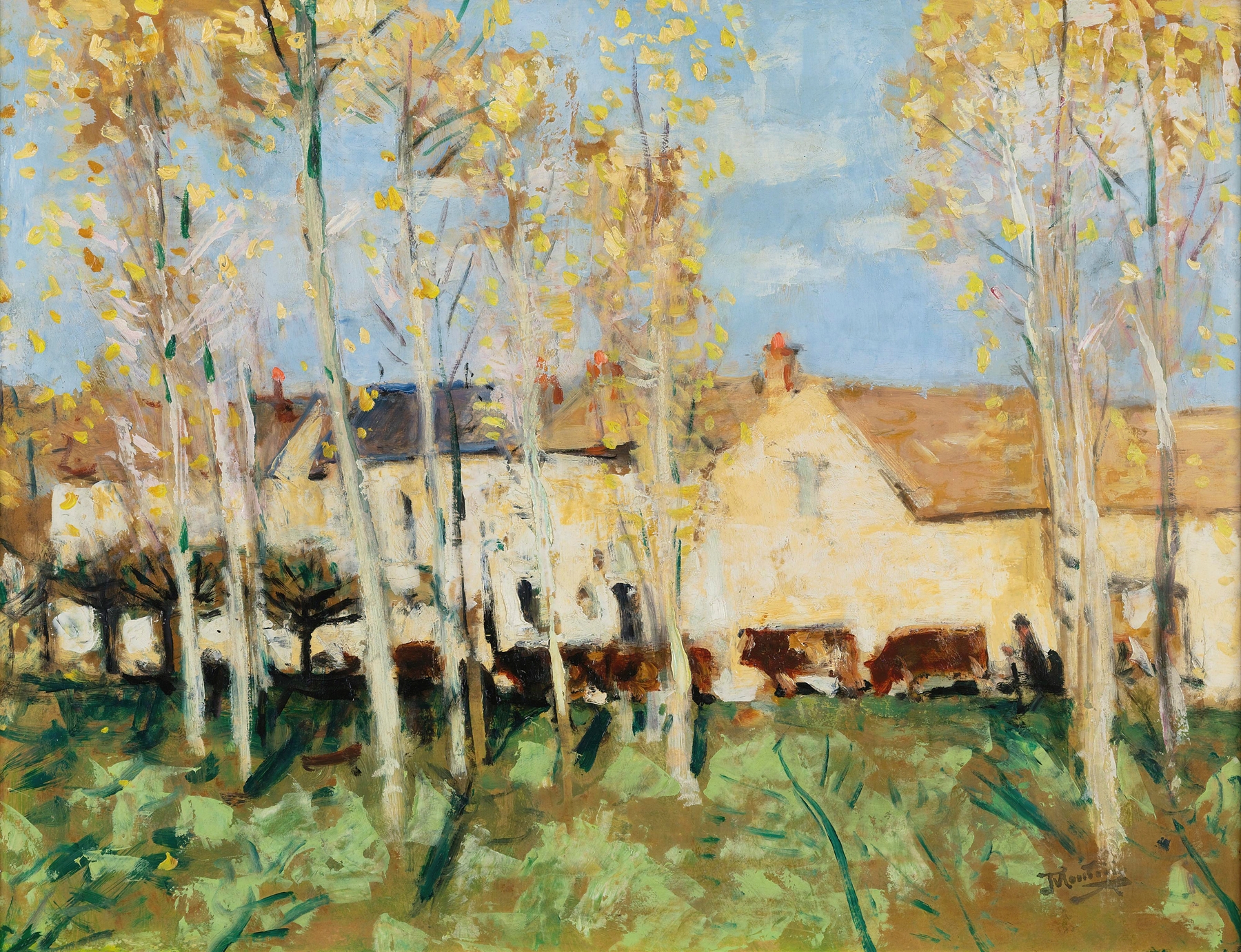
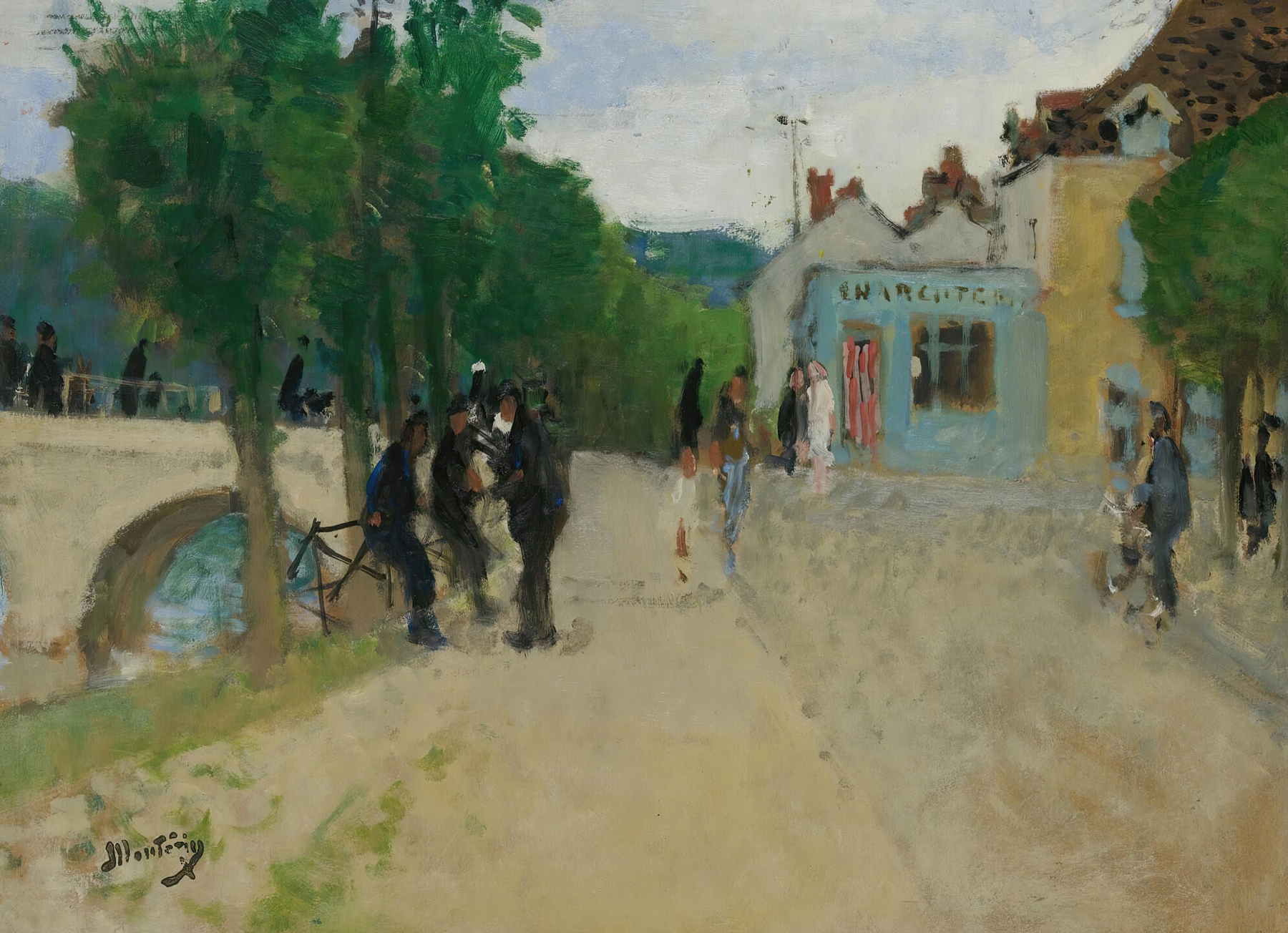
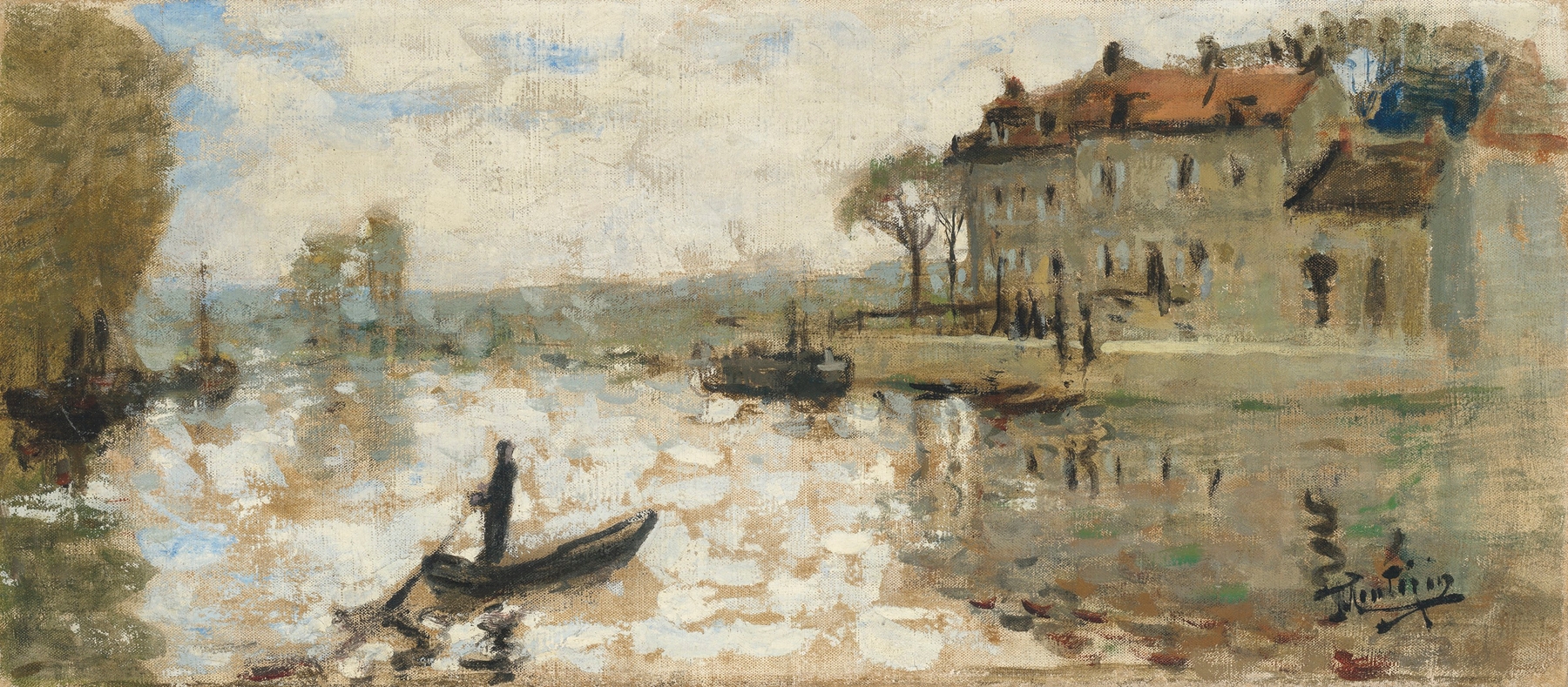
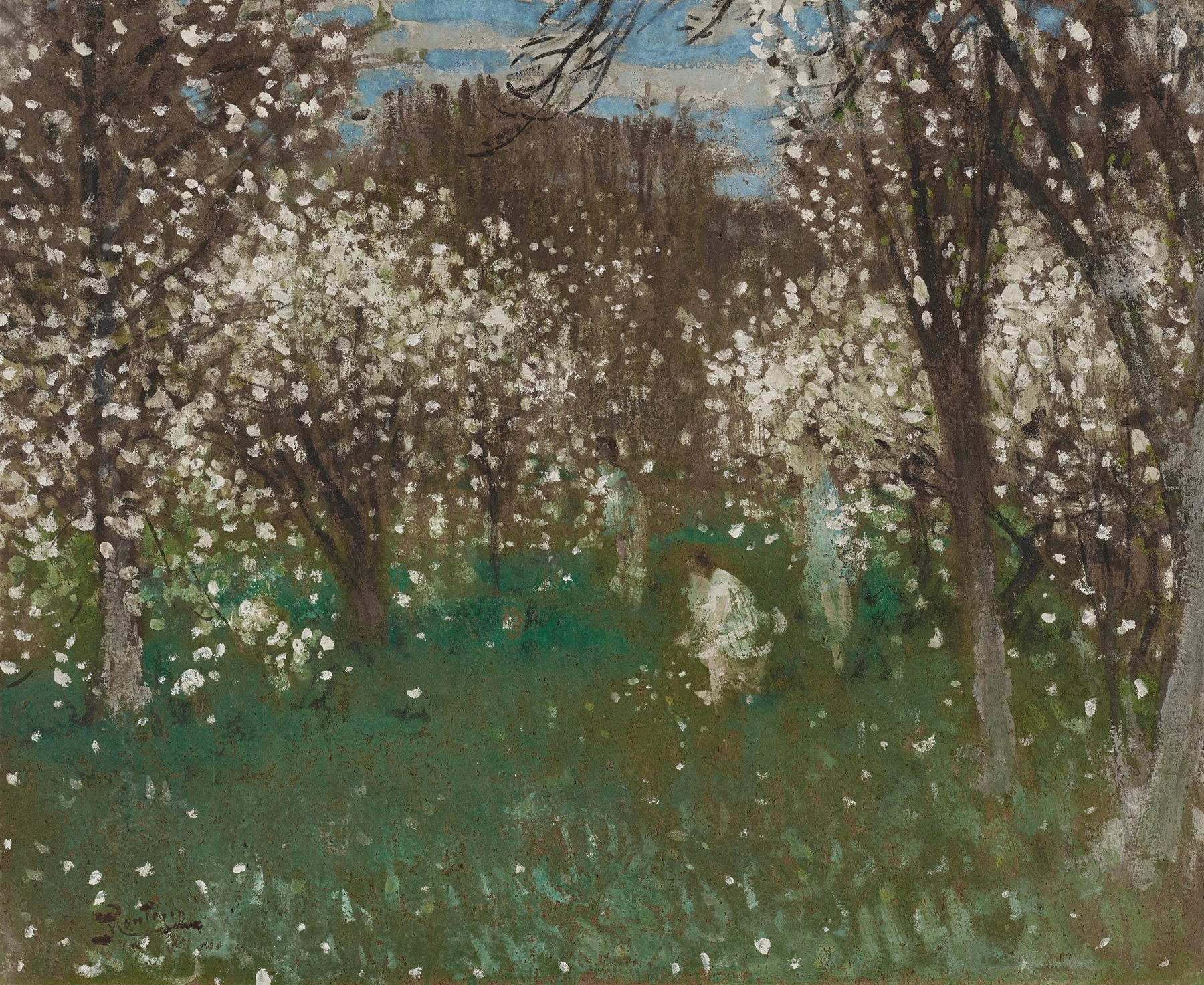
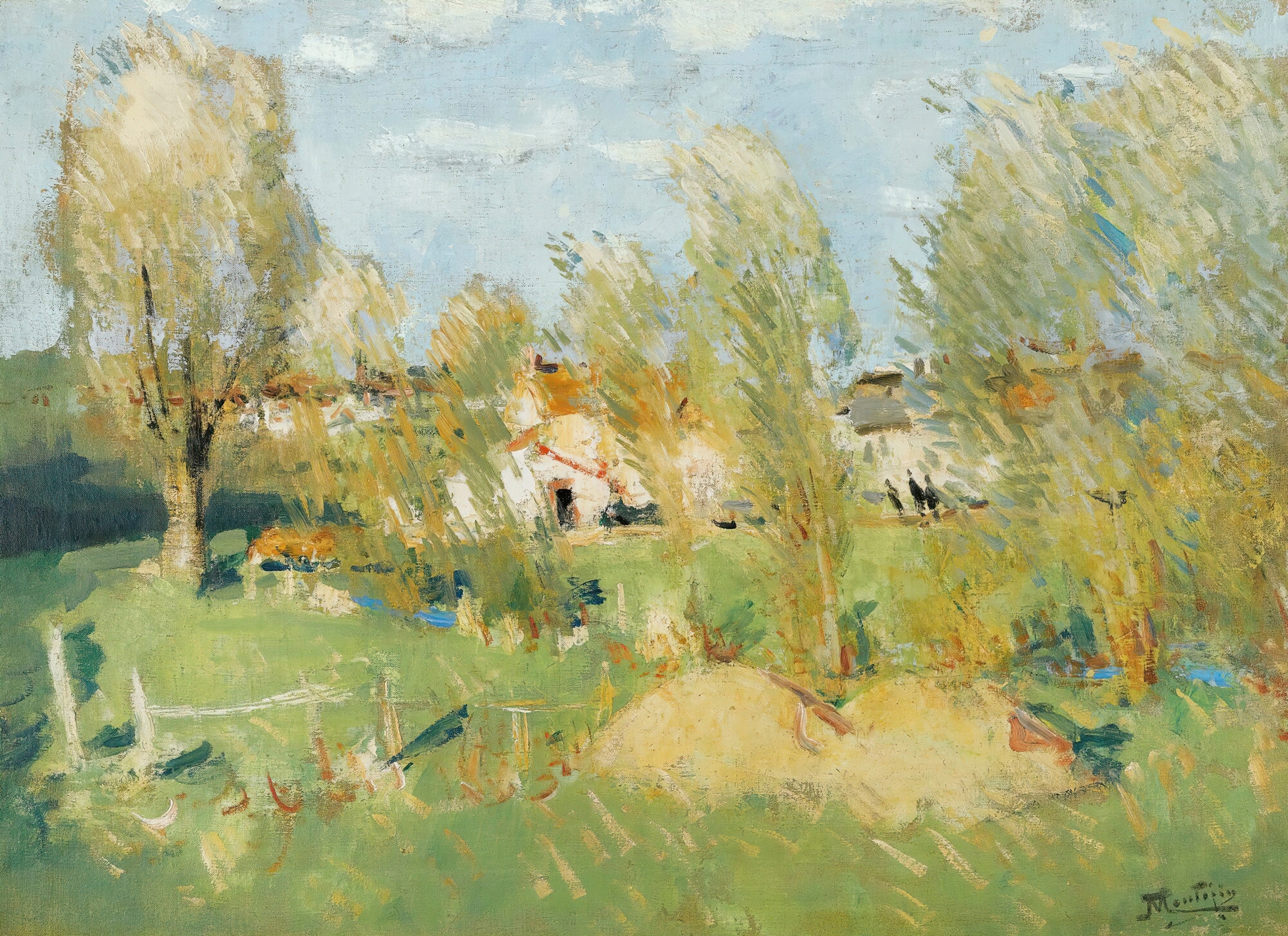
Can paint confess what words never could? In Bord De L’eau, the essence of awakening is captured, a moment where nature breathes life into canvas. Look to the left where soft ripples of water spill into the foreground, reflecting the dappled sunlight filtering through the leaves. Notice how the brushstrokes harmonize in shades of emerald and gold, creating a tranquil interplay of light and shadow.
The artist’s gentle touch draws you into this serene riverscape, inviting your gaze to wander along the banks where the soft contours of the land cradle the water’s embrace. Yet, among the serenity lies a subtle tension. The vibrancy of the foliage suggests the vitality of life, while the calm surface of the water hints at hidden depths beneath. The mingling of blues and greens evokes a sense of peace, yet the slightly turbulent ripples betray an underlying energy, a reminder that awakening is as much about stillness as it is about movement.
This duality invites contemplation on our own reconciliations with nature and self. During the period when this work was created, Montézin was fully immersed in the Impressionist movement, capturing fleeting moments of beauty. The exact date remains unclear, yet he honed his style in the late 19th to early 20th century, a time marked by a profound shift in artistic expression. As the world around him evolved, so too did his exploration of light and color, reflecting the burgeoning desire for connection with the natural world.