
Attersee — History & Facts
What if beauty was never meant to be finished? In the stillness of Attersee, a haunting emptiness resonates, inviting contemplation on the nature of existence and longing. Look to the shimmering surface of the water, where the colors blend seamlessly, creating an ethereal landscape. The soft brushstrokes evoke a sense of tranquility, while the rich hues of blue and green spiral into an infinite horizon. Notice how Klimt’s signature gold accents outline the mountains in the distance, their brightness contrasting the shadows below, guiding the viewer’s gaze to the interplay between light and darkness. Delve deeper into the layers of meaning within the canvas.
The water's surface suggests both reflection and concealment, hinting at the hidden emotions beneath. The emptiness felt in the composition speaks to a profound solitude, where nature serves as both a refuge and a reminder of isolation. This tension between beauty and absence creates a poignant dialogue, challenging the viewer to confront their own feelings of longing and fulfillment. In 1900, Gustav Klimt was at the height of his artistic exploration, living in Vienna amidst a vibrant art scene that was shifting toward modernism.
He spent time at Attersee, capturing the serene landscape that surrounded him. This period marked a transition in his work, focusing on the interplay of ornamentation and nature, as he sought to bridge the gap between the tangible and the elusive, much like the very essence of beauty itself.
More Artworks by Gustav Klimt

The Kiss
Gustav Klimt
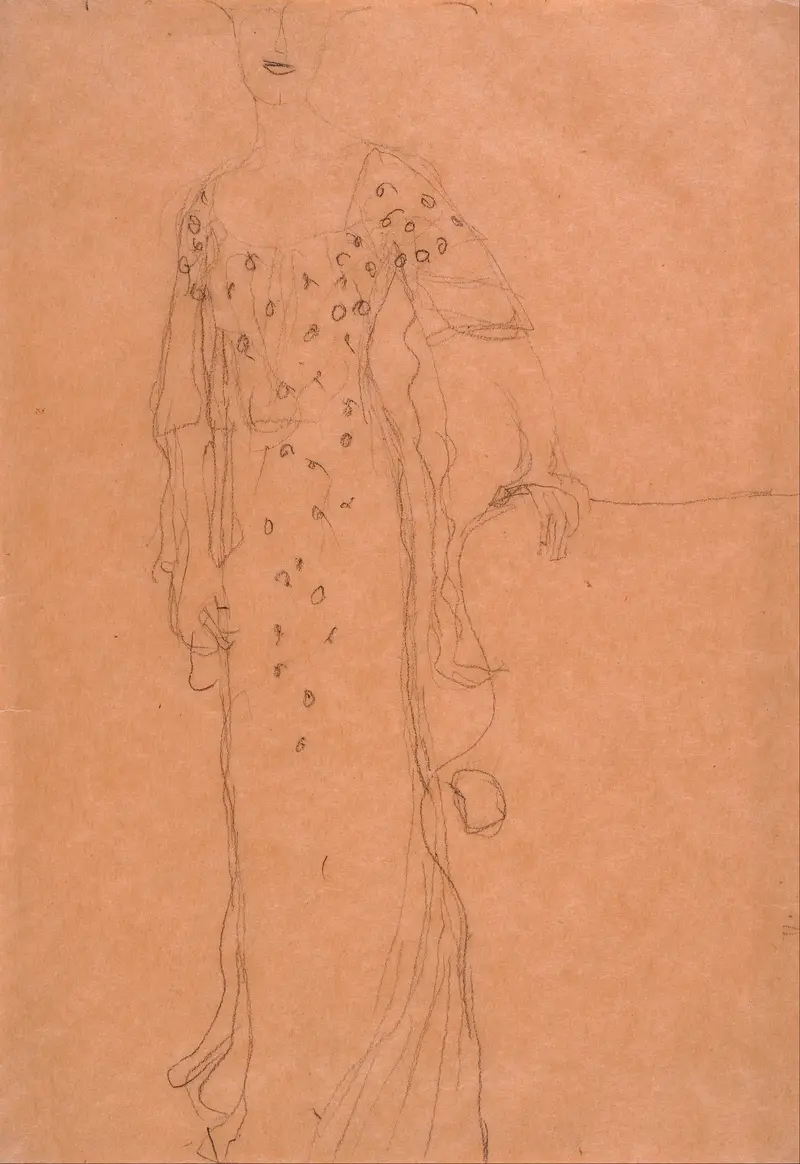
Study for Portrait of Adele Bloch-Bauer I
Gustav Klimt

Woman with fan
Gustav Klimt
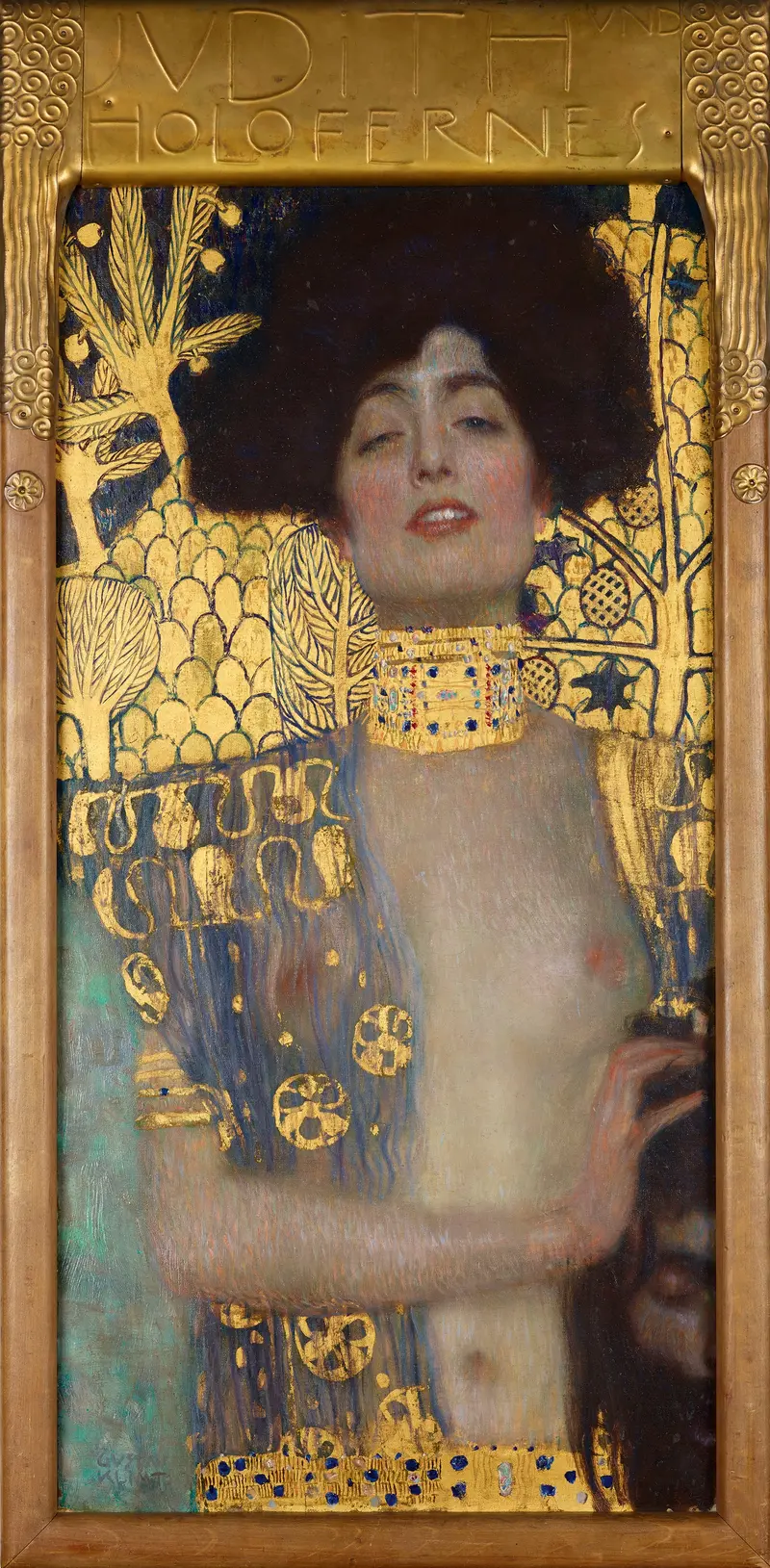
Judith
Gustav Klimt

Portrait of Adele Bloch-Bauer I
Gustav Klimt
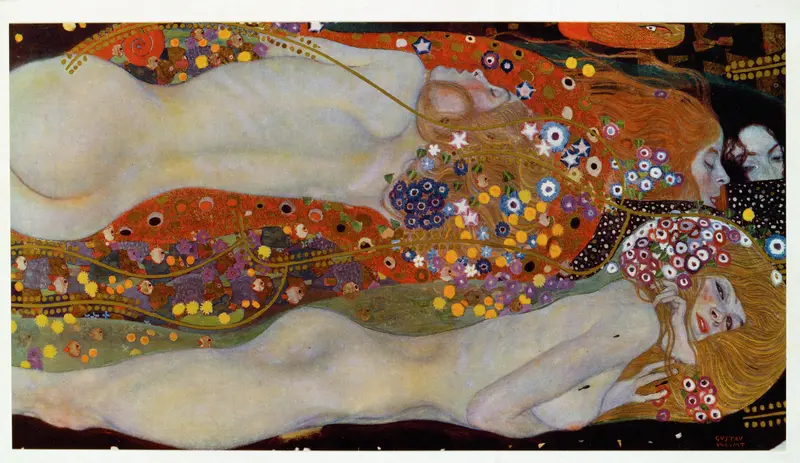
Water Serpents II
Gustav Klimt

Mäda Primavesi
Gustav Klimt

Portrait of Rose von Rosthorn-Friedmann
Gustav Klimt
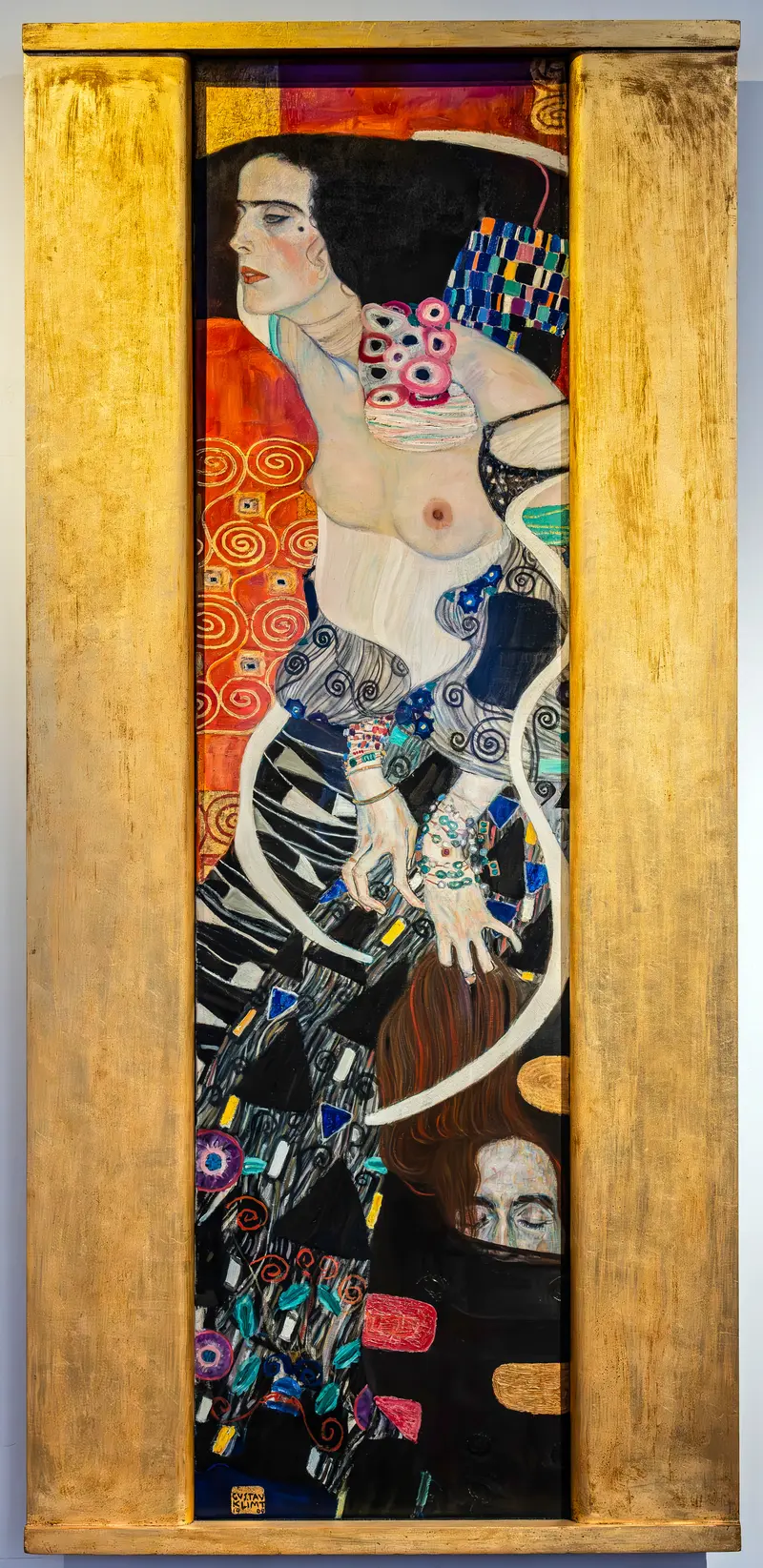
Judith II (Salome)
Gustav Klimt

The Three Ages of the Woman
Gustav Klimt
More Landscape Art

The Starry Night
Vincent van Gogh

View of Delft
Johannes Vermeer

Water Lilies
Claude Monet

The Grand Canal, Venice, looking north-west from the Ca' Corner to the Ca' Contarini degli Scrigni, with the campanile of Santa Maria della Carità
Canaletto

Windsor Castle
Canaletto

The Grand Canal looking North-East from the Palazzo Dolfin-Manin to the Rialto Bridge
Canaletto