
Avenue to the Kammer Castle — History & Facts
A long avenue of tall, closely planted trees forms a tunnel of green that leads the viewer’s gaze toward the distant yellow façade of Kammer Castle. The trees rise on either side of the path, their trunks thick and twisting, their branches arching overhead to create a dense canopy of leaves. Sunlight filters through the foliage, dappling the avenue with shifting patches of light and shadow that play across the cobbled ground.
The leaves and branches are rendered in a mosaic of vibrant greens, blues, and touches of yellow, with brushstrokes that appear short, rhythmic, and layered, giving the surface a lively, textured effect. At the end of the avenue, the bright yellow walls and red roof of Kammer Castle emerge through the trees, its windows and entrance just visible beyond the greenery. The composition is symmetrical, with the lines of the trees and the path converging at the castle, creating a sense of depth and invitation.
The painting’s square format enhances the sense of enclosure, as if the viewer stands within the avenue, surrounded by the natural architecture of trunks and leaves. The brushwork is energetic and visible throughout, with thick, expressive lines outlining the trunks and branches, and dabs of color suggesting the dense foliage above. This work was created by Gustav Klimt in the 1910s. Its subject is the approach to Kammer Castle, a motif that situates the painting as a landscape.
The genre is landscape painting, focusing on the natural setting and architectural feature of the castle at the avenue’s end.
Sources: Belvedere, record 2892 · Wikidata Q19912810
More Artworks by Gustav Klimt

The Kiss
Gustav Klimt
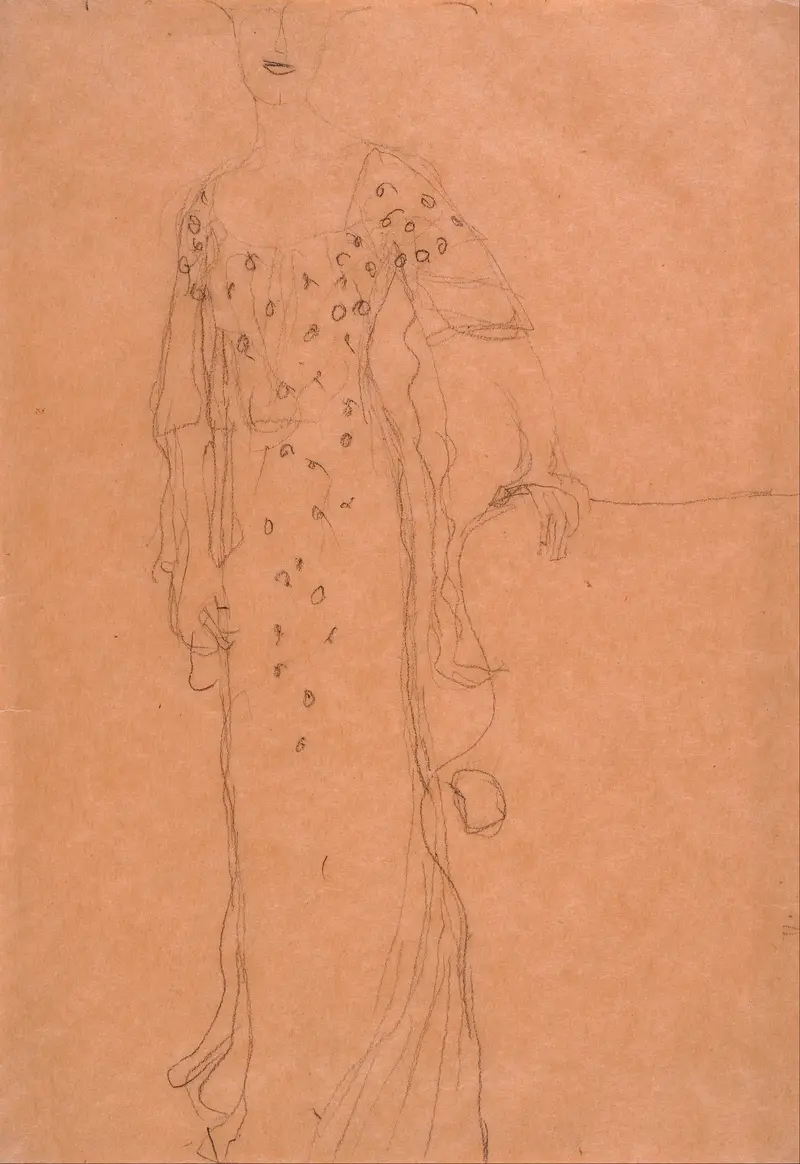
Study for Portrait of Adele Bloch-Bauer I
Gustav Klimt

Woman with fan
Gustav Klimt
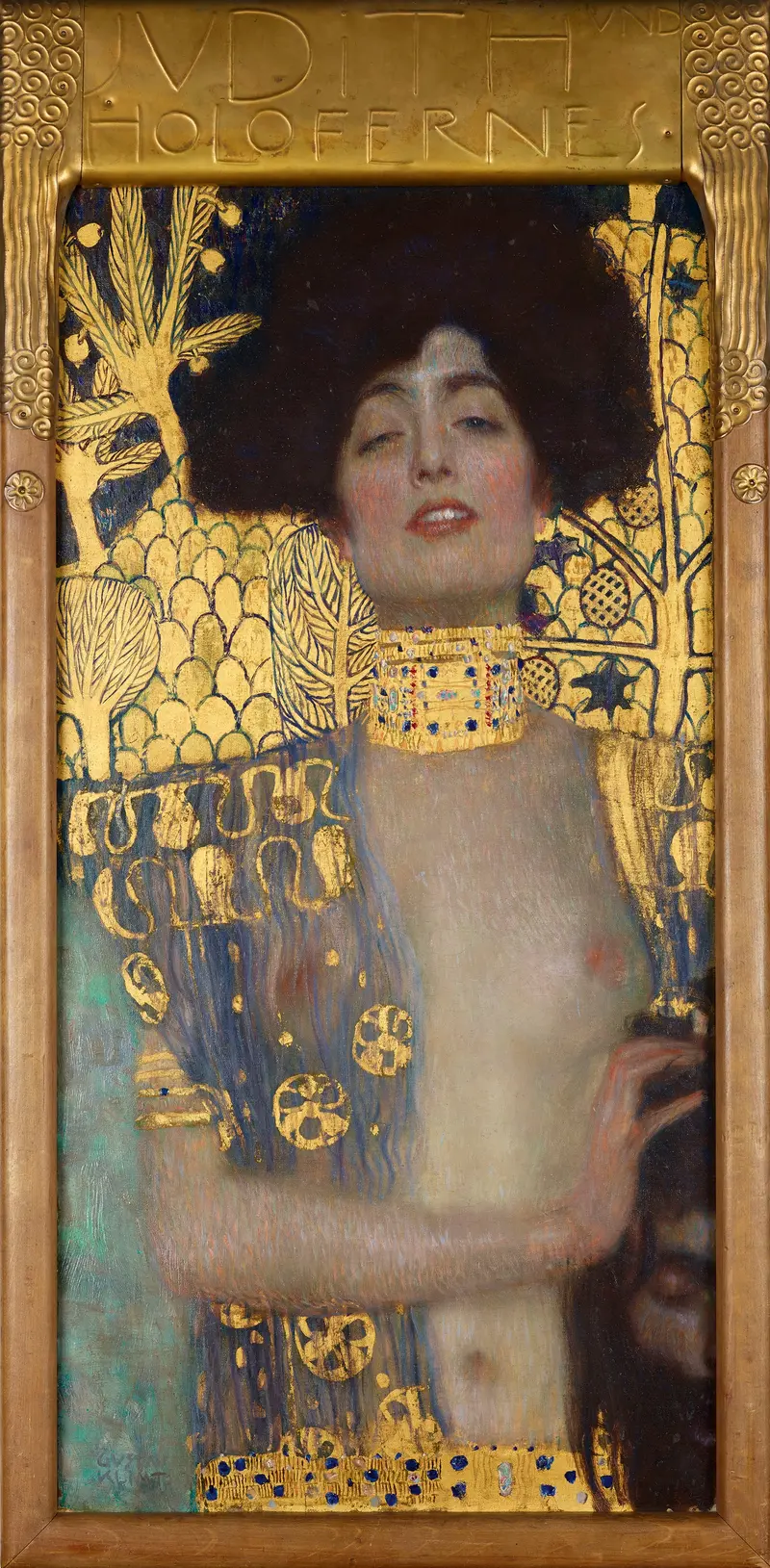
Judith
Gustav Klimt

Portrait of Adele Bloch-Bauer I
Gustav Klimt
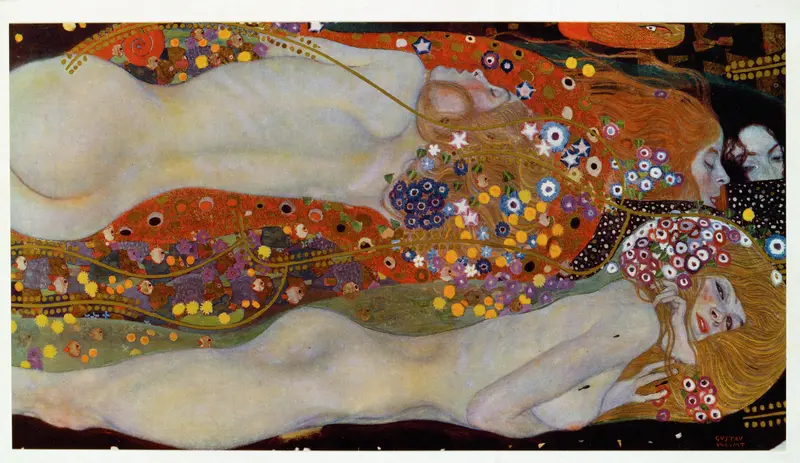
Water Serpents II
Gustav Klimt

Mäda Primavesi
Gustav Klimt

Portrait of Rose von Rosthorn-Friedmann
Gustav Klimt
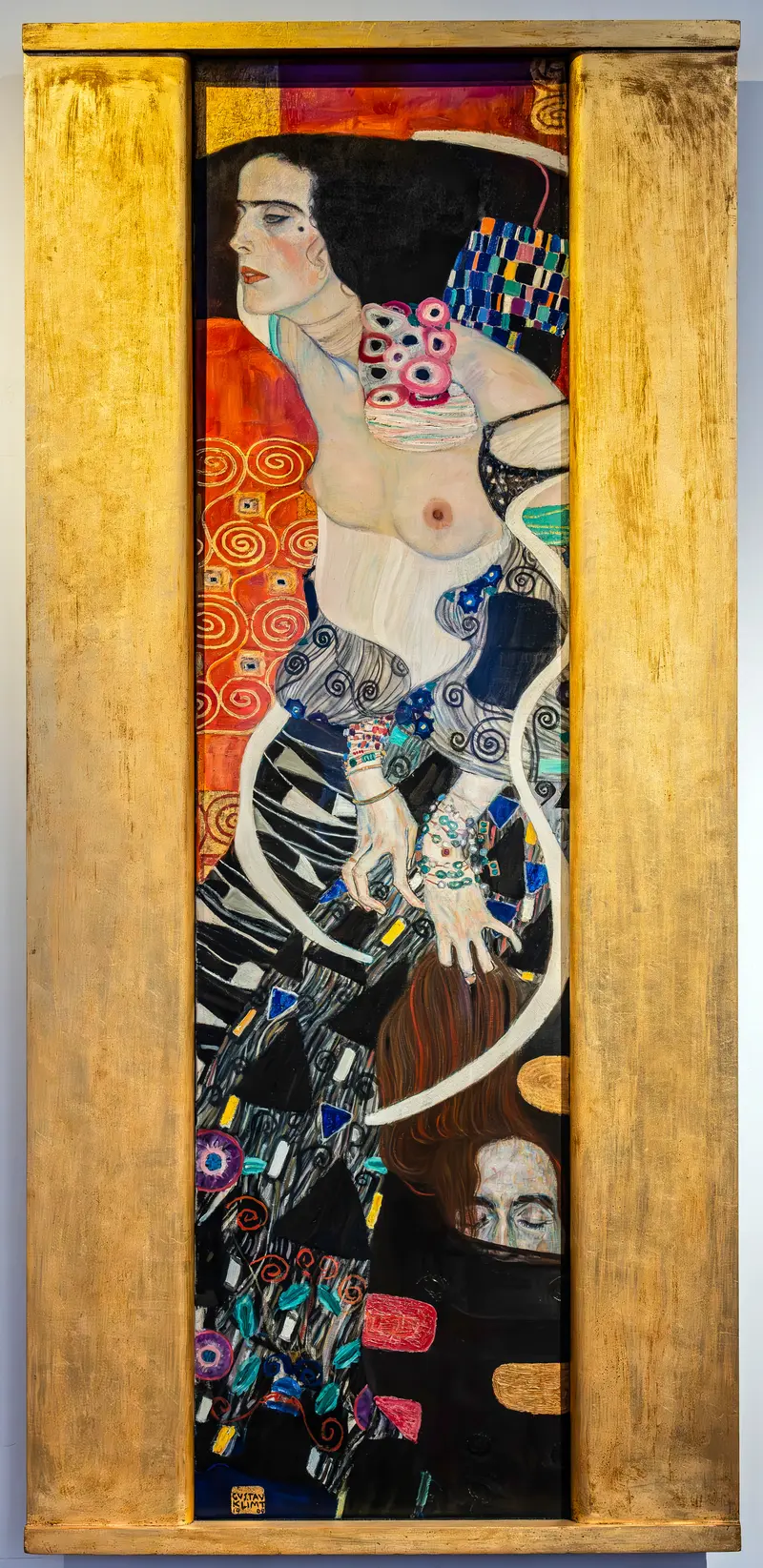
Judith II (Salome)
Gustav Klimt

The Three Ages of the Woman
Gustav Klimt
More Landscape Art

Starry Night
Vincent van Gogh

View of Delft
Johannes Vermeer

Water Lilies
Claude Monet

The Grand Canal, Venice, looking north-west from the Ca' Corner to the Ca' Contarini degli Scrigni, with the campanile of Santa Maria della Carità
Canaletto

Windsor Castle
Canaletto

The Grand Canal looking North-East from the Palazzo Dolfin-Manin to the Rialto Bridge
Canaletto