Au bois de Boulogne — History & Analysis
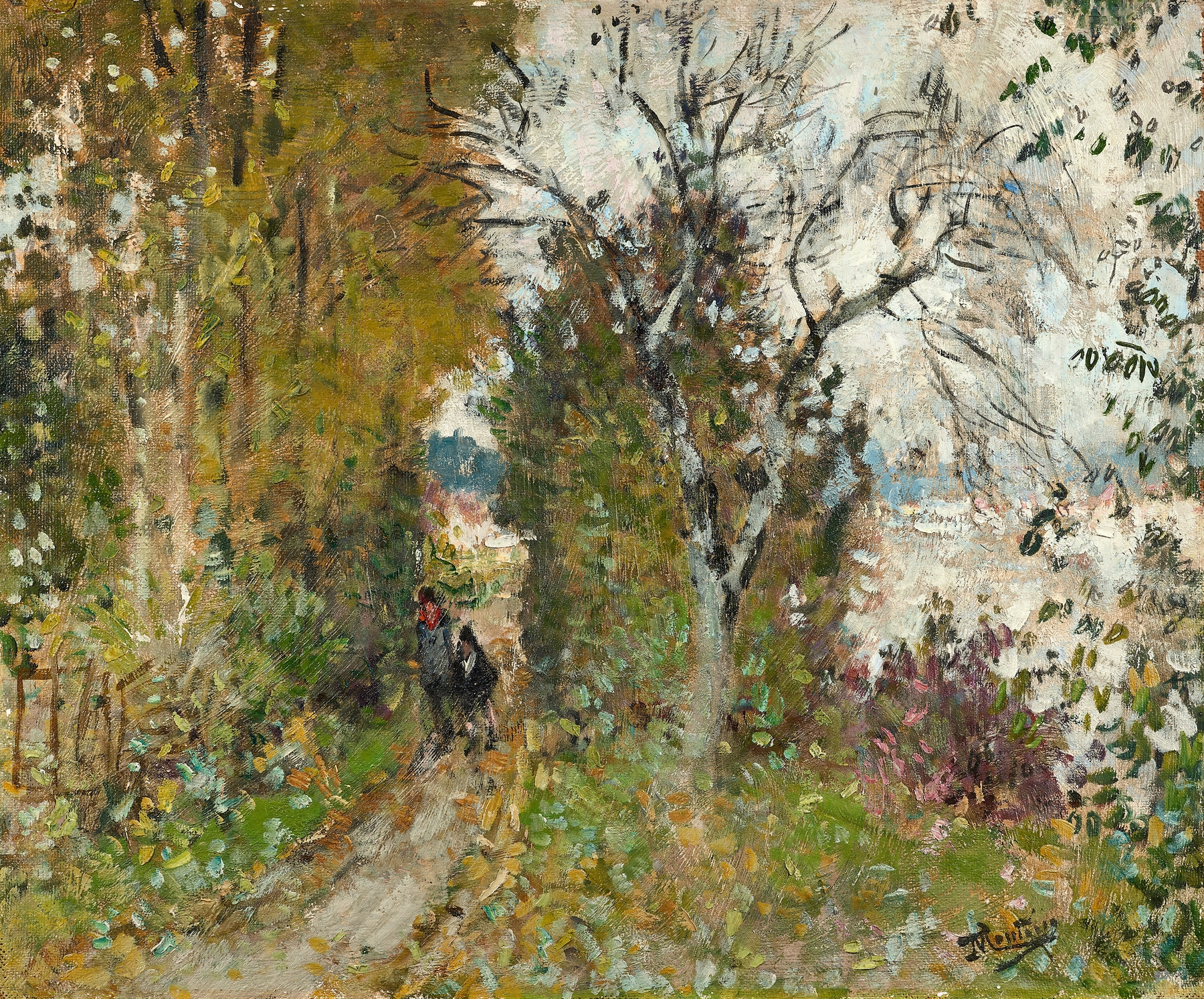
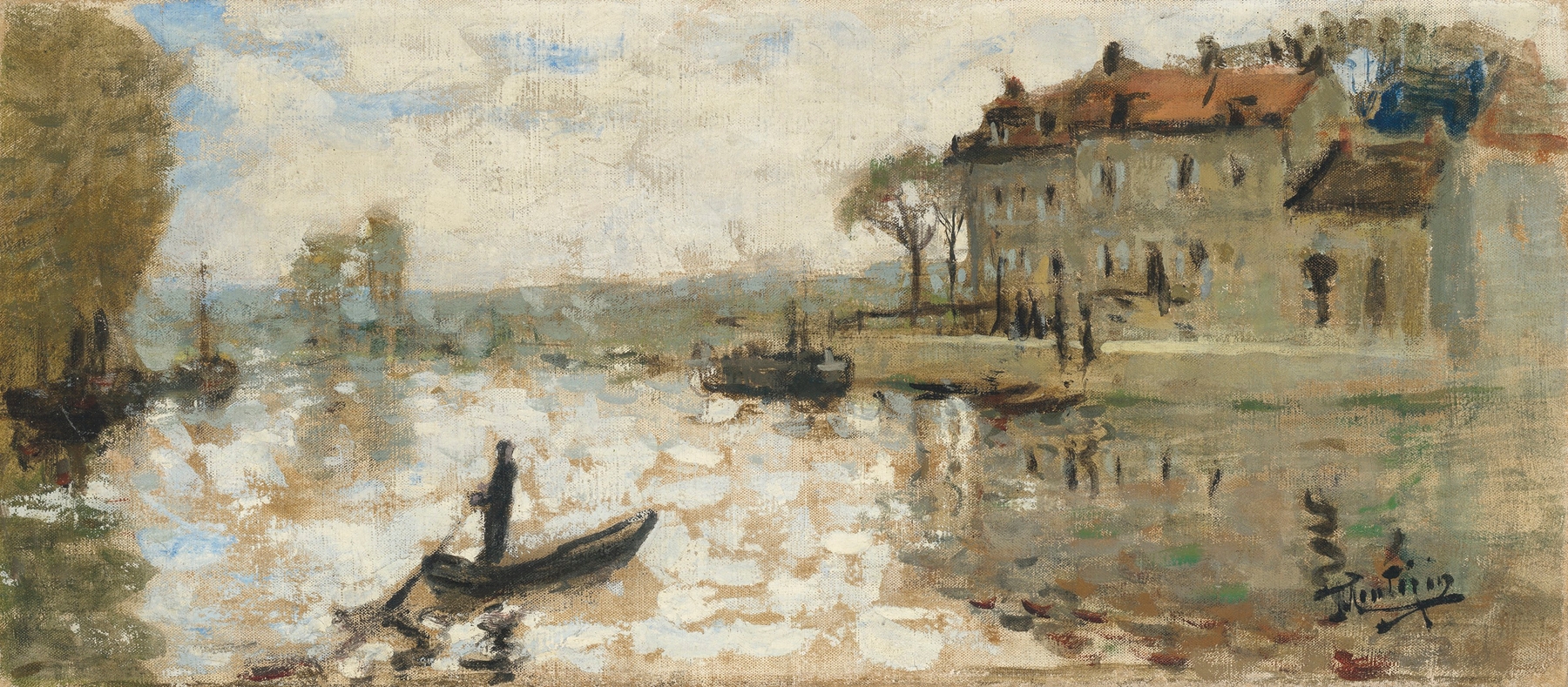
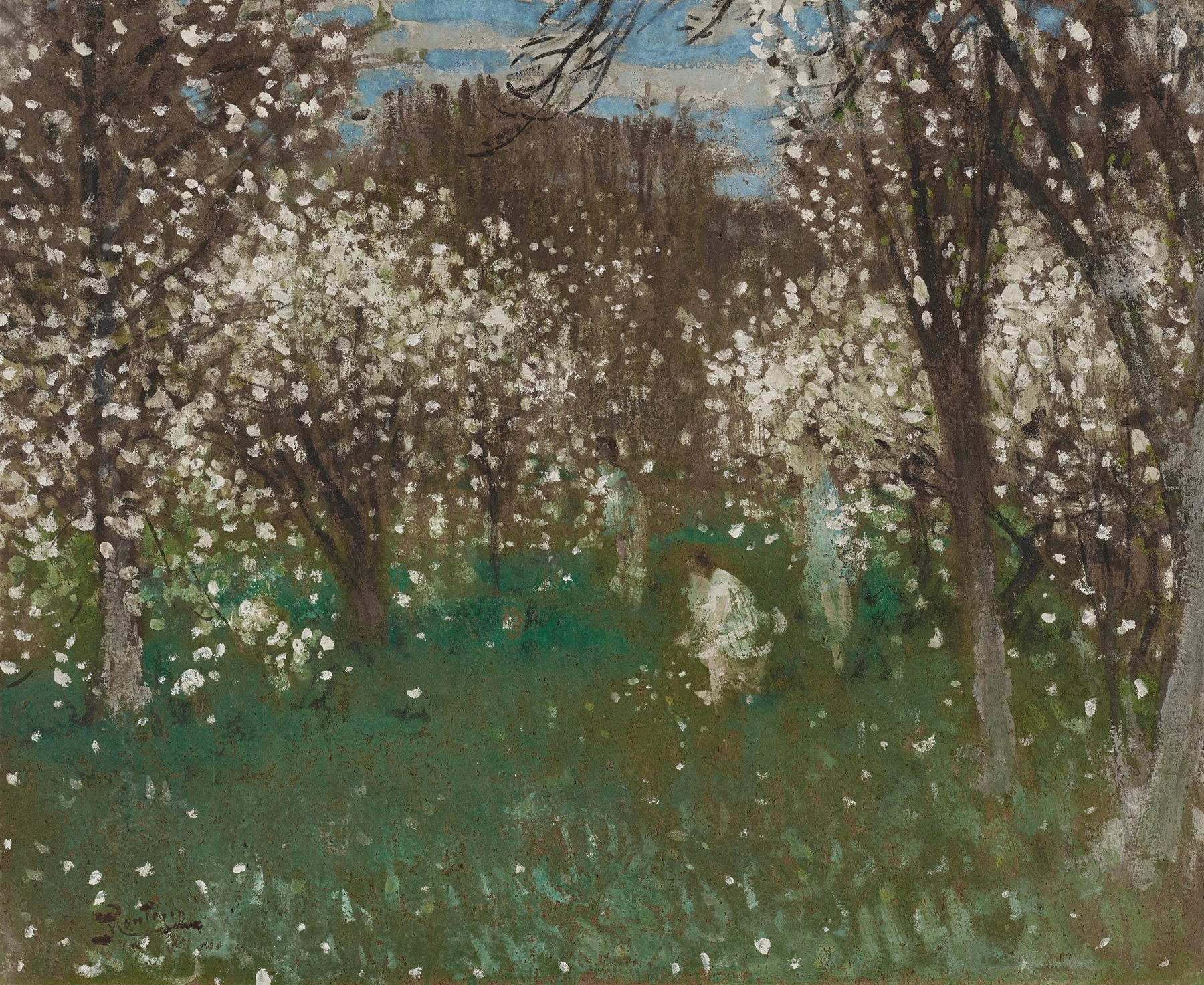
Can beauty exist without sorrow? In Au bois de Boulogne, the canvas whispers of the delicate balance between joy and melancholy, inviting contemplation of the illusions we create within nature’s embrace. Look to the foreground where gentle curves of the path guide your gaze deeper into the tranquil woods. Notice how the dappled sunlight filters through the lush canopy, casting playful patterns on the ground. The rich greens and browns blend seamlessly, while hints of warm hues reflect the fleeting presence of sunlight, enhancing the serene atmosphere.
Montézin’s brushwork, soft yet deliberate, evokes a sense of harmony and stillness, as if time itself has paused to breathe. Yet, amidst this idyllic scene, a subtle tension simmers beneath the surface. The figures, seemingly enveloped in leisure, carry an air of introspection, each absorbed in their own thoughts. The juxtaposition of the lively surroundings and their quiet demeanor invites viewers to ponder the unspoken stories behind each character.
In this intimate moment, beauty becomes an illusion, masking the complexities of life that often linger just beyond the canvas. In 1920, Montézin created Au bois de Boulogne during a period of post-war reflection in France. Though the world around him had been marked by turmoil, he found solace in the natural landscape, capturing its allure as a means of escape. The painting reflects a turn towards Impressionism, where light and color became instruments of emotional expression, showcasing the artist's evolving perspective in a changing art world.