Au Coin du Pont-aux-Doubles — History & Analysis
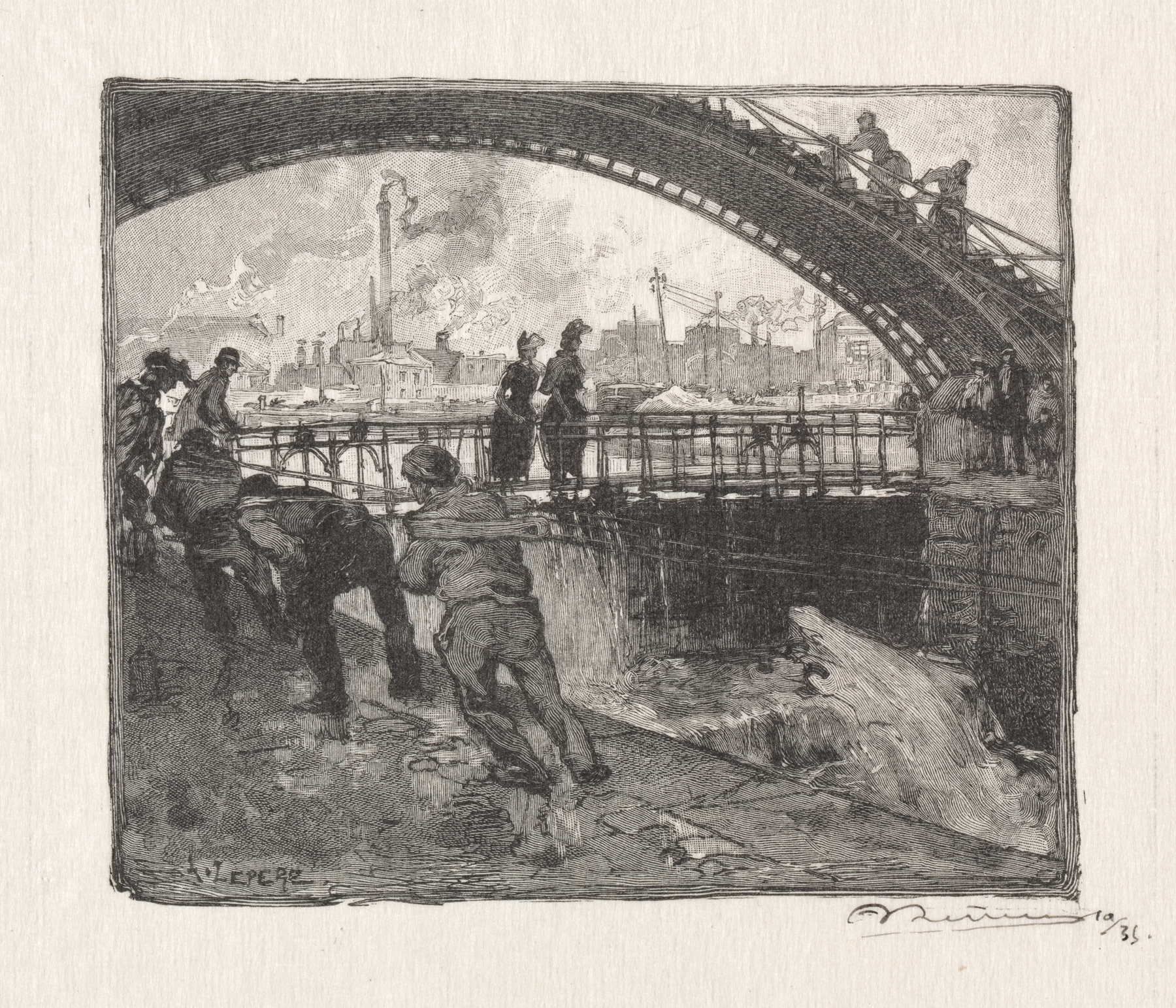
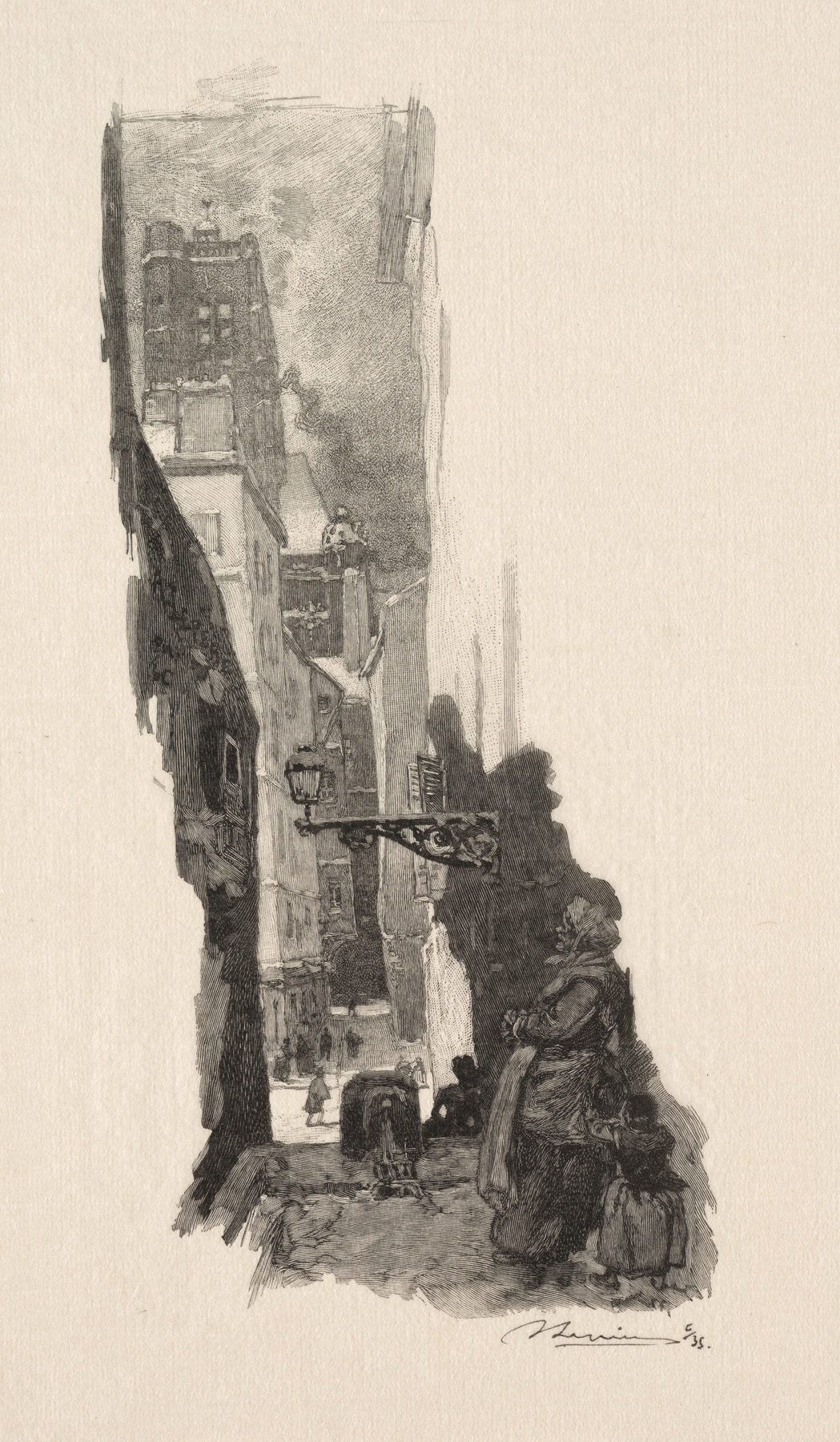
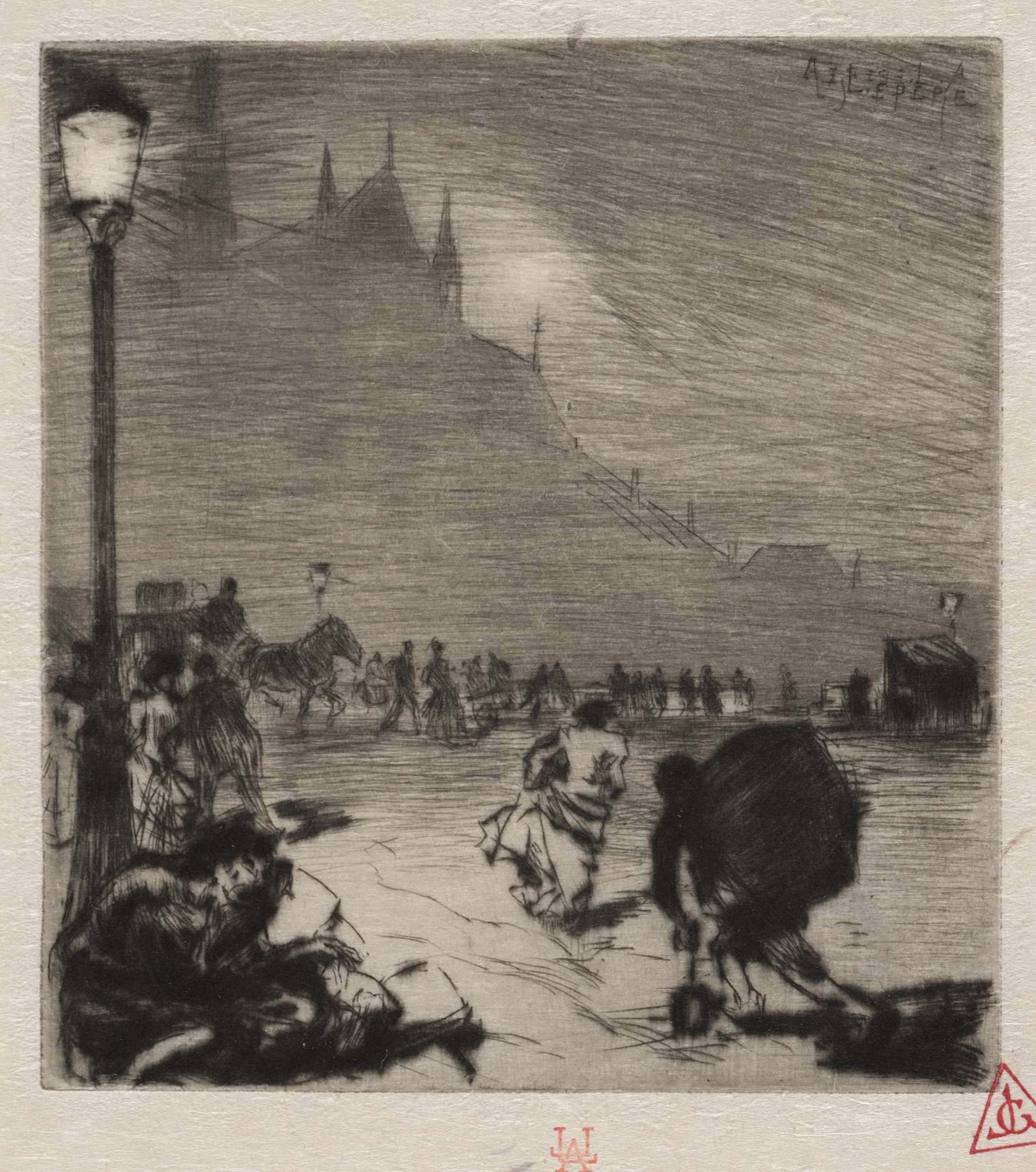
Did the painter know this moment would outlive them? The fragility of life captured in a fleeting instant, a single moment preserved on canvas, eternally whispering tales of human connection and time's relentless passage. Look to the left, where the delicate interplay of light and shadow dances across the surface of the Seine, illuminating the soft contours of the bridge. Notice how the brushstrokes, fluid yet intentional, define the architecture with an ethereal quality, evoking a sense of movement as the figures appear to merge with their surroundings. The subtle palette of muted blues and earthy tones encapsulates both the vibrancy of Parisian life and its inherent transience, drawing the viewer into a world poised delicately between stillness and motion. Yet, beneath the surface, deeper meanings emerge—the stark contrast between the bustling life above and the reflective waters below hints at the dualities of existence: permanence and impermanence, joy and sorrow. The figures, though captured in a moment of engagement, seem to float in their own reverie, suggesting a collective memory that binds them together while maintaining their individual solitude. The soft lines of the bridge create a visual metaphor for connection, inviting contemplation on the relationships that shape us, even as they slip through our fingers. In 1893, while living in Paris, *Auguste Louis Lepère* was immersed in an artistic milieu that celebrated both Impressionism and emerging Modernism. This period marked a shift in artistic expression, reflecting the rapid changes in urban life and technology. As the world around him transformed, Lepère’s focus on the ephemeral beauty of everyday moments reveals a deep sensitivity to the fragility of existence, capturing the essence of a city teetering between tradition and the unknown.