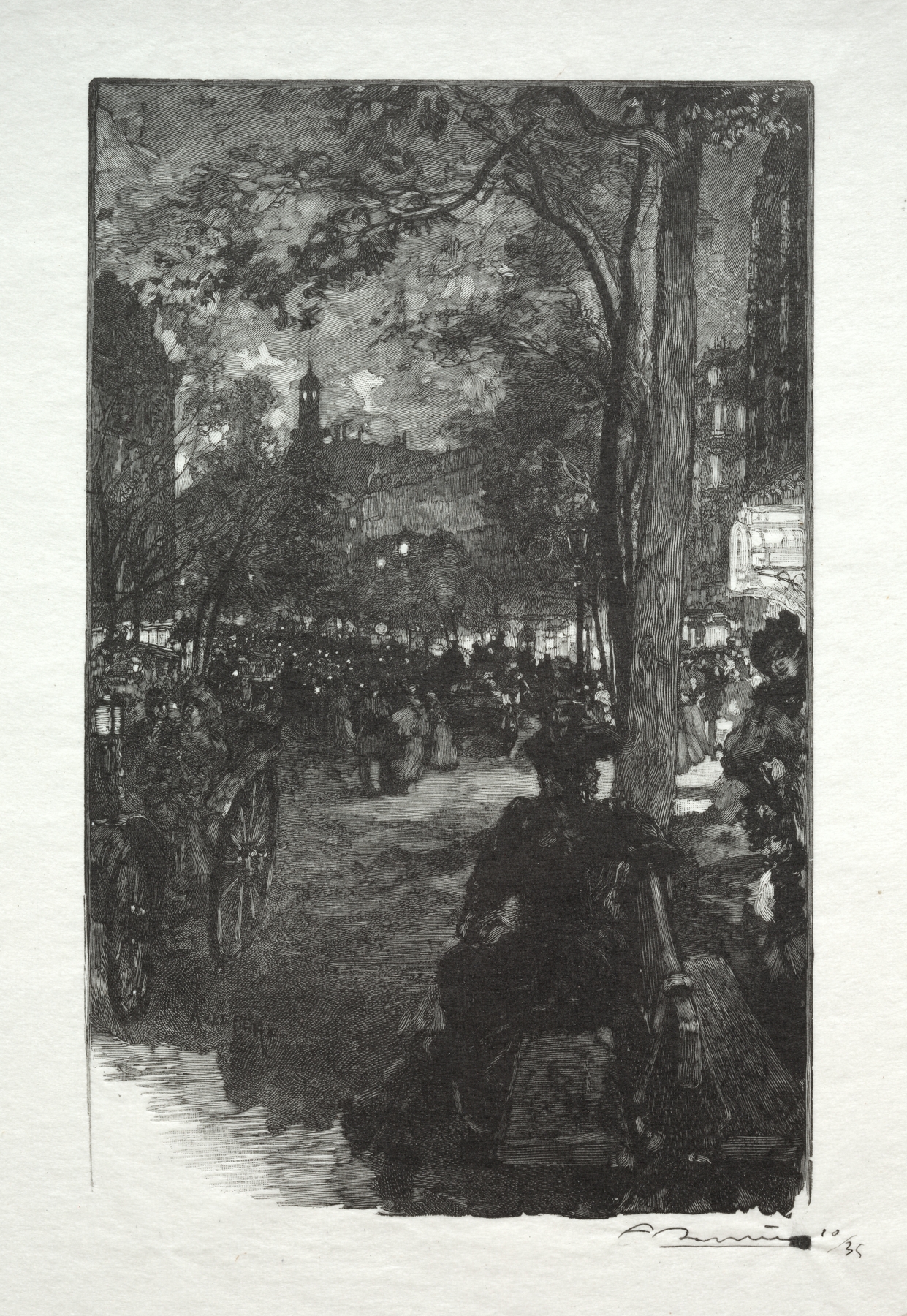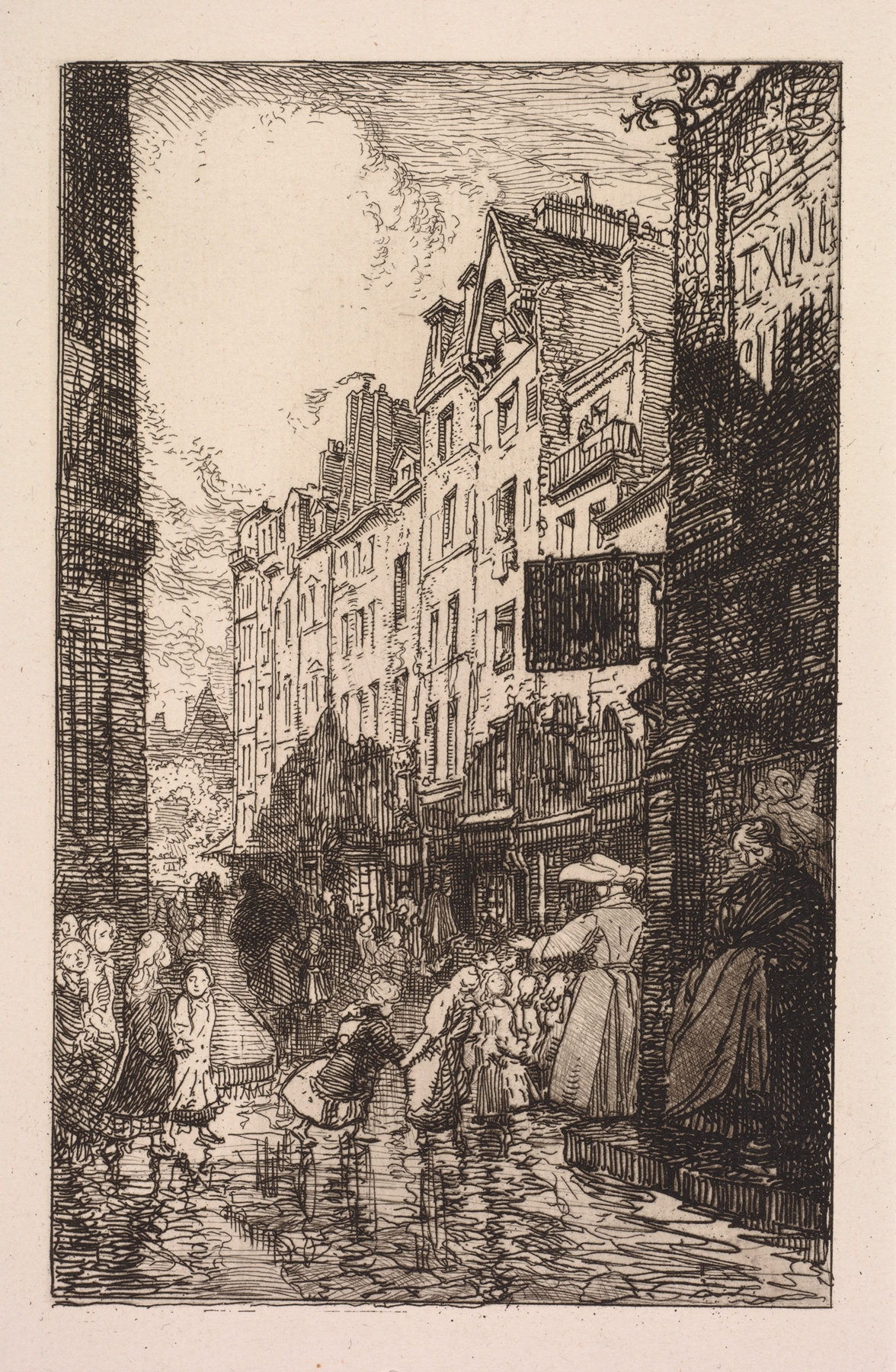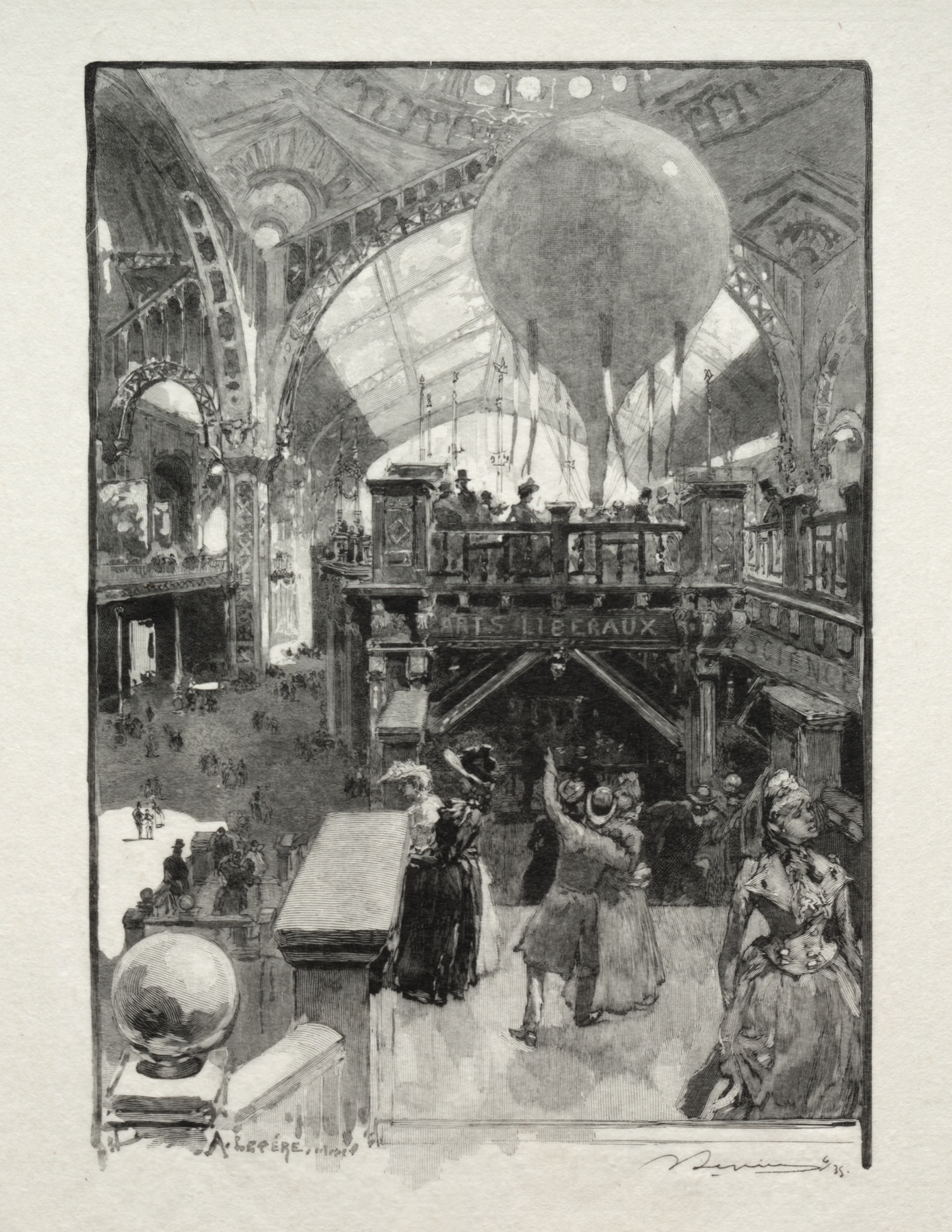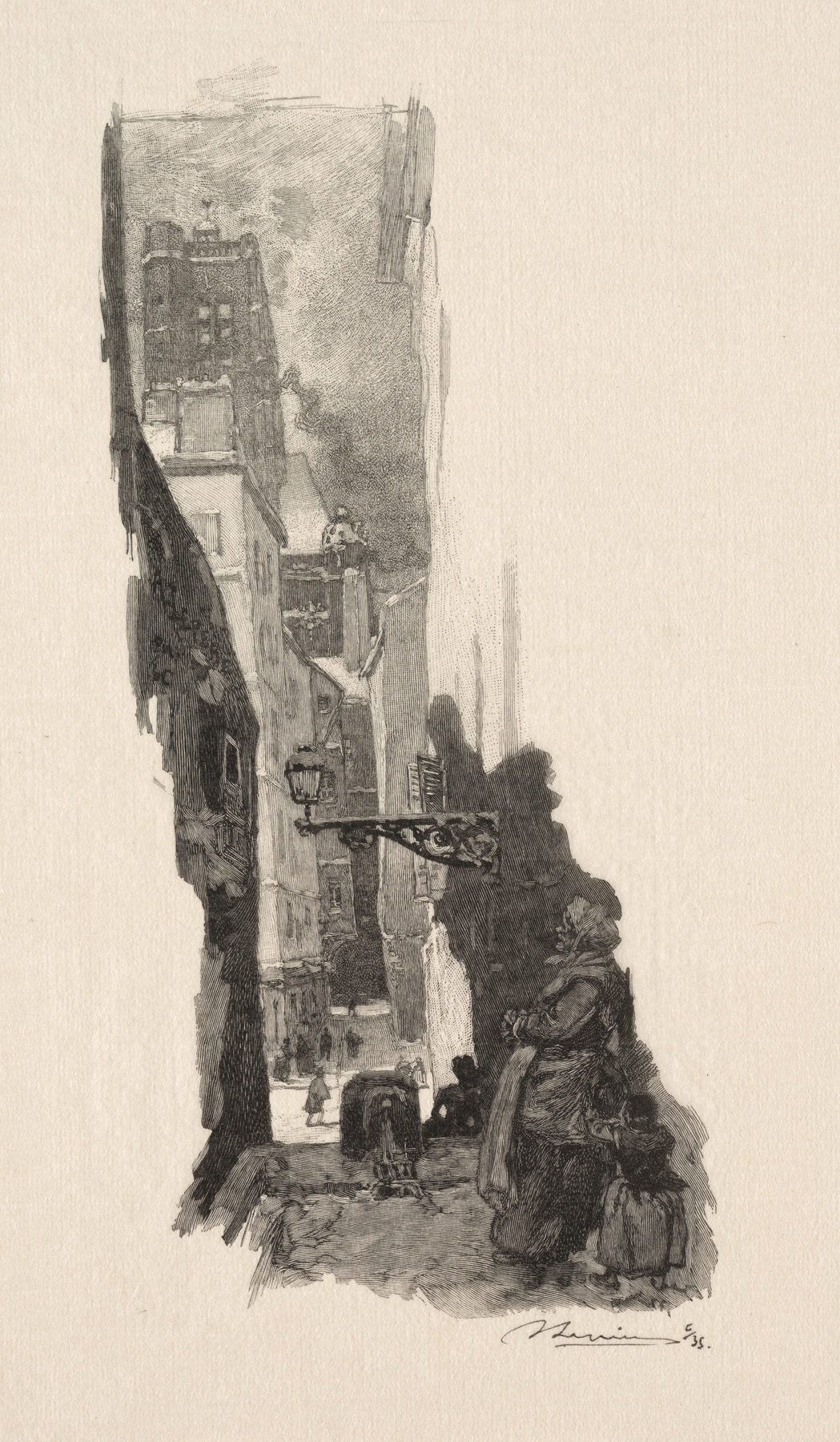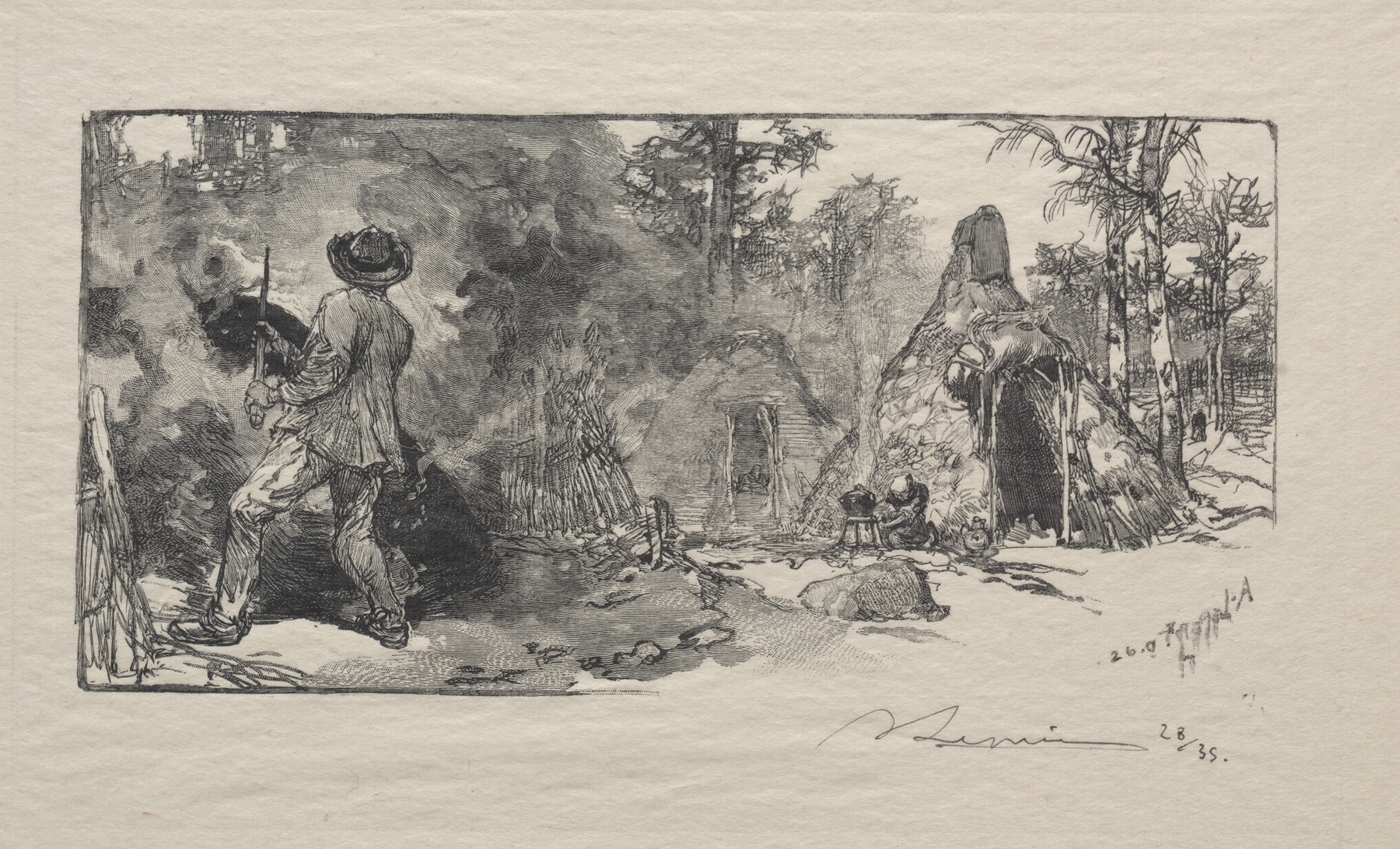
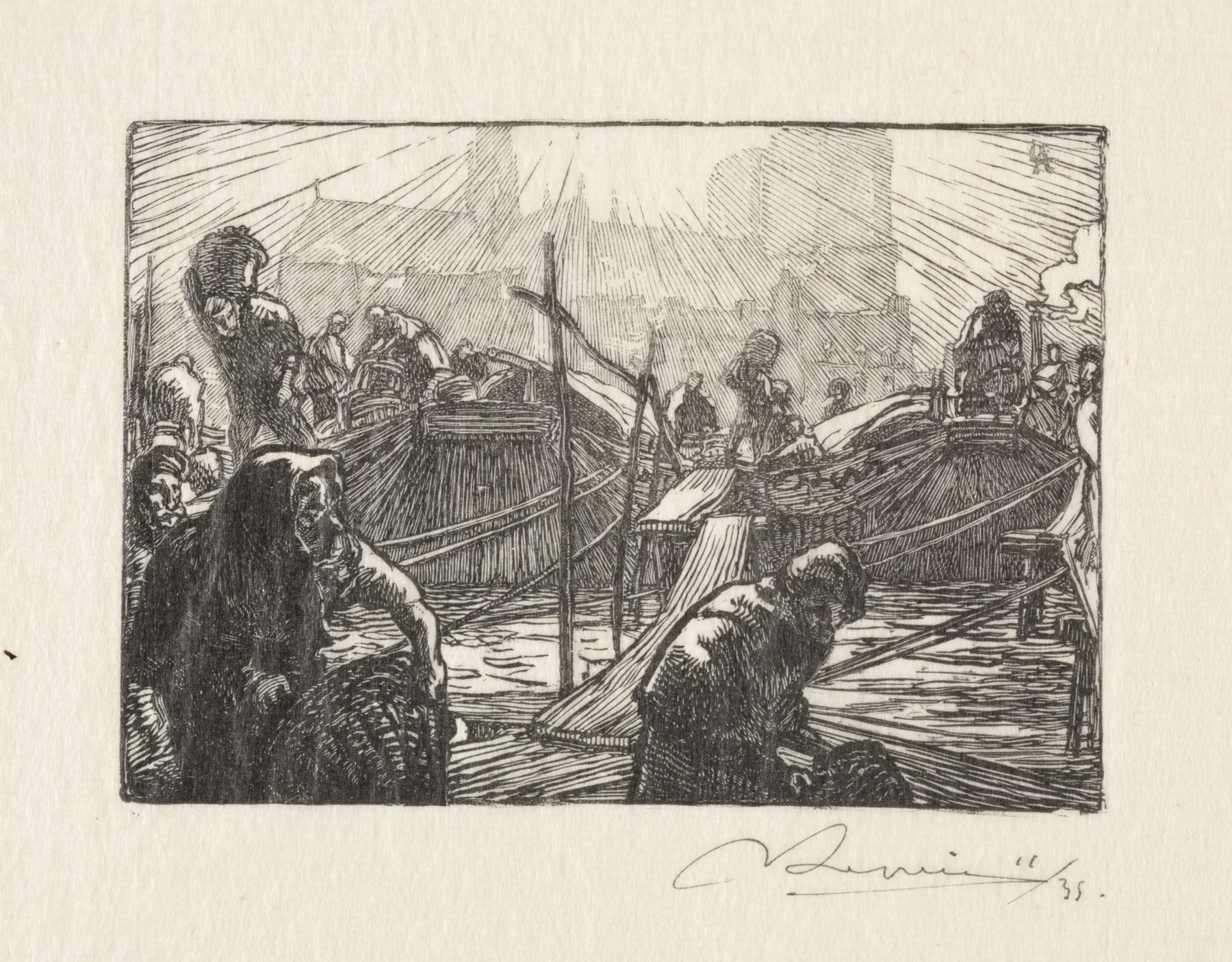
What if beauty was never meant to be finished? In the quiet embrace of twilight, a world unfolds, rich with the allure of possibility and unfulfilled desire. Look closely at the left side of the canvas, where the silhouettes of charcoal burners emerge against a gentle gradient of dusk. The deep blues blend seamlessly with muted earth tones, inviting you into a landscape that feels both familiar and profoundly intimate. Notice how the delicate strokes convey a sense of movement within the trees, while the gentle curves of the horizon draw your eye into the distance, suggesting a longing for what lies beyond. The careful balance of light and shadow adds a palpable tension, revealing the artists' intent to evoke both harmony and discomfort. Within this work, hidden emotional threads weave through the imagery. The charcoal burners, engaged in their labor, symbolize the struggle between nature and industry, a poignant reminder of humanity's dependence on the earth even as it transforms. Their presence reinforces a sense of nostalgia, hinting at a vanishing way of life. The overarching stillness of the scene is punctuated by the unspoken ambition of the figures, igniting a longing for connection and a deeper sense of purpose — a yearning that resonates through the ages. In 1887, when this piece was created, Lepère was immersed in the artistic movements of his time, particularly within the realms of Impressionism and post-Impressionism. Living in France, he was influenced by the changing landscapes of both the natural world and the burgeoning industrial age. This period saw artists exploring new techniques to capture fleeting moments, and Lepère, with his affinity for capturing the quiet beauty of everyday life, was establishing his own voice in a rapidly evolving art scene.