Notre Dame vue du Marché aux pommes — History & Analysis
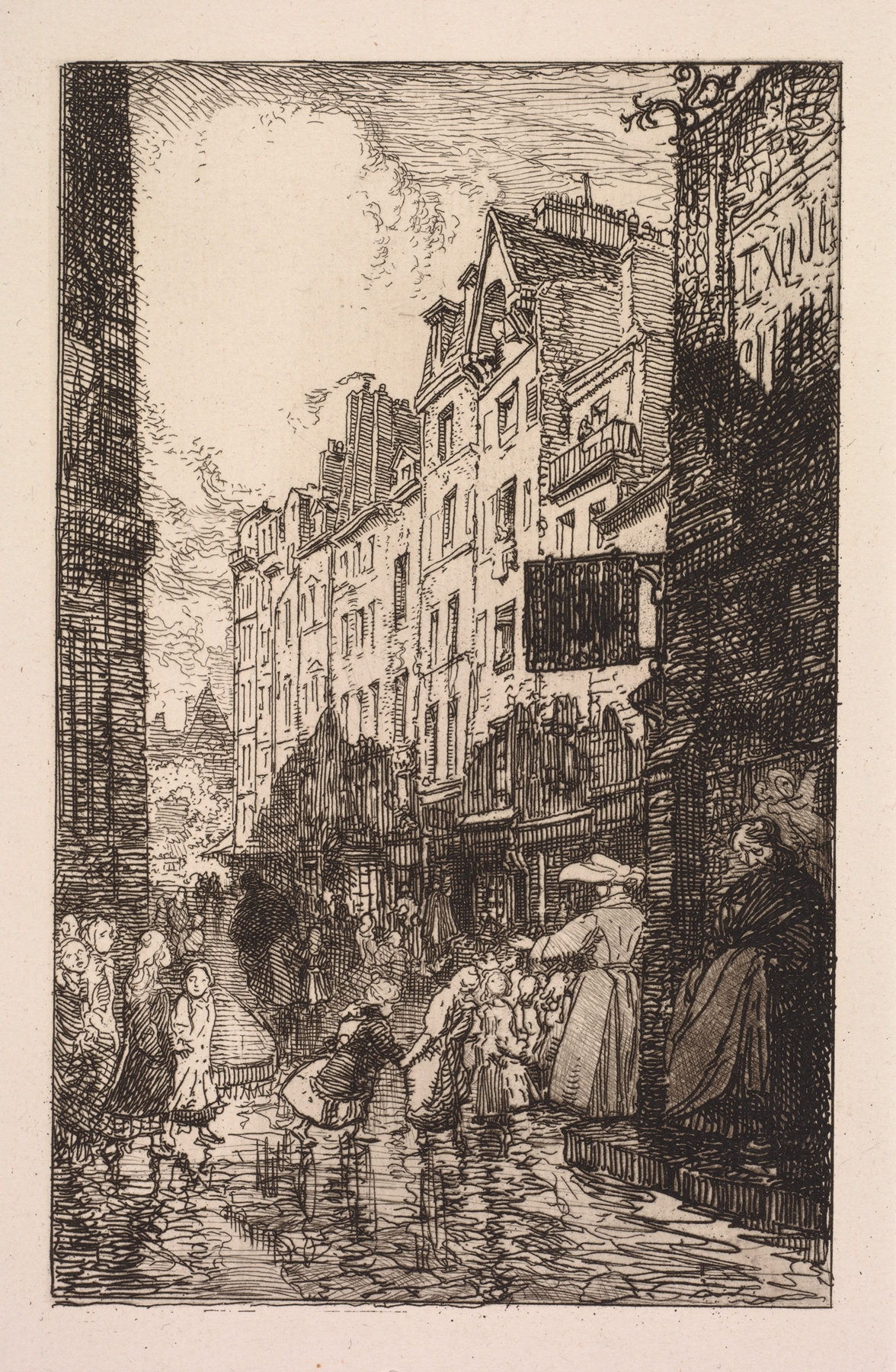
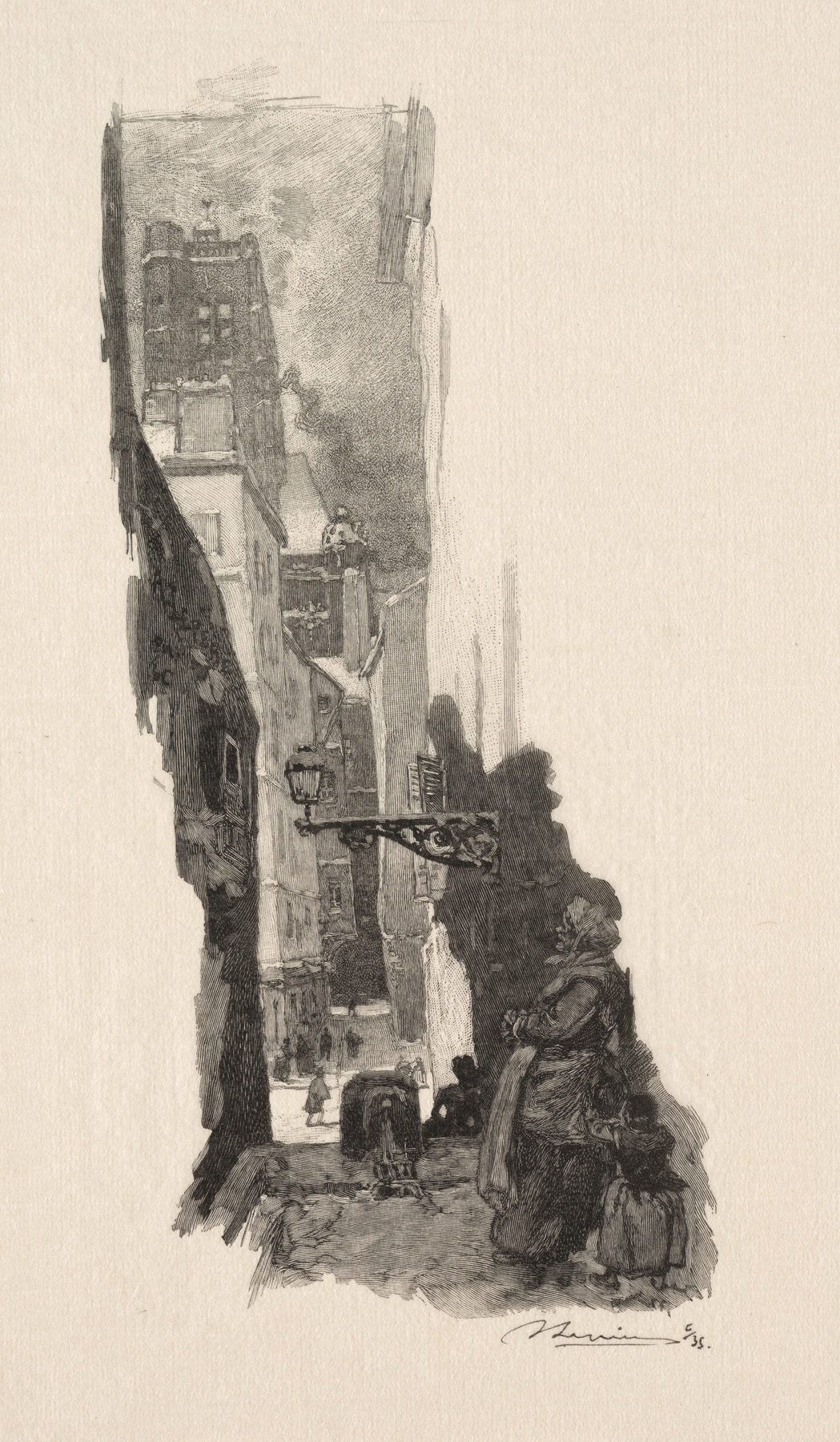
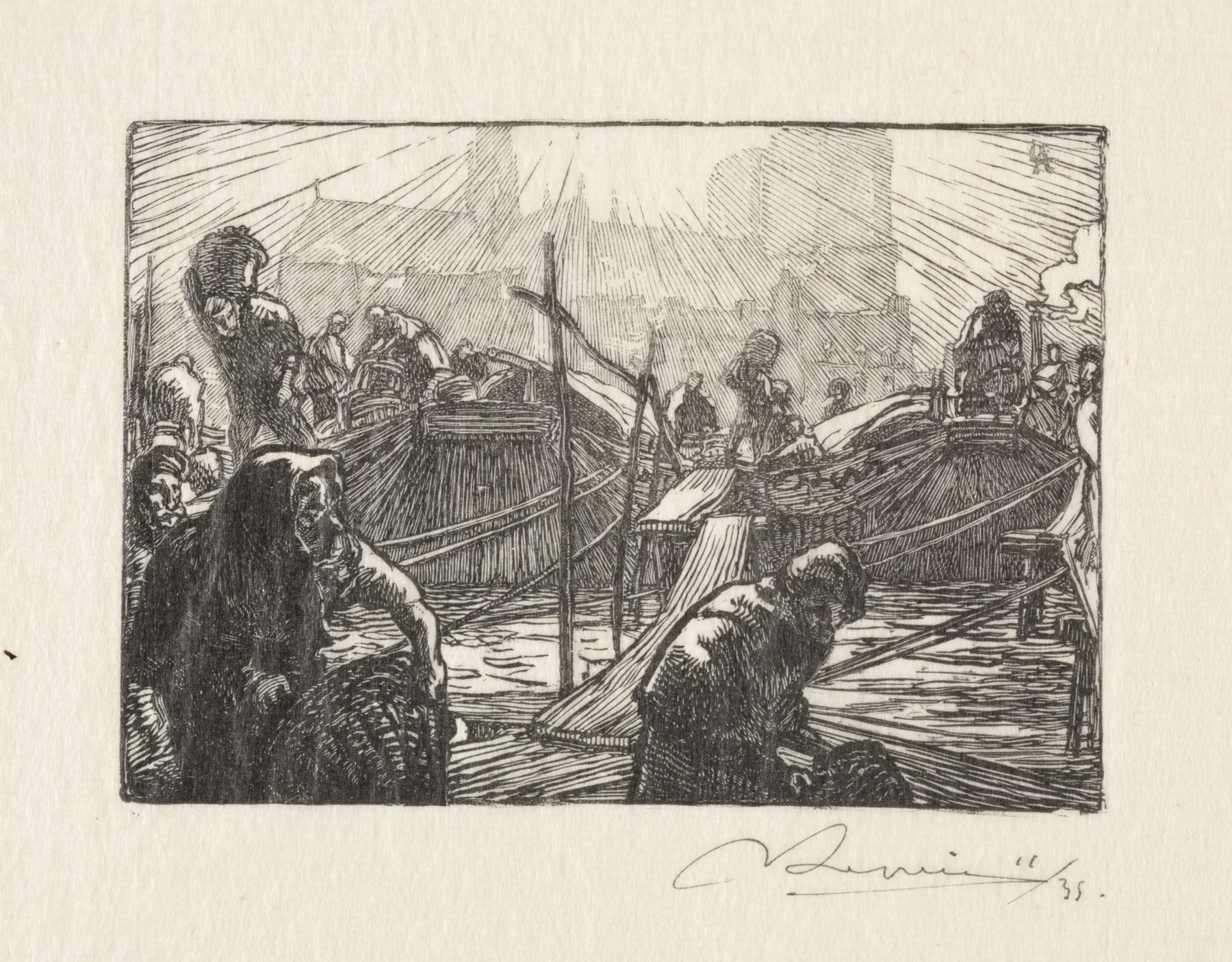
Can beauty exist without sorrow? In *Notre Dame vue du Marché aux pommes*, the delicate interplay of light and shadow reveals a love letter to obsession — one that intertwines the ethereal beauty of a beloved monument with the everyday lives that orbit around it. Look to the left at the bustling market, where clusters of figures navigate their routine beneath the looming presence of the cathedral. The rich ochres and warm reds create a vibrant tapestry, drawing the eye toward the expansive façade of Notre Dame, elegantly rendered in muted tones that contrast with the lively scene below. Notice how the artist employs soft brushwork to evoke a sense of fleeting time, inviting viewers to feel immersed in both the charm of the marketplace and the solemnity of the sacred structure. Amidst the vibrancy lies an underlying tension — the marketplace, filled with life, suggests human connection and joy, yet it is overshadowed by the steadfast presence of the cathedral, which represents both faith and the passage of time. The juxtaposition of the lively figures and the stillness of the stone edifice speaks to the obsession with beauty that can exist alongside the inevitability of loss. Each detail, from the fruit-laden stalls to the distant heavens above, whispers of fleeting moments captured against the backdrop of permanence. In 1897, as Lepère painted this scene in Paris, he was heavily influenced by the Impressionist movement, which was transforming the landscape of French art. The world was ripe with changes, and the artist was keenly aware of both the vibrancy of daily life and the deeper emotional currents that flow beneath such surfaces. This work embodies his commitment to capturing the essence of fleeting beauty while confronting the inevitable shadows cast by time.