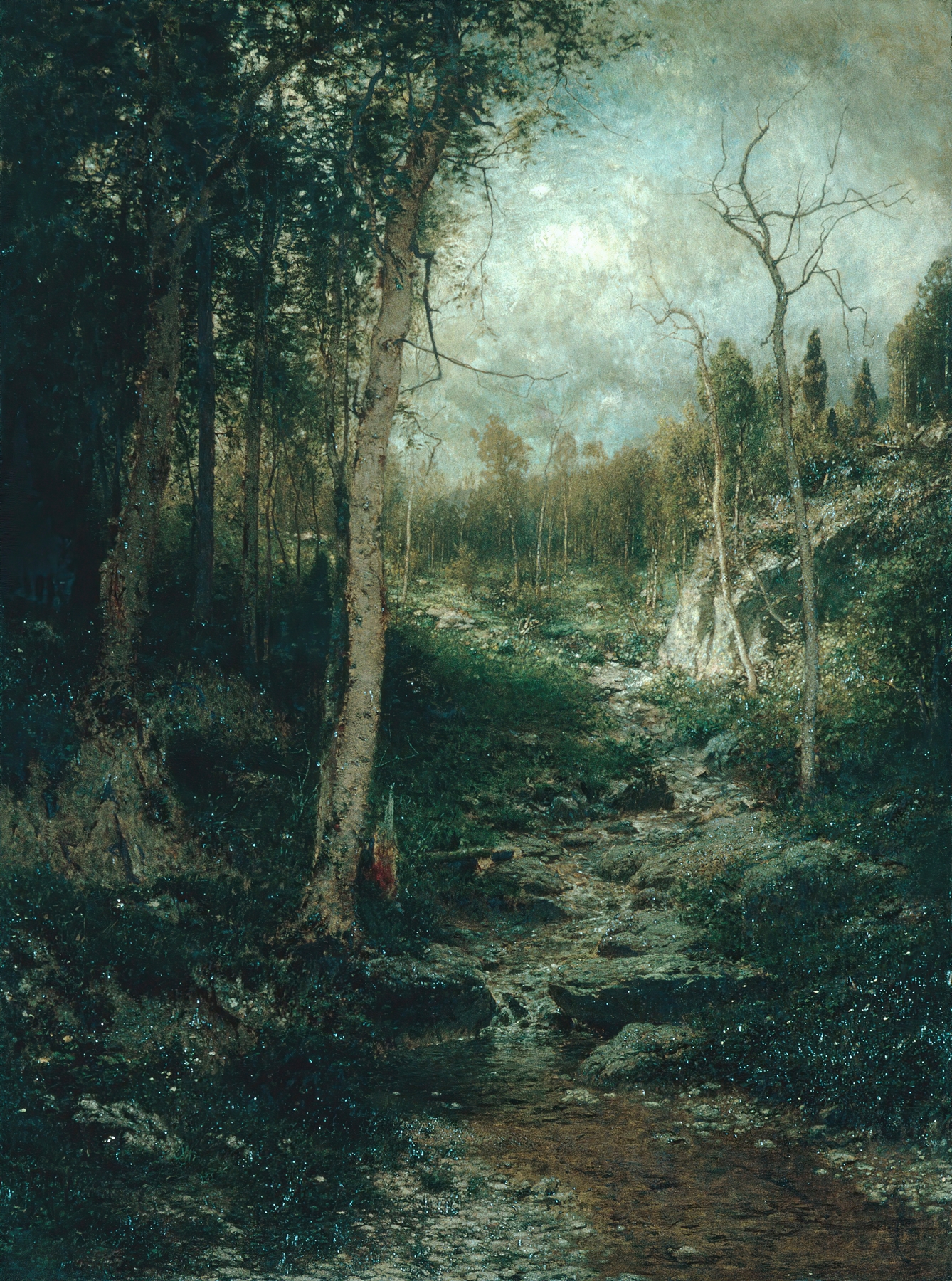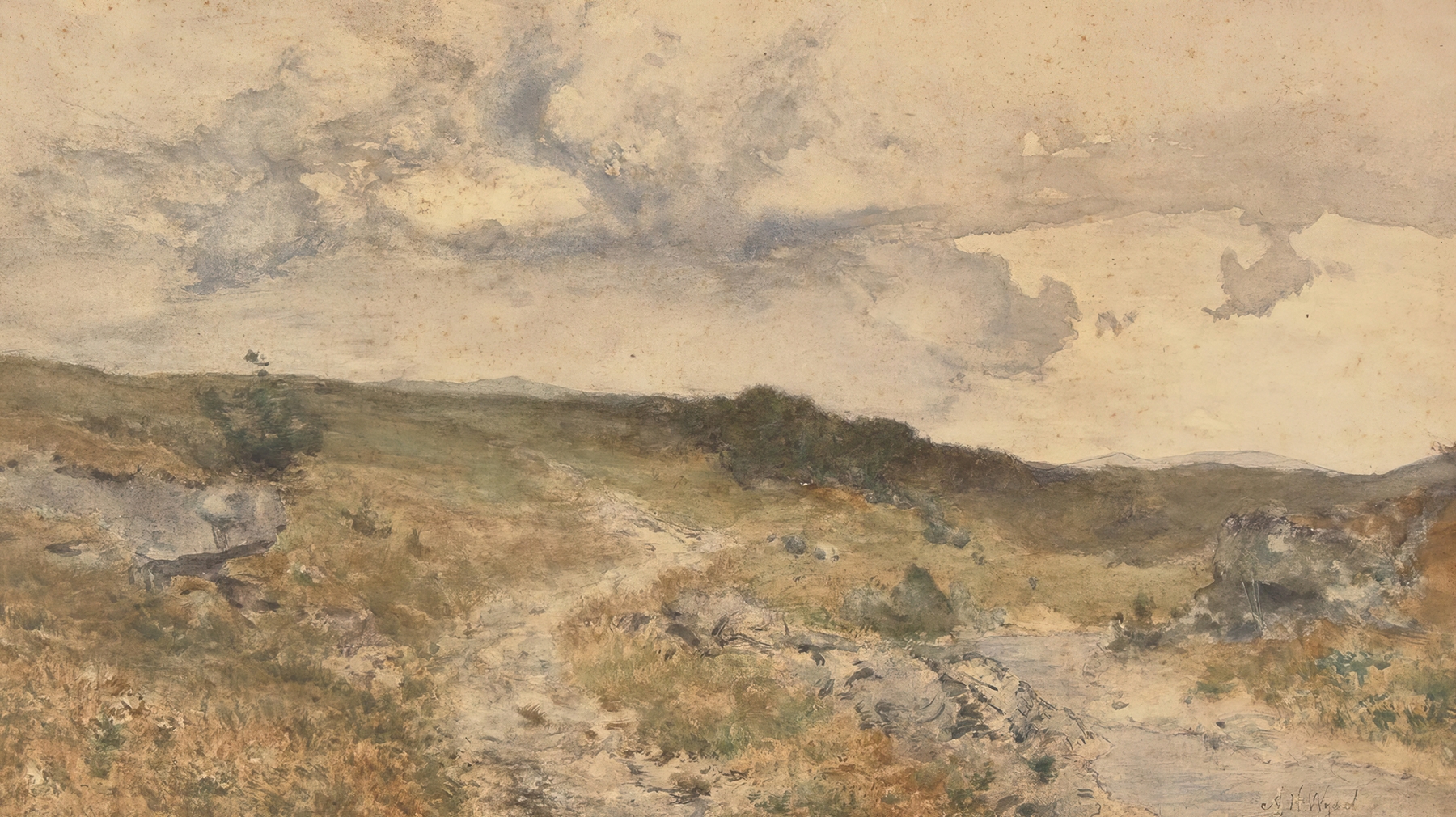
Landscape — History & Analysis
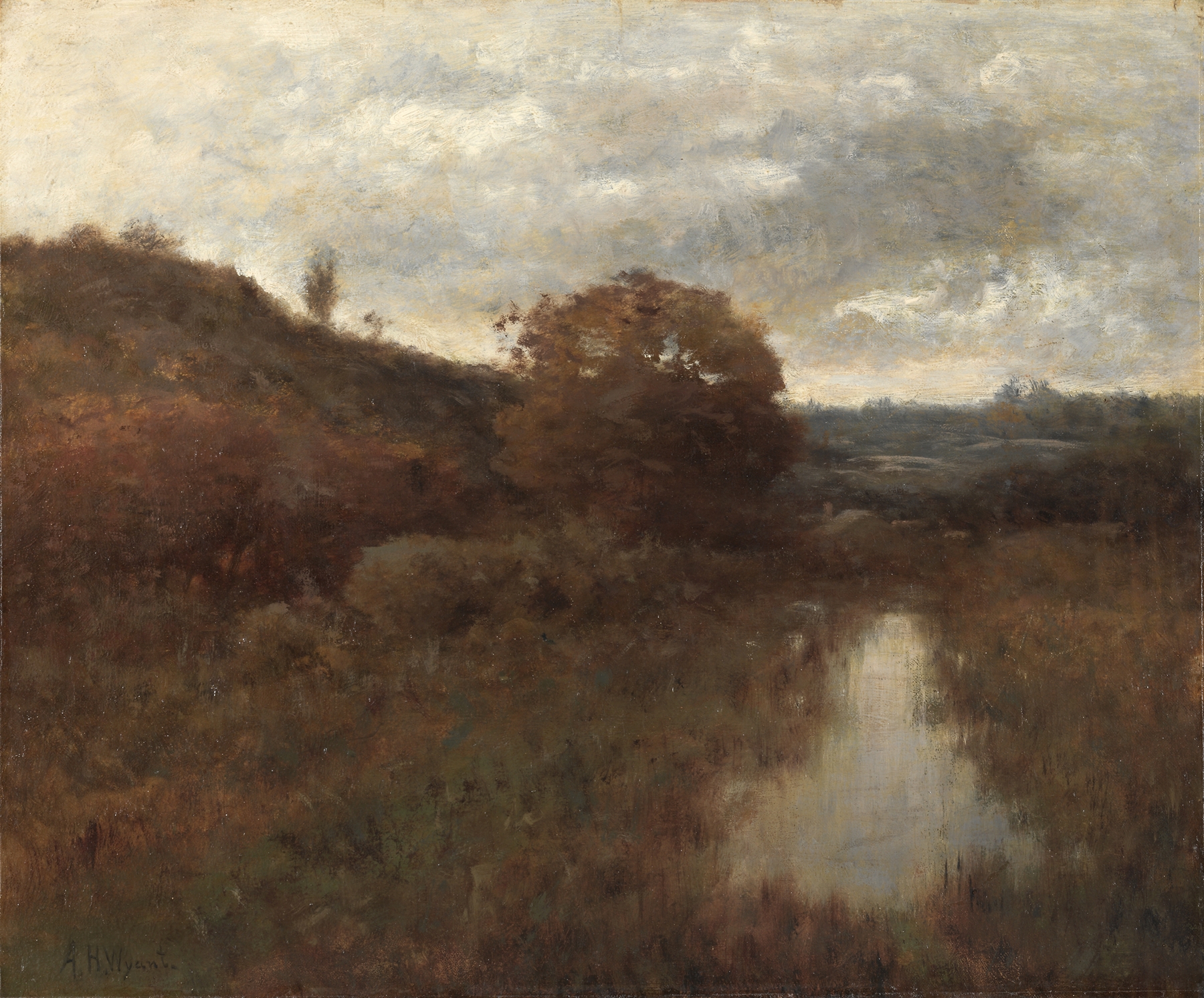
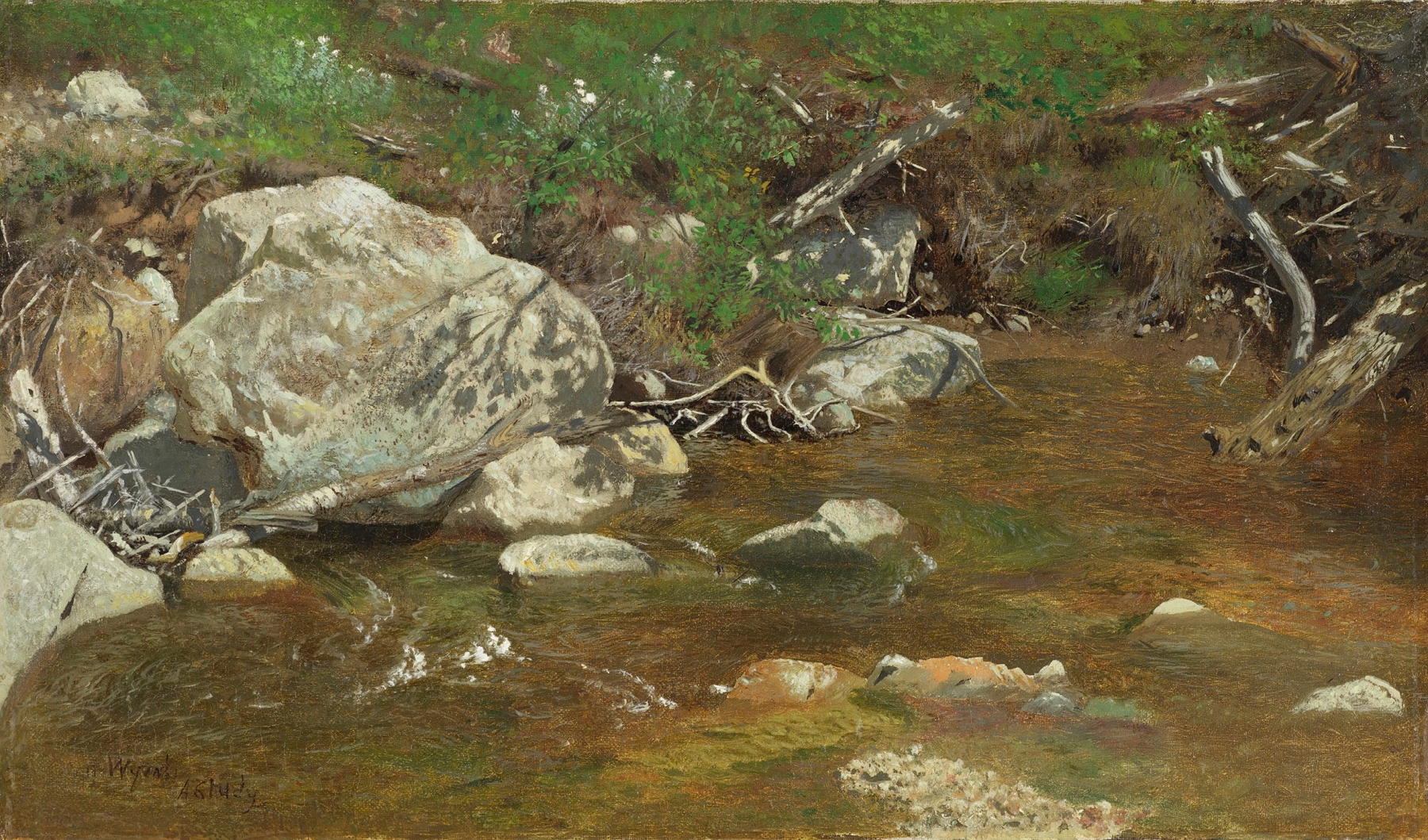
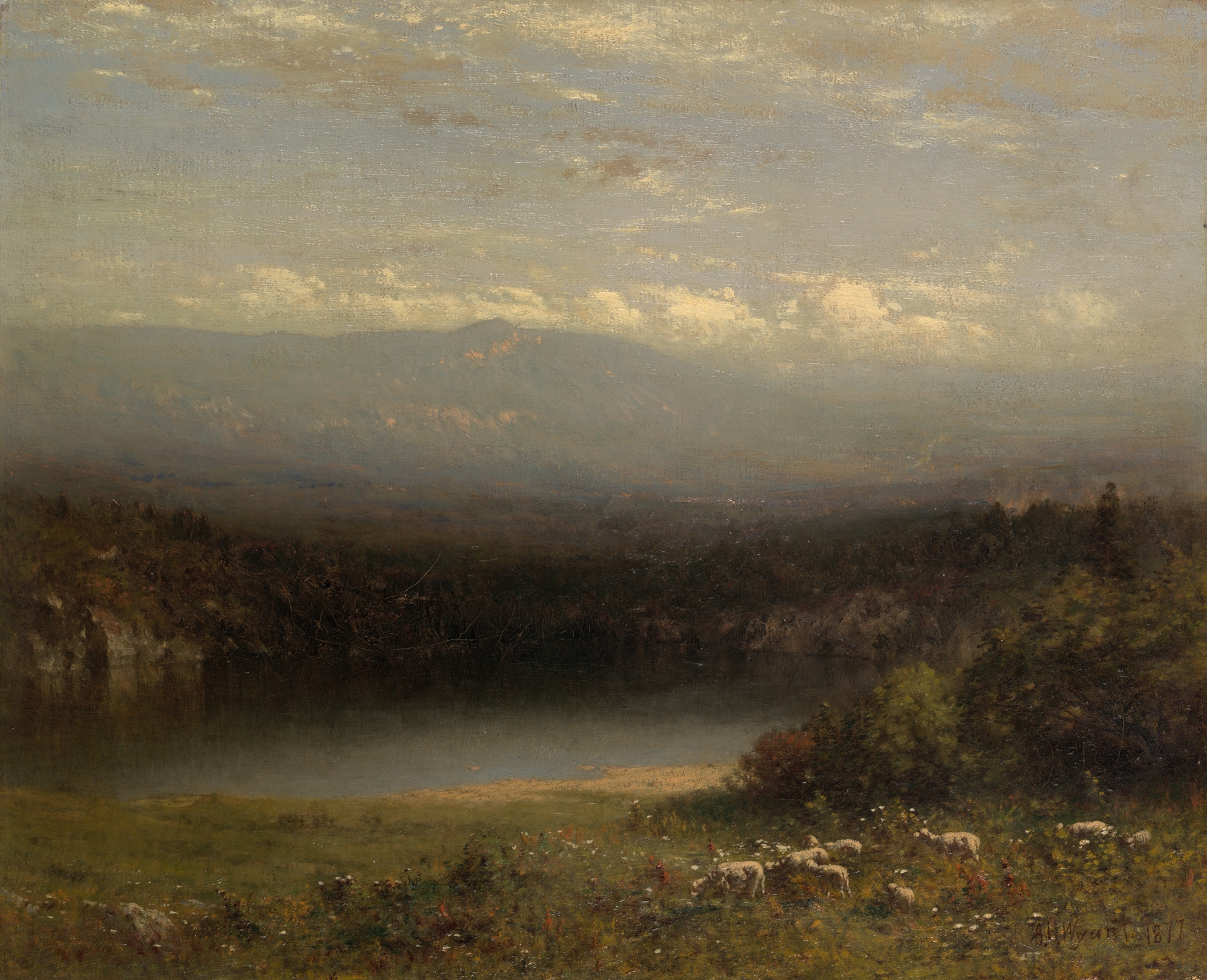
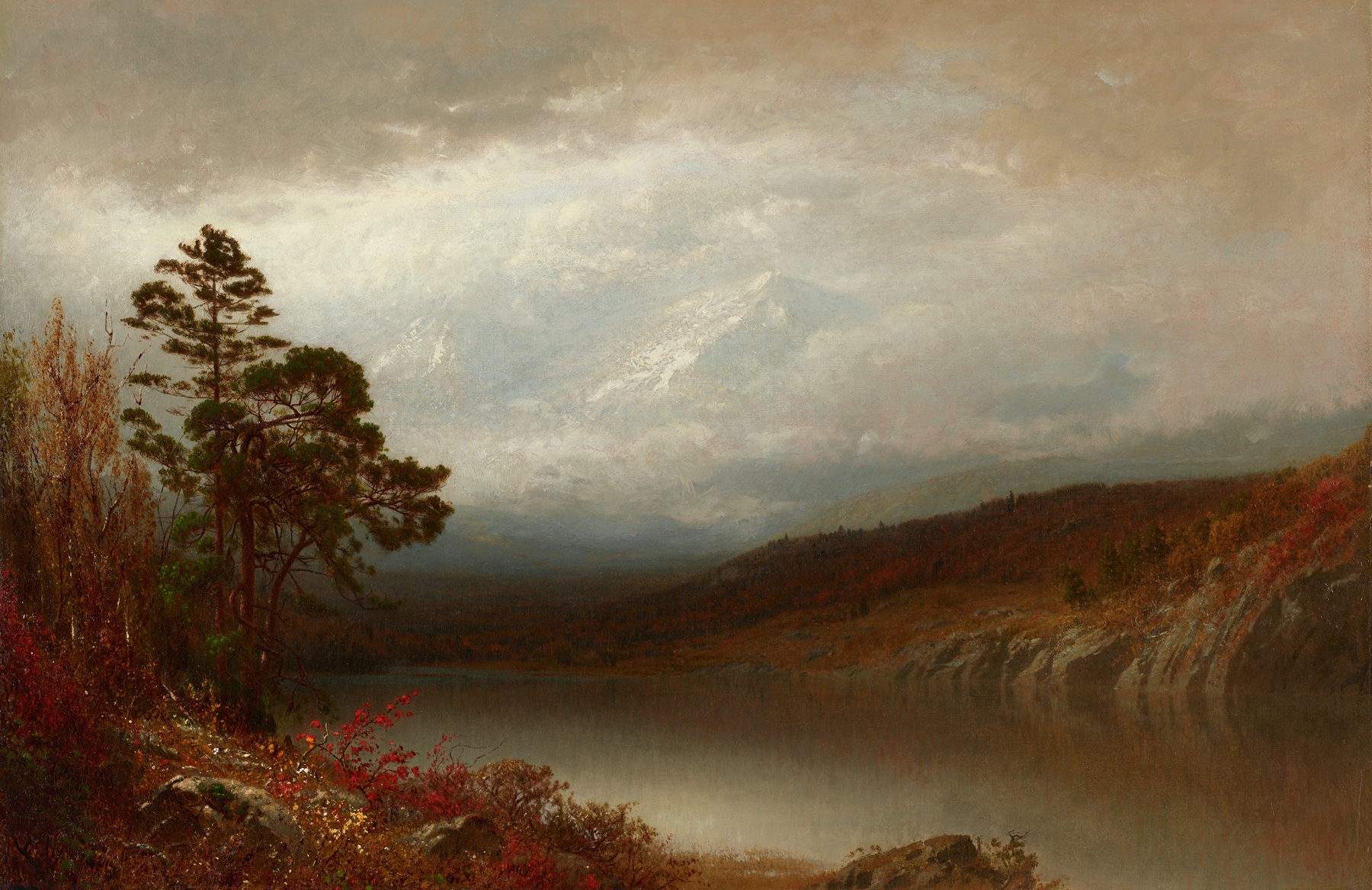
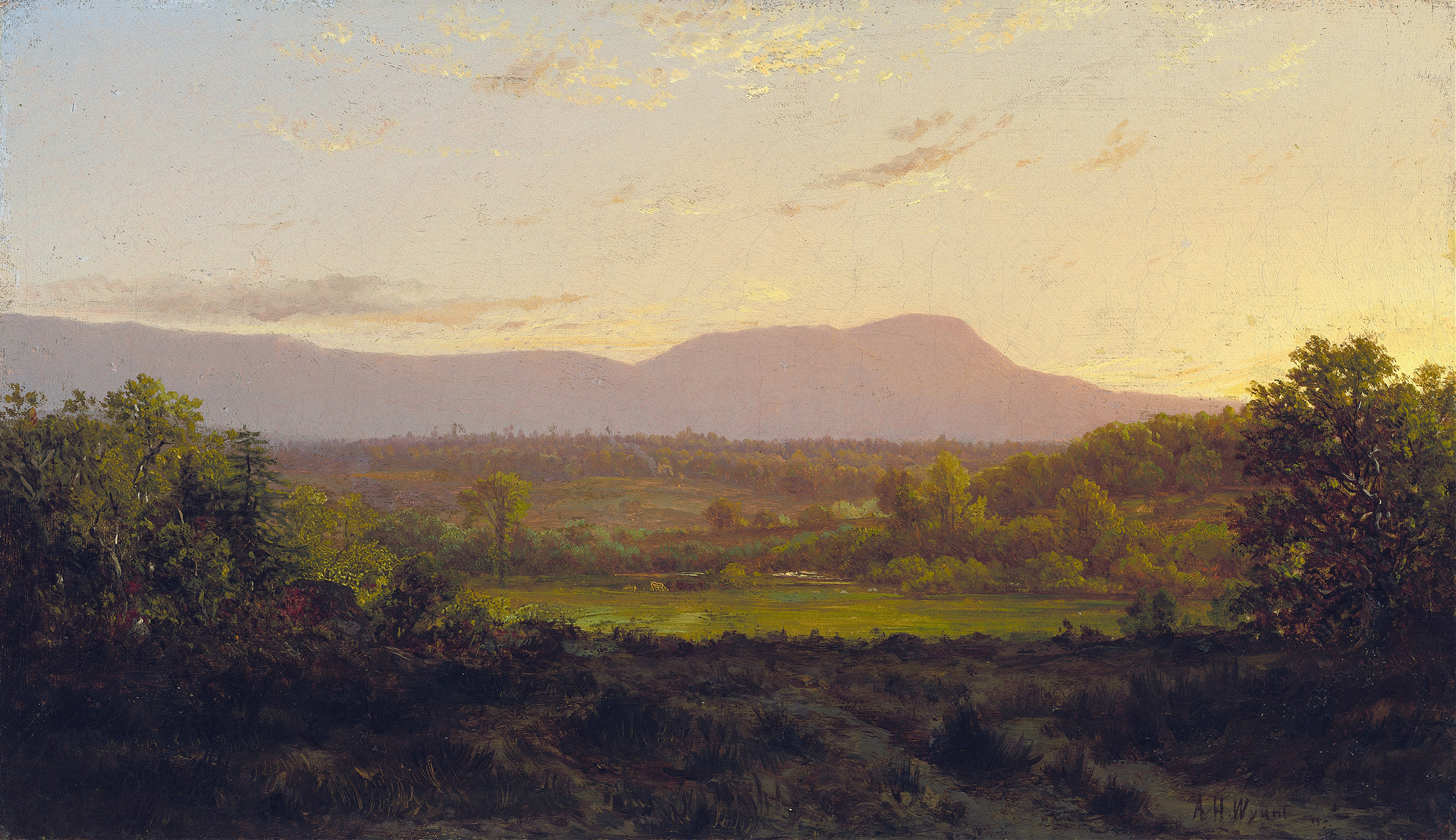
Can beauty exist without sorrow? In the tender embrace of nature, this question lingers, inviting reflection within the heart of every viewer. Look first to the horizon, where soft blues and greens merge seamlessly, creating an ethereal sense of tranquility. The artist’s brushstrokes blend harmoniously, capturing a moment where the sky's gentle palette dances with the earthy tones of the land below.
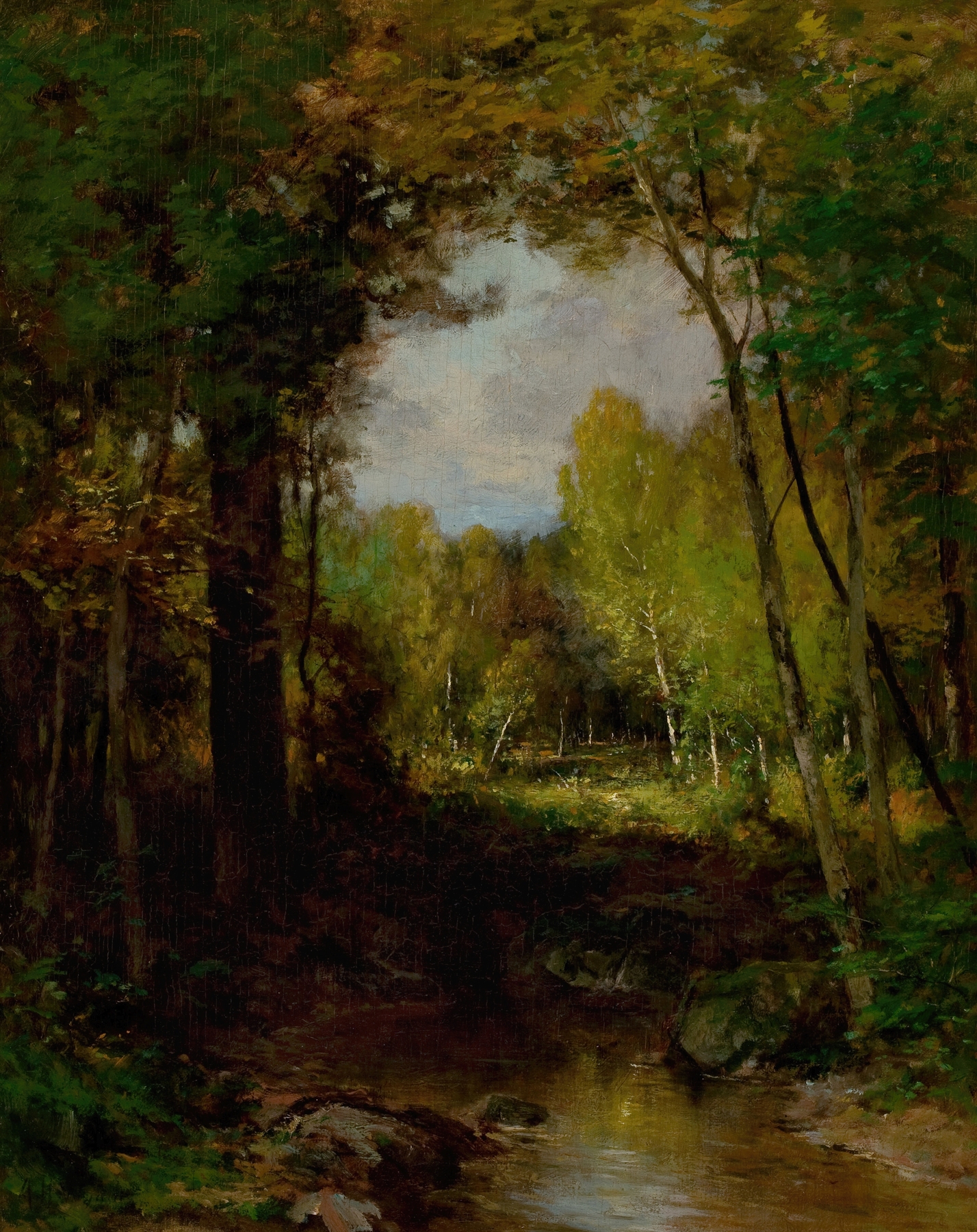
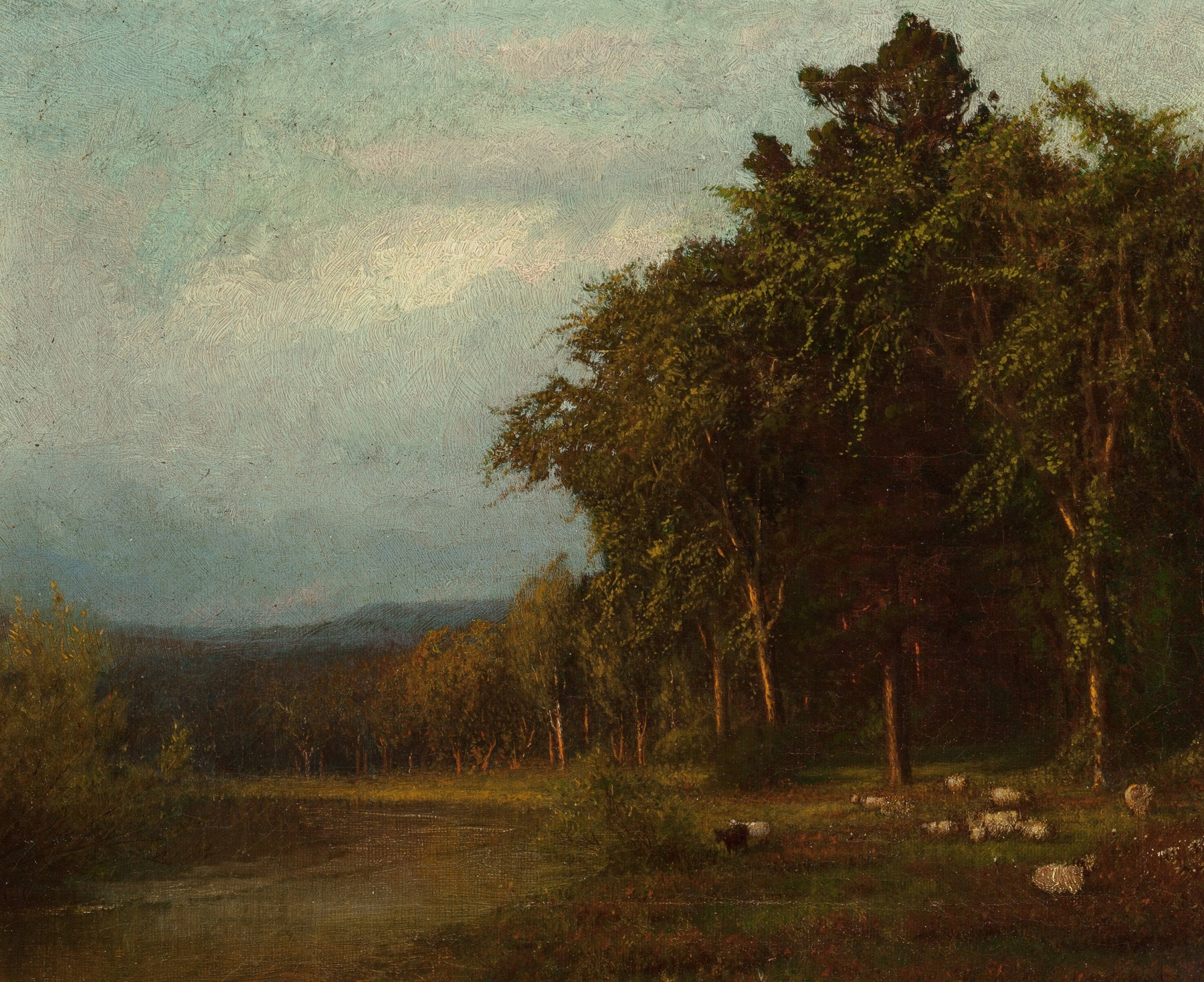
Notice how the play of light filters through the trees, casting dappled shadows that breathe life into the scene, while the delicate clouds hint at an approaching dusk, suggesting both beauty and the bittersweet passage of time. In this landscape, contrasts reveal deeper truths; the serene lake mirrors the sky, yet hints at the inevitable changes that come with each passing day. Small details, like the solitary figure near the water’s edge, evoke a sense of solitude, reflecting the human experience of isolation amid nature’s grandeur. The composition speaks to the interplay of hope and melancholy, leaving viewers to ponder what lies beyond the painted horizon.
Created during an era when American landscape painting was evolving, the artist found inspiration in the beauty of the natural world around him. Working in the late 19th century, he was part of a movement that sought to capture the sublime qualities of nature, responding to the tumult of industrialization with scenes that offered solace and reflection. This period marked a significant transition, where artists embraced the emotional resonance of landscapes, setting the stage for future explorations of nature's complexities.