Bateaux au Port de Diélette, Normandie — History & Analysis
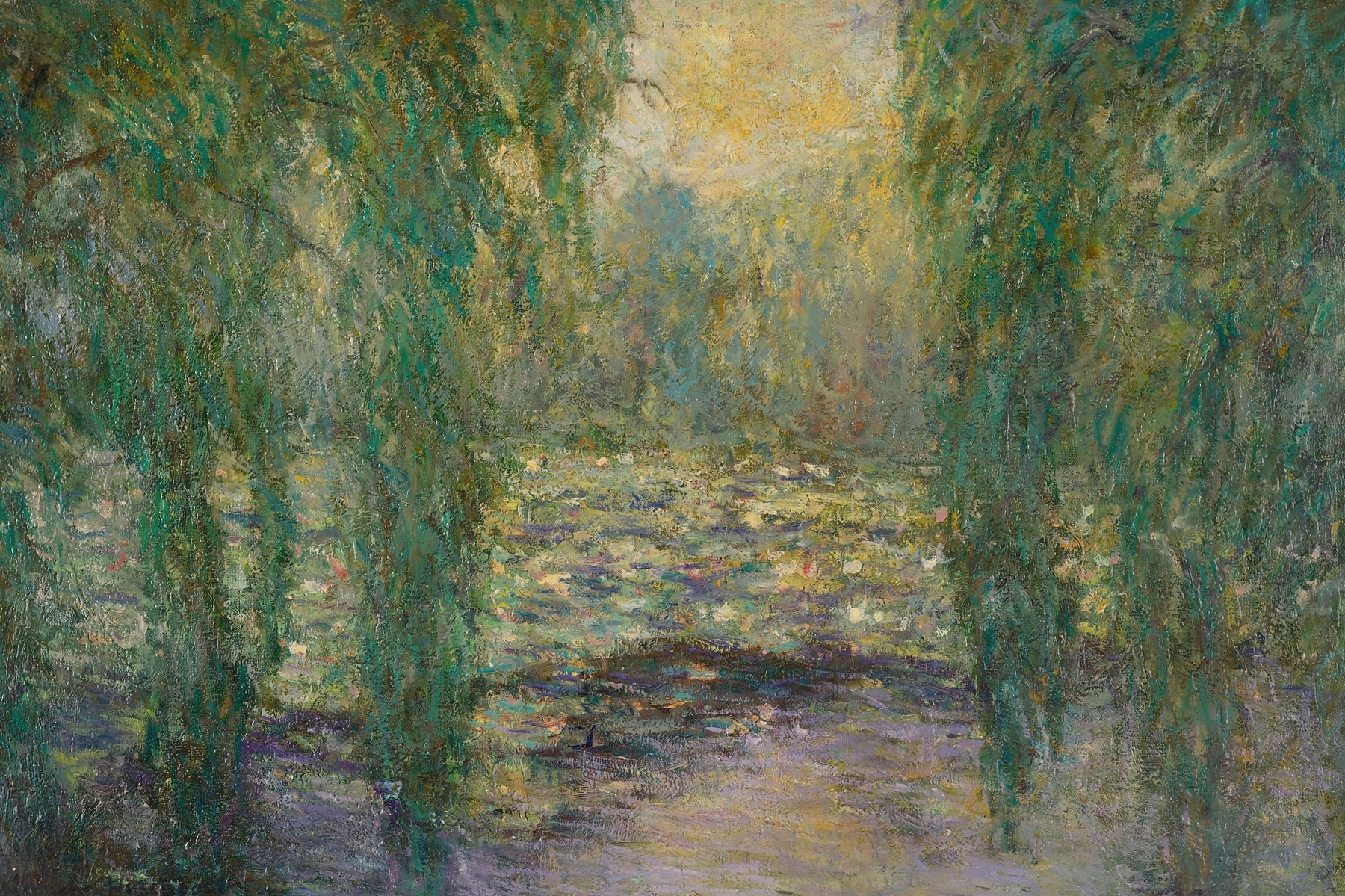
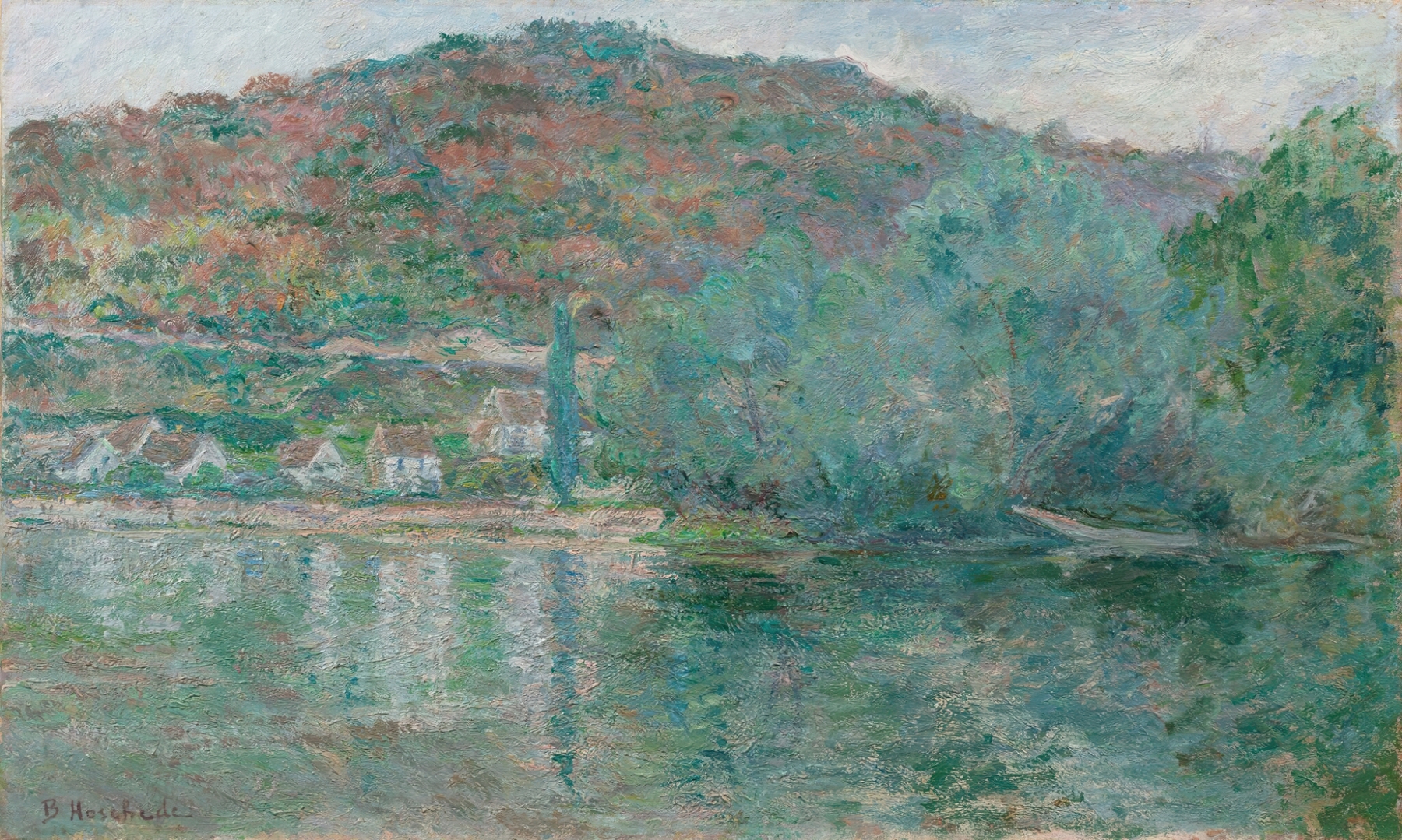
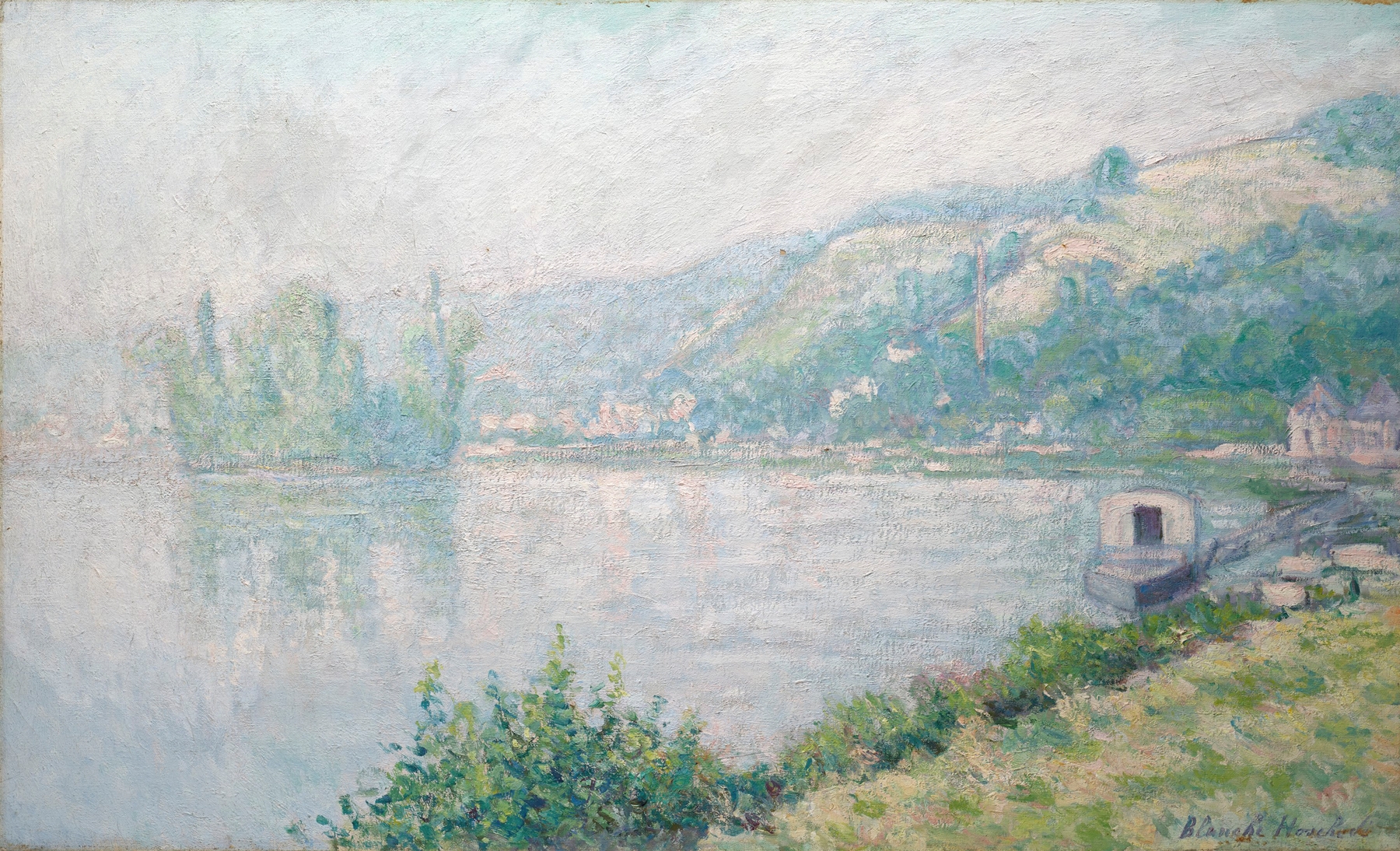
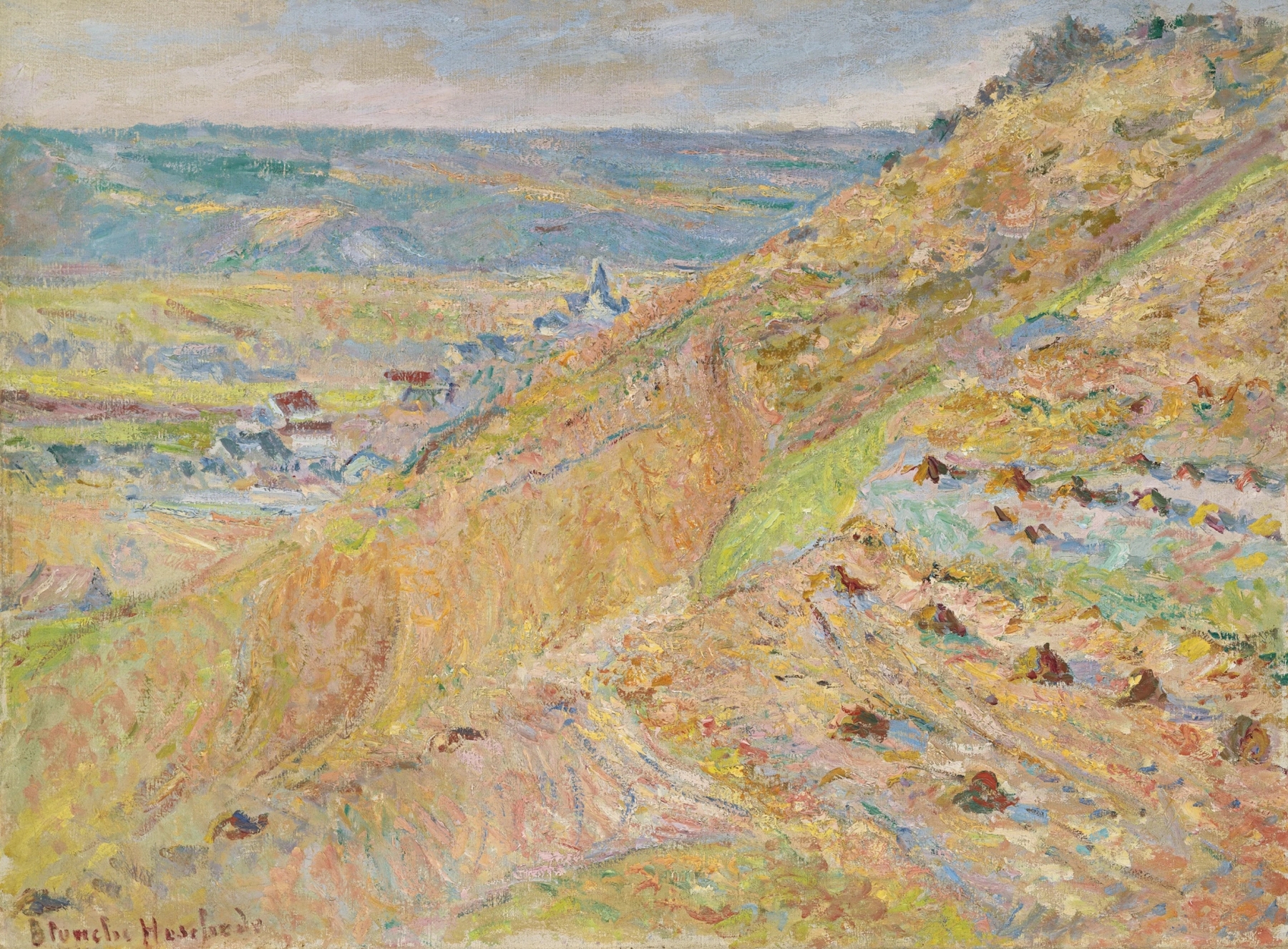
Could a single brushstroke hold eternity? Within Bateaux au Port de Diélette, Normandie, the essence of longing is captured in a dance of colors, where the desire for tranquility meets the rhythmic pulse of the sea. Look to the left at the gentle sway of the boats, their sails unfurled, as if poised to glide away from the harbor. Notice how the colors blend seamlessly—soft blues and whites embrace the warm taupes and ochres of the shore, while dappled sunlight flitters across the canvas, creating a shimmering effect that invites the viewer to linger. The composition draws the eye toward the horizon, where water meets sky, evoking a sense of boundless possibility.
The interplay of light and shadow suggests more than just a picturesque scene; it reveals an emotional undercurrent. Each boat, tethered yet yearning, embodies the tension between stability and the desire for freedom. The delicate brushwork reflects fleeting moments of introspection, hinting at the artist's personal longing for connection with nature and the past. There’s a palpable silence here, as if the canvas breathes with the unsaid thoughts of the artist.
Blanche Hoschedé-Monet painted this work in 1938, during a pivotal time in her life. As a member of the Impressionist movement, she navigated the shadow of her father-in-law, Claude Monet, while forging her own identity. The art world was in flux, with traditional techniques giving way to modernism. Living in the Normandy region, she immersed herself in its landscapes, capturing both the beauty and the complexities of the maritime life that surrounded her.