Battle between Dutch and Spanish Ships on the Haarlemmermeer — History & Analysis
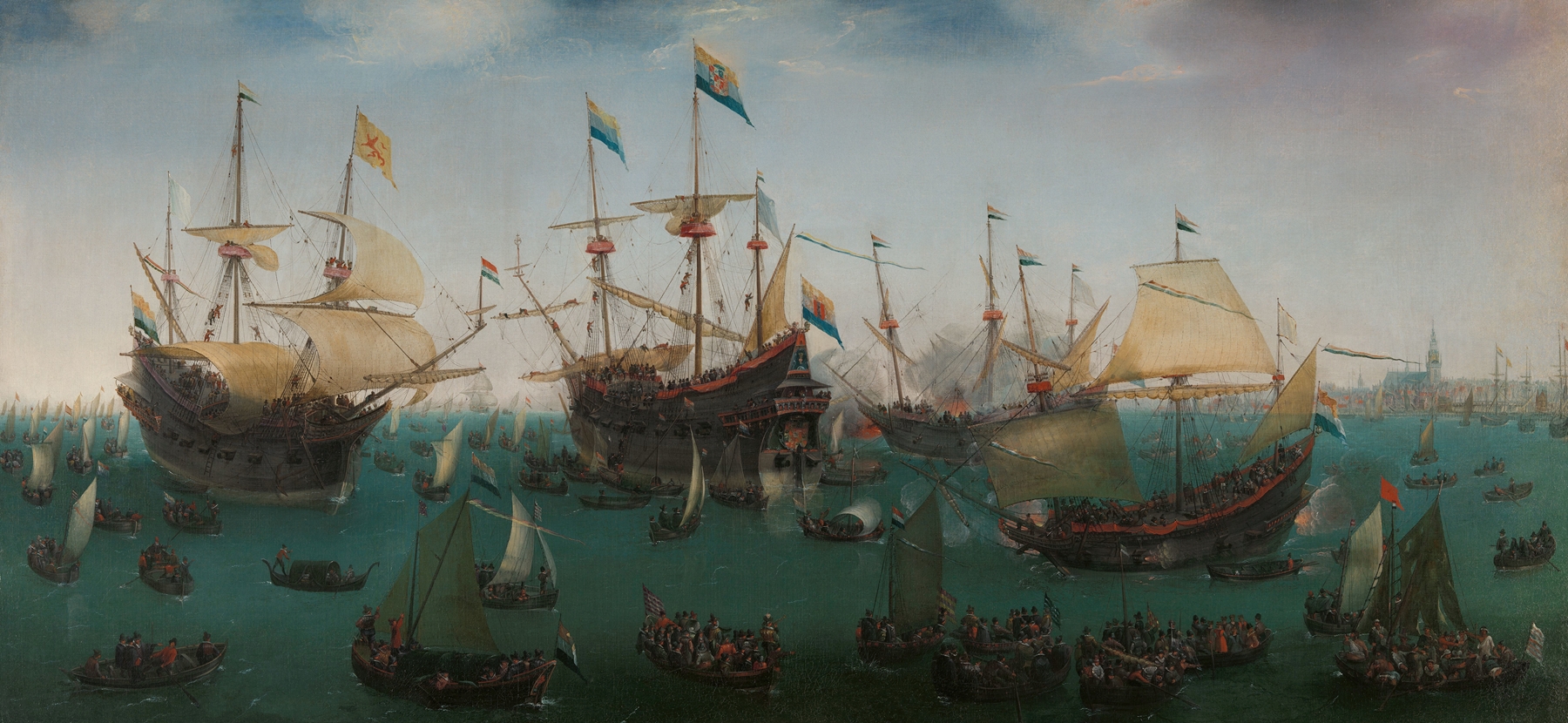
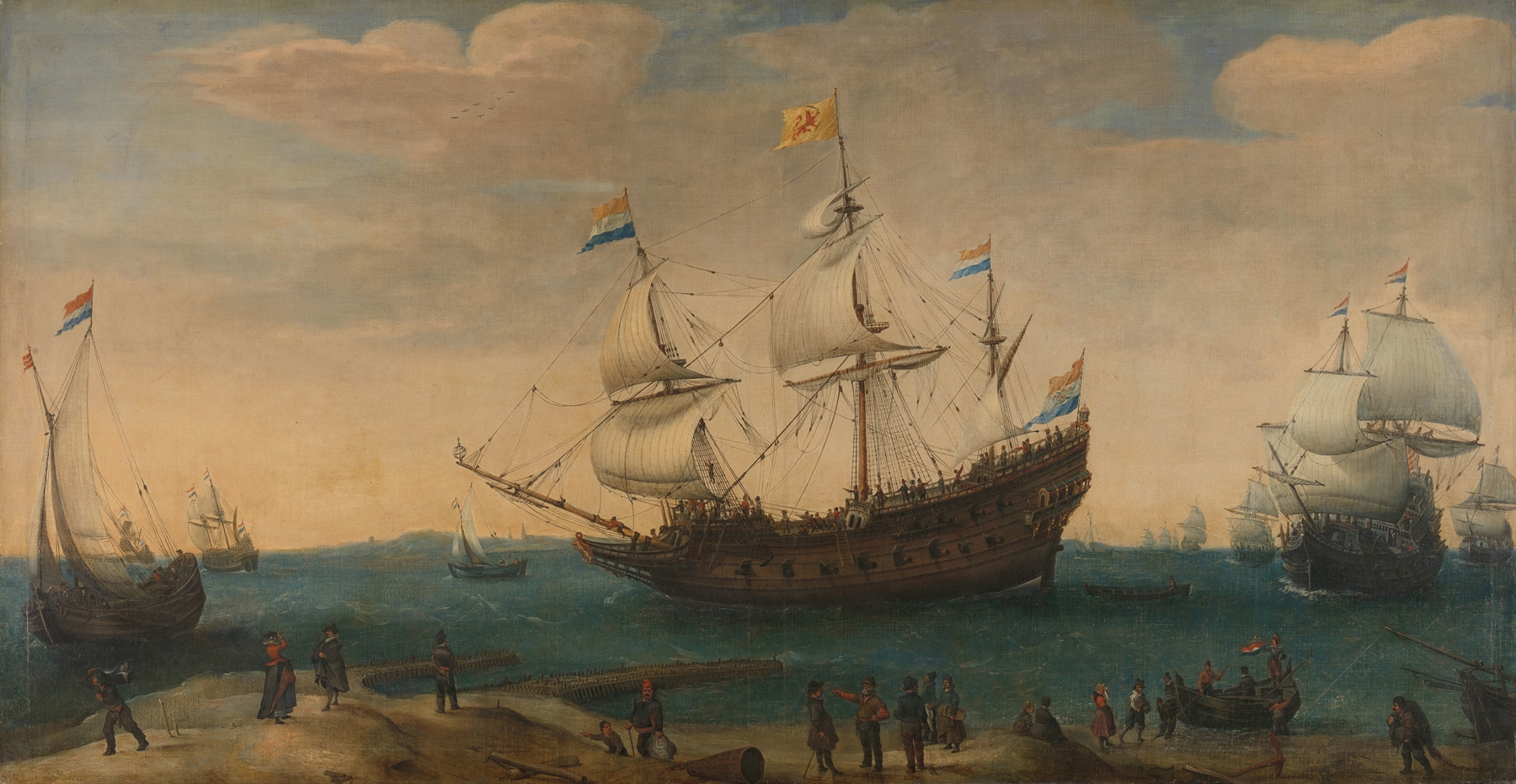
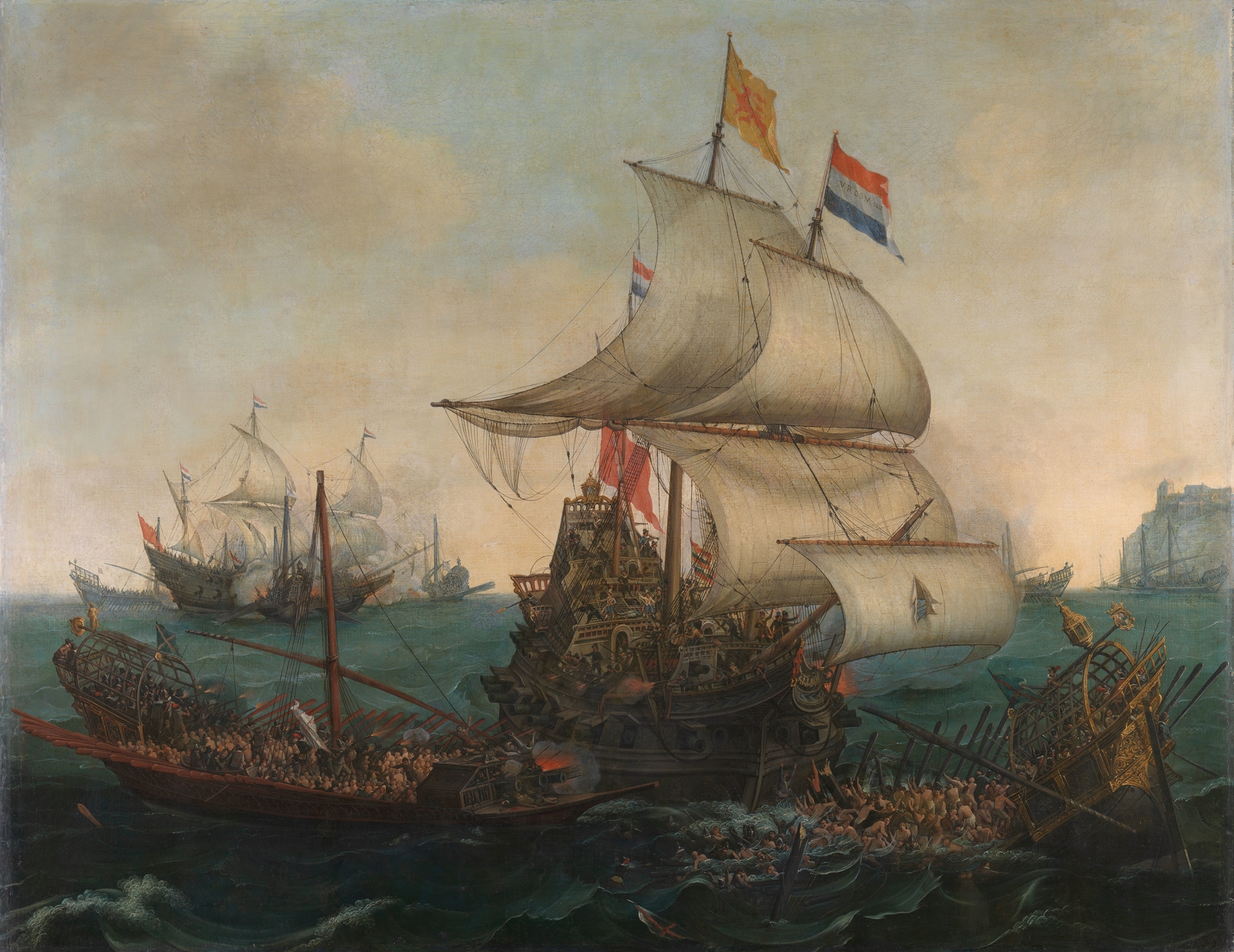
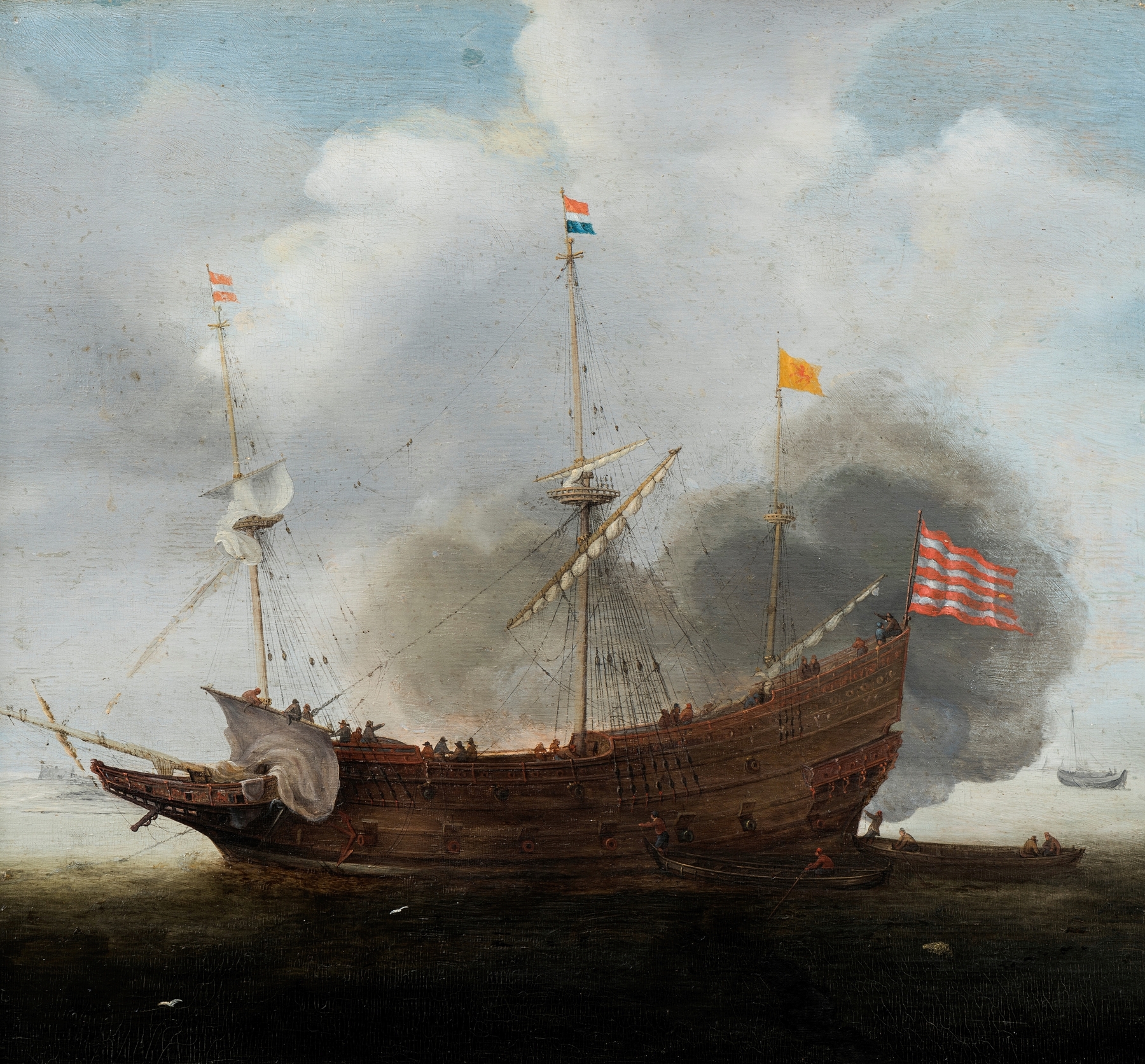
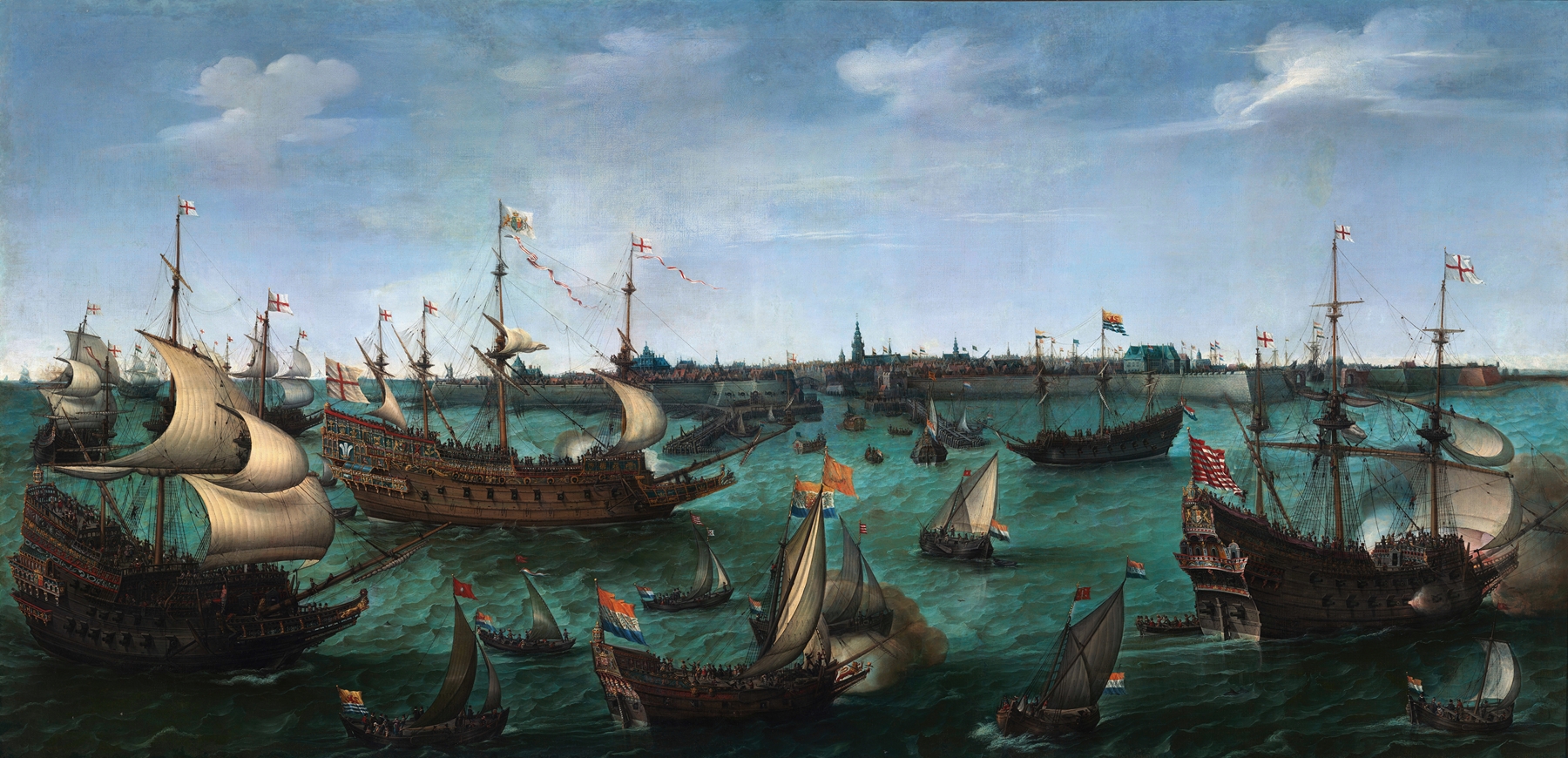
The air crackles with tension as Dutch and Spanish ships clash on the shimmering waters of the Haarlemmermeer. Billowing sails catch the sunlight, transforming the scene into a vibrant tapestry of color and chaos. Cannons roar, while men shout—some commanding, others pleading—against the backdrop of an ominous sky, where dark clouds threaten to spill rain upon the tumultuous battle below. Focus on the left side of the canvas, where a Dutch ship, adorned with a proud flag, charges forward, its hull cutting through the waves like a knife. Notice the intricate details in the rigging, drawn with precise brushstrokes that convey both movement and strength.
To the right, the Spanish vessel appears beleaguered, its sails partially furled, casting shadows that deepen the sense of impending defeat. The contrast between the light and dark elements heightens the drama, enhancing the viewer's sense of urgency and despair. Look closely and you’ll see the expressions of the sailors—fear, determination, and resolve etched into their faces. The foamy water painted with dynamic strokes mirrors the frenetic energy of the conflict. Seagulls circle ominously above, their presence symbolizing not only nature's indifference but also the relentless eye of fate upon the duel below.
This battle on the water is more than a mere skirmish; it represents a larger struggle for identity and autonomy, encapsulated in the clash of flags and ideologies. Created in or after 1629, this piece emerged during a pivotal moment in the Eighty Years' War. Hendrik Cornelisz. Vroom, a prominent marine painter, found inspiration in the fierce rivalry between the Dutch Republic and Spain. As naval power became a crucial aspect of national pride, his work reflects the fervor and turmoil of a nation on the brink of asserting its independence, immortalizing the battles that shaped their destiny.