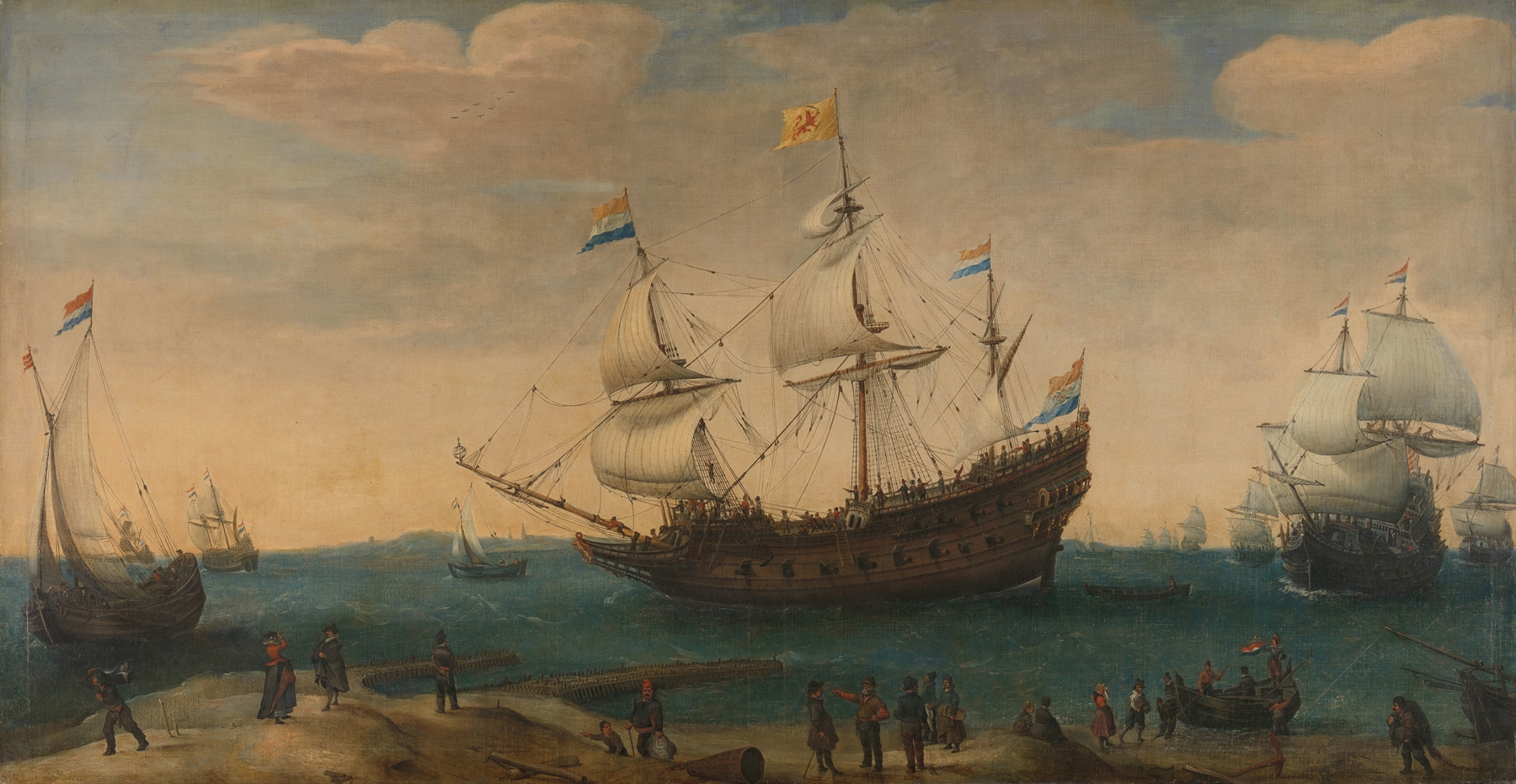
A number of East Indiamen off the Coast (The Mauritius and other East Indiamen Sailing out of the Marsdiep) — History & Analysis
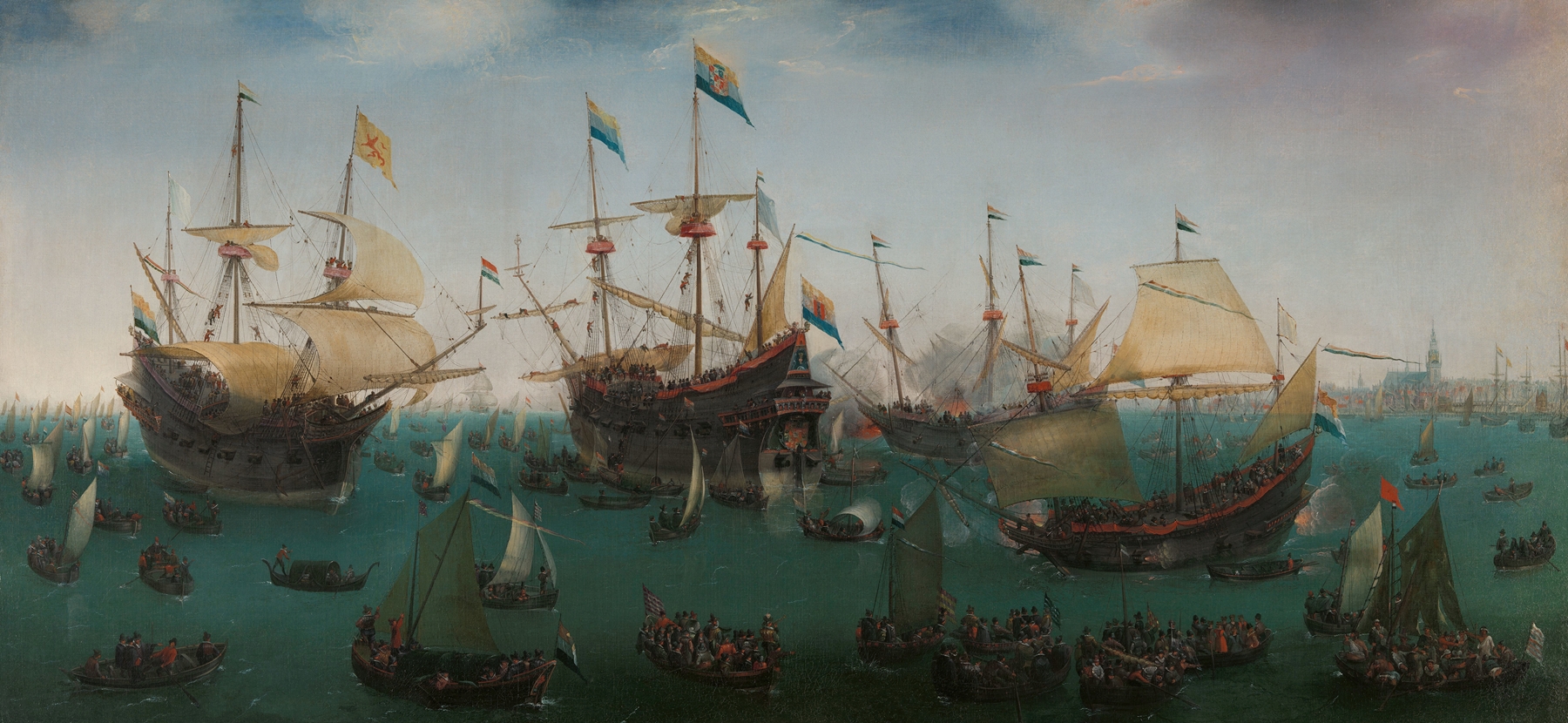
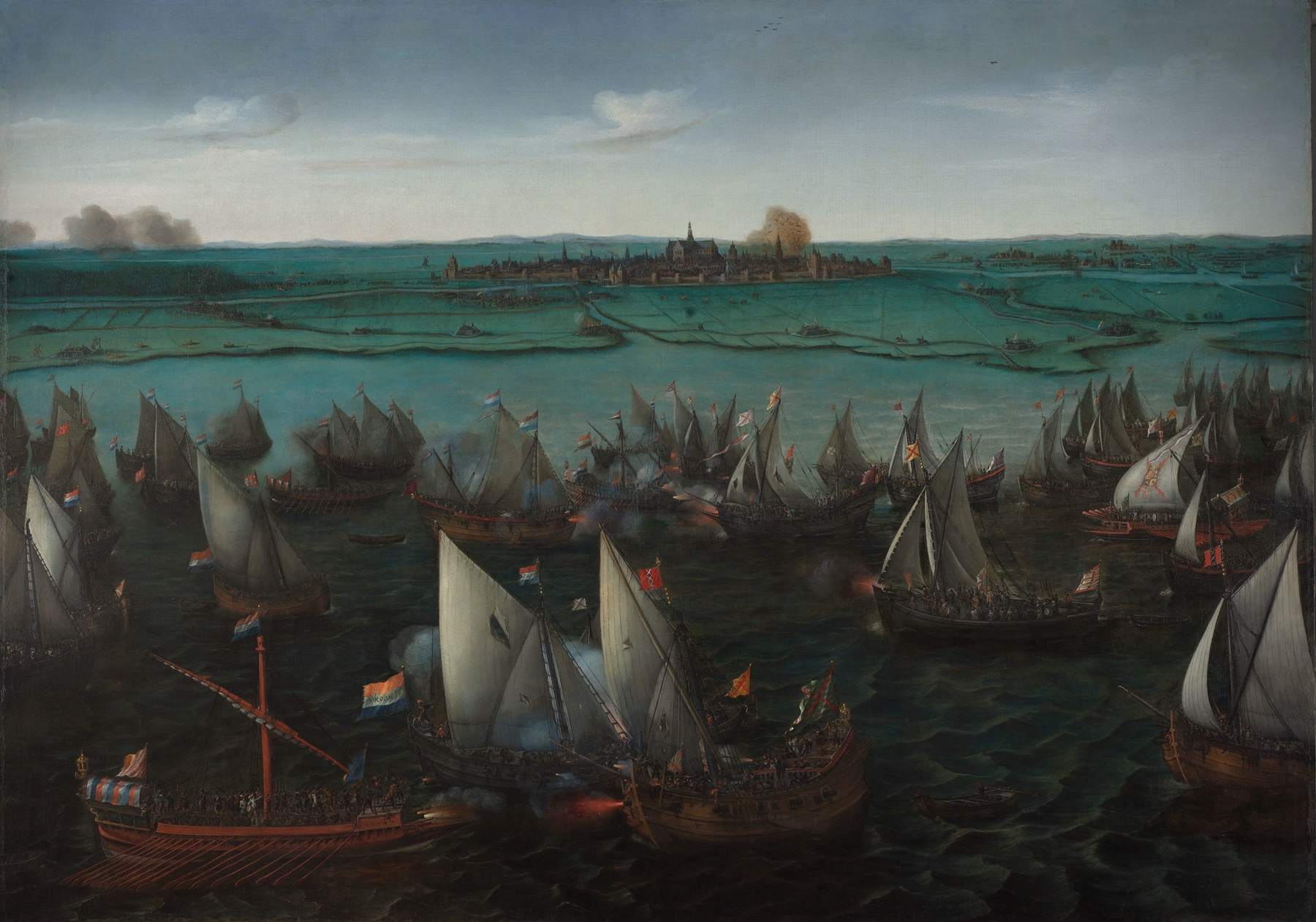
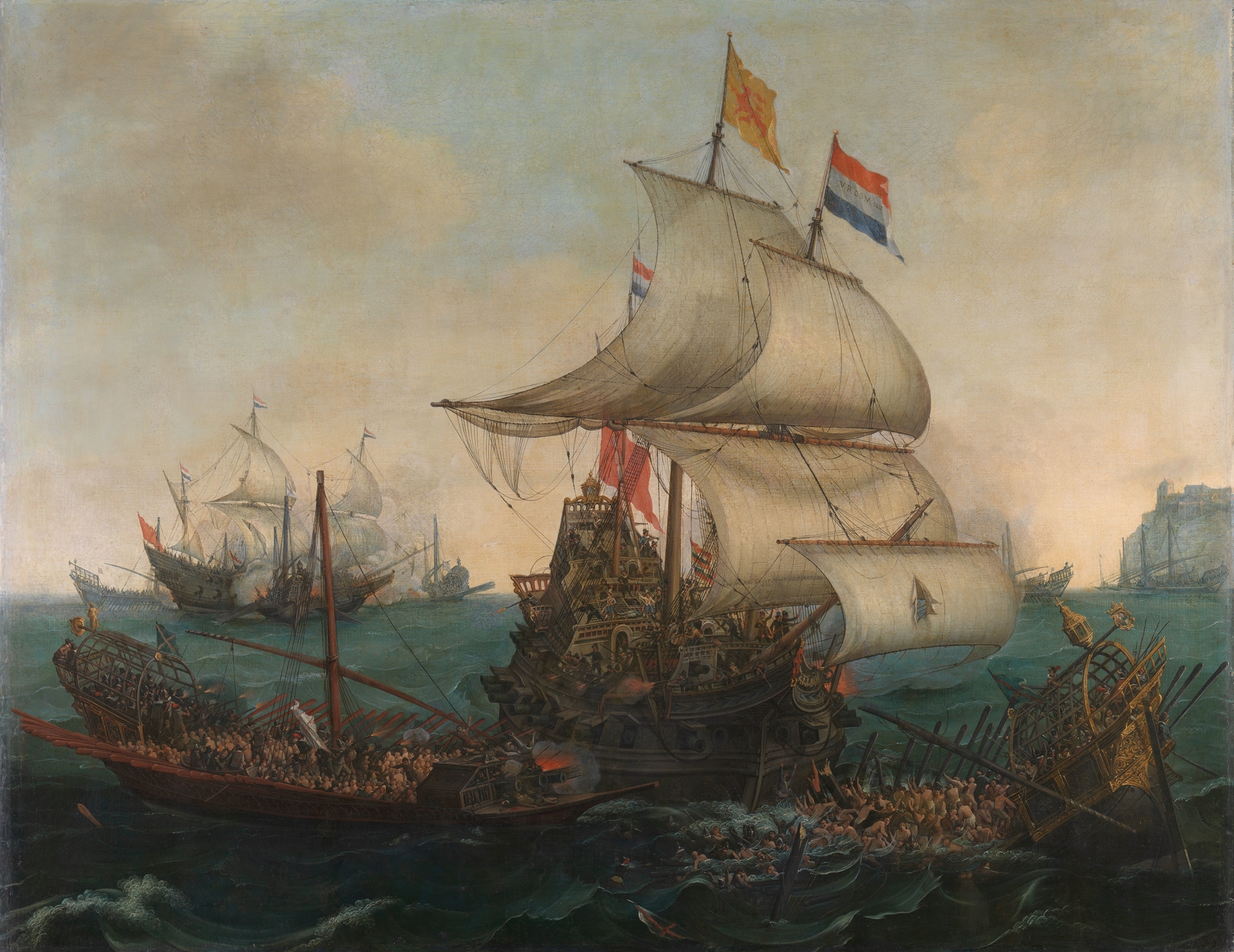
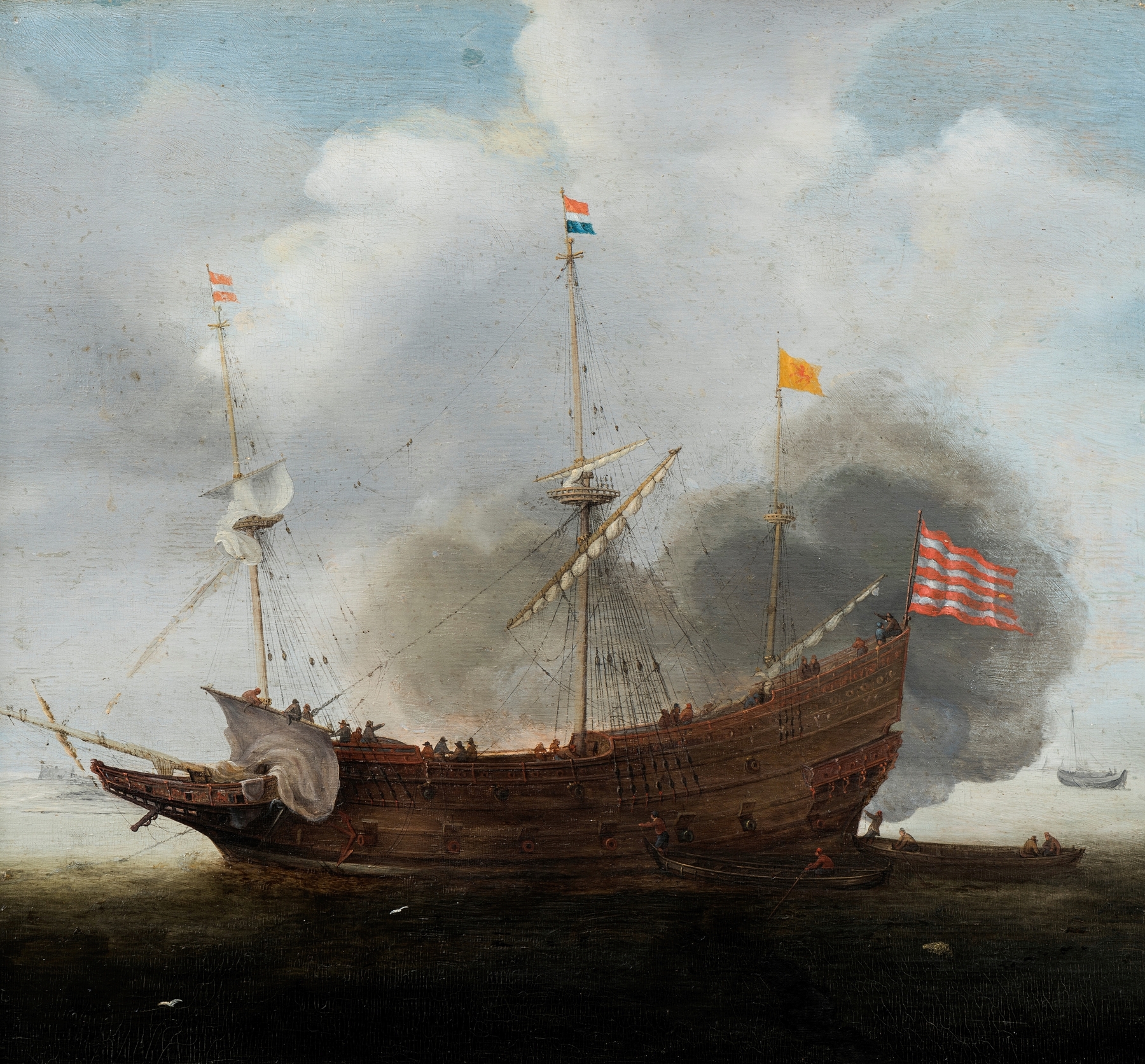
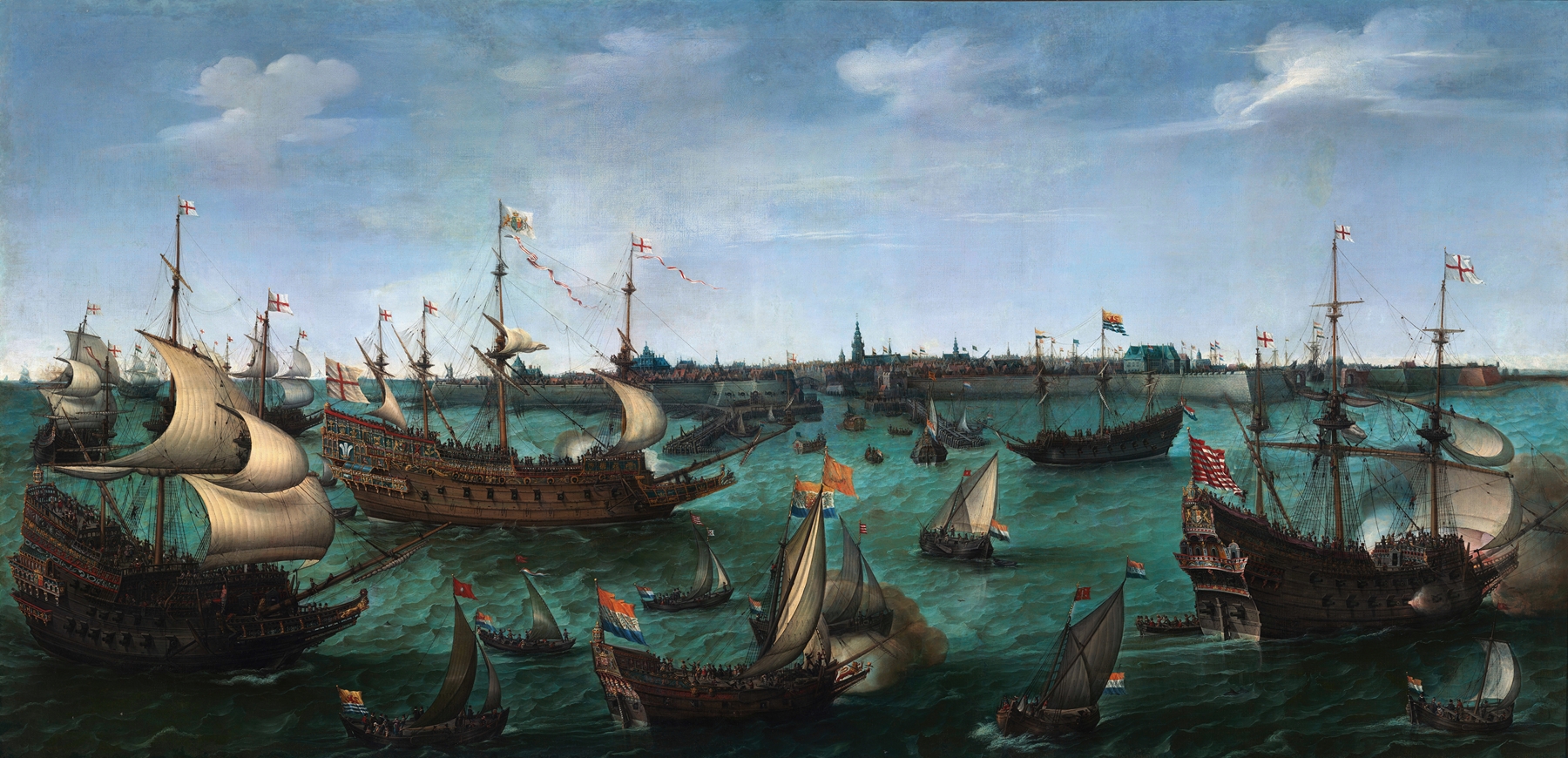
Who listens when art speaks of silence? In the tranquil expanse of the sea, Vroom invites us to ponder the serene dialogue between nature and mankind, a conversation that echoes softly across the canvas. Look to the horizon, where a fleet of East Indiamen gracefully sails, their sails billowing like whispers against the azure sky. The shimmering water captures the light, reflecting a palette of blues and soft whites that evoke a sense of calm. Notice how the artist meticulously depicts each vessel with a delicate touch, their silhouettes contrasting against the vastness of the ocean, suggesting both unity and isolation in their shared journey.
Beneath this serene exterior lies a deeper commentary on the age of exploration. The ships, symbols of trade and ambition, also embody the uncertainty and risk of the unknown that lies beyond the horizon. Each vessel hints at untold stories of adventure or perhaps longing, while the gentle waves cradle them, balancing dreams and reality. This subtle play of tension invites viewers to reflect on their own voyages, both literal and metaphorical.
Hendrik Cornelisz. Vroom painted this work around the early 17th century, a period marked by the flourishing of Dutch maritime trade. Living in Amsterdam amid increasing prosperity, Vroom’s focus on maritime subjects was a response to the burgeoning interest in exploration and commerce. As the world expanded before him, his art captured not just the vessels but the spirit of the age, encapsulating a moment where the sea was both a gateway and a mystery.