The Arrival of the Elector Frederick V of the Palatinate and Elizabeth Stuart in flushing on 29 April — History & Analysis
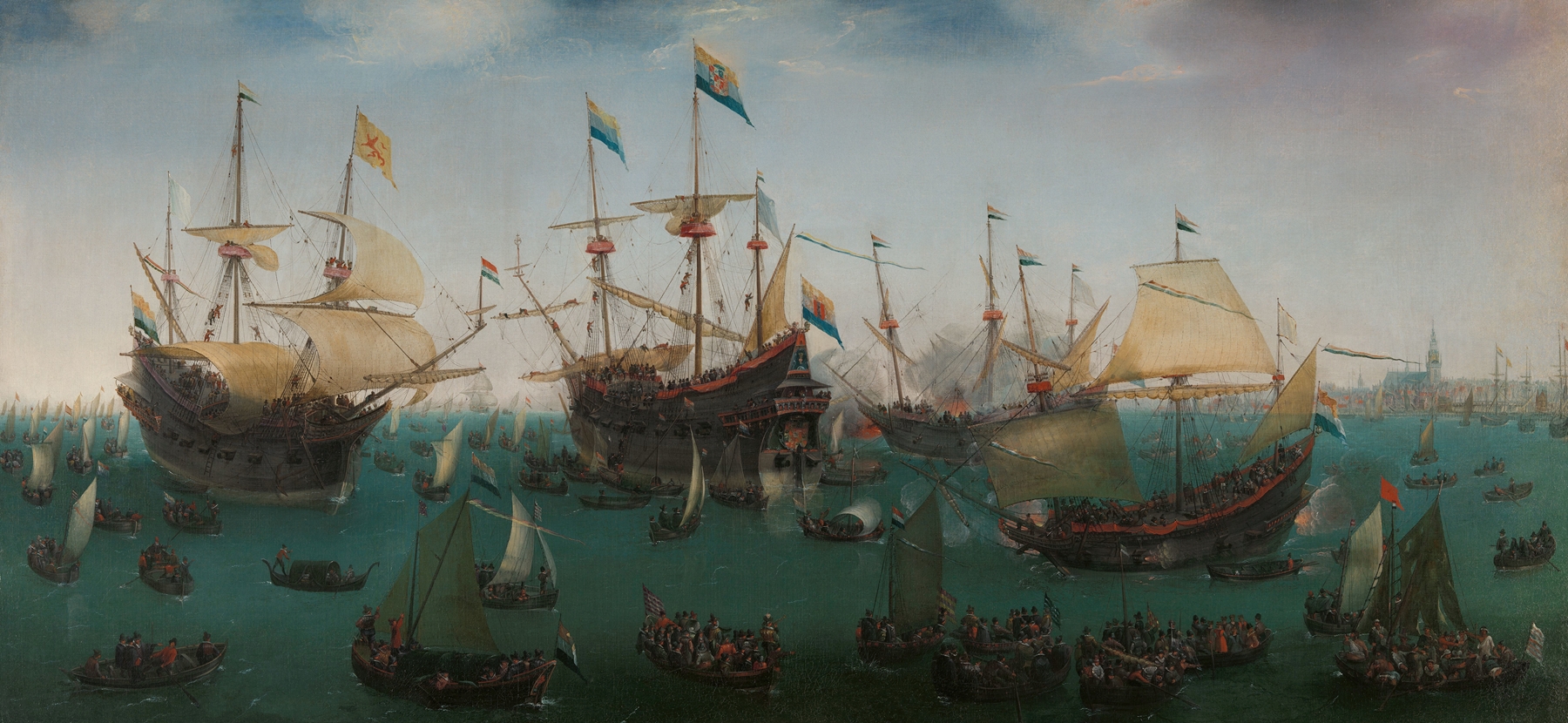
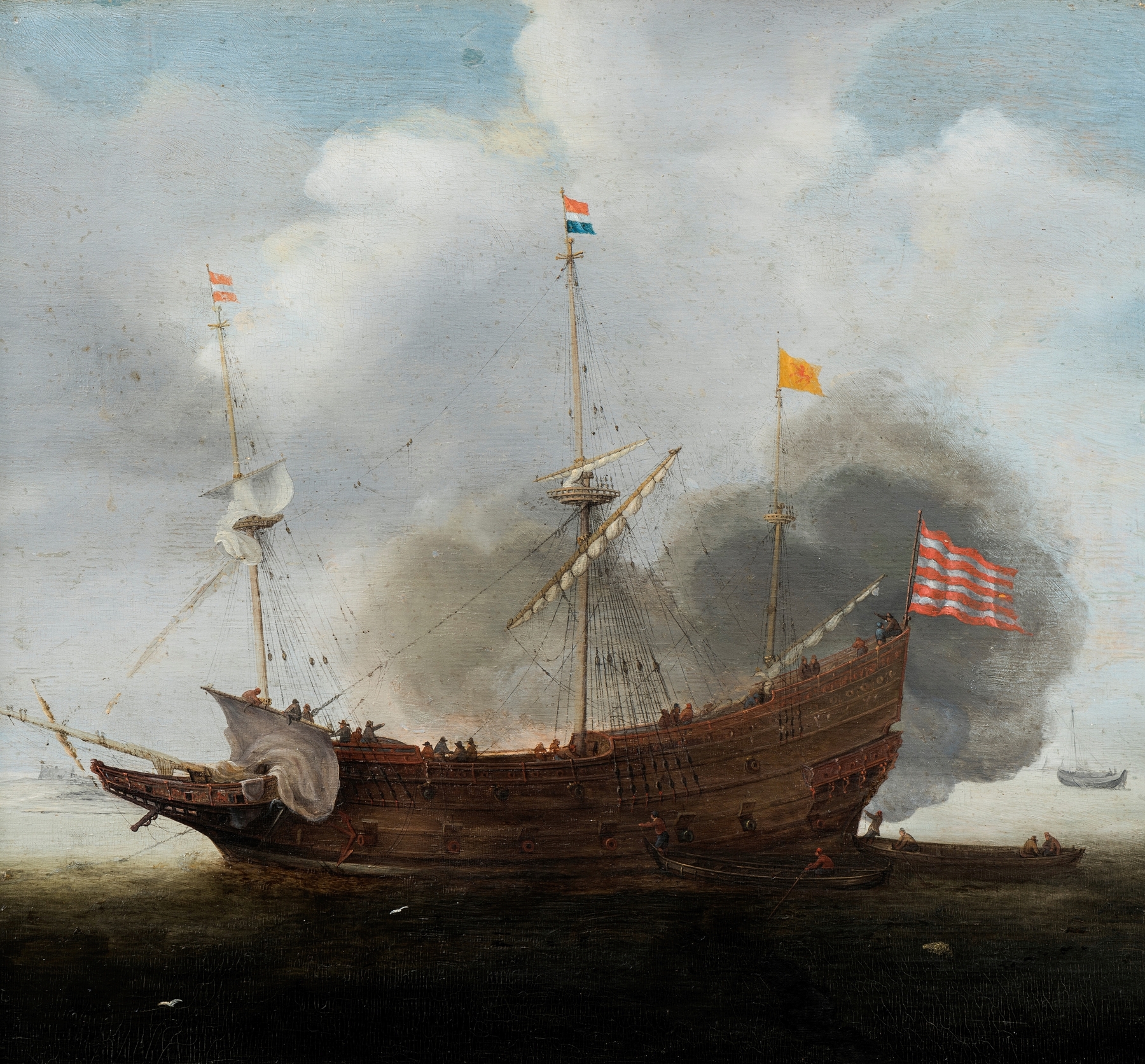
“Sometimes beauty is just pain, disguised in gold.” In the grand tapestry of history, moments of arrival can often mask an underlying emptiness, a longing unspoken amidst the splendor. Focus first on the vibrant crowd gathered along the harbor, their figures alive with anticipation. The elaborate array of ships, their sails billowing against a cerulean sky, creates a striking contrast to the muted expressions of the onlookers. Notice how the sunlight glistens off the water’s surface, casting reflections that dance alongside the figures, as if inviting them to share in the joy of the moment. The rich colors of the vessels and the carefully arranged architecture frame the scene, drawing your eye toward the central figures of Frederick V and Elizabeth Stuart, whose presence dominates yet seems to evoke an air of solitude.
Delve deeper into the expression of the onlookers, where joy intertwines with unfulfilled dreams. The excited faces hint at both celebration and a stark reminder of the political tensions that lingered in the background. The starkness of the empty spaces around the prominent couple reflects the isolation that often accompanies power and prestige. Here, amidst the vibrancy of the festivity, lies an undercurrent of melancholy—a reminder that every arrival is also a departure from something else.
In 1623, Hendrik Cornelisz. Vroom created this work while residing in the Netherlands, a burgeoning center for maritime trade and cultural exchanges. This period marked the height of Dutch influence in Europe, yet it was also a time of political upheaval. Vroom’s detailed portrayal not only commemorates a significant historical event but also reveals his keen understanding of the complexities of human emotion and power dynamics during a pivotal moment in history.