Gezicht op de Binnen-Amstel met het Rondeel — History & Analysis
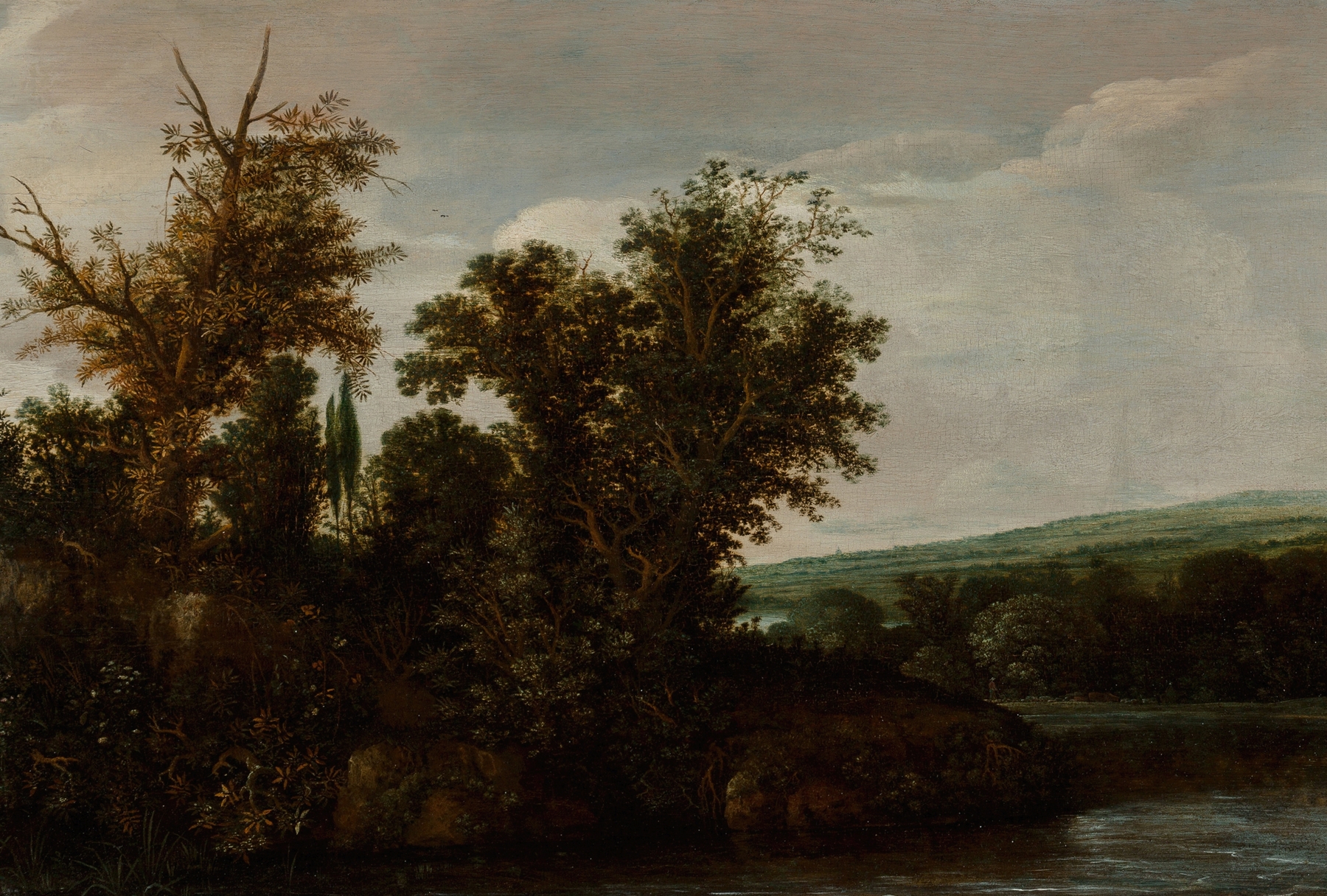
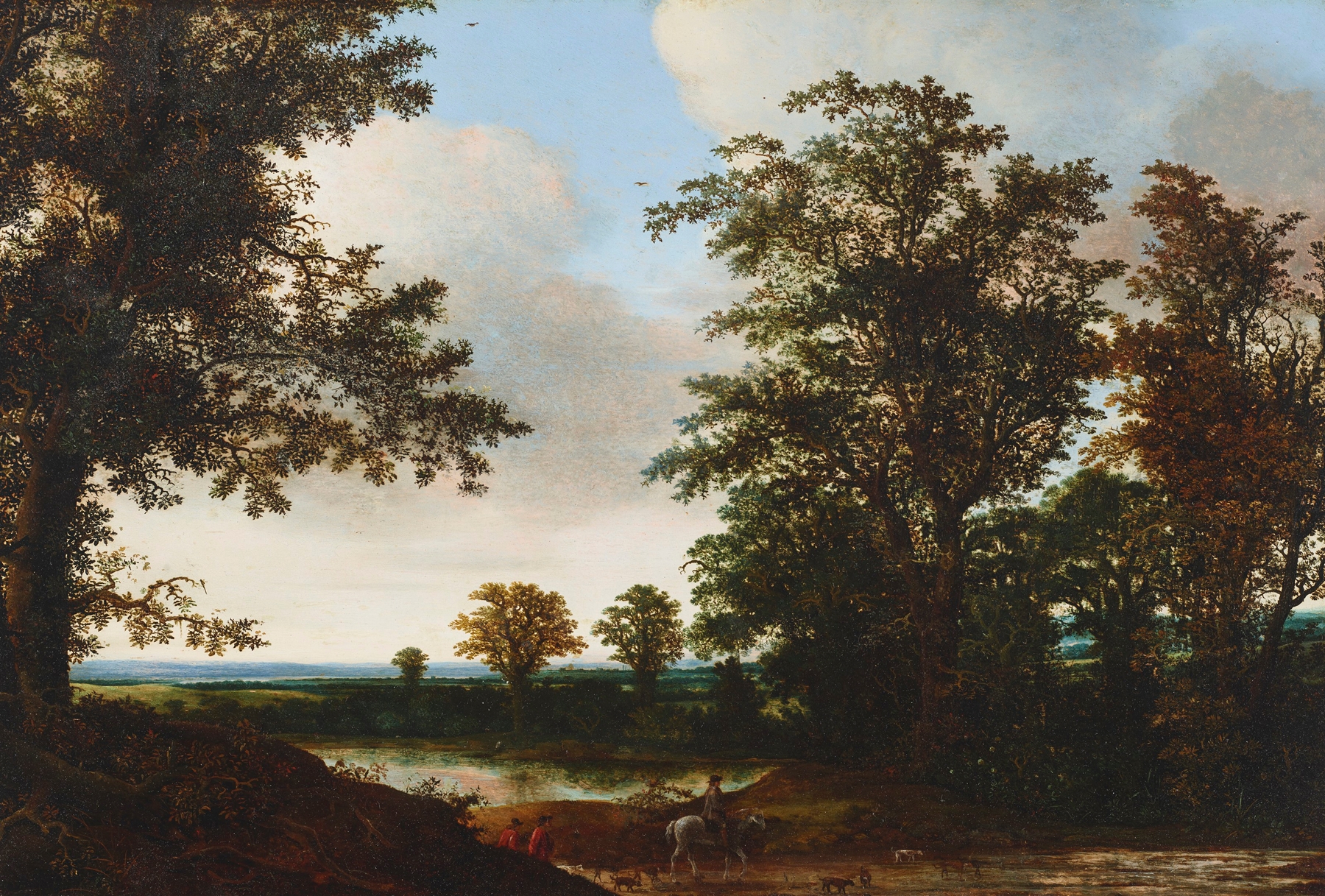
What if beauty was never meant to be finished? In Gezicht op de Binnen-Amstel met het Rondeel, the essence of innocence and tranquil beauty lingers, inviting contemplation on the fleeting nature of perfection. Look to the serene waters of the Binnen-Amstel, where the reflections of sky and trees ripple softly across the surface. Notice how the light dances on the water, illuminating the delicate brushwork that creates a vivid sense of place. The composition invites your gaze to the mid-ground, where the rounded structure peeks through the verdant foliage, a gentle reminder of civilization cradled by nature.
The palette, rich in greens and blues, complements the soft pastels of the sky, weaving a harmonious tapestry that feels both alive and eternal. Within this scene, a tension unfolds between the natural and the constructed. The delicate balance of the lush landscape with the presence of human architecture evokes a sense of longing for simplicity. The artist’s meticulous attention to detail reveals a deeper narrative, suggesting a dialogue between innocence and the inevitable march of progress. Each blade of grass, each droplet of water, whispers stories of a time when life flowed with more ease, capturing fleeting moments that linger in collective memory.
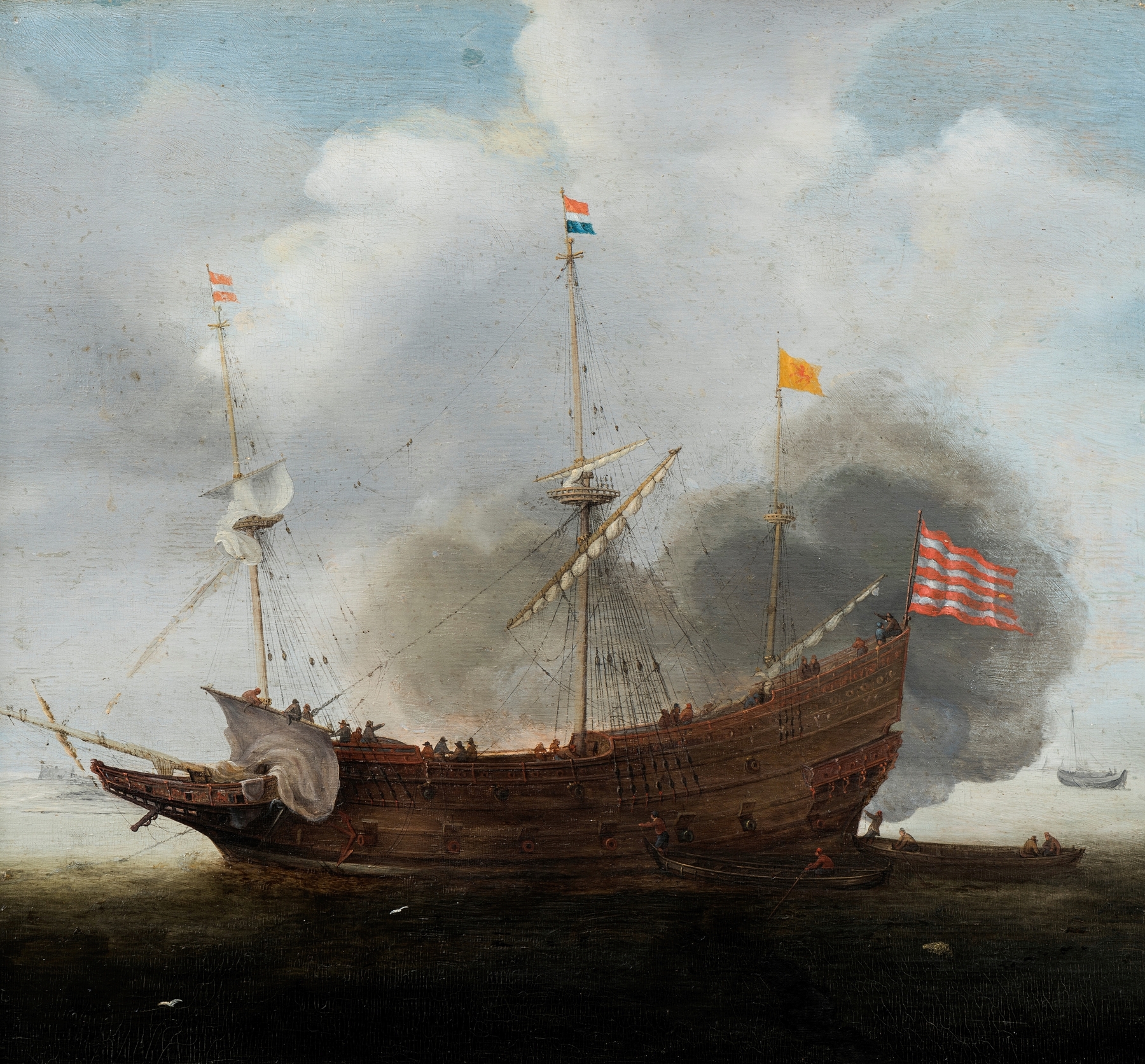
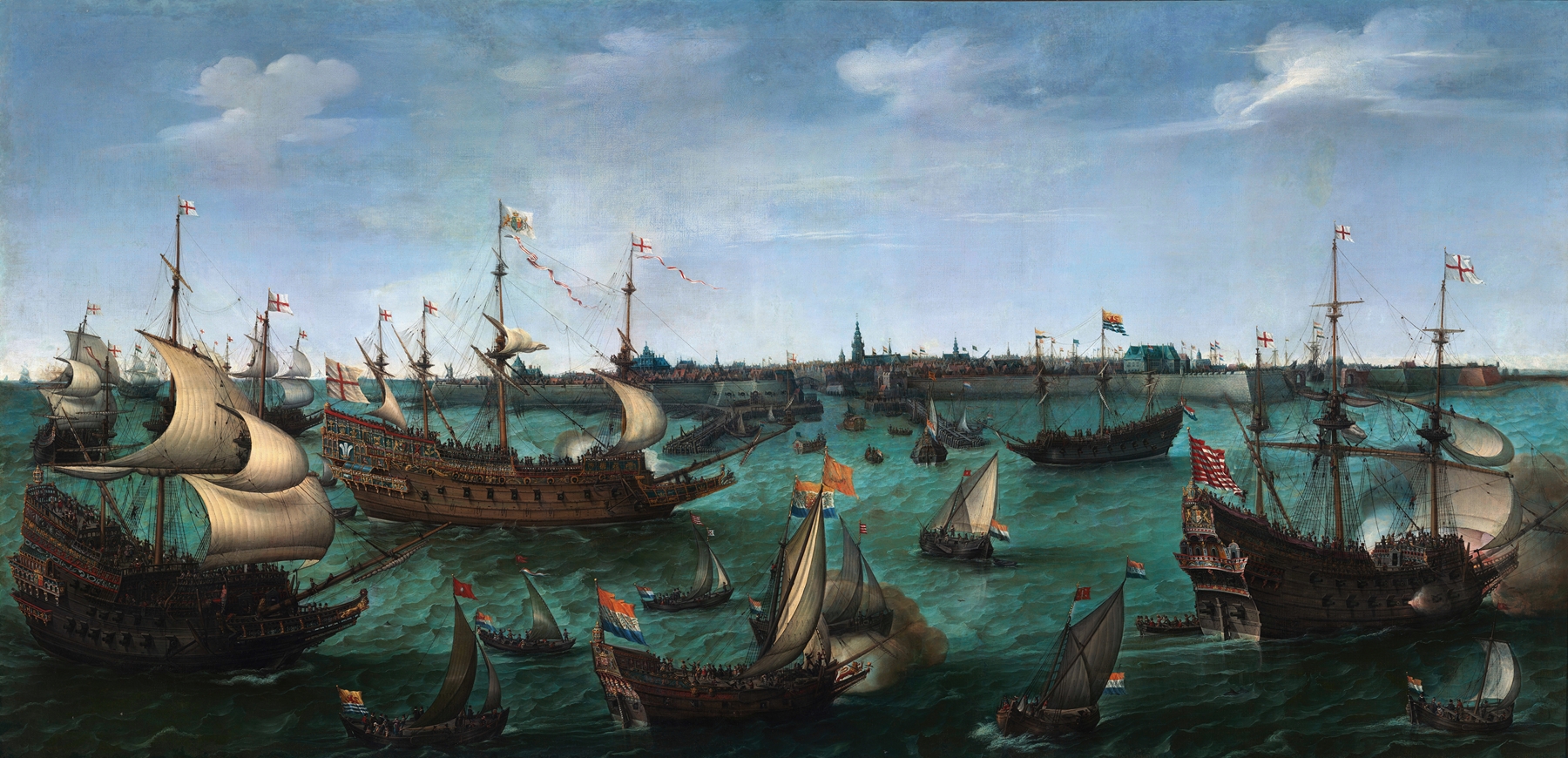
Hendrik Cornelisz. Vroom painted this work between 1615 and 1640, during the Dutch Golden Age—a period marked by prosperity and artistic innovation. Living in Amsterdam, Vroom was immersed in a society thriving in trade and cultural exchange. As artists began to explore landscape painting more earnestly, he sought to encapsulate the beauty of the Dutch waterways, reflecting both the tranquility and the emerging modernity of his time.