The Return to Amsterdam of the Second Expedition to the East Indies — History & Analysis
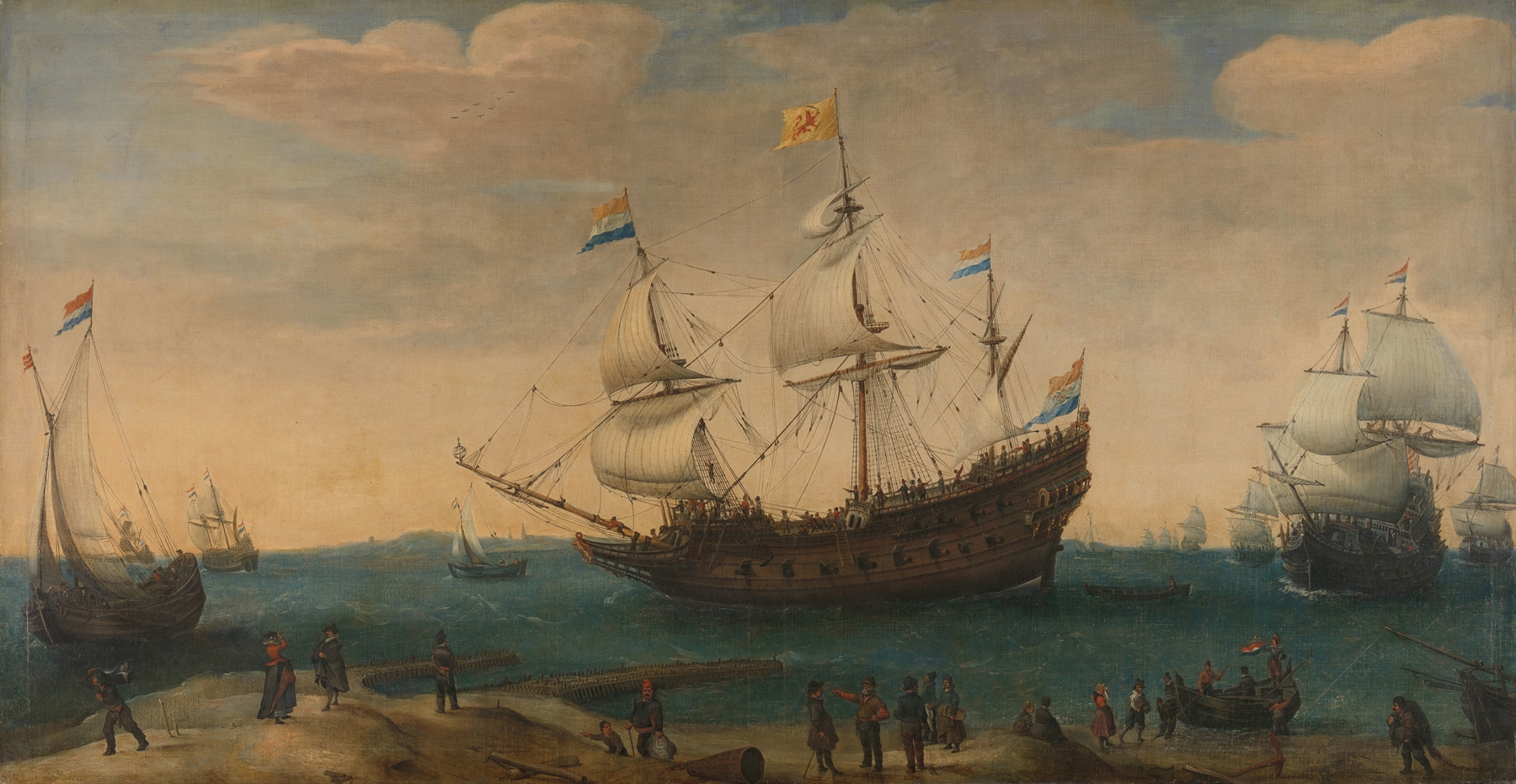
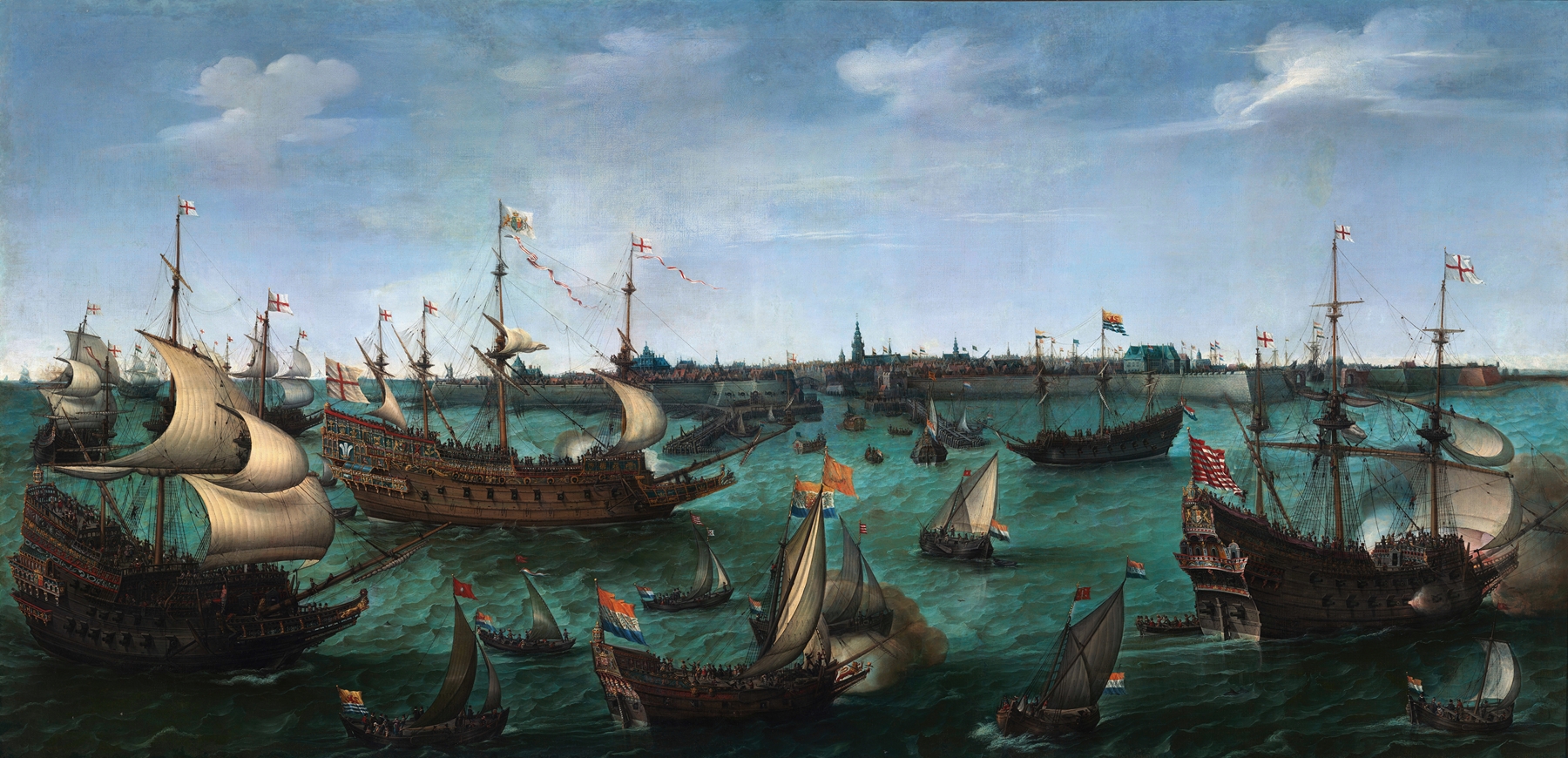
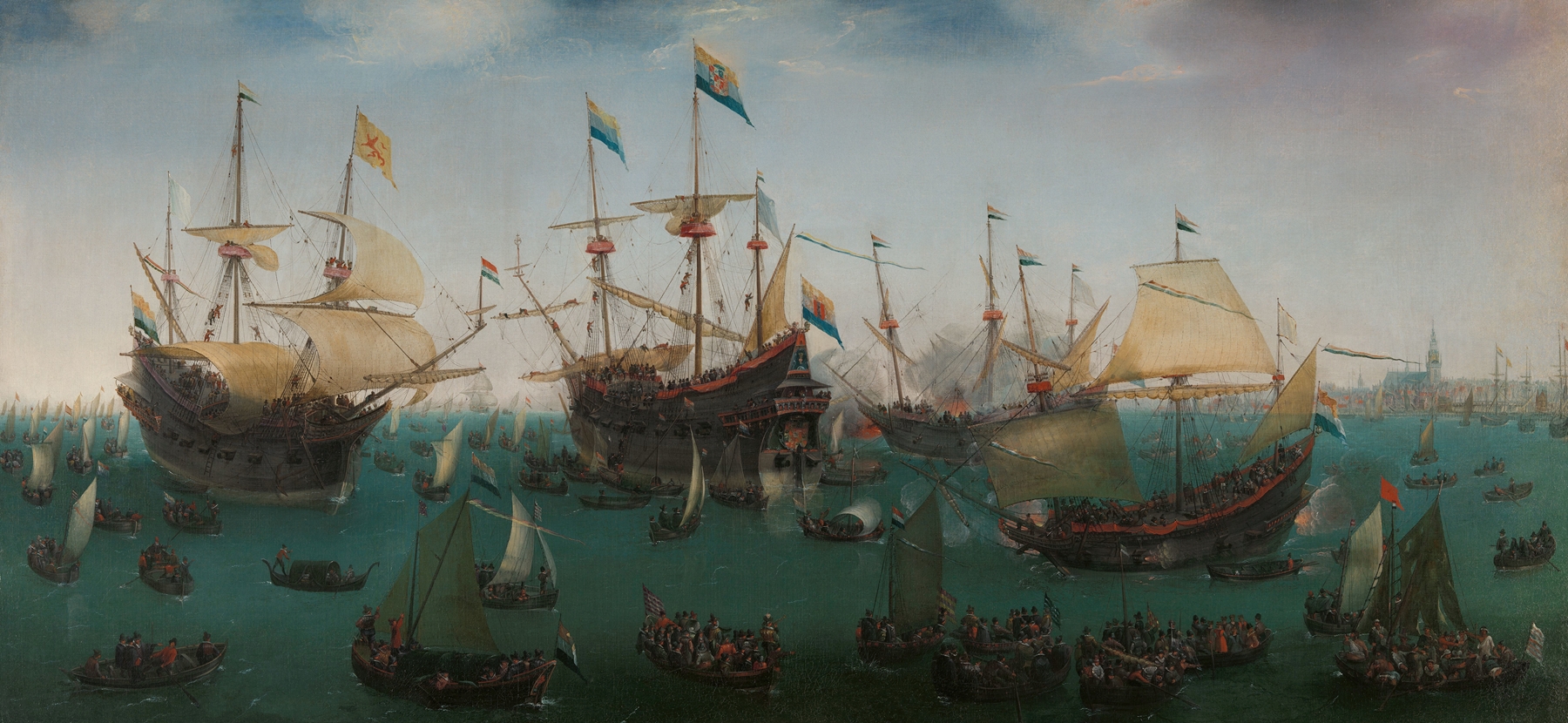
“Every silence here is a confession.” In the aftermath of a long journey, the return home carries the weight of unspoken stories and unfulfilled dreams. Hope hangs in the air, palpable yet elusive, as the ship settles back into familiar waters, a symbol of reunion and expectation. Look closely at the bottom left, where the figures of sailors stand poised on the dock, their postures a blend of weariness and exhilaration. Their garments flutter in the breeze, rich in color, echoing the vibrant hues of the canvas.
Notice how the sunlight dances off the water, illuminating the ship’s majestic sails, a striking contrast to the darkened sky above. The composition expertly draws the viewer’s gaze from the ship to the town beyond, where the architecture of Amsterdam stands proud and welcoming, its stature a promise of safety and return. In this moment of arrival, emotional tensions weave through the piece — the juxtaposition of adventure and homecoming, the thrill of exploration against the stark reality of uncertainties that linger after trials at sea. The sails, full of wind, suggest motion and the hope of new beginnings, while the figures on the dock reveal a hesitance, perhaps reflecting on the burdens they carry.
Each detail, from the rippling water to the distant horizon, invites contemplation on the price of ambition and the longing for belonging. Created in 1599, the painting emerged during a pivotal period for the artist, who was living in Amsterdam amidst a flourishing maritime trade. Vroom was inspired by the burgeoning Dutch interest in exploration and colonial endeavors during the Age of Discovery. This work not only marks a celebration of return but also captures the spirit of an era defined by adventure, trade, and the intricate tales that come with them.