Bentheim Castle — History & Analysis
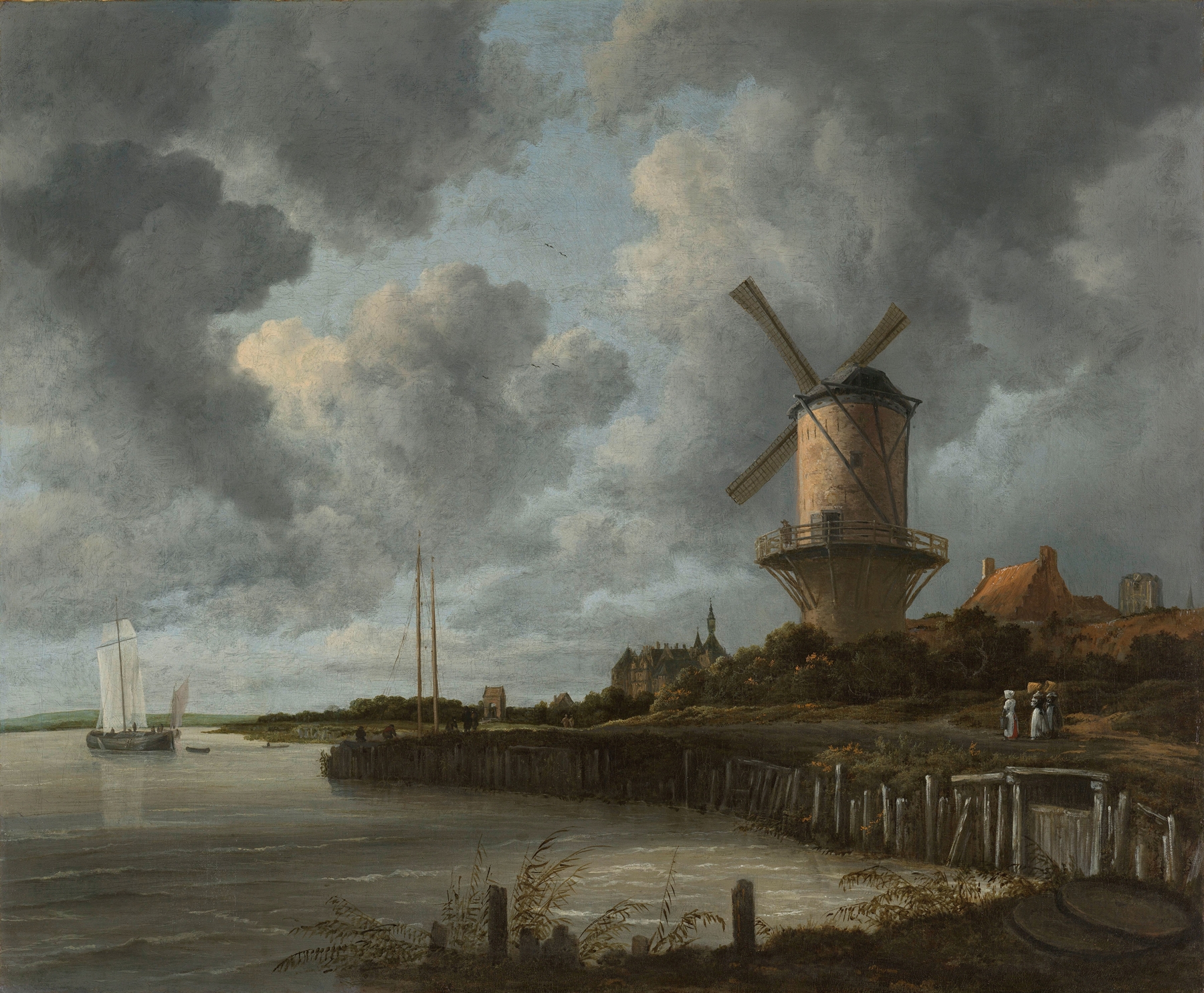
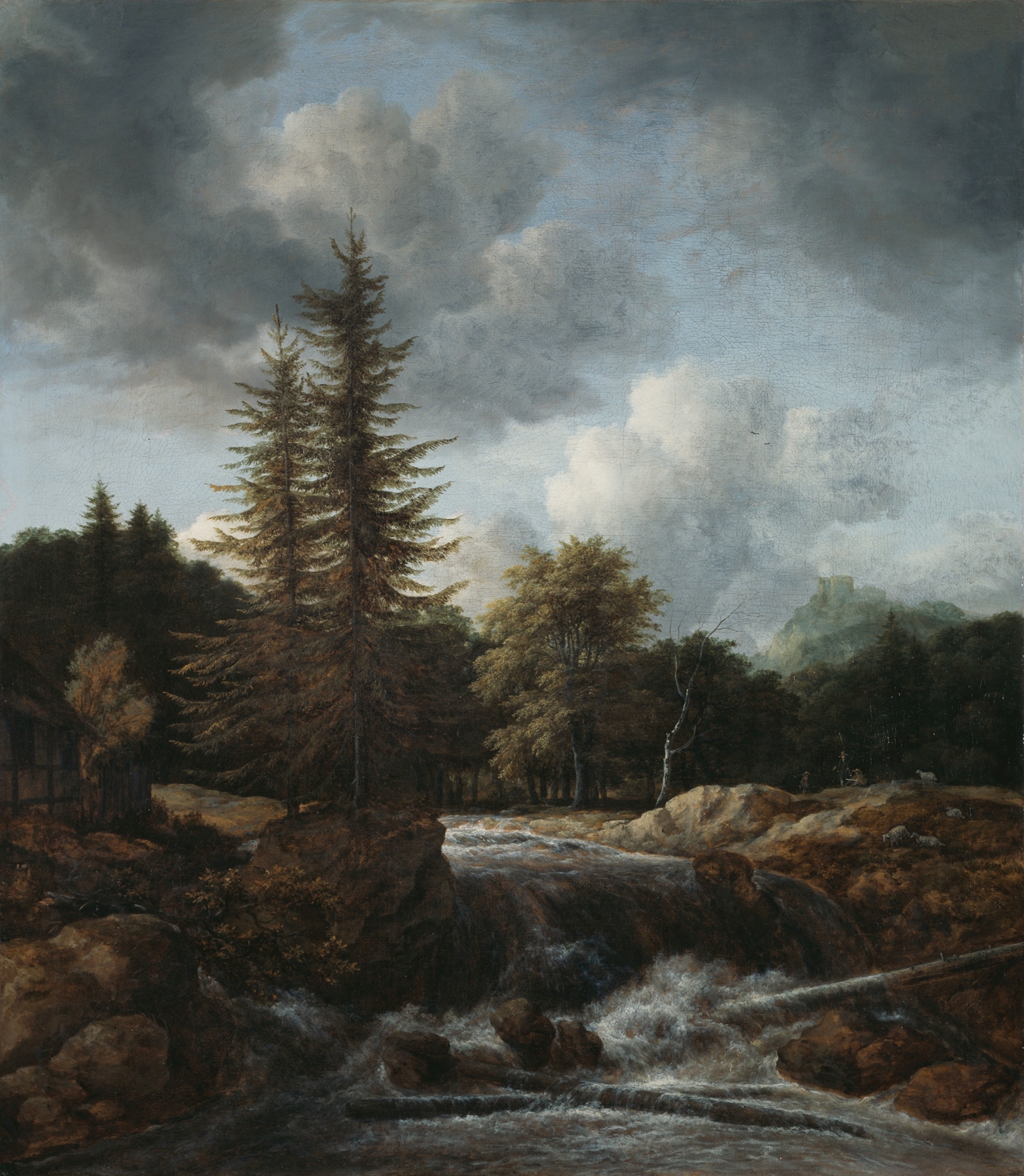
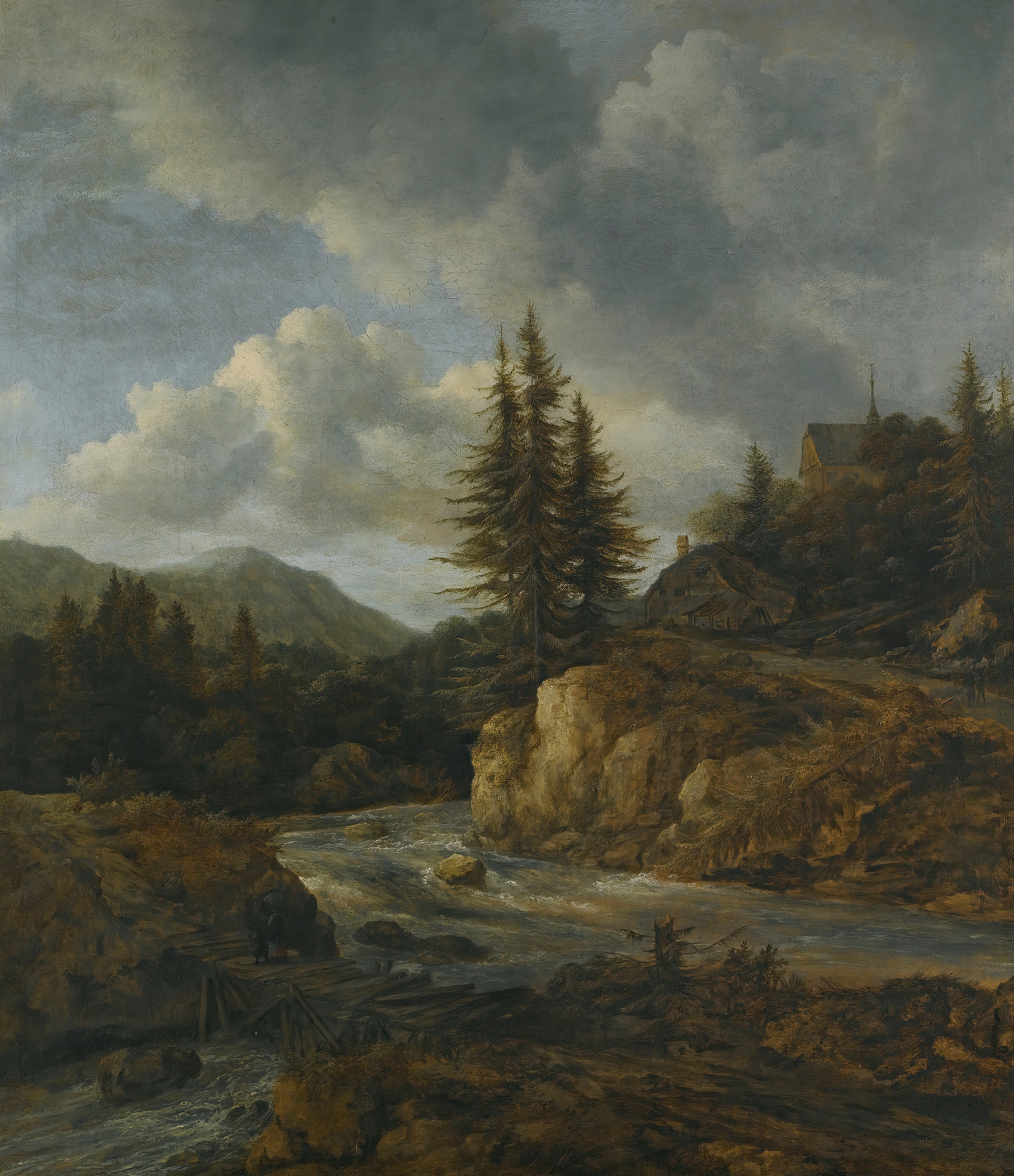
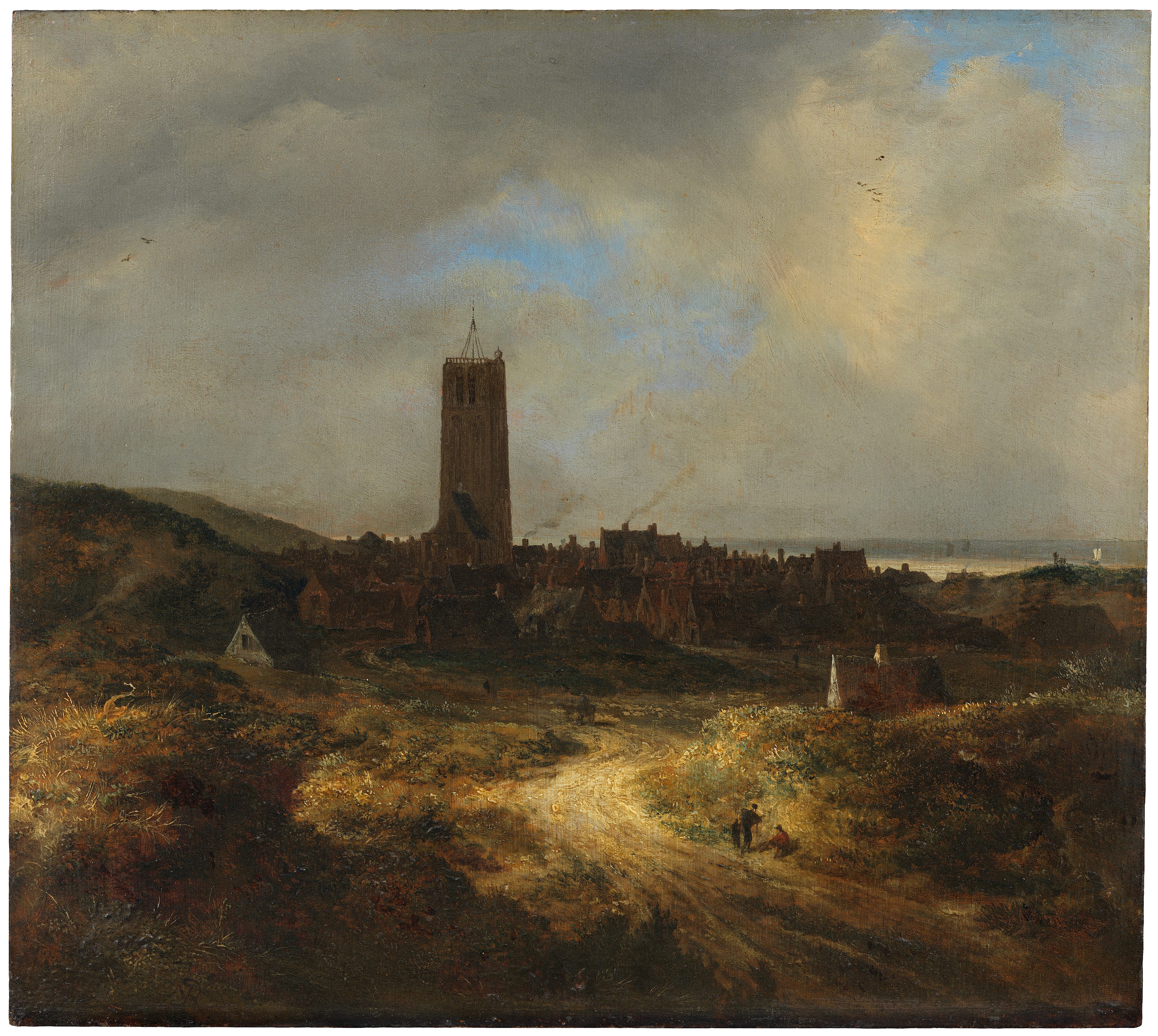
Can beauty exist without sorrow? In Bentheim Castle, the haunting silhouette of the fortress looms against a turbulent sky, suggesting a profound narrative beneath the serene landscape. Look to the left at the castle's weathered stones, their textured surfaces illuminated by soft strokes of light that contrast with the growing shadows. The play of dark and light not only enhances the foreground but draws the eye to the serene, rolling hills that cradle the castle, shrouded in the fog of twilight.
Notice how the meticulously painted clouds, swirling in tones of gray and blue, seem to echo the emotional weight of the scene, creating an atmosphere steeped in both majesty and melancholy. In this composition, the juxtaposition of the sturdy castle and the ephemeral clouds reveals an internal struggle—a testament to human resilience against the backdrop of nature's unpredictable majesty. Each element of the landscape speaks to the passage of time and the impermanence of beauty, inviting viewers to ponder the intertwining of joy and grief in our lives. The stillness of the water reflects not just the surroundings but also the inner turmoil that often accompanies such grandeur.
Jacob van Ruisdael painted Bentheim Castle during a period of great artistic evolution in the Dutch Golden Age, between 1650 and 1682. As he navigated his own personal challenges, including the loss of family members, he captured the essence of a shifting world where the grandeur of nature served as both a refuge and a reminder of human fragility. This painting stands as a poignant reflection of an artist deeply engaged with the complexities of existence during a time when landscapes began to express emotional depth.