Wooded Landscape with Waterfall and Approaching Storm — History & Analysis
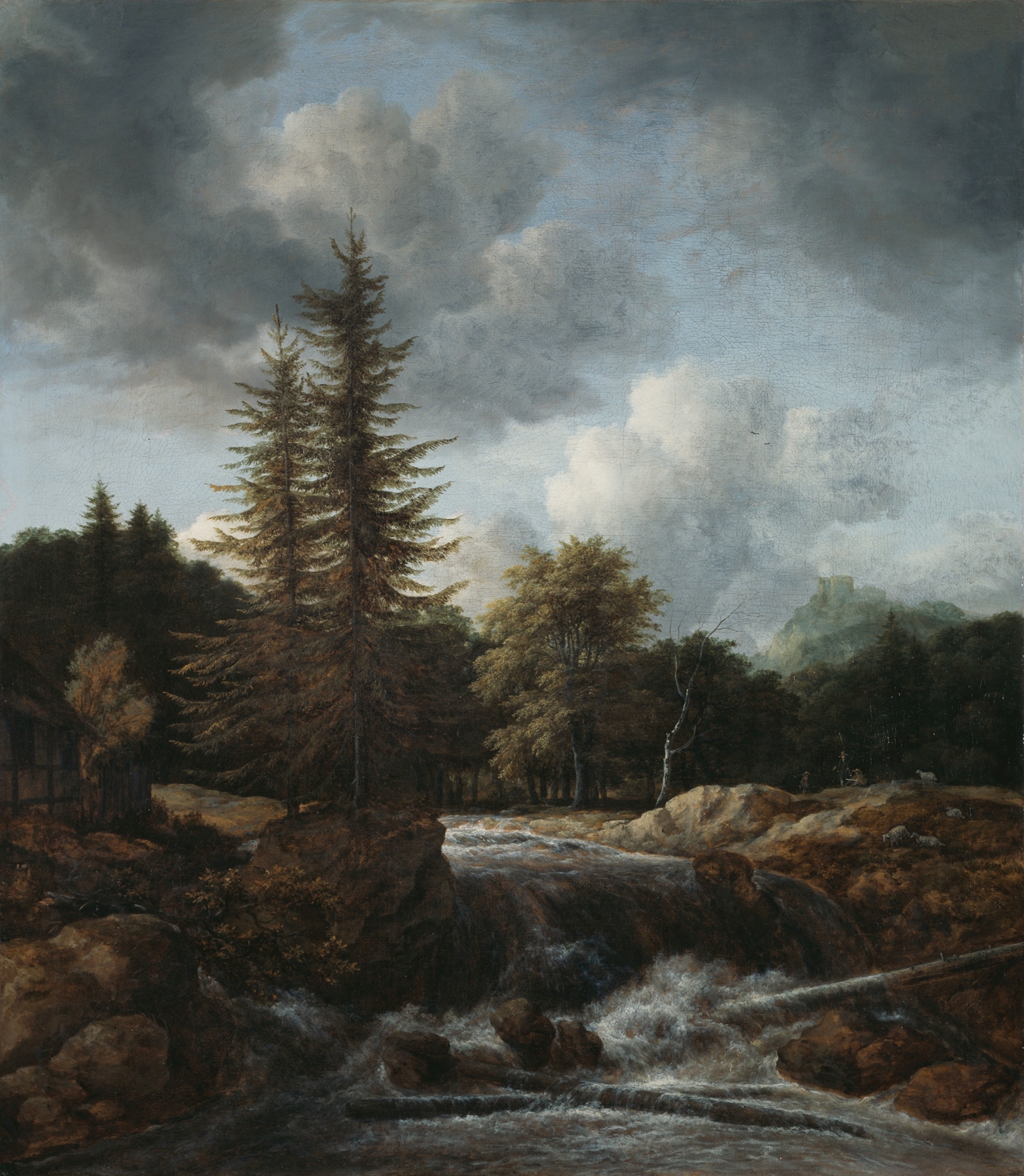
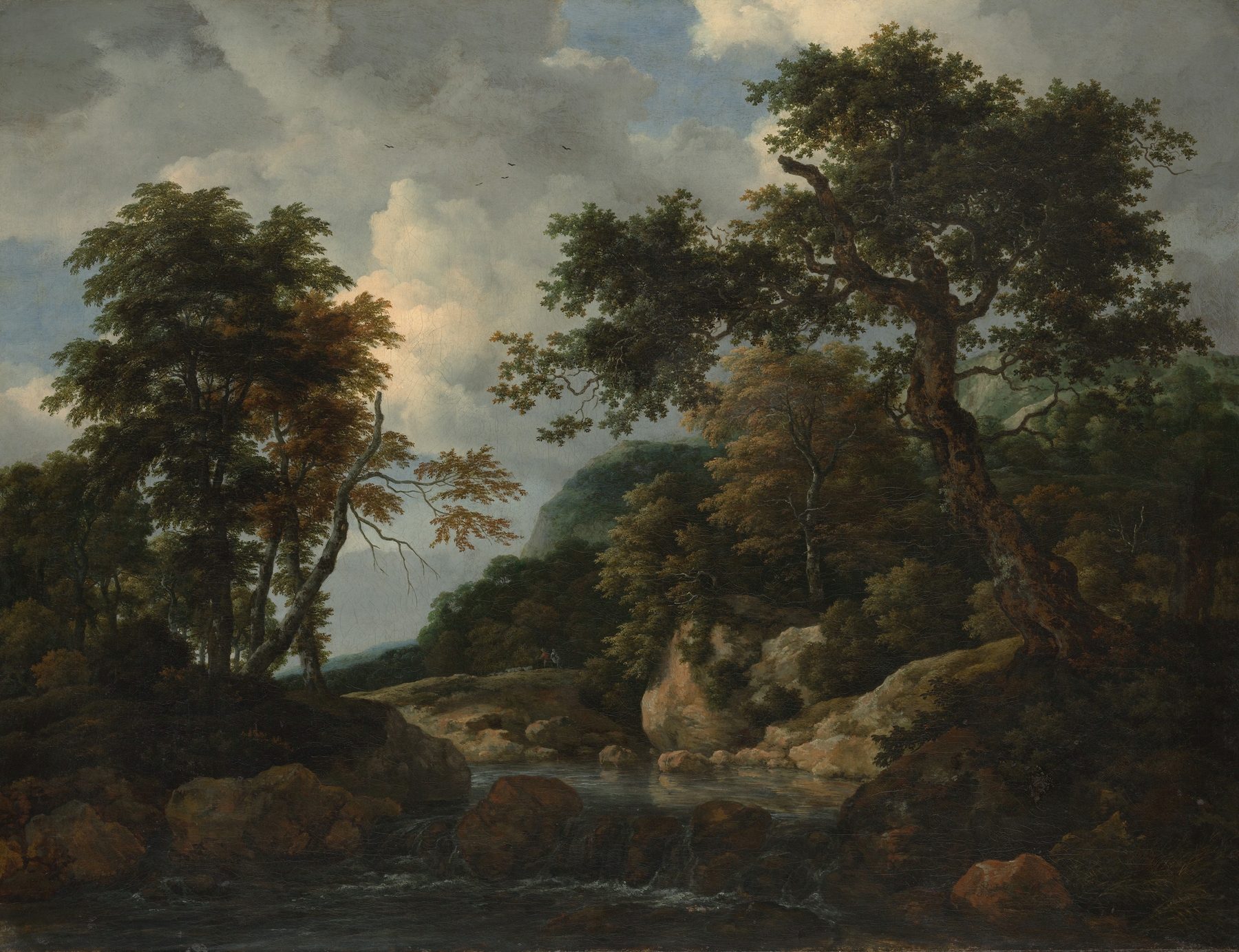
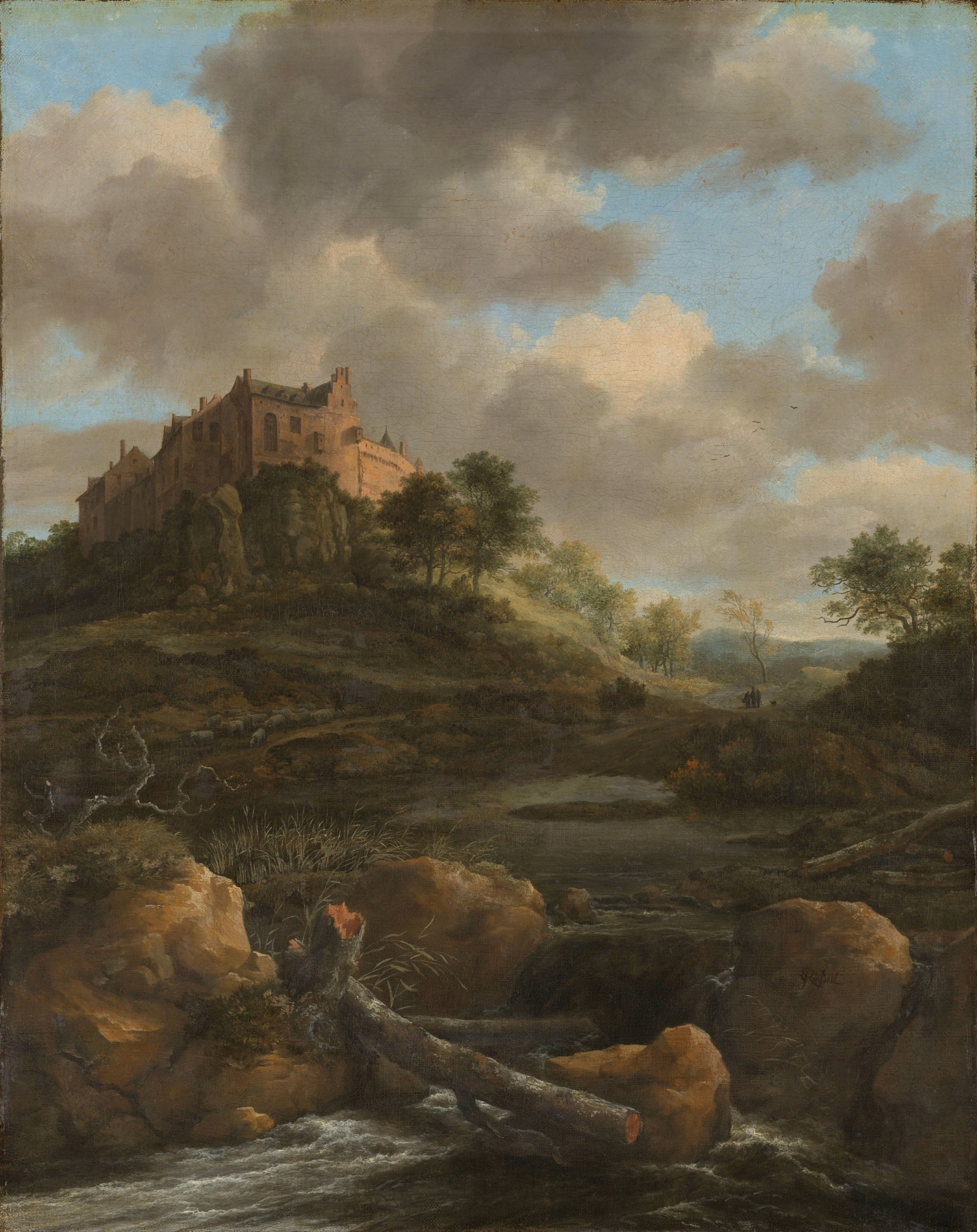
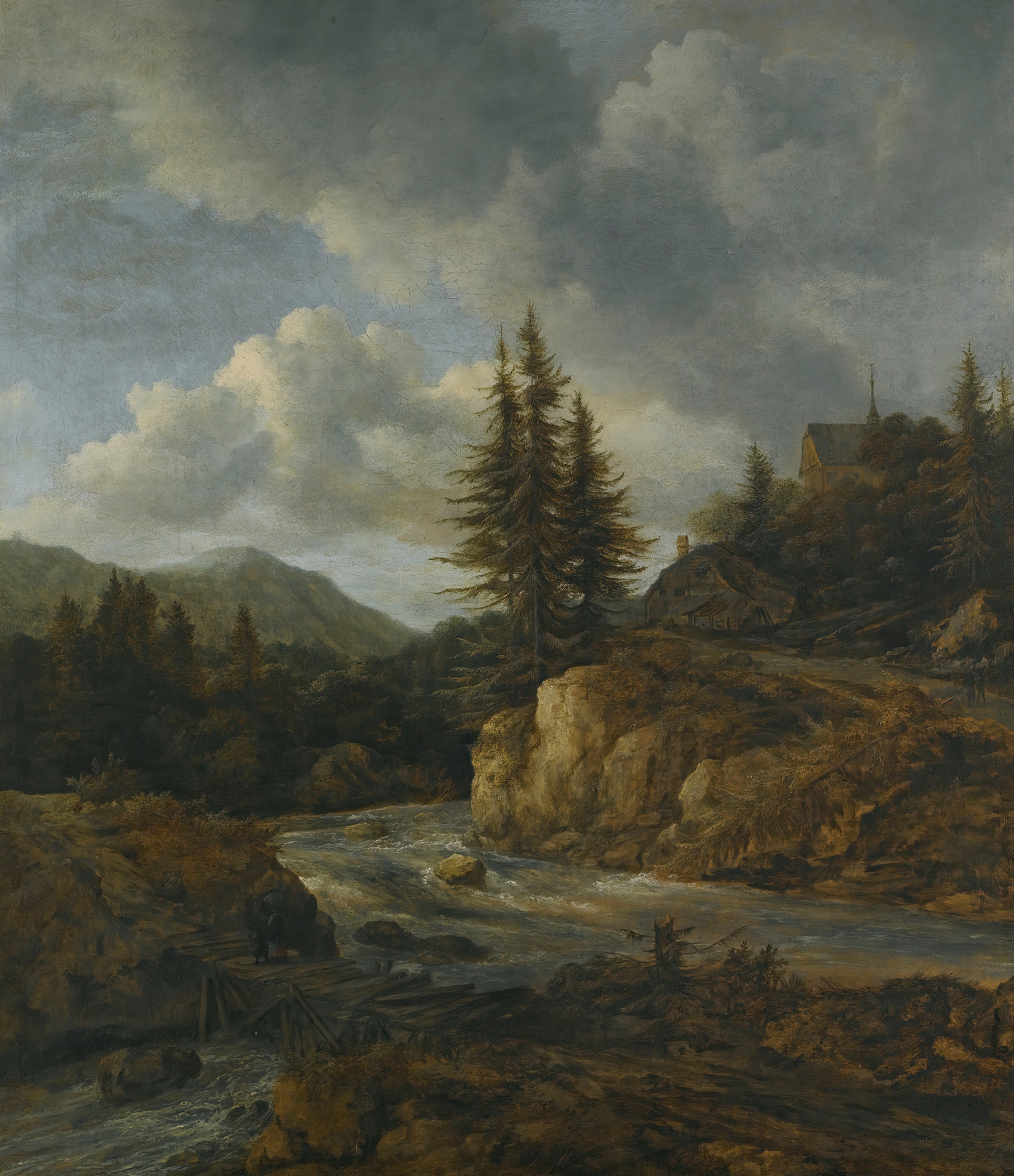
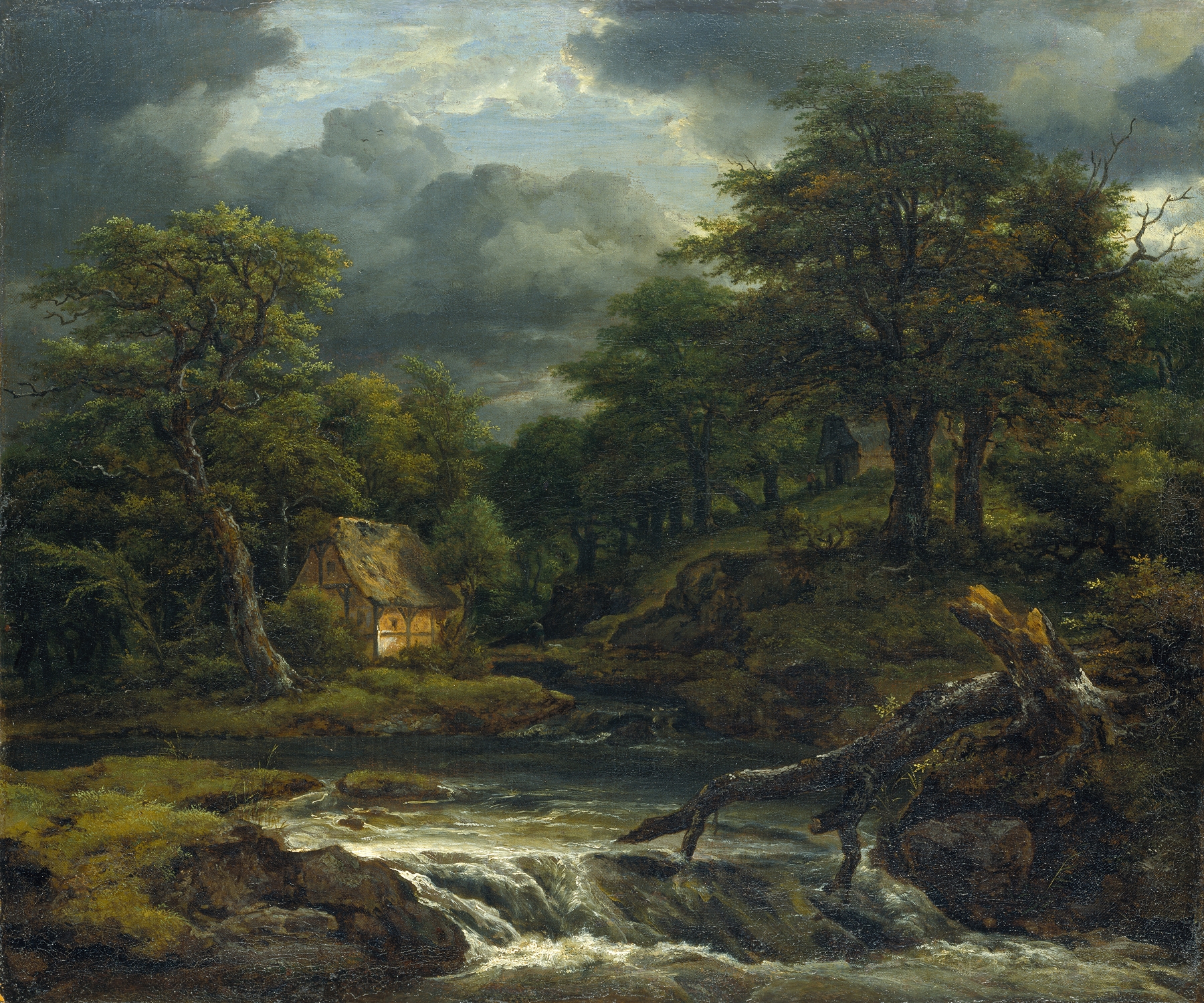
Can paint confess what words never could? In Wooded Landscape with Waterfall and Approaching Storm, nature's tumult speaks volumes, inviting us to reflect on our own faith amidst chaos. Look to the left at the towering trees, their dark trunks reaching skyward, heavy with the weight of impending rain. The waterfall cascades down rocks in the center, its frothy water contrasting starkly against the deep greens and brooding grays that dominate the landscape. Notice how the light breaks through the dense foliage, illuminating patches of ground and catching the mist rising from the stream, creating a dance of brightness within the encroaching darkness.
The composition draws the eye upward, where clouds gather ominously, hinting at a storm that is both feared and anticipated. Within this scene lies a duality of serenity and foreboding. The waterfall symbolizes life’s relentless movement, while the storm reflects the tempest of uncertainty that often accompanies faith. The juxtaposition of tranquil nature against the threat of chaos evokes a meditation on trust—trust in nature's cycles, in the beauty of the moment, and in the unseen forces that shape our lives.
Each brushstroke seems to whisper of resilience, suggesting that within turmoil lies the potential for renewal. Created around 1655, this work emerged during a time of profound change in Europe—the Dutch Golden Age was flourishing, yet it bore witness to religious tensions and societal shifts. Van Ruisdael, rooted in a tradition of landscape painting, sought to capture the sublime power of nature while reflecting the spiritual and philosophical inquiries of his time. His exploration of the natural world resonated deeply, inviting viewers to engage with the mysteries that lay beyond their immediate perception.