The Windmill at Wijk bij Duurstede — History & Analysis
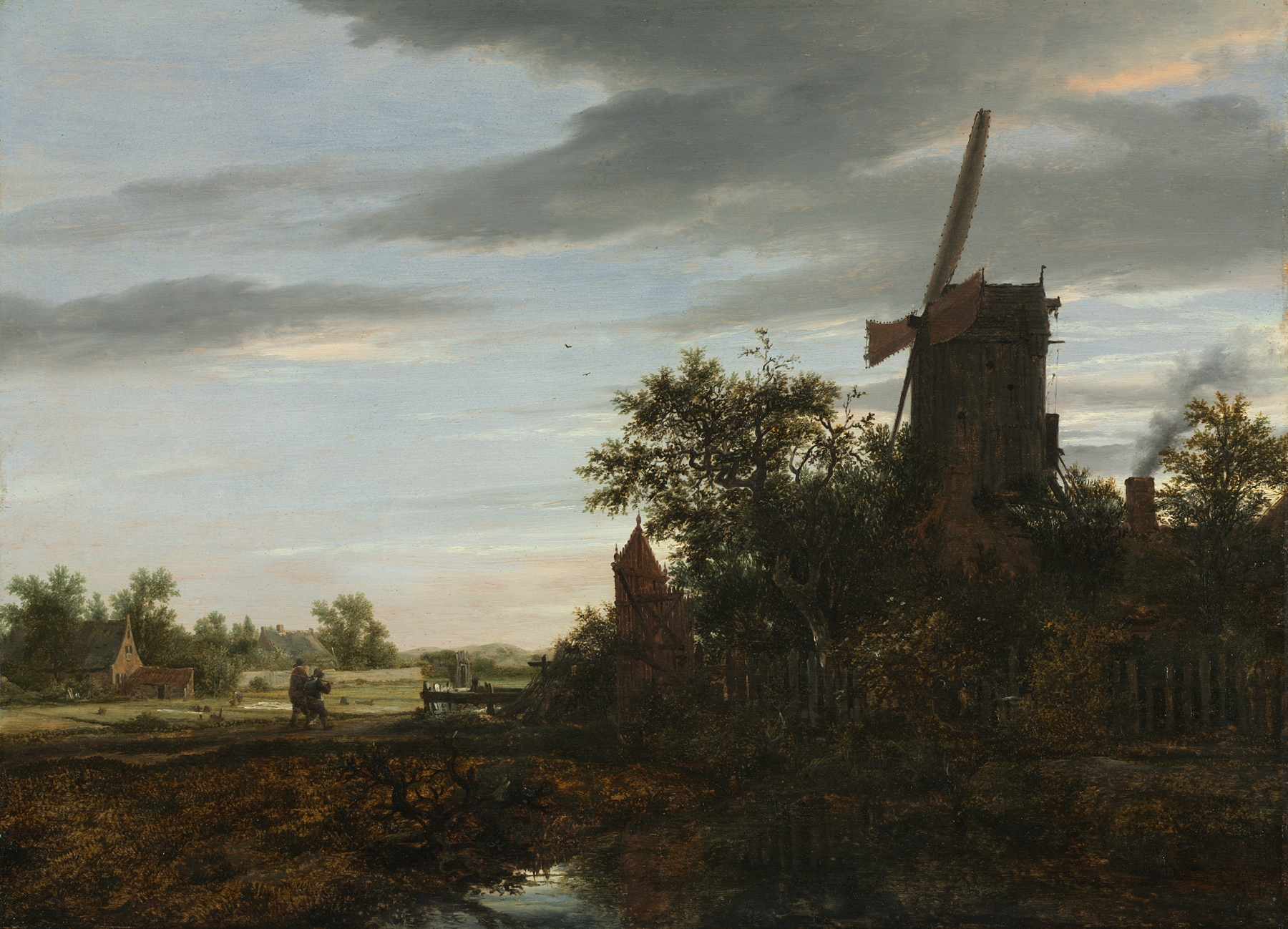
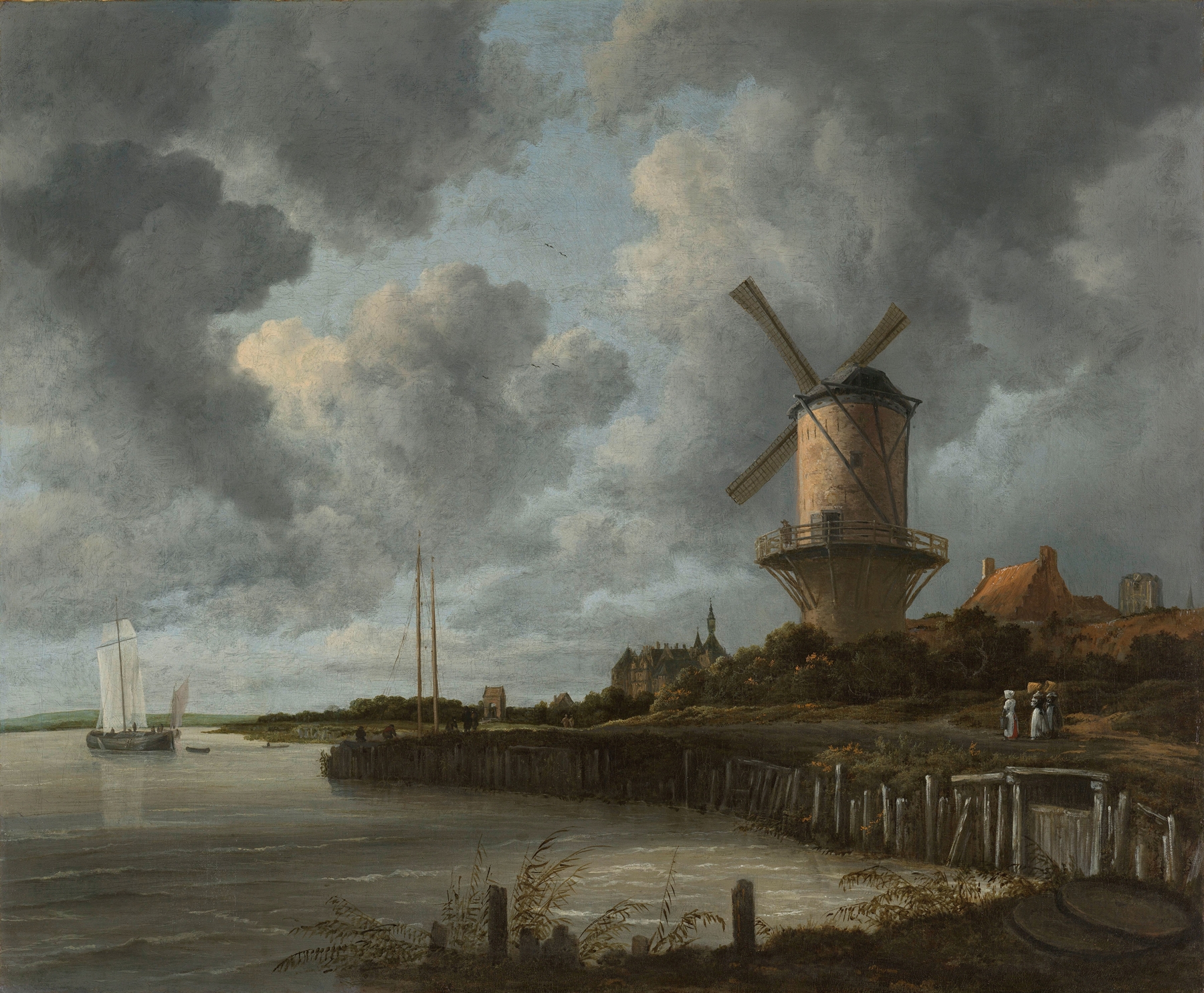
“The canvas doesn’t lie — it simply waits.” In the stillness of a landscape, time unfurls like a delicate petal, revealing the divine in the mundane. Each brushstroke whispers secrets of nature and humanity, encapsulating a moment that yearns for contemplation. Look to the left at the windmill, its towering silhouette a sentinel over the tranquil scene. Notice how the pale blue sky, flecked with soft white clouds, embraces the golden fields below.
The interplay of light and shadow across the land invites your gaze to wander, revealing the intricate textures of grass and earth. The palette of muted greens and browns reflects the serenity of rural life, while the distant horizon suggests infinite possibilities. Delve deeper into the scene and you’ll find contrasts that speak to the essence of existence. The windmill, a symbol of human endeavor, rises majestically yet humbly against the vast sky, reminding us of our smallness in the face of nature’s grandeur.
The tranquil waters at the forefront mirror the surrounding beauty, blurring the lines between reality and reflection, evoking meditative stillness. Each element coalesces into a tapestry of divine presence that transcends the ordinary. In the late 1660s, the artist was immersed in the Dutch Baroque period, painting this piece in his homeland while exploring landscapes that conveyed profound emotional resonance. As Europe grappled with the aftermath of the Thirty Years' War, the artist found solace in the simplicity of rural life, capturing a world that was both intimate and expansive, echoing the spiritual connection between humanity and the divine.