Landscape with Waterfall — History & Analysis
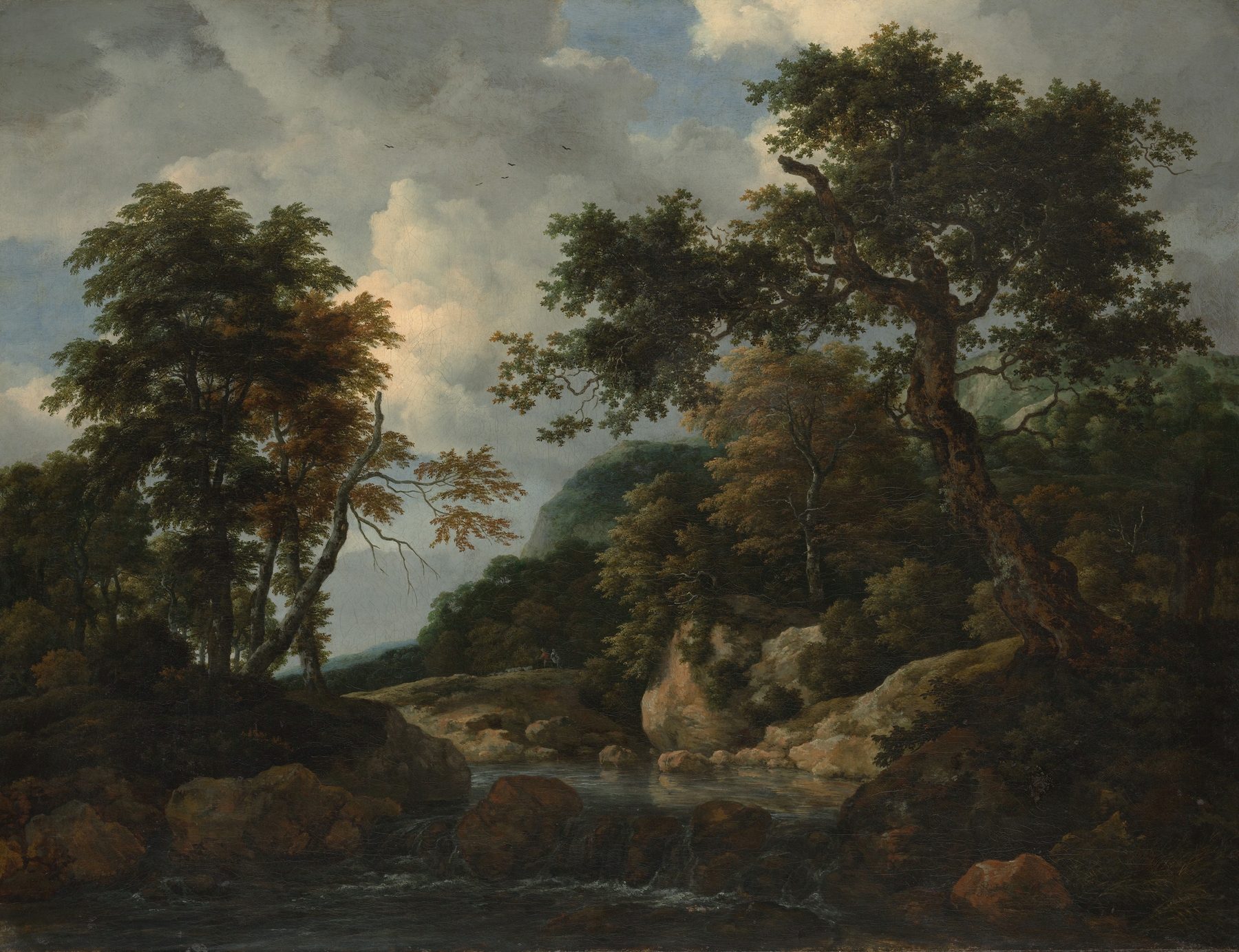
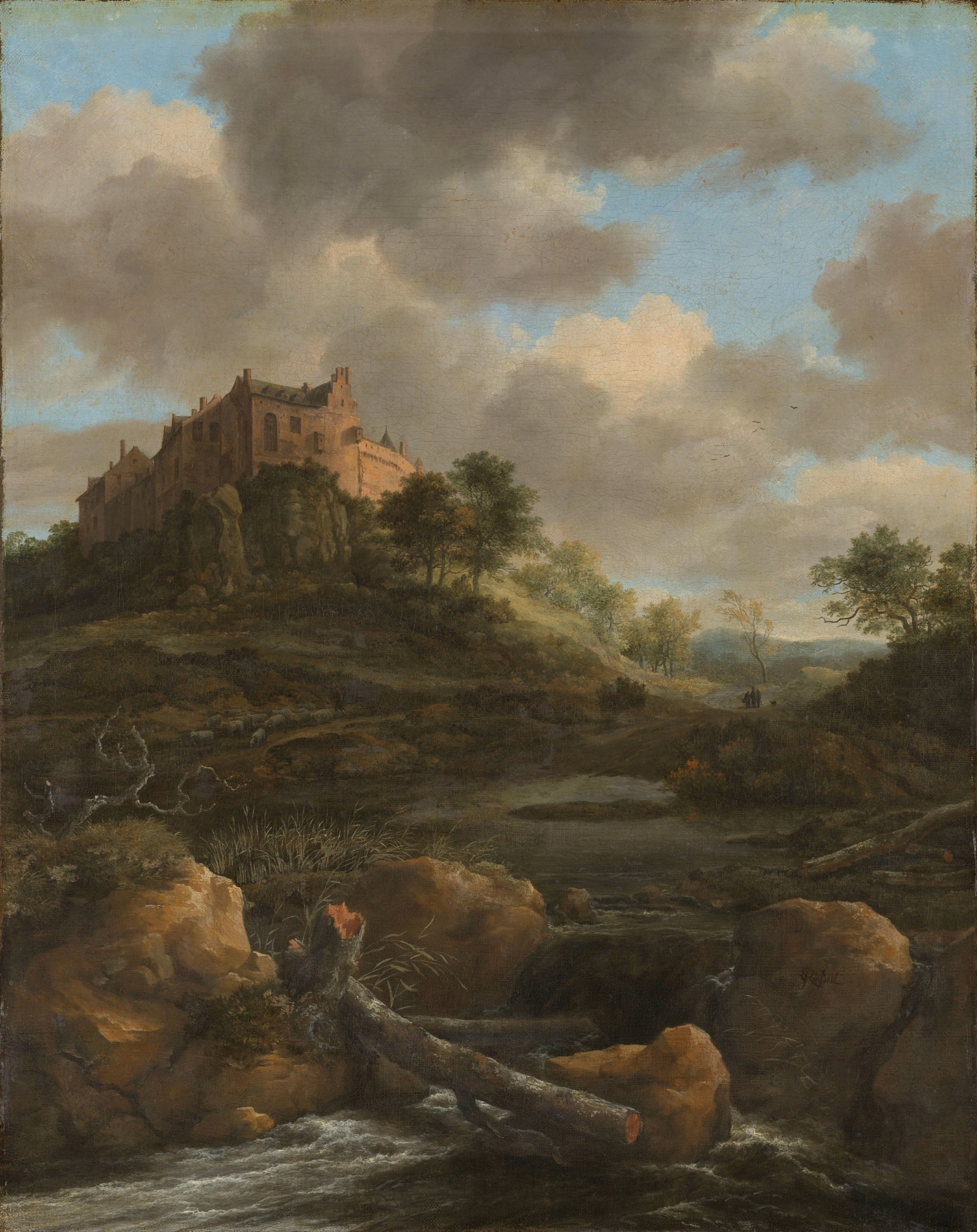
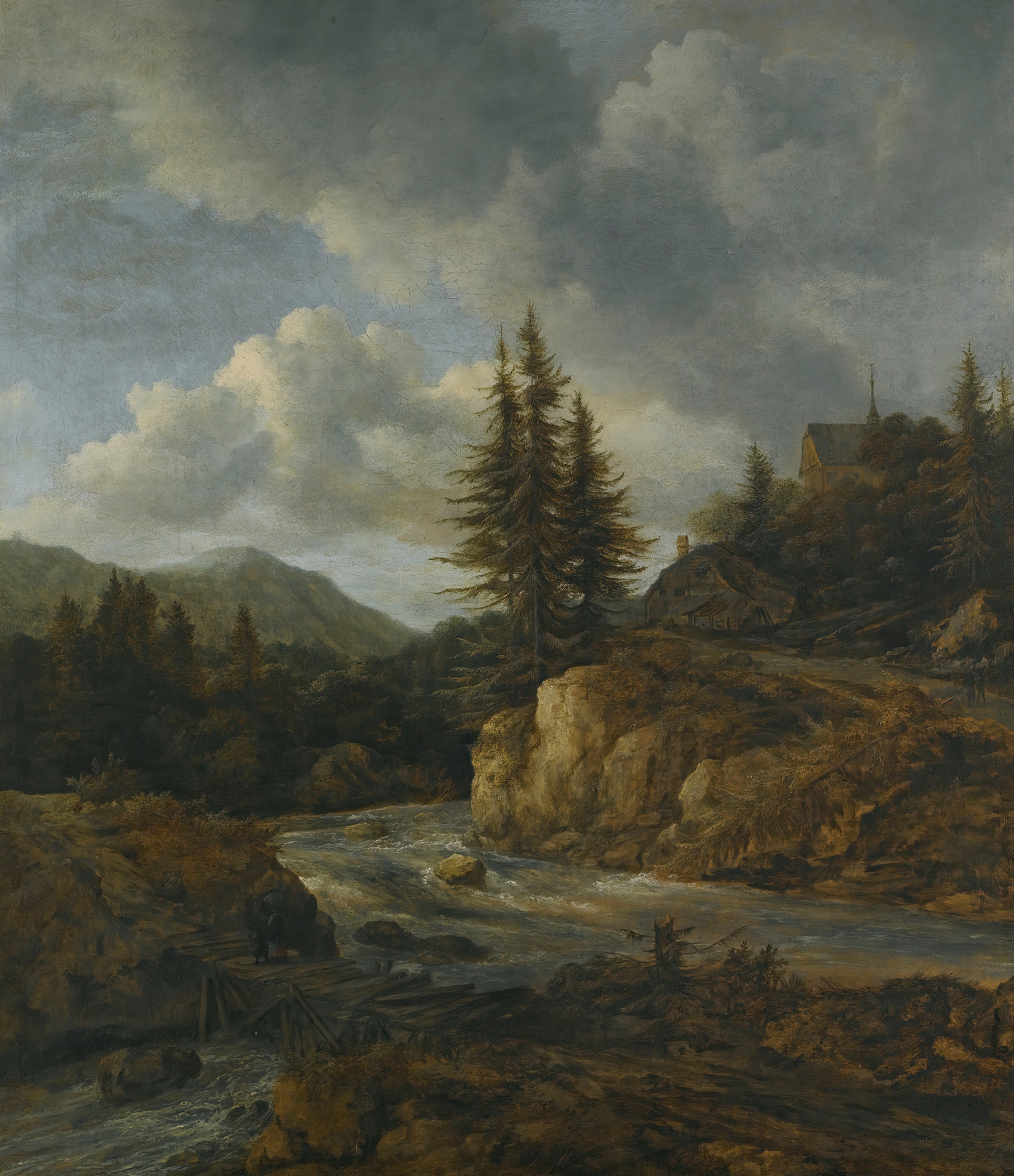
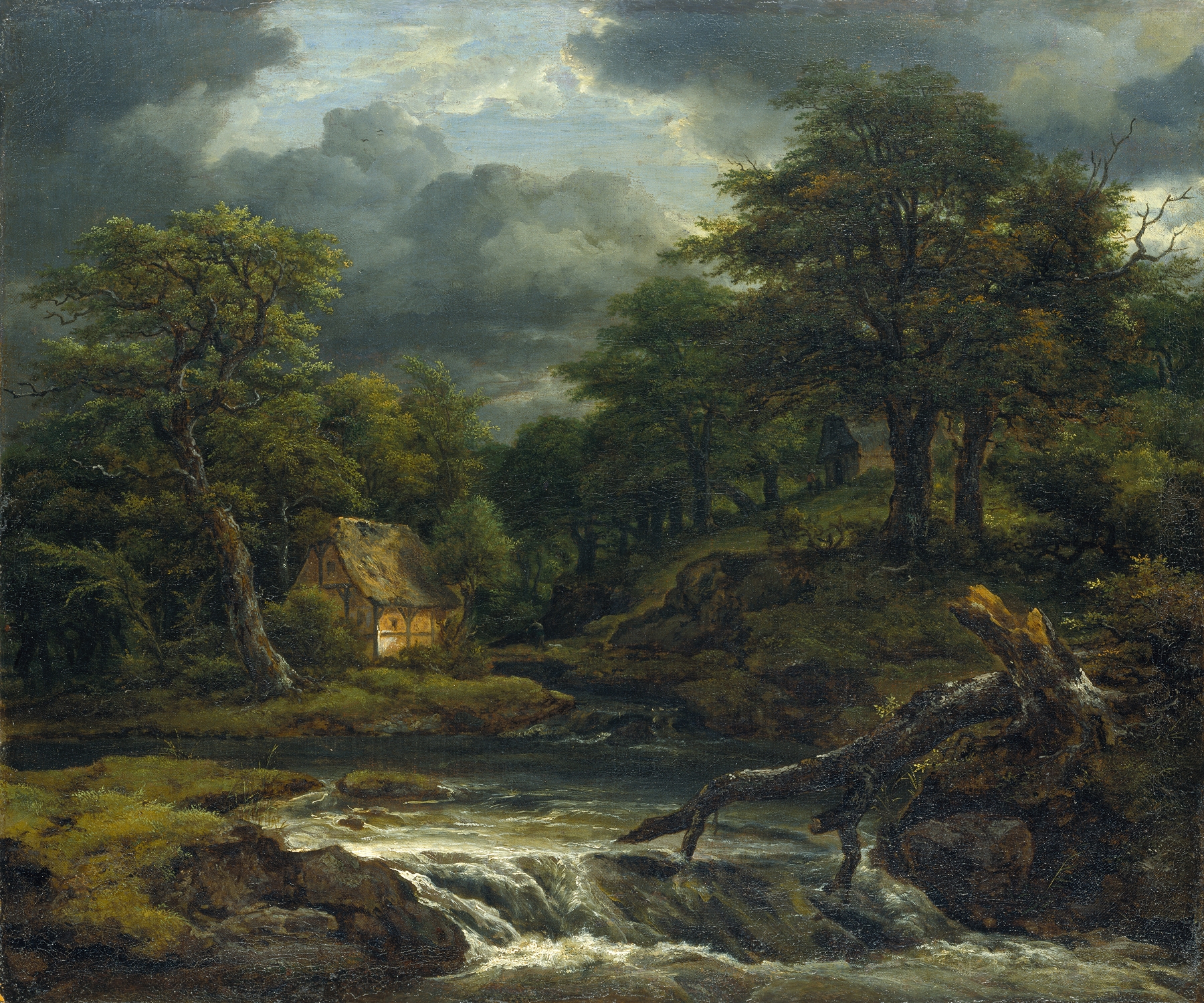
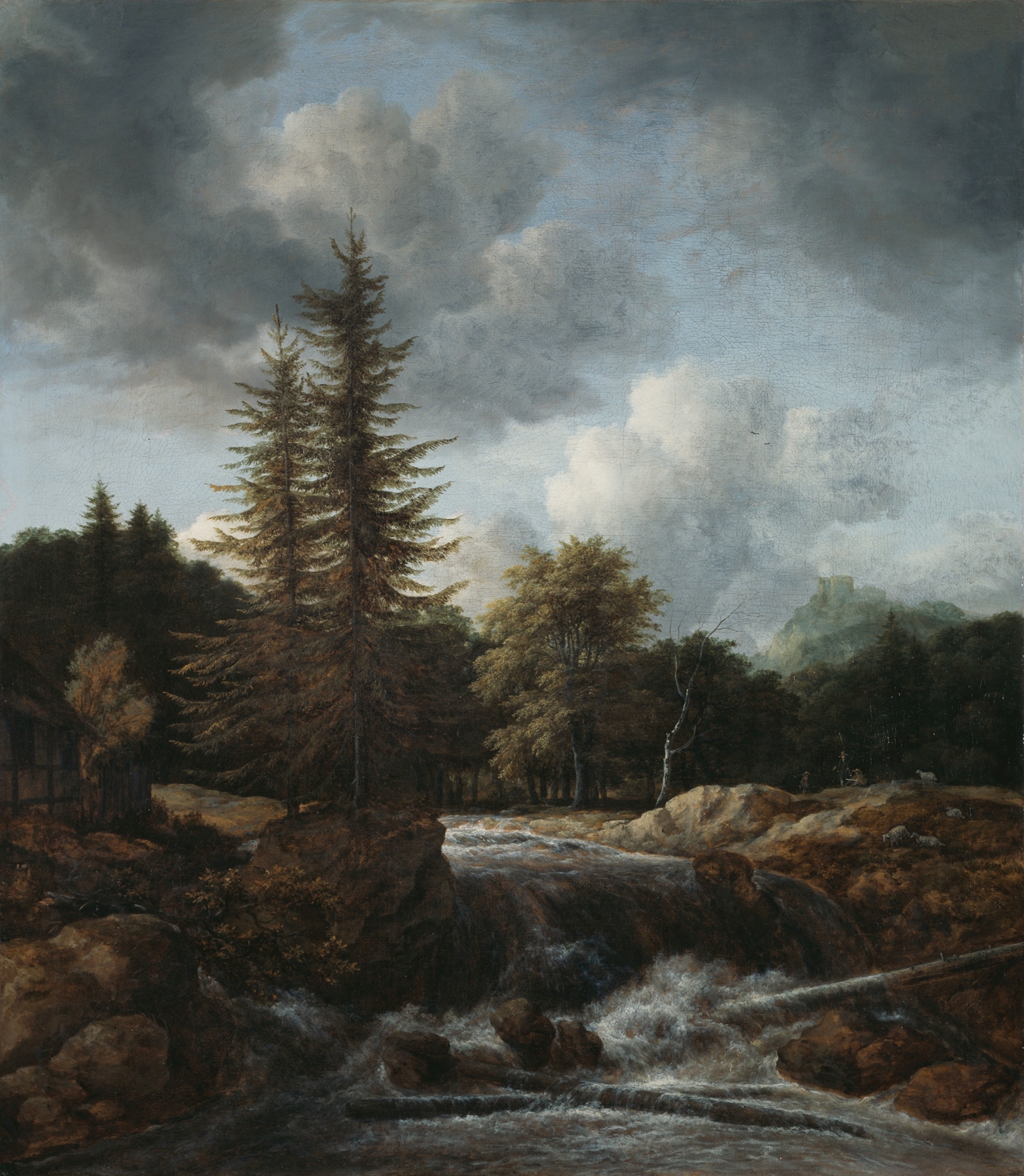
Could beauty survive in a century of chaos? In Landscape with Waterfall, a fleeting moment of tranquility amidst turbulent times reveals the resilience of nature’s splendor. Look to the left at the cascading waterfall, its silvery rush forming a luminous ribbon against a backdrop of rich greens and earthy browns. The light dances across the water’s surface, creating a stark contrast with the dark, brooding clouds that loom overhead.
Notice how the trees frame the scene, their gnarled branches stretching upward, almost pleading for the sun's warmth, while the painter’s deft brushstrokes breathe life into the foliage and flowing water, inviting you to explore the vitality of this landscape. Beneath the serene surface lies a profound tension between light and dark. The brightness of the waterfall starkly opposes the shadowy cliffs, suggesting a struggle between hope and despair. This interplay highlights the cyclical nature of life and the ever-present possibility of renewal, even when surrounded by ominous foreboding.
The subtle details—the delicate highlights on the water and the varied textures of the rocks—create a dynamics that evoke a sense of longing and reverence for the untamed beauty of the world. Created in the Netherlands during a period of social and political upheaval, Ruisdael painted this work between 1660 and 1670. As the country grappled with the ramifications of war and economic instability, landscapes became a refuge for both artists and viewers. In this context, the painting stands as a testament to the enduring power of nature, offering a momentary escape and a reminder of beauty amidst chaos.