Berge de la Seine à Méricourt — History & Analysis
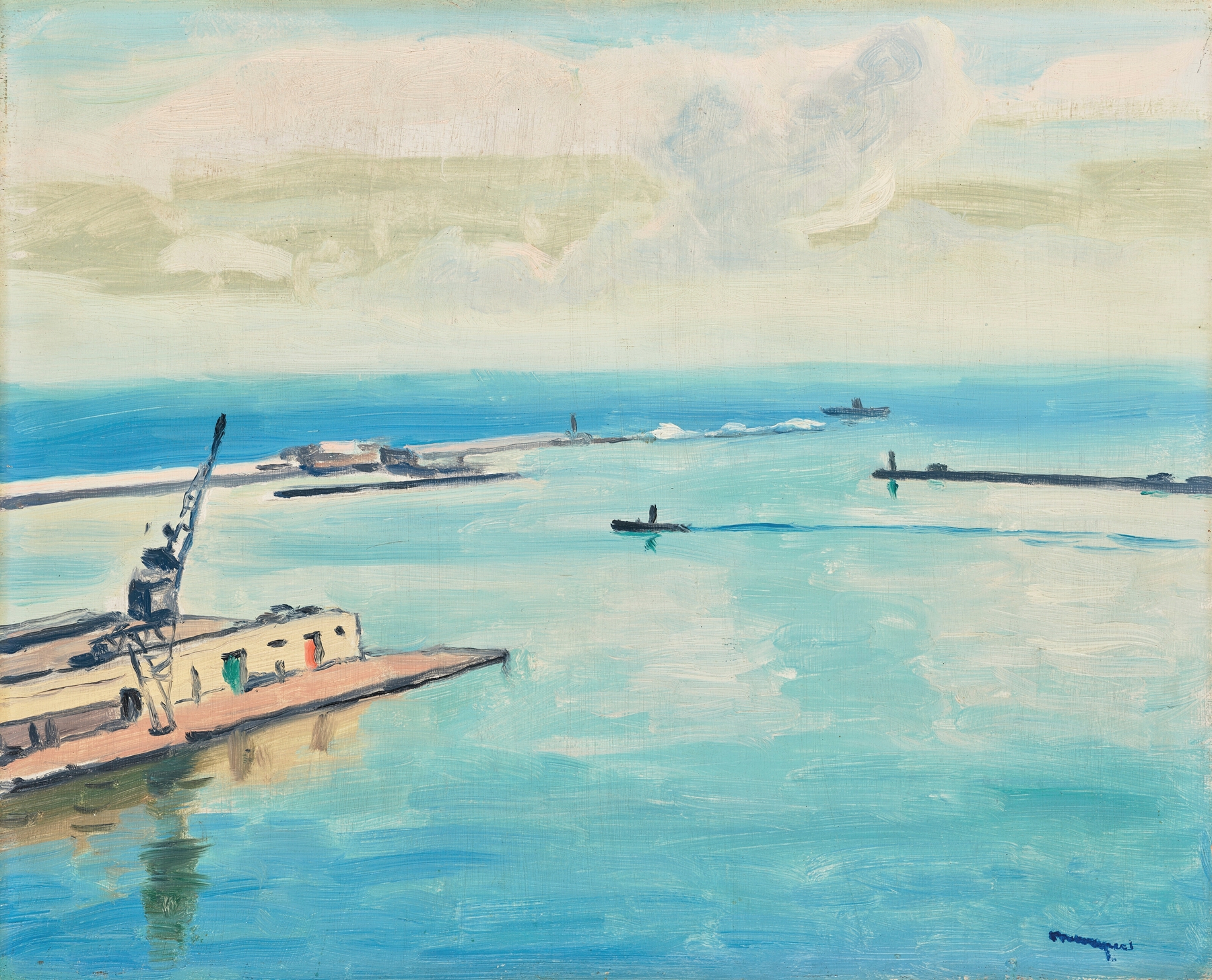
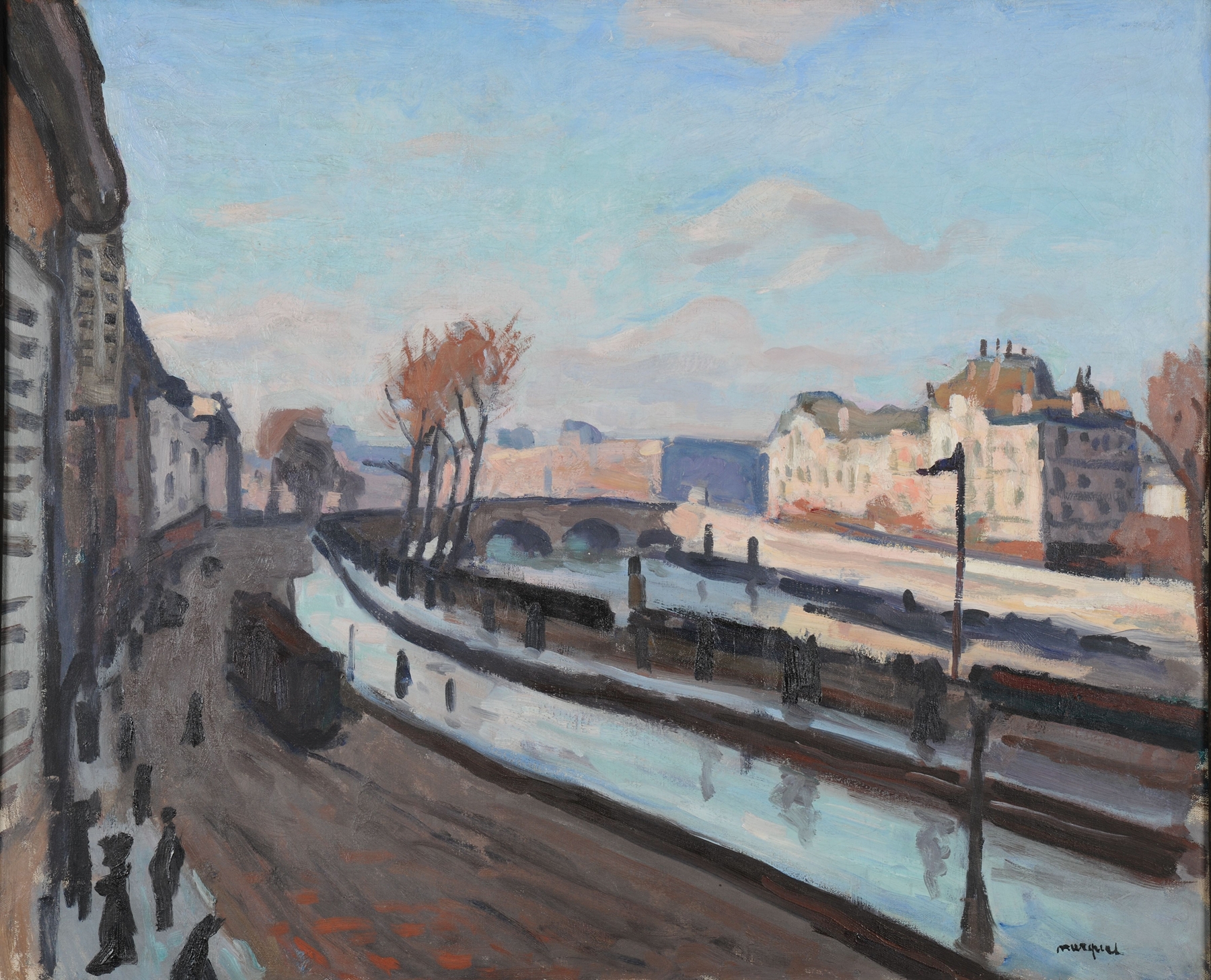
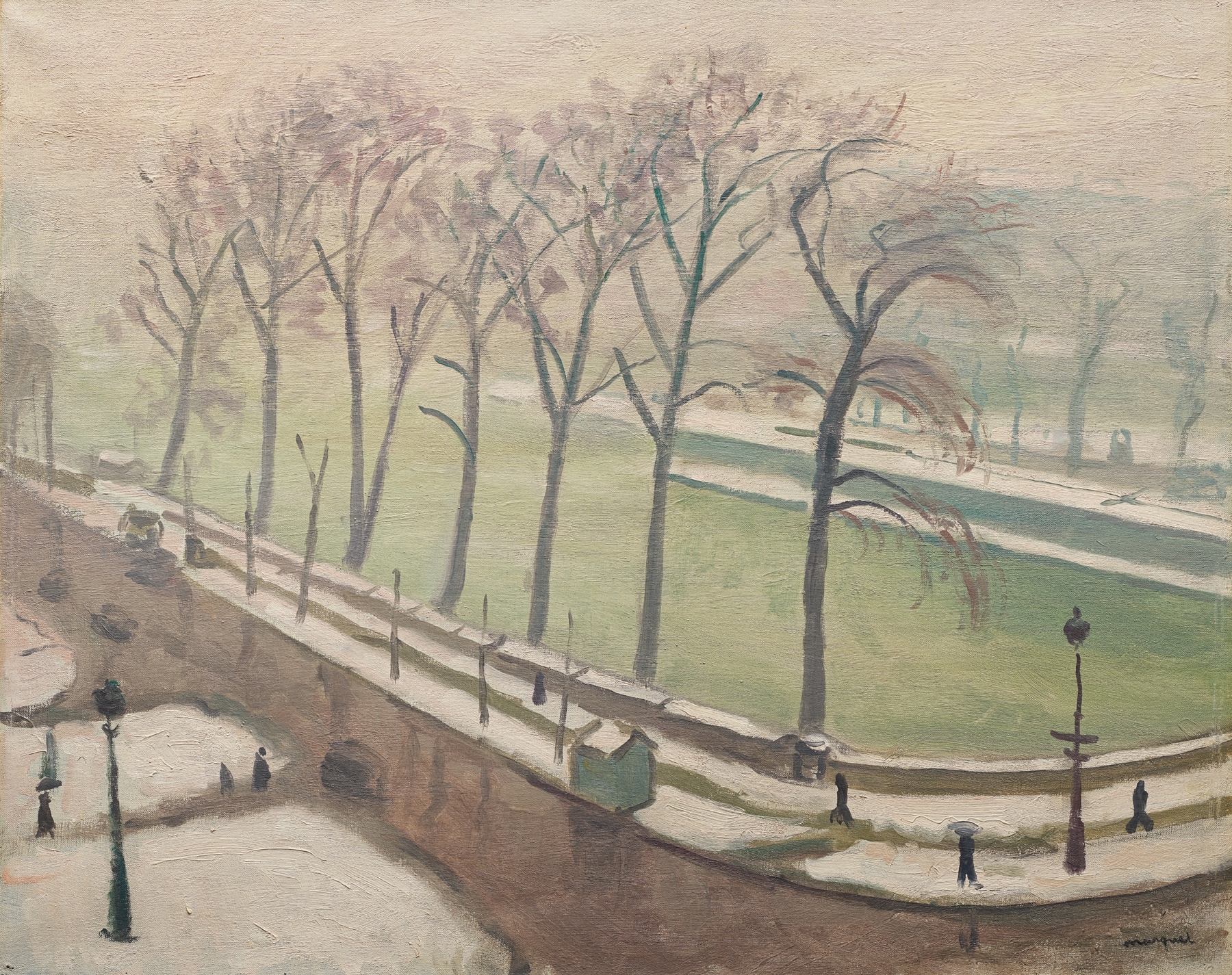
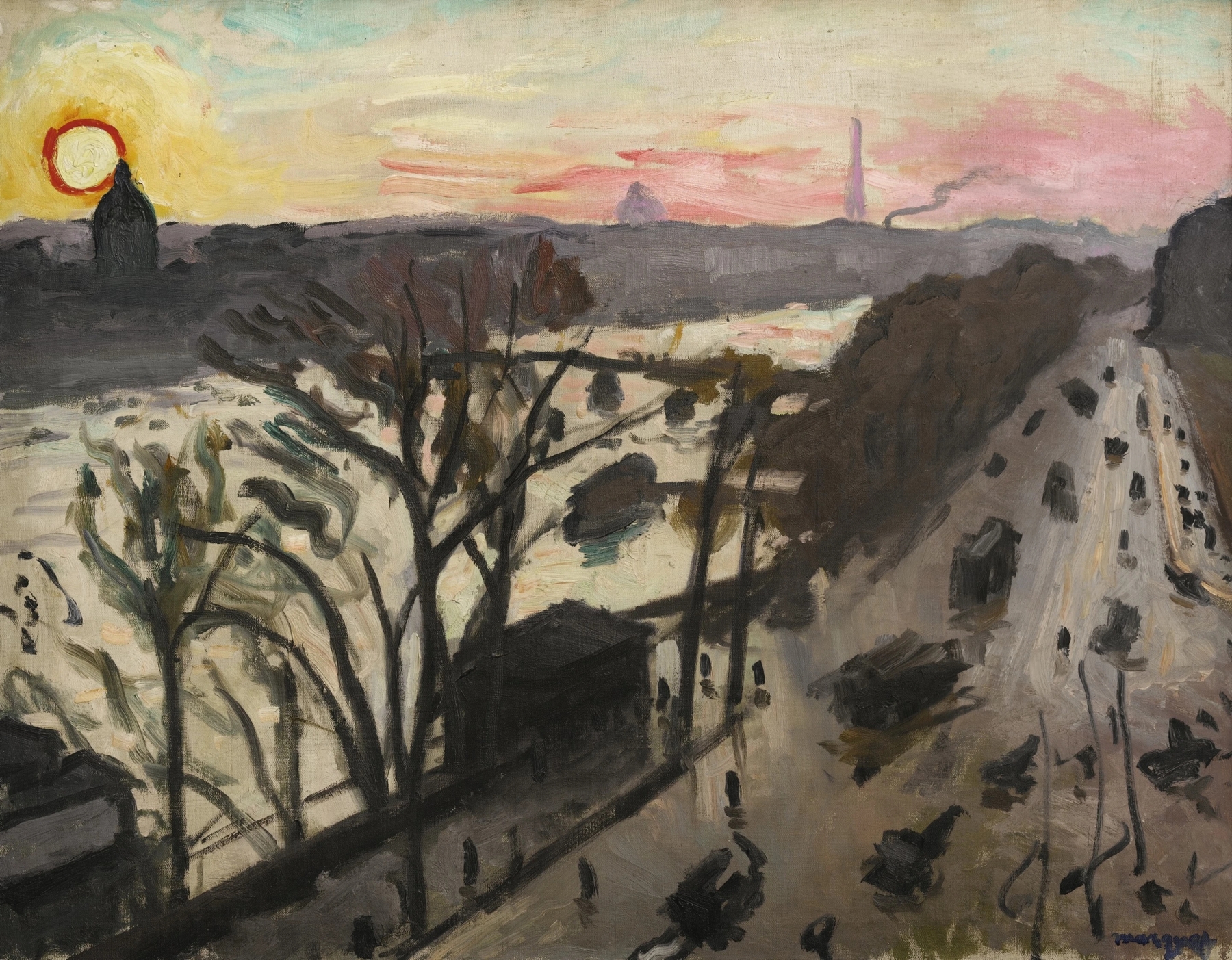
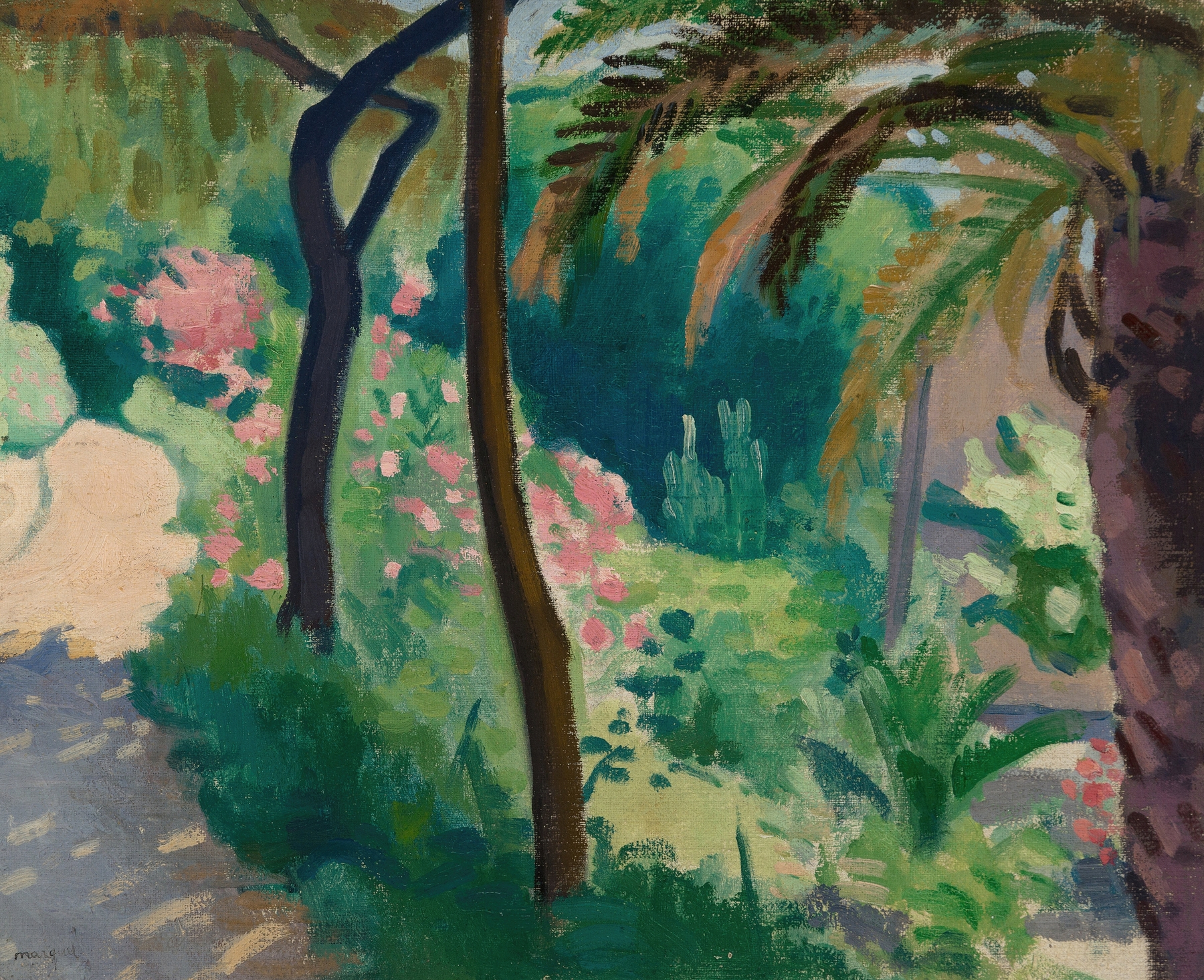
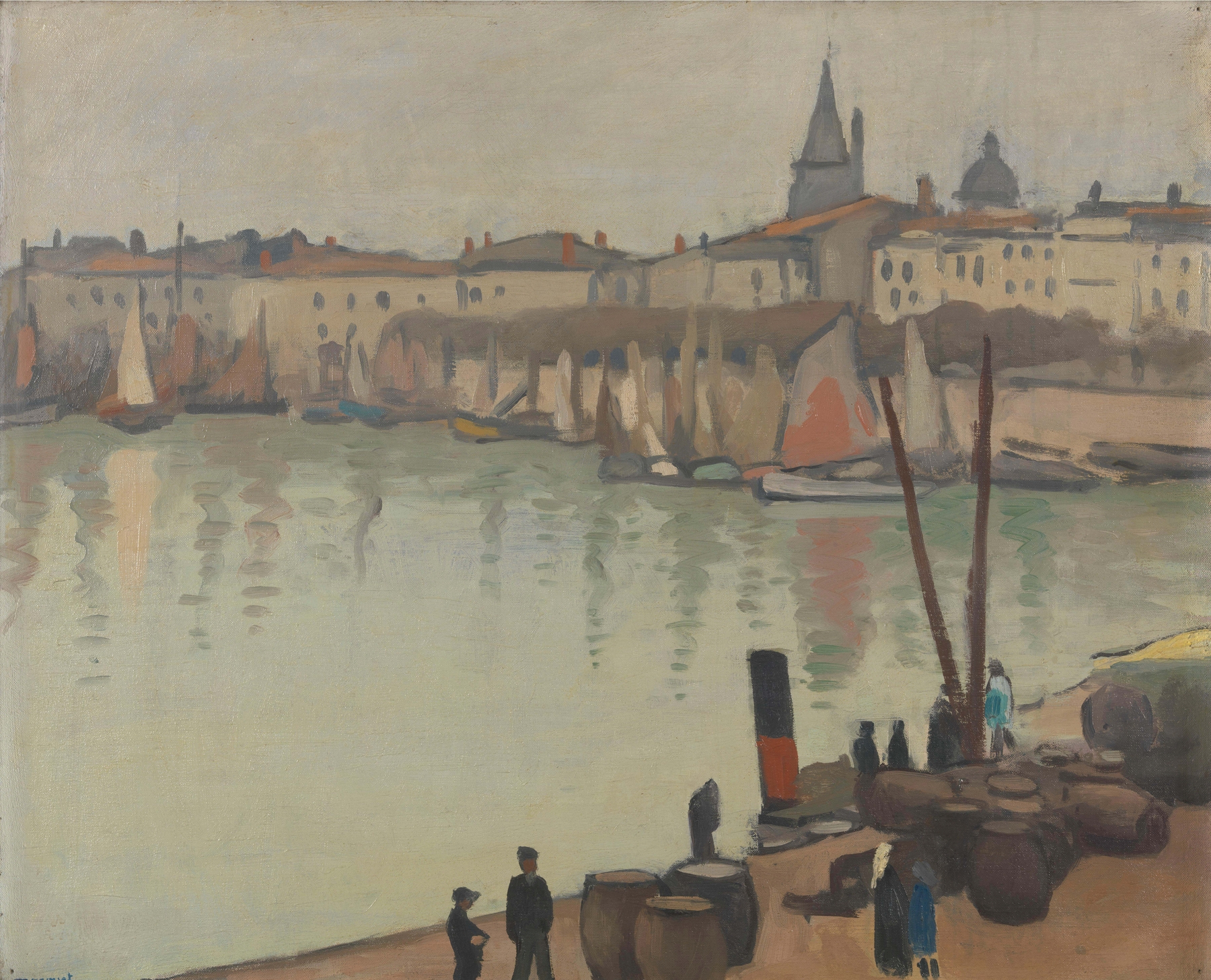
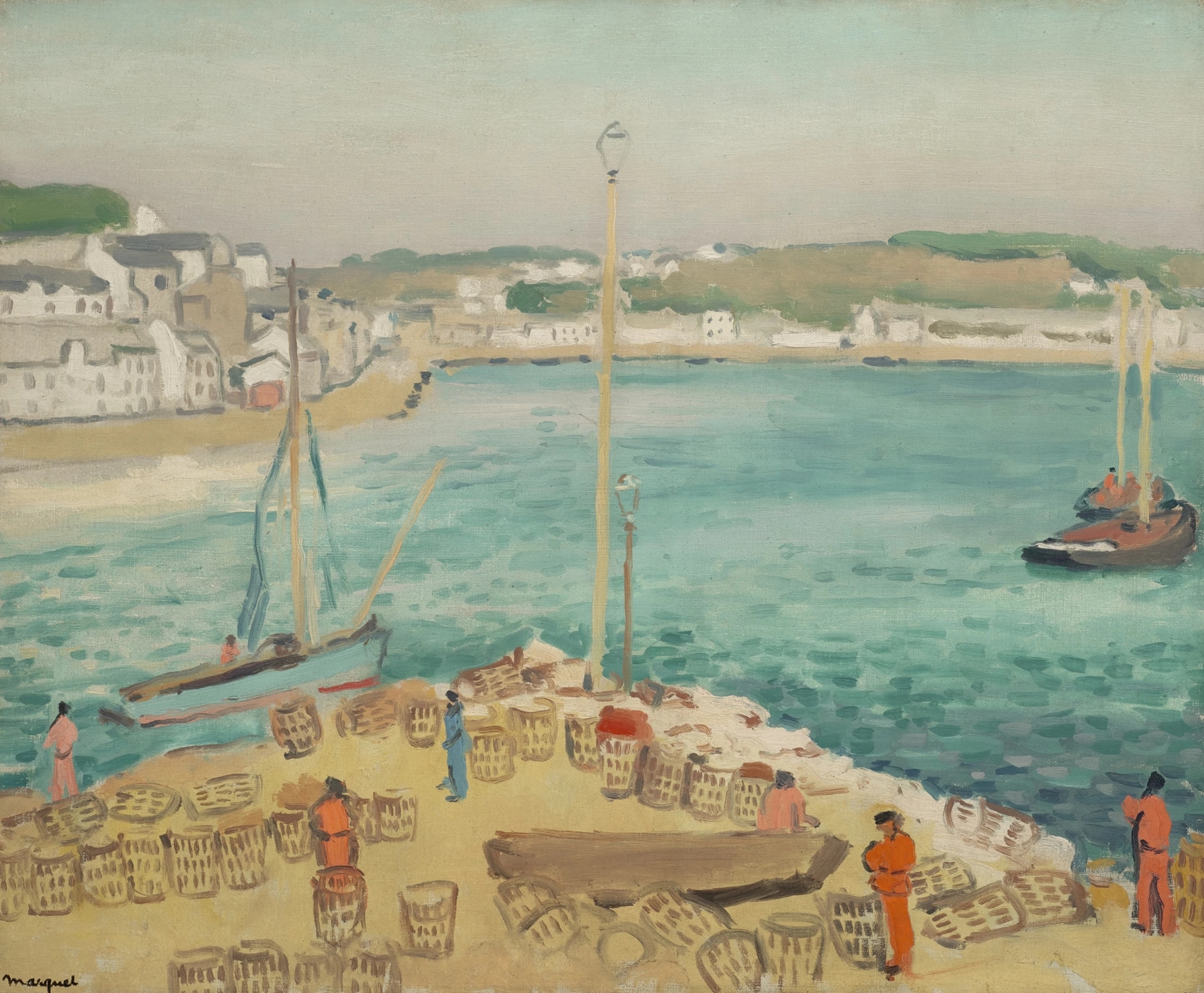
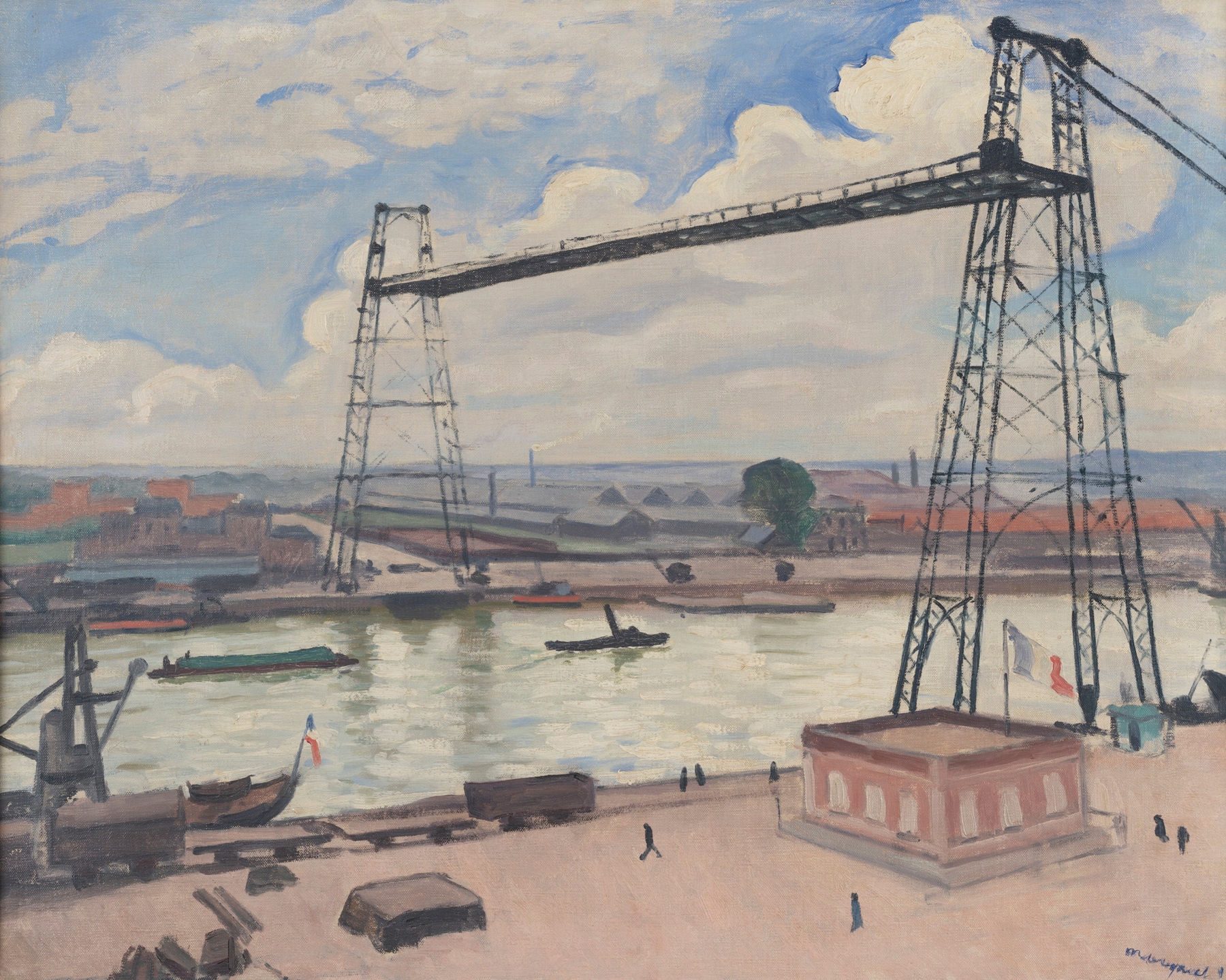
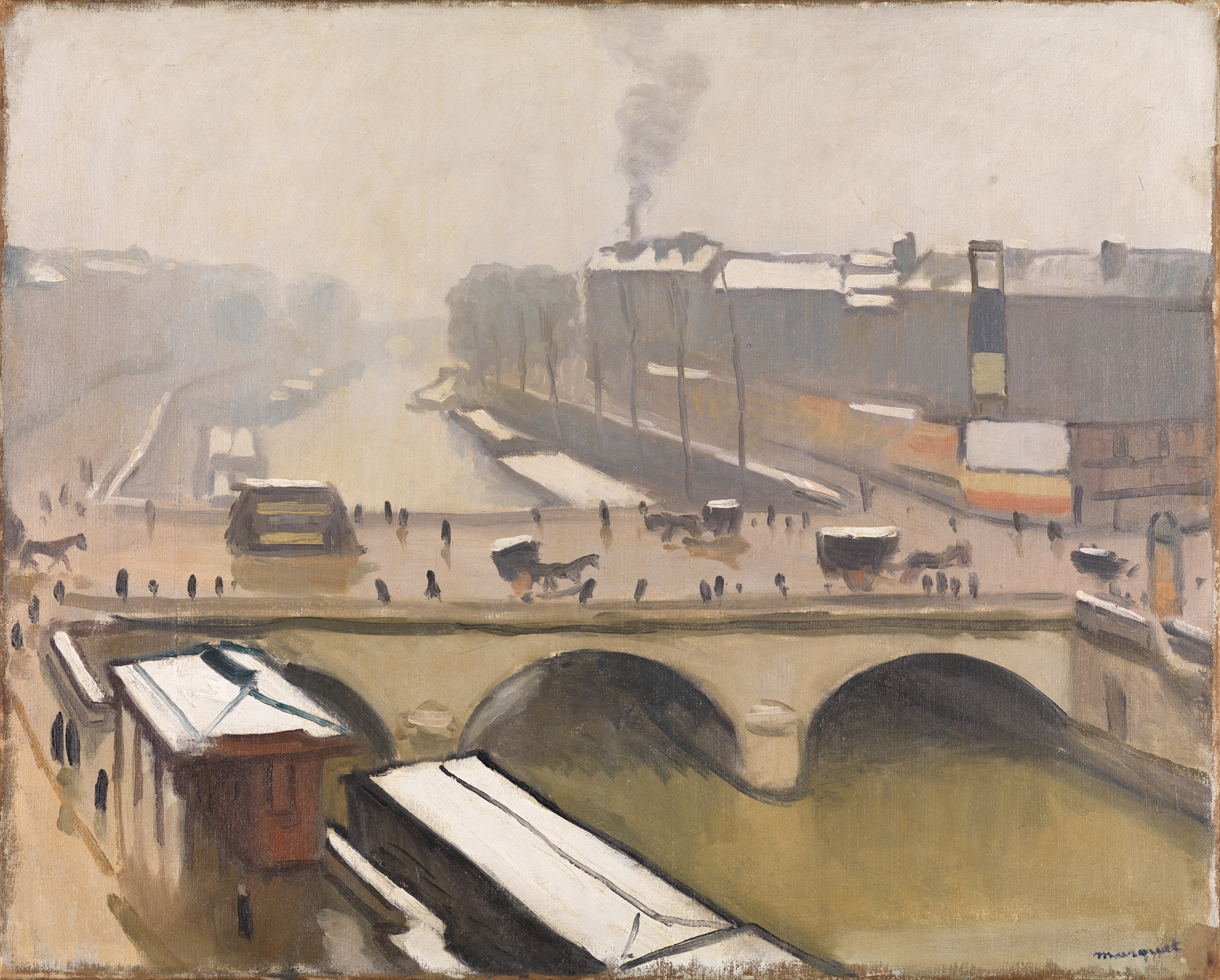
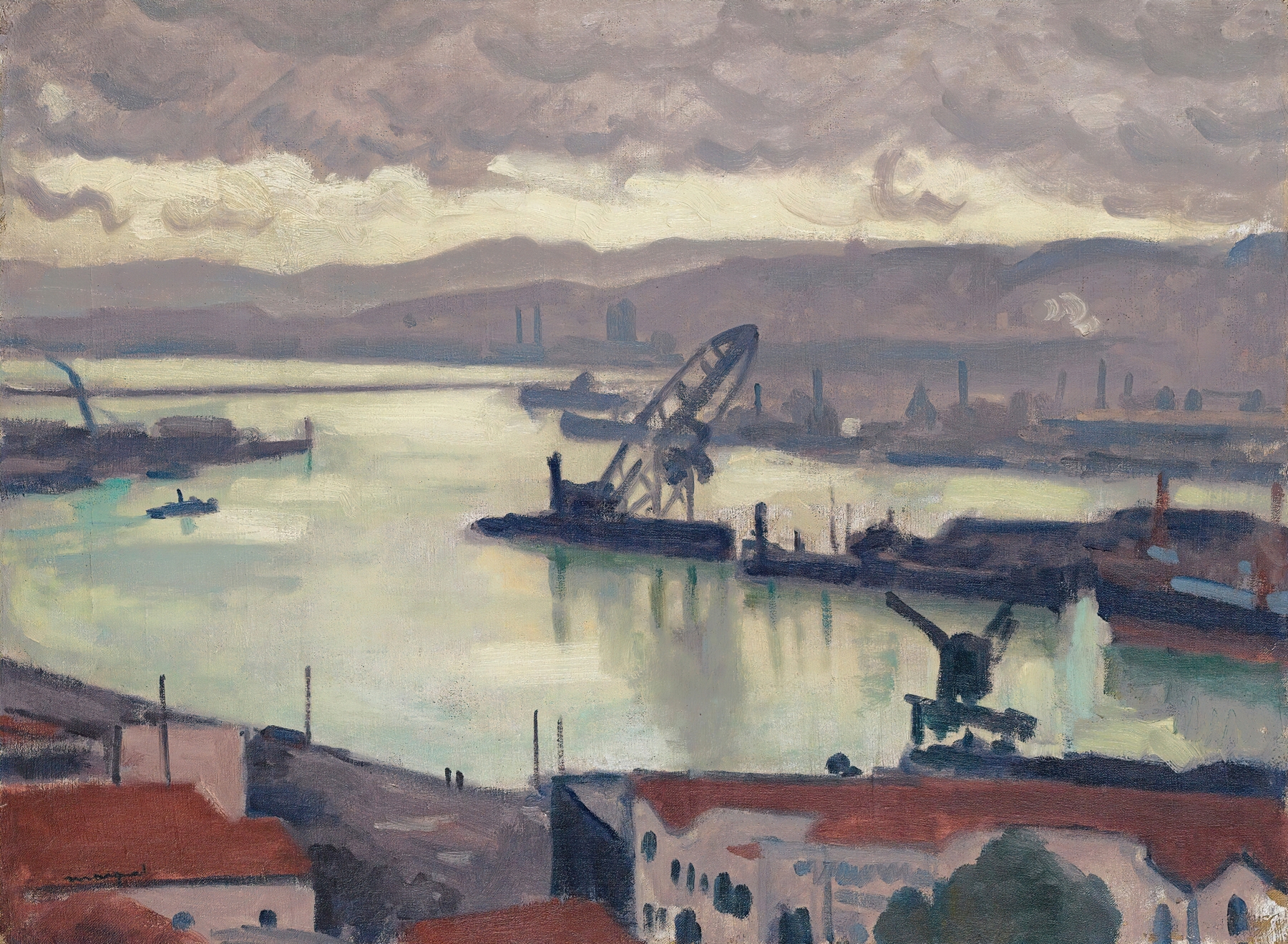
Could beauty survive in a century of chaos? In Berge de la Seine à Méricourt, the answer unfolds in strokes of vibrant yet haunting color, inviting contemplation on the fragility of nature amidst the passage of time. Look to the foreground where the Seine curls gracefully, its waters reflecting a blend of blues and greens that evoke serenity and nostalgia. The trees, dappled with sunlight, stand resolute, their rich foliage juxtaposed against the delicate brushwork that captures fleeting moments of light.
Notice the subtle balance of composition: the oversized sky, painted with soft, swirling clouds, envelops the scene and suggests a world both expansive and intimate. Yet, within this idyllic landscape, echoes of decay linger. The gentle curves of the river and the verdant banks hint at a beauty that may be slipping away, while the muted undertones whisper of a struggle against an encroaching modernity. The interplay between the vibrant colors and the underlying somber tones suggests a tension between life's ephemeral beauty and the inevitable decay that follows.
It prompts viewers to reflect on what remains amidst changing tides. In 1937, Albert Marquet was settled in Paris, reflecting the sociopolitical unrest of the pre-war era while still immersing himself in the vivid colors of Fauvism. This period marked a transformative phase in his career as he sought to capture the essence of landscapes, moving away from rigid representations to embrace a freer, more emotive expressionism. As the world faced uncertainty, his works became a serene rebuttal, a testament to the enduring allure of nature even as chaos loomed on the horizon.