Port of La Rochelle — History & Analysis
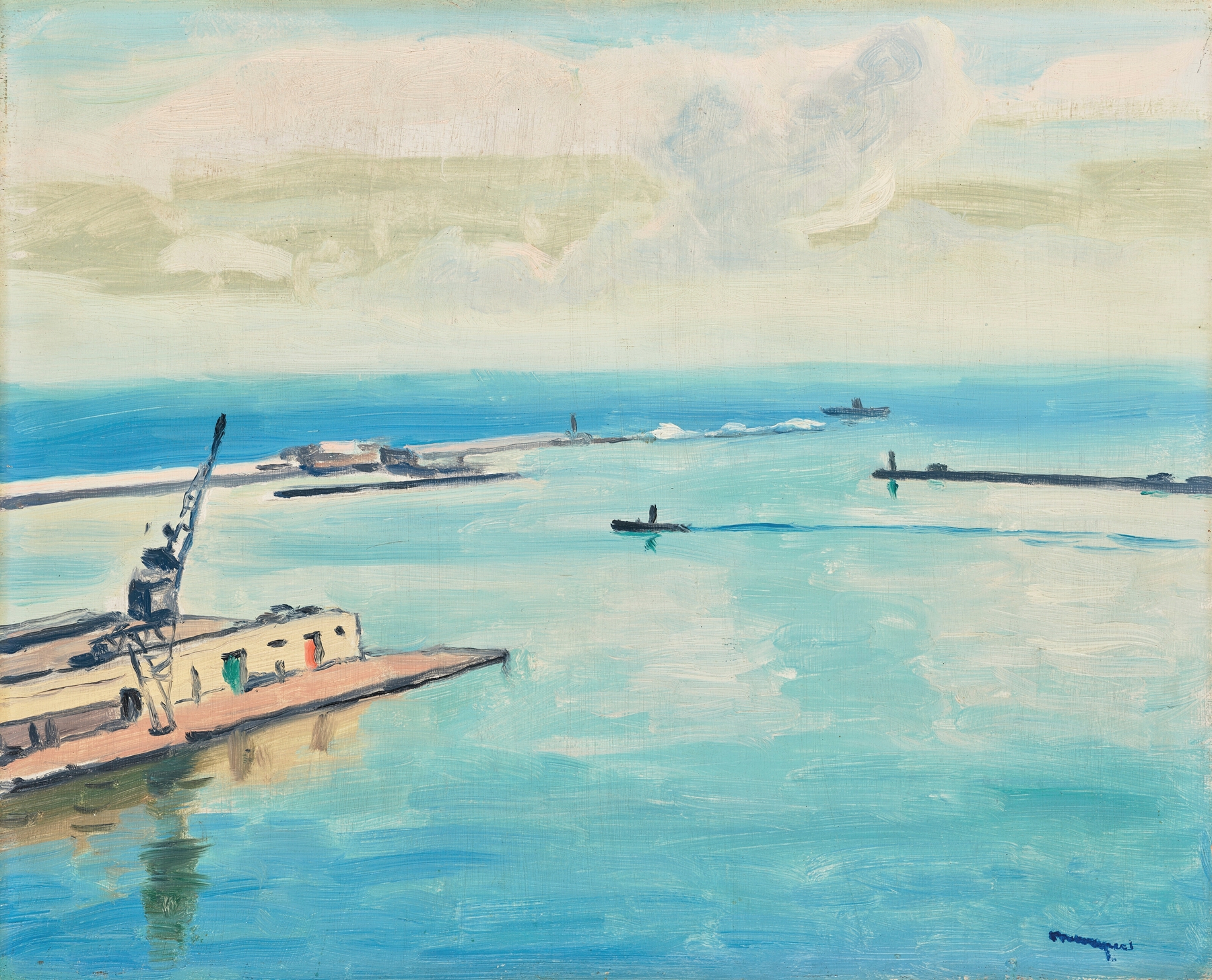
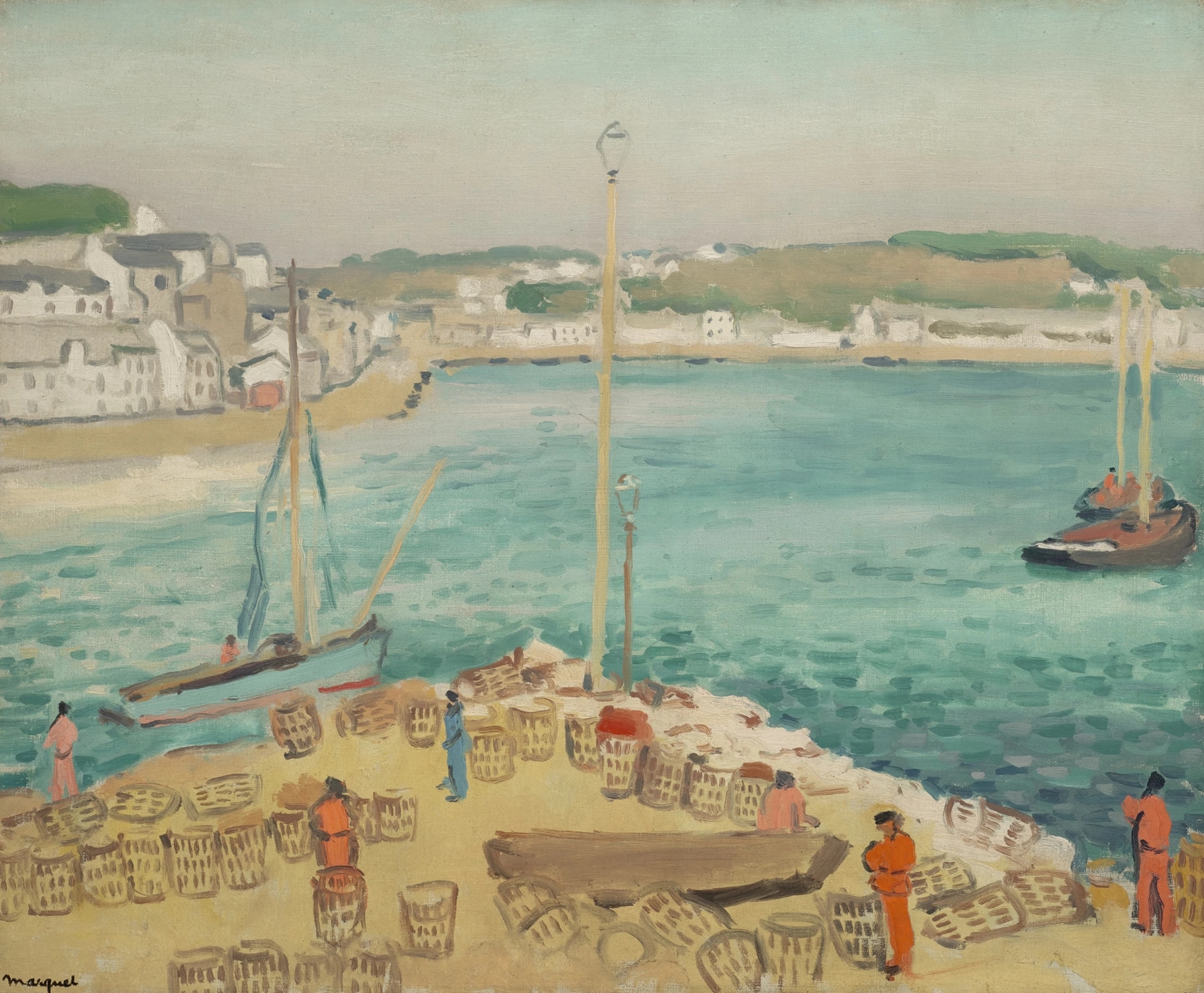
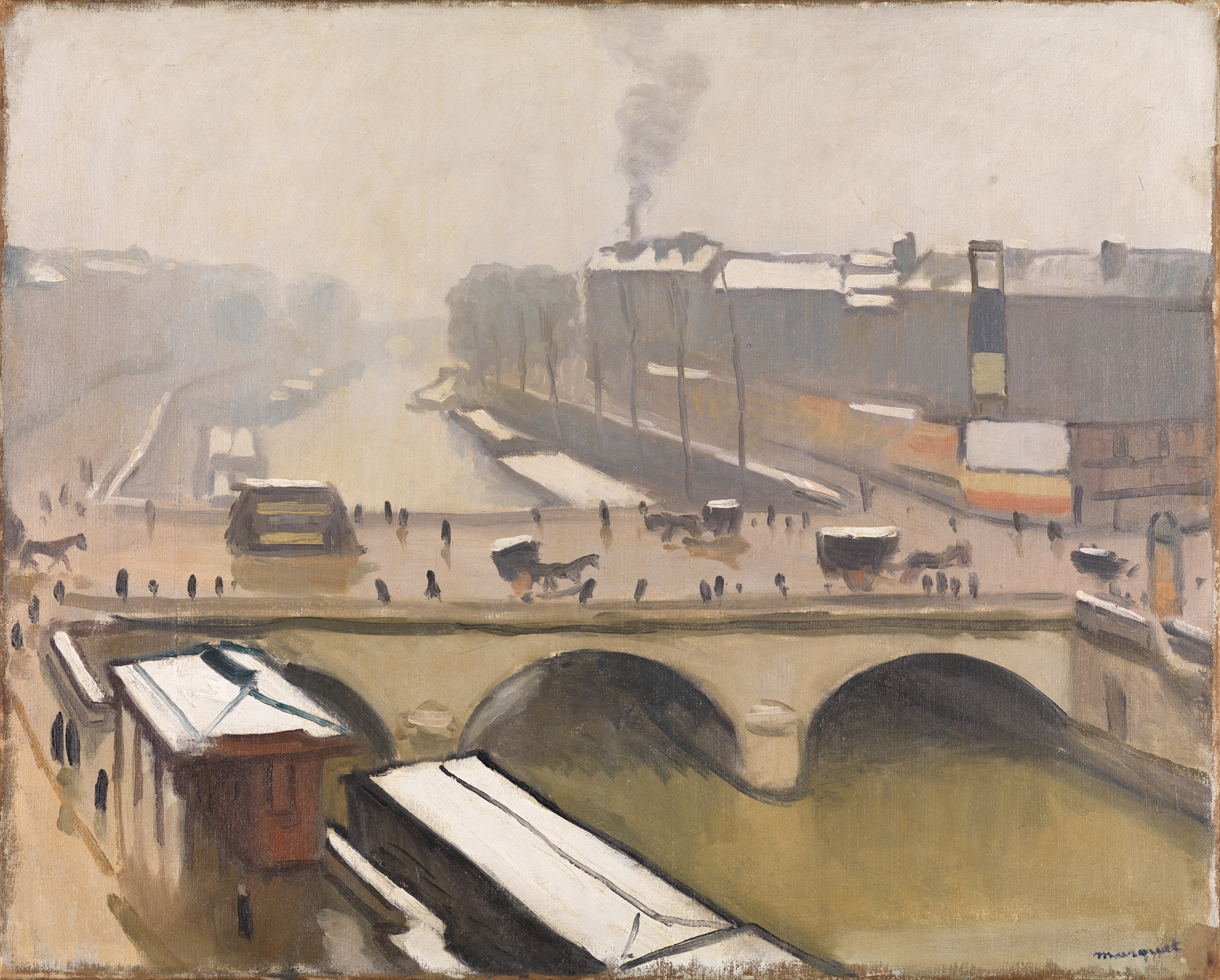
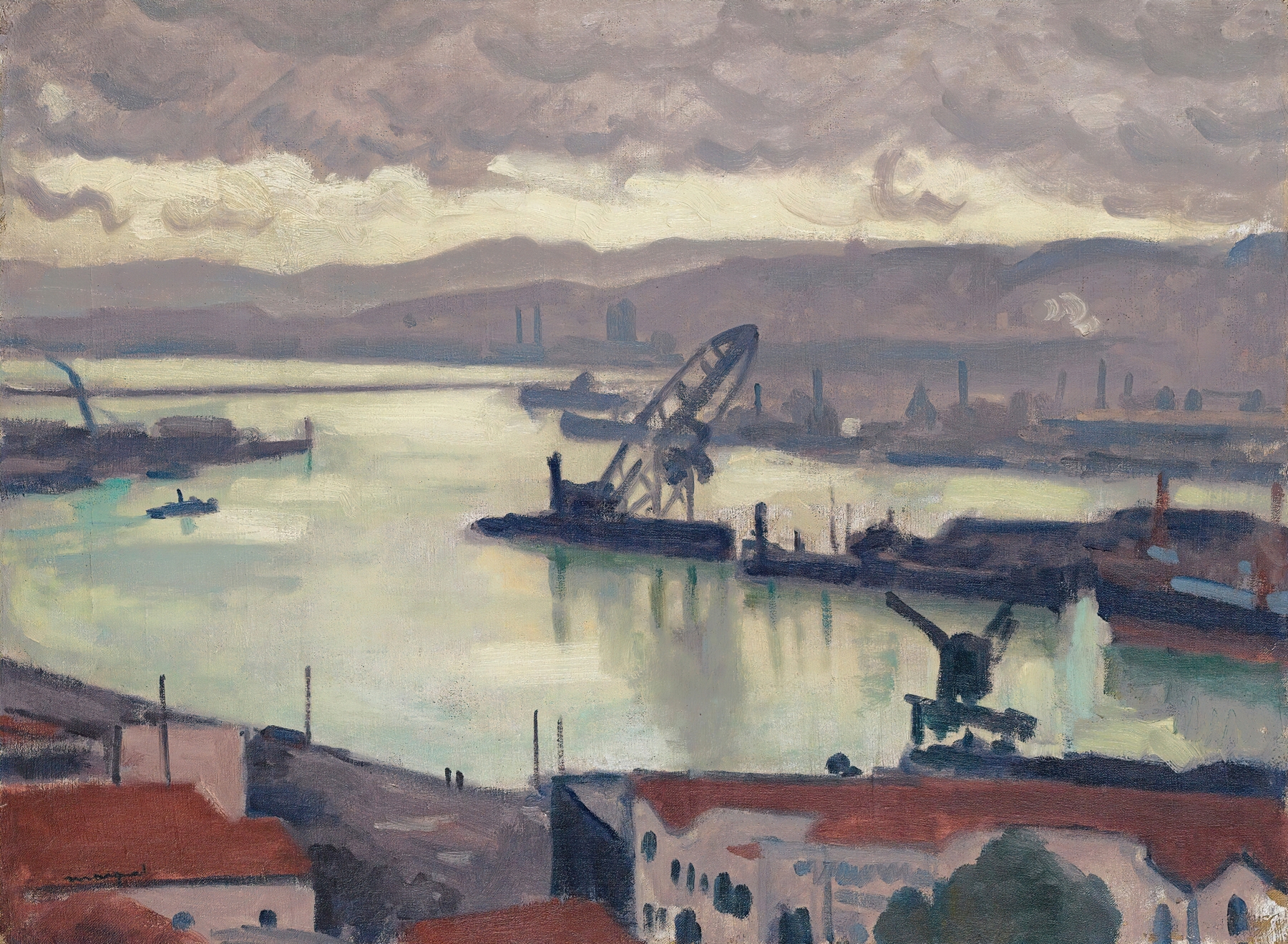
“Between color and silence, truth hides.” In Albert Marquet's Port of La Rochelle, the divine essence of a tranquil harbor emerges, blurring the line between reality and dream. The painting beckons us to explore the interplay of natural beauty and human presence woven into its serene ambiance. Look to the left at the soft hues of the sky, where delicate pastels blend seamlessly into one another, casting a tranquil glow across the water. Notice how Marquet employs a gentle touch with brushstrokes, creating a harmonious rhythm that mimics the gentle lapping of the waves. The modest boats, anchored and still, draw the eye toward the horizon, inviting contemplation and evoking a sense of peace.
Each element is intentionally placed, guiding us to appreciate the simplicity and elegance of a moment frozen in time. Yet, the painting speaks of contrasts—the stillness of the port juxtaposed against the inherent vitality of the surrounding world. The colors evoke a sense of warmth yet conceal a deeper melancholy—a reminder of the transient nature of existence. The interplay of light and shadow hints at unseen stories, with the boats serving as silent witnesses to the ebb and flow of life.
This duality embodies the reverence for both nature's beauty and the human longing for connection, hinting at the divine that resides in every fleeting moment. Created in 1920, during a time of post-war recovery in Europe, Marquet found solace in capturing the essence of everyday life in Port of La Rochelle. He painted this work while residing in France, where he was influenced by the Fauvist movement. The vibrant colors and simplified forms reflect a shift towards modernism, marking a pivotal moment in his artistic journey as he sought to convey the beauty of the ordinary, elevating the mundane to a realm of divine appreciation.